China, Arms Control, and Non-Proliferation is an empirically and conceptually path-breaking book that documents China's participation in international arms control and non-proliferation regimes from 1985 to 2001.
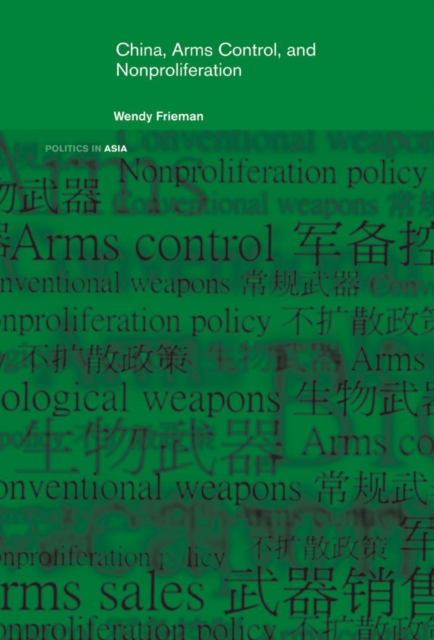
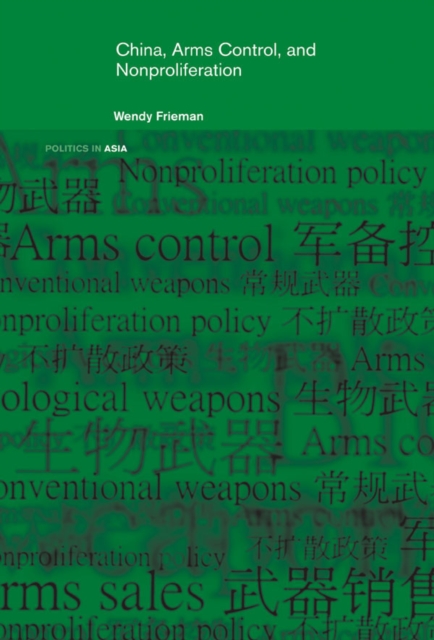
China, Arms Control, and Non-Proliferation is an empirically and conceptually path-breaking book that documents China's participation in international arms control and non-proliferation regimes from 1985 to 2001.
Nuclear weapons, once thought to have been marginalized by the end of the Cold War, have returned with a vengeance to the centre of US security concerns and to a world bereft of the old certainties of deterrence.
Nuclear weapons, once thought to have been marginalized by the end of the Cold War, have returned with a vengeance to the centre of US security concerns and to a world bereft of the old certainties of deterrence.
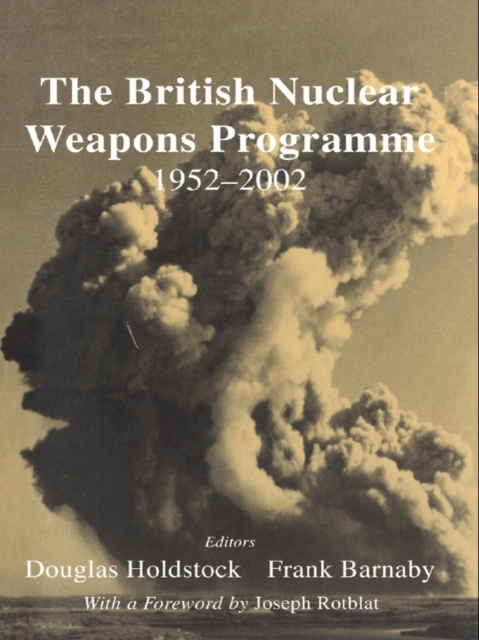
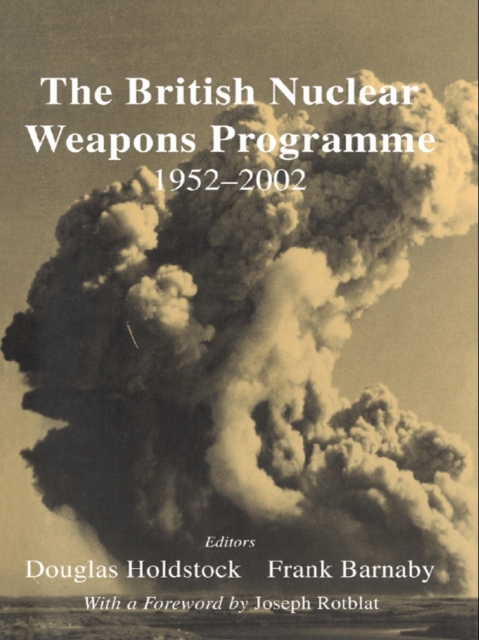
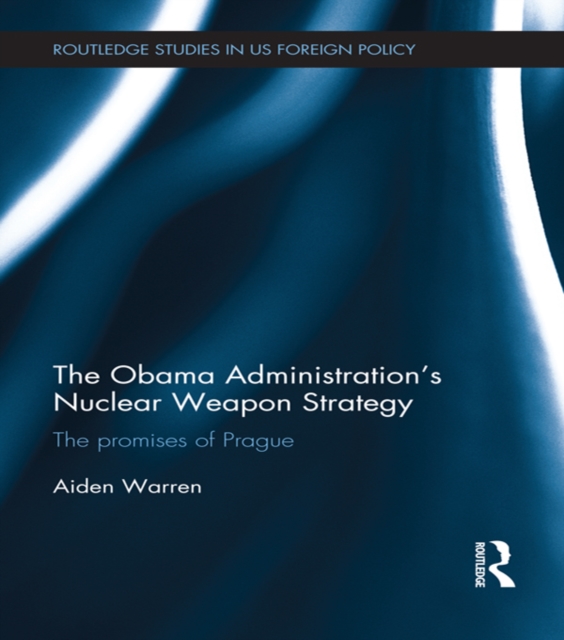
In 2002 the Bush administration completed a Nuclear Posture Review that introduced a 'new triad' based on offensive-strike systems, defences and a revitalized defence infrastructure.
In 2002 the Bush administration completed a Nuclear Posture Review that introduced a 'new triad' based on offensive-strike systems, defences and a revitalized defence infrastructure.
This volume reflects the research and discussions for the Bellagio Conference, with a spcial emphasis on the distinct perspective introduced by the Europeans on the issues of superpower strategic relations in general and on MAD and SDI in particular.
This volume reflects the research and discussions for the Bellagio Conference, with a spcial emphasis on the distinct perspective introduced by the Europeans on the issues of superpower strategic relations in general and on MAD and SDI in particular.
As counter-profileration is expected to become the central element in the new national security policy of the US, such actions will constitute a central element of every major international conflict in the first decades of the 21st century.
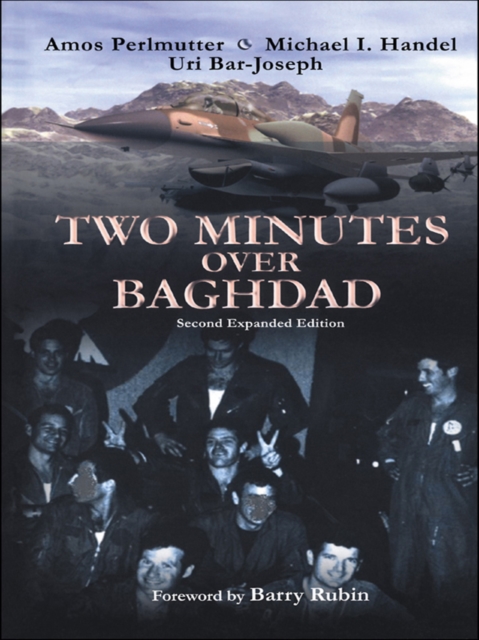
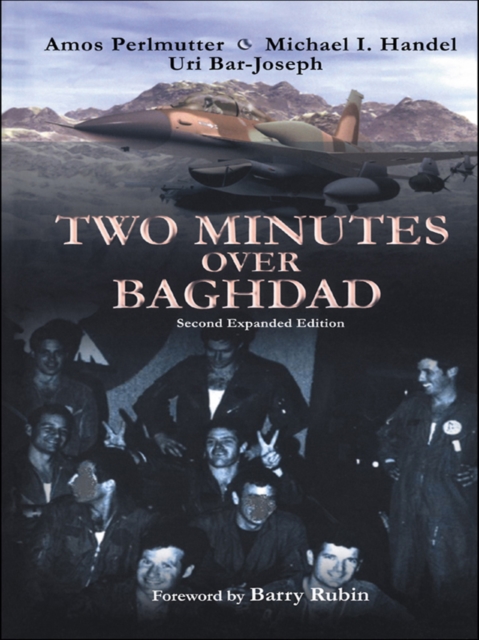
A detailed account of the way Israel dealt with the Iraqi nuclear buildup between its launch in 1974 and the destruction of the Tamuz I reactor on 7 June 1981.
A detailed account of the way Israel dealt with the Iraqi nuclear buildup between its launch in 1974 and the destruction of the Tamuz I reactor on 7 June 1981.
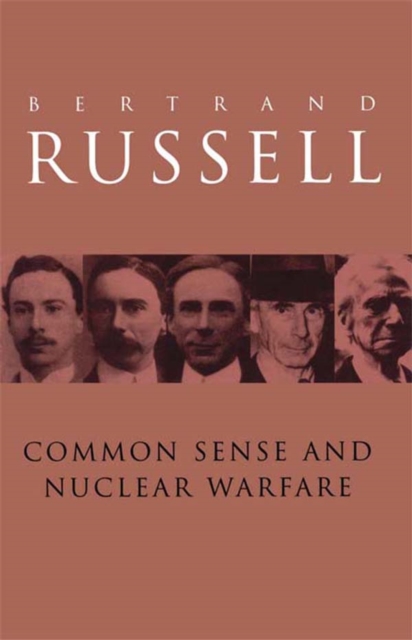
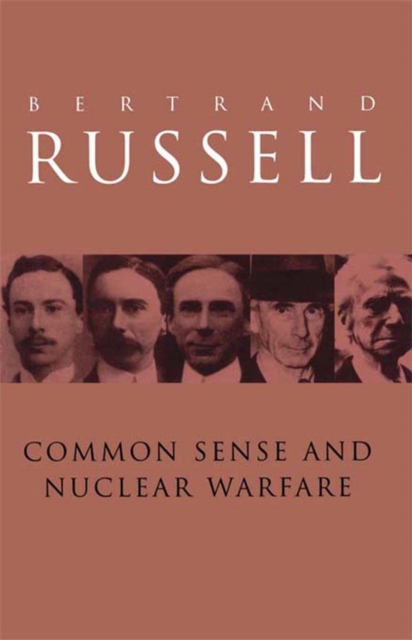
Available for the first time in many years, Commonsense and Nuclear Warfare presents Russell's keen insights into the threat of nuclear conflict, and his argument that the only way to end this threat is to end war itself.
Available for the first time in many years, Commonsense and Nuclear Warfare presents Russell's keen insights into the threat of nuclear conflict, and his argument that the only way to end this threat is to end war itself.
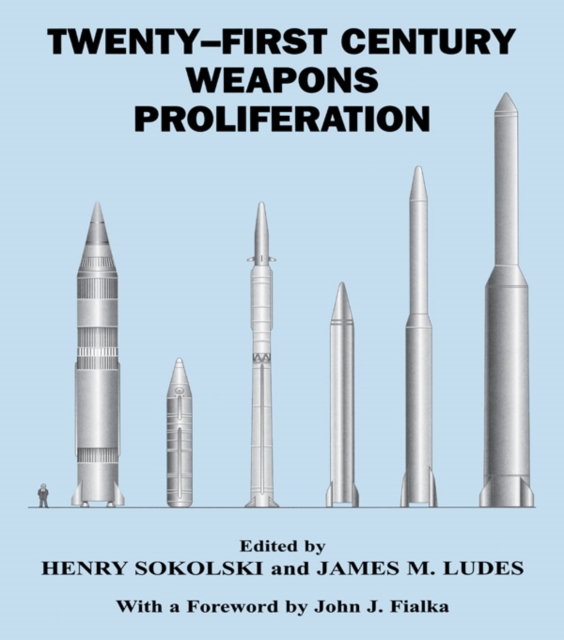
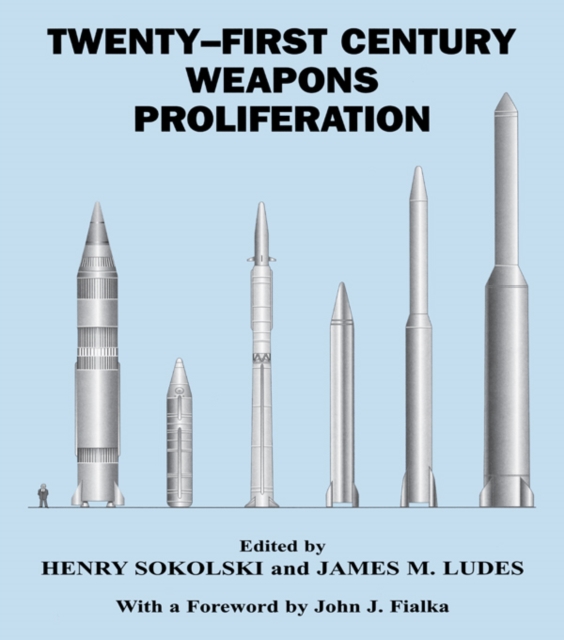
Leading US security practitioners from the Ford, Carter, Reagan, Bush and Clinton administrations, plus other experts on proliferation, clarify the weapons proliferation threats that the US and its allies will face, and suggest what new policies their governments should consider.
Leading US security practitioners from the Ford, Carter, Reagan, Bush and Clinton administrations, plus other experts on proliferation, clarify the weapons proliferation threats that the US and its allies will face, and suggest what new policies their governments should consider.
Written at the height of the Cold War in 1959, Common Sense and Nuclear Warfare was published in an effort 'to prevent the catastrophe which would result from a large scale H-bomb war'.
Written at the height of the Cold War in 1959, Common Sense and Nuclear Warfare was published in an effort 'to prevent the catastrophe which would result from a large scale H-bomb war'.
This examination of nuclear arms control addresses the question of what kind of posture do second generation nuclear weapons states adopt in a world in which the presumption of non-proliferation is accepted?
This examination of nuclear arms control addresses the question of what kind of posture do second generation nuclear weapons states adopt in a world in which the presumption of non-proliferation is accepted?
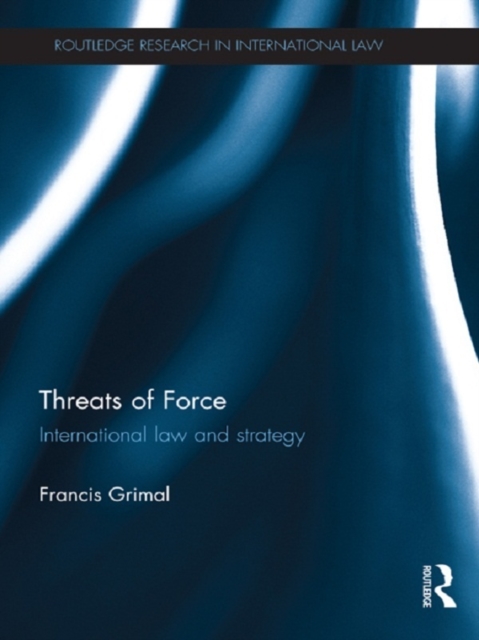
Despite recent attempts by scholars to examine the absolute prohibition of threats of force under Article 2(4) of the UN Charter, threats remain a largely un-chartered area in international law when compared with actual uses of force.
Despite recent attempts by scholars to examine the absolute prohibition of threats of force under Article 2(4) of the UN Charter, threats remain a largely un-chartered area in international law when compared with actual uses of force.
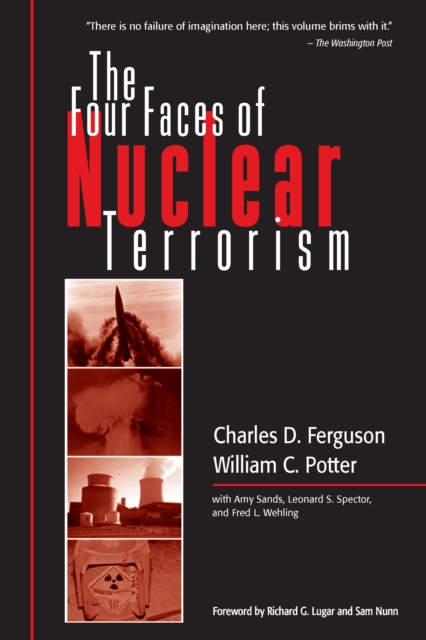
The Four Faces of Nuclear Terrorism, a new book from the Center for Nonproliferation Studies, assesses the motivations and capabilities of terrorist organizations to acquire and use nuclear weapons, to fabricate and and detonate crude nuclear explosives, to strike nuclear power plants and other nuclear facilities, and to build and employ radiological weapons or "e;dirty bombs.
The Four Faces of Nuclear Terrorism, a new book from the Center for Nonproliferation Studies, assesses the motivations and capabilities of terrorist organizations to acquire and use nuclear weapons, to fabricate and and detonate crude nuclear explosives, to strike nuclear power plants and other nuclear facilities, and to build and employ radiological weapons or "e;dirty bombs.
This collection of papers rigorously examines the current place of deterrence in international security relations, delivering the best of contemporary thinking.
This collection of papers rigorously examines the current place of deterrence in international security relations, delivering the best of contemporary thinking.
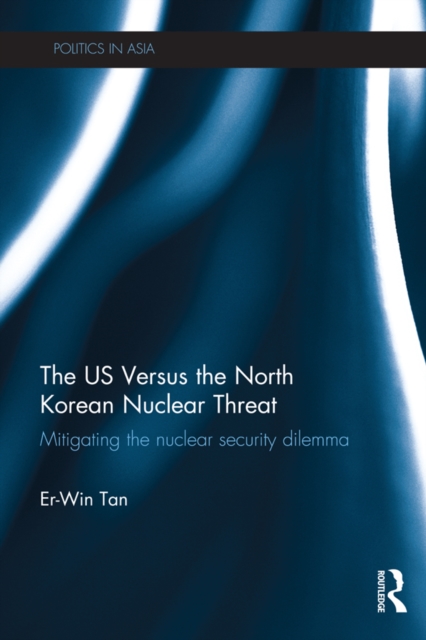
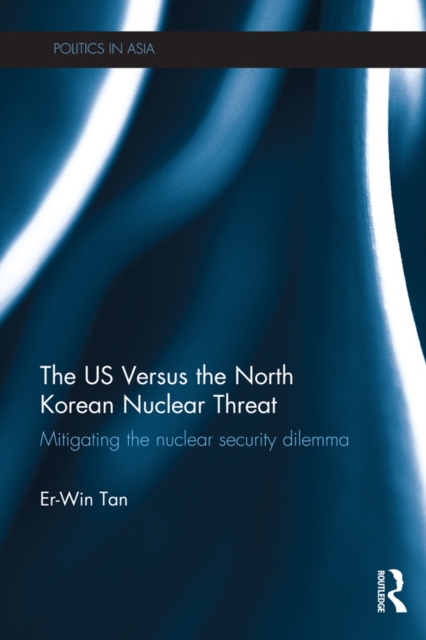
Although the current world order is still dominated by the US, there is increasing international concern over the possibility of regional security dilemmas arising from smaller powers' attempts to develop Weapons of Mass Destruction.
Although the current world order is still dominated by the US, there is increasing international concern over the possibility of regional security dilemmas arising from smaller powers' attempts to develop Weapons of Mass Destruction.
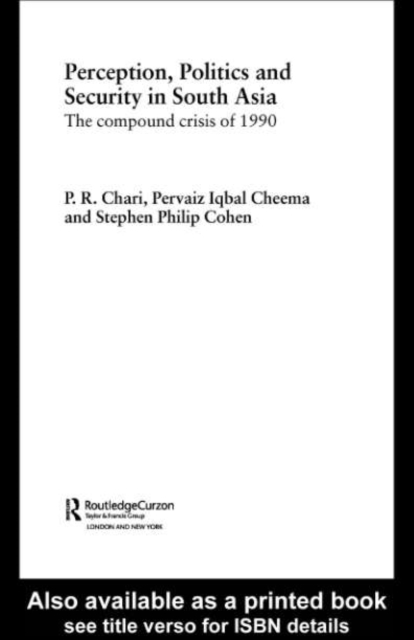
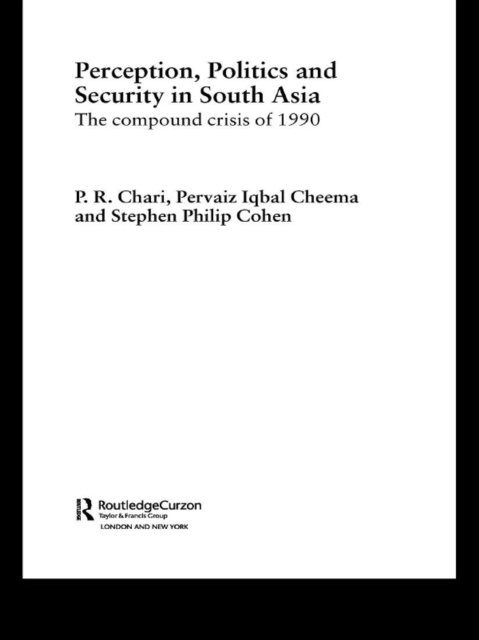
This book provides a detailed examination of the compound crisis between India and Pakistan that brought the region to the brink of a nuclear war in 1990.
This book provides a detailed examination of the compound crisis between India and Pakistan that brought the region to the brink of a nuclear war in 1990.
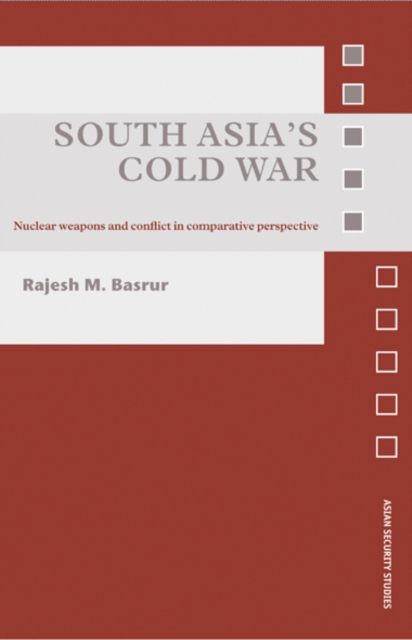
This book is a ground-breaking analysis of the India-Pakistan nuclear confrontation as a form of 'cold war' - that is, a hostile relationship between nuclear rivals.
This book is a ground-breaking analysis of the India-Pakistan nuclear confrontation as a form of 'cold war' - that is, a hostile relationship between nuclear rivals.