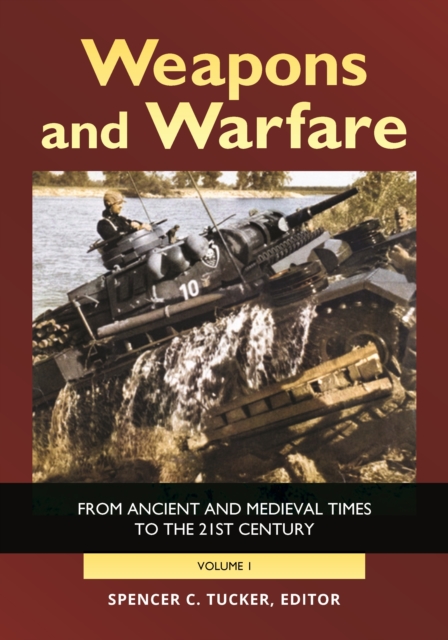
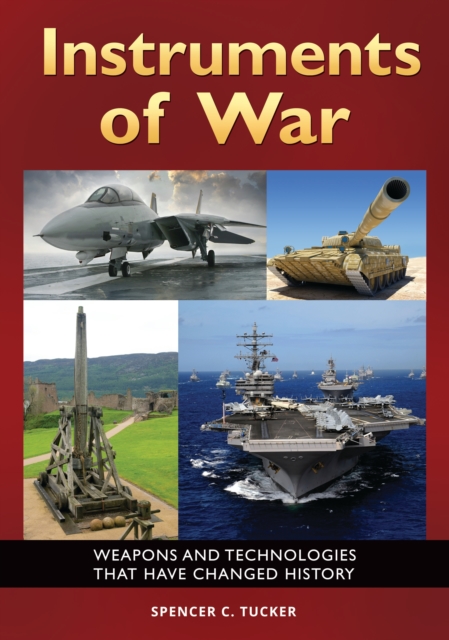
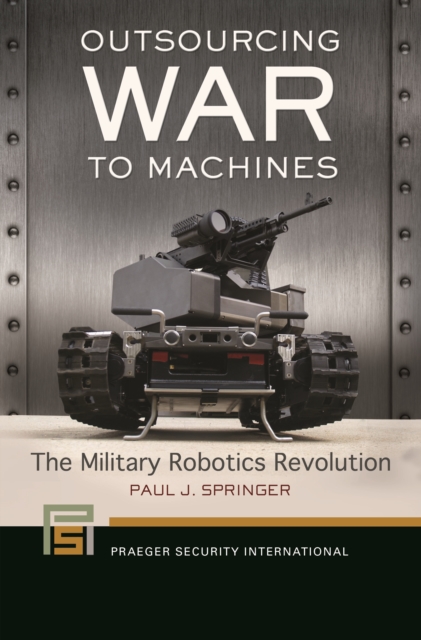
This work covers major weapons throughout human history, beginning with clubs and maces; through crossbows, swords, and gunpowder; up to the hypersonic railgun, lasers, and robotic weapons under development today.
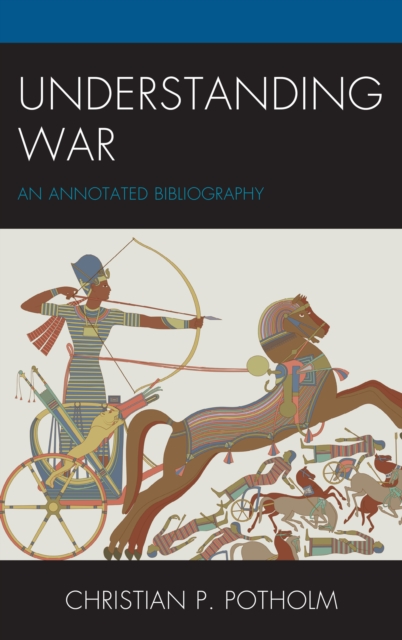
The third book in Professor Christian Potholm's war trilogy (which includes Winning at War and War Wisdom), Understanding War provides a most workable bibliography dealing with the vast literature on war and warfare.
*A New Statesman Best Summer Read*'A book to underline endlessly, to carry around until battered, and then to tell all your friends to buy because you're too reluctant to give up your own copy.
Addressing an increasingly complex array of nuclear weapons challenges in the future will require talented young people with the necessary technical and policy expertise to contribute to sound decisionmaking on nuclear issues over time.
The Project on Nuclear Issues 2013 conference series included events at Northrop Grumman in May, Sandia National Laboratory in July, and CSIS in December, before concluding with a Capstone Conference at Offutt Air Force Base, home of the U.
This illuminating book examines and refines the commonplace "e;wisdom"e; about cyber conflict-its effects, character, and implications for national and individual security in the 21st century.
This work covers major weapons throughout human history, beginning with clubs and maces; through crossbows, swords, and gunpowder; up to the hypersonic railgun, lasers, and robotic weapons under development today.
This important reference work is an extensive resource for students who want to investigate the world of cybercrime or for those seeking further knowledge of specific attacks both domestically and internationally.
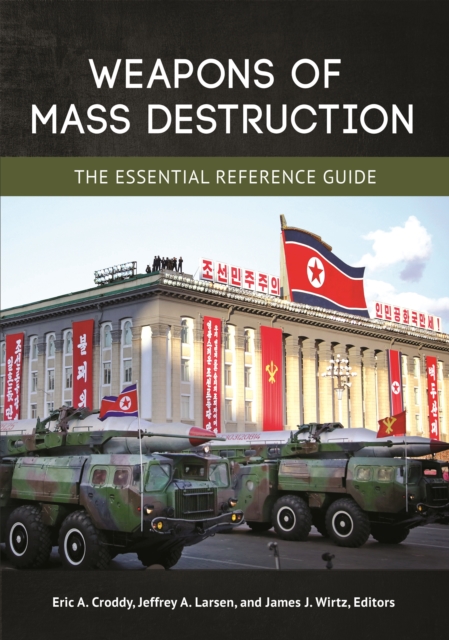
Whether one is interested in learning about anthrax, sarin, the neutron bomb-or any other weapon of mass destruction-this thorough and detailed reference is the place to find answers.
This book details the evolution of General George Marshall's relationship with the atomic bomb-including the Manhattan Project and the use of atomic weapons on Japan-as it emerged as the ultimate weapon of mass destruction.
This highly detailed and well-illustrated single-volume work documents the evolution of warfare across history through weaponry and technological change.
Almost from the moment in 1940 that Otto Frisch and Rudofl Peierls suggested, from their small office in the University of Birmingham, that an atomic weapon could be miniaturized and delivered to its target by aircraft, the concept of atomic espionage can be said to have existed.
The third book in Professor Christian Potholm's war trilogy (which includes Winning at War and War Wisdom), Understanding War provides a most workable bibliography dealing with the vast literature on war and warfare.
One of the government's former behavioural scientists reveals how you can do what you want, whilst everybody tries to influence you into doing what they want.
Since the beginning of the crisis precipitated by Iraq's invasion of Kuwait in August 1990, the threat posed by Iraq's arsenal of ballistic missiles has been the focus of international attention.
The first detailed Iranian account of the diplomatic struggle between Iran and the international community, The Iranian Nuclear Crisis: A Memoir opens in 2002, as news of Iran's clandestine uranium enrichment and plutonium production facilities emerge.
The first detailed Iranian account of the diplomatic struggle between Iran and the international community, The Iranian Nuclear Crisis: A Memoir opens in 2002, as news of Iran's clandestine uranium enrichment and plutonium production facilities emerge.
This book details the evolution of General George Marshall's relationship with the atomic bomb-including the Manhattan Project and the use of atomic weapons on Japan-as it emerged as the ultimate weapon of mass destruction.
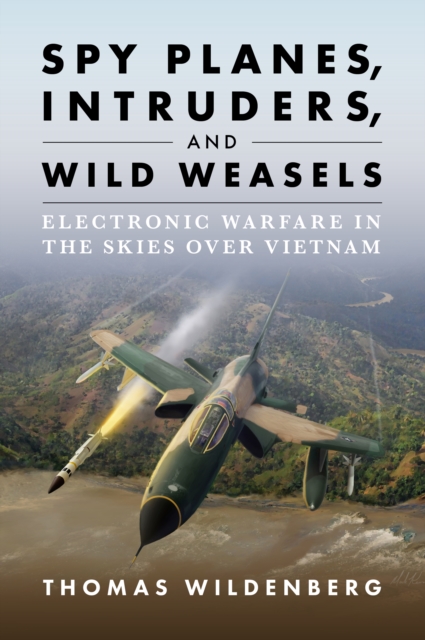
Spy Planes, Intruders, and Wild Weasels examines the emergence of electronic warfare and SEAD as critical components of air strategy during the Vietnam War.
In numerous crises after World War II Berlin, Korea, the Taiwan Straits, and the Middle East the United States resorted to vague threats to use nuclear weapons in order to deter Soviet or Chinese military action.
El régimen internacional de no proliferación nuclear tiene el propósito fundamental de alejar al mundo de la amenaza de las armas nucleares, impidiendo su propagación a otros Estados y el incremento de los arsenales.
This book studies the role, representation, and materiality of weapons, focusing on what they mean to communities and individuals in various cultural, social, political, and religious settings.
Defence Science and Technology (1993) discusses the key questions surrounding defence and civil industry, highlighting the complex nature of this relationship and the equally complex determinants of corporate government policy in this area.
British Defence Policy and Nuclear War (1964) examines the reasons advanced to justify an independent British nuclear deterrent, as well as looking at the worldwide context of nuclear weapons and strategies.
British Defence Policy and Nuclear War (1964) examines the reasons advanced to justify an independent British nuclear deterrent, as well as looking at the worldwide context of nuclear weapons and strategies.
This book studies the role, representation, and materiality of weapons, focusing on what they mean to communities and individuals in various cultural, social, political, and religious settings.
Defence Science and Technology (1993) discusses the key questions surrounding defence and civil industry, highlighting the complex nature of this relationship and the equally complex determinants of corporate government policy in this area.
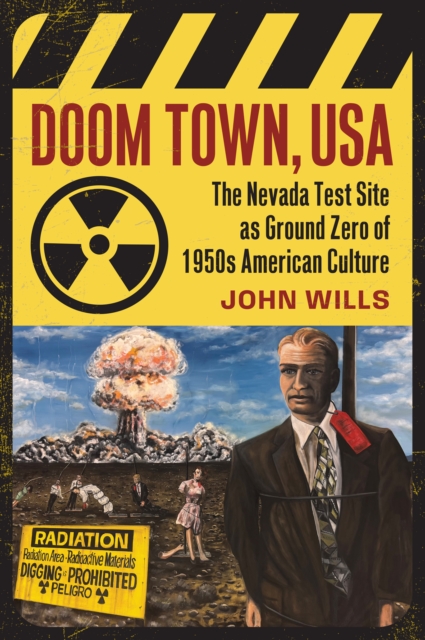
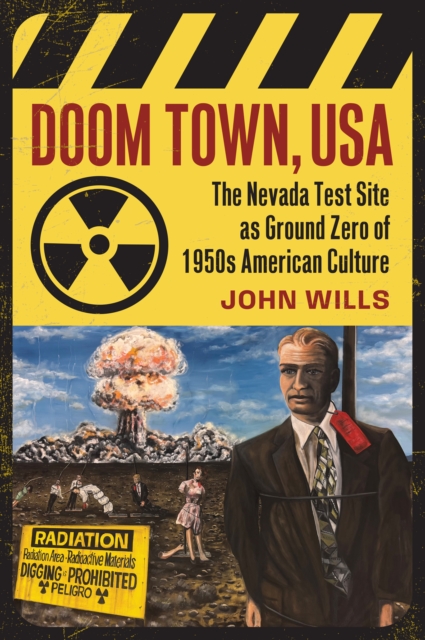
Cultural scholar John Wills takes readers on a cultural tour of Doom Town, USA, designed to be the model 1950s American city and destroyed by an atomic bomb on live television to educate Americans on the need to prepare for possible nuclear warbut also to sell new products in the emerging postwar economic boom.
Cultural scholar John Wills takes readers on a cultural tour of Doom Town, USA, designed to be the model 1950s American city and destroyed by an atomic bomb on live television to educate Americans on the need to prepare for possible nuclear warbut also to sell new products in the emerging postwar economic boom.