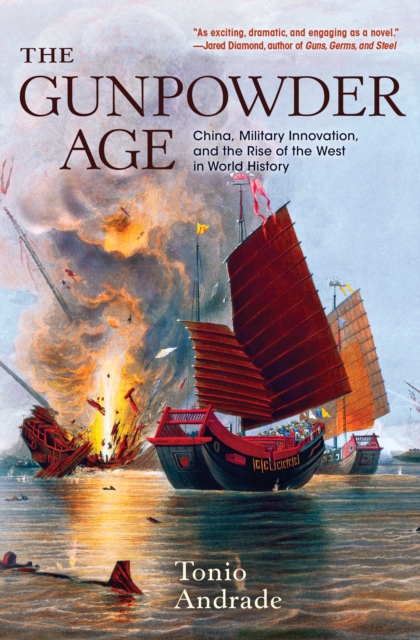
A first look at gunpowder's revolutionary impact on China's role in global historyThe Chinese invented gunpowder and began exploring its military uses as early as the 900s, four centuries before the technology passed to the West.
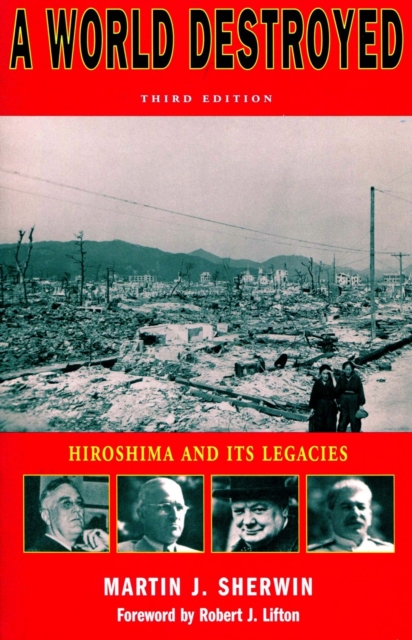
A multifaceted portrait of the Hiroshima bombing and its many legaciesOn August 6, 1945, in the waning days of World War II, the United States dropped an atomic bomb on the Japanese city of Hiroshima.
Continuously in demand since its first, prize-winning edition was published in 1975, this is the classic history of the development of the American atomic bomb, the decision to use it against Japan, and the origins of U.
This book traces the evolution of the Browning Automatic Rifle from the Model of 1918, first to face combat in World War I, through its various configurations in all arenas of combat all the way to the present-day1918 A3 SLR developed and manufactured by Ohio Ordnance Works.
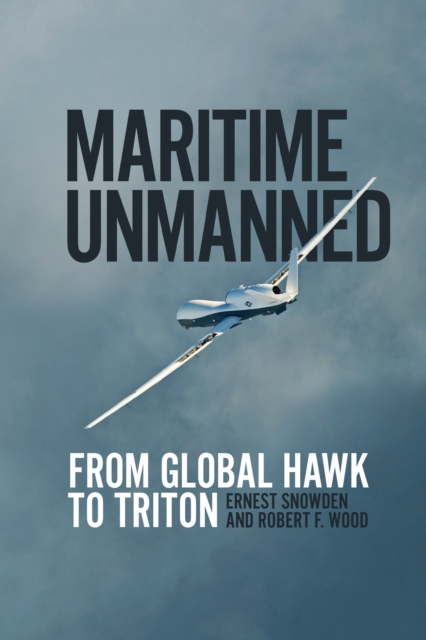
Maritime Unmanned recounts the promising beginning, demoralizing setbacks, and ultimate success of the visionaries who championed unmanned aircraft systems (UAS) technology for the U.
Political Fallout is the story of one of the first human-driven, truly global environmental crises-radioactive fallout from nuclear weapons testing during the Cold War-and the international response.
The events in Jet Age Man took place during the early Cold War, an era that will go down as a period when civilization teetered on the edge of the abyss.
A comprehensive and detailed illustrated examination of the development and combat performance of US battle tanks from World War I to the end of World War II.
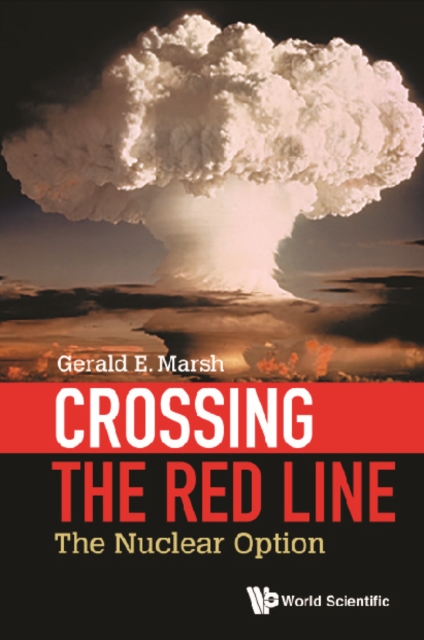
'No previous generation of statesmen has had to conduct policy in so unknown an environment at the border line of Armageddon'-Henry Kissinger Nuclear weapons pose a unique challenge to American foreign policy and the American president in particular.
This highly illustrated title details the history of the Jagdpanzer, the self-propelled German tank destroyers introduced in the second half of World War II.
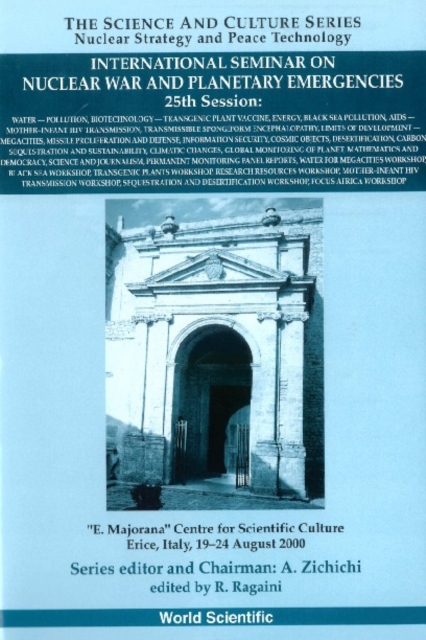
Full Title: Water - Pollution, Biotechnology - Transgenic Plant Vaccine, Energy, Black Sea Pollution, AIDS - Mother-Infant HIV Transmission, Transmissible Spongiform Encephalopathy, Limits of Development - Megacities, Missile Proliferation and Defense - Information Security, Cosmic Objects, Desertification, Carbon Sequestration and Sustainability, Climatic Changes, Global Monitoring of Planet, Mathematics and Democracy, Science and Journalism, Permanent Monitoring Panel Reports, Water for Megacities Workshop, Black Sea Workshop, Transgenic Plants Workshop, Research Resources Workshop, Mother-Infant HIV Transmission Workshop, Sequestration and Desertification Workshop, Focus Africa Workshop
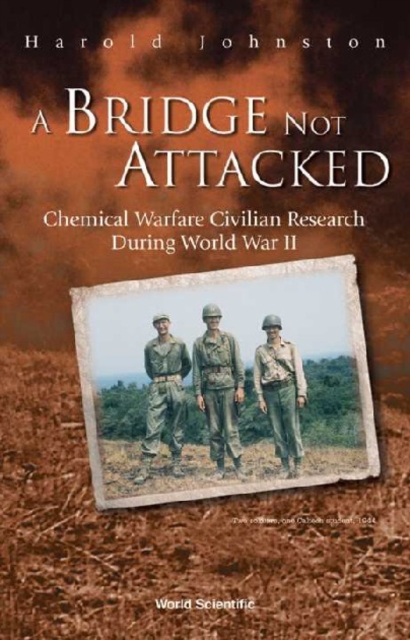
This book gives an almost forgotten history concerning civilian university scientists, who carried out research on defense against poison gases in some unusual places during World War II.
This proceedings volume contains presentations, group discussions and reports on terrorism-related issues, such as: motivations; tools and countermeasures; worldwide stability; risk analysis.
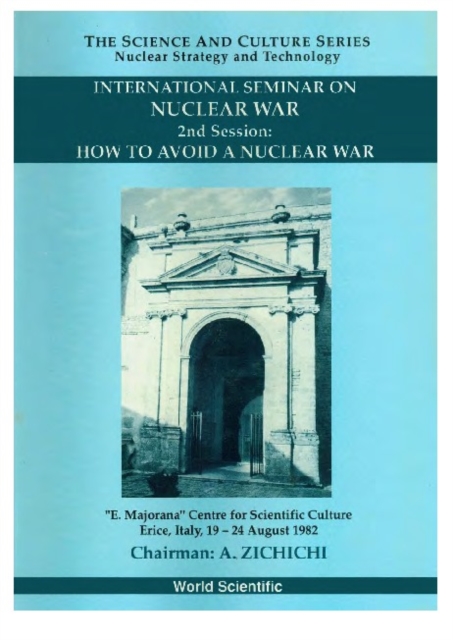
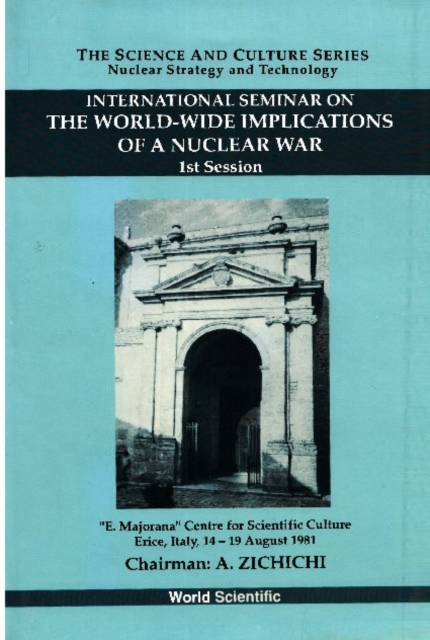
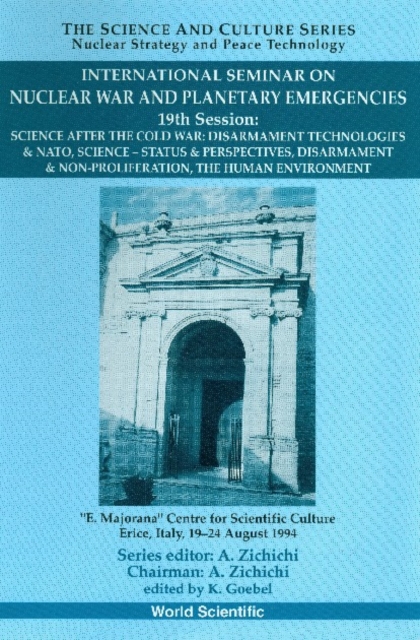
Since its inception in 1981, the Erice Seminars from which this book series originates have attracted the attention of world leaders in science, technology and culture.
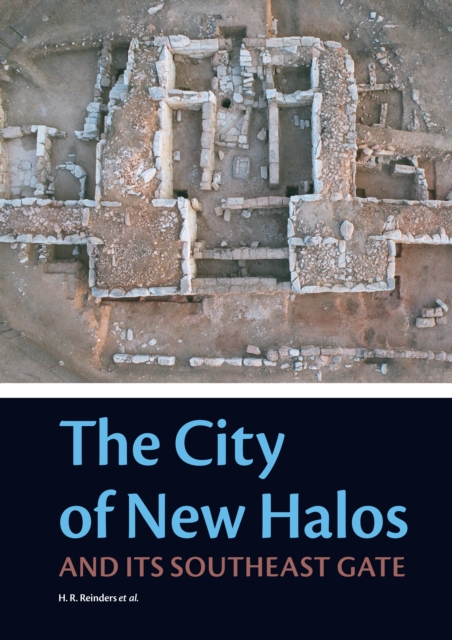
This volume presents a detailed description and analysis of the structure and layout of the Southeast Gate of New Halos, a Hellenistic city in Thessaly (Greece).