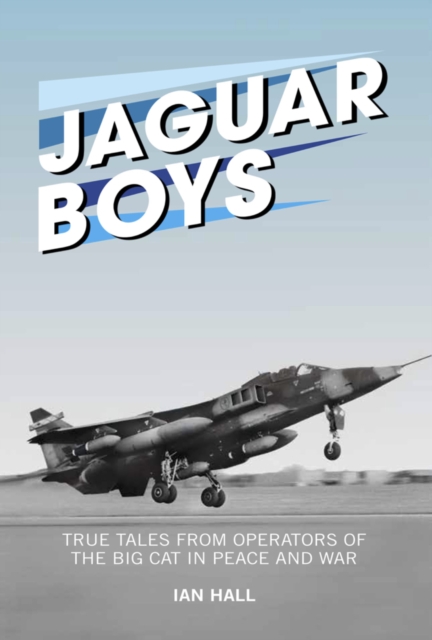
Originally intended as a trainer, the Anglo-French Sepecat jet, equipped with the very latest in weapon-aiming and navigational equipment, eventually became the backbone of the RAF’s tactical strike-attack and recce forces for a decade from the mid-1970s.
208 Squadron based at RAF Valley in Anglesey will be celebrating its 100th anniversary in October 2016, making it one of the few RAF squadrons to achieve this unique distinction whilst still part of the RAF’s current order of battle.
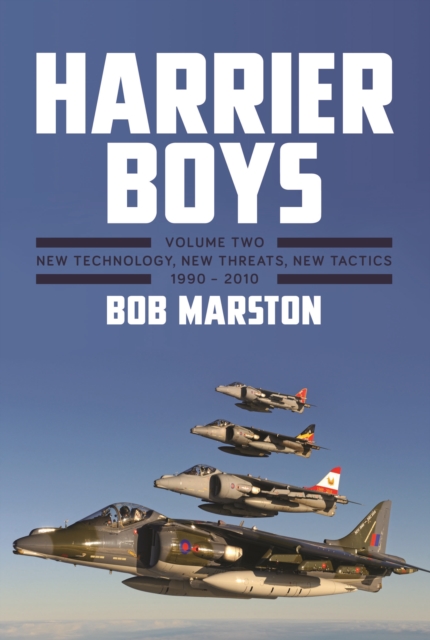
In the second volume of Harrier Boys, as with the first, the history of this remarkable aircraft in service with UK armed forces is illustrated through personal reminiscences of the people who worked with it.
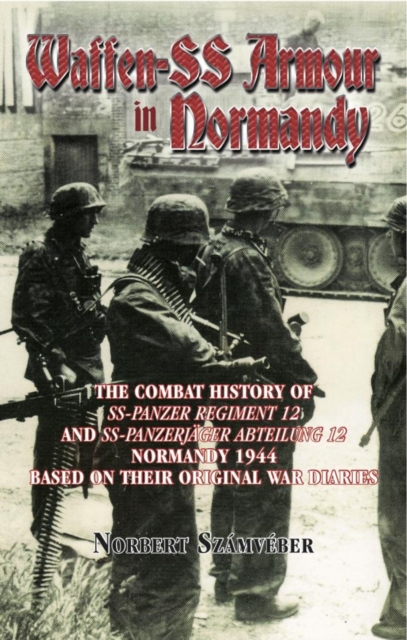
Waffen-SS Armour in Normandy presents the combat history of SS-Panzer Regiment 12 and SS-Panzerjäger Abteilung 12 in the Battle for France from June to the end of August 1944 based on transcriptions of their original unit war diaries from the Military History Archives in Prague.
208 Squadron based at RAF Valley in Anglesey will be celebrating its 100th anniversary in October 2016, making it one of the few RAF squadrons to achieve this unique distinction whilst still part of the RAF’s current order of battle.
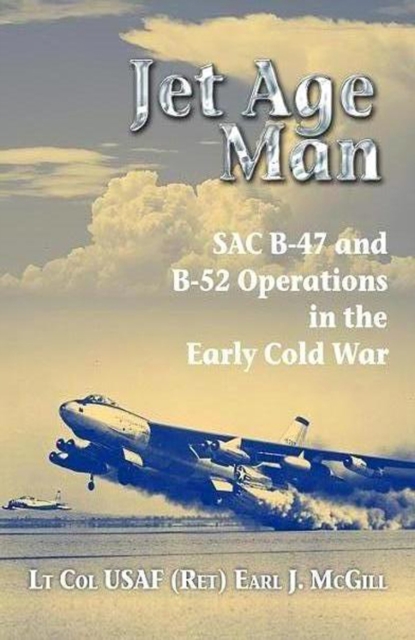
The events in Jet Age Man took place during the early Cold War, an era that will go down as a period when civilization teetered on the edge of the abyss.
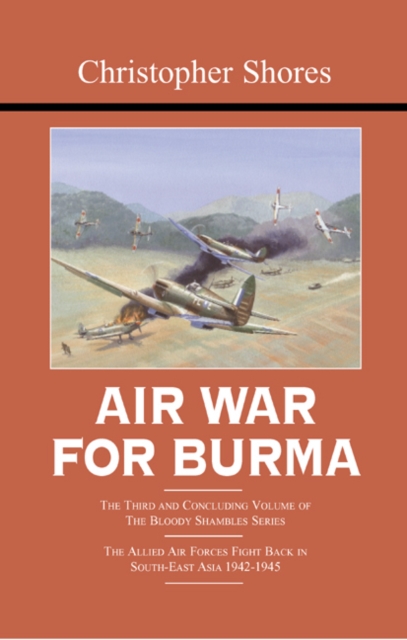
In his monumental work Bloody Shambles, Volume Two, Christopher Shores described in detail the British retreat out of Burma, culminating at the end of May 1942.
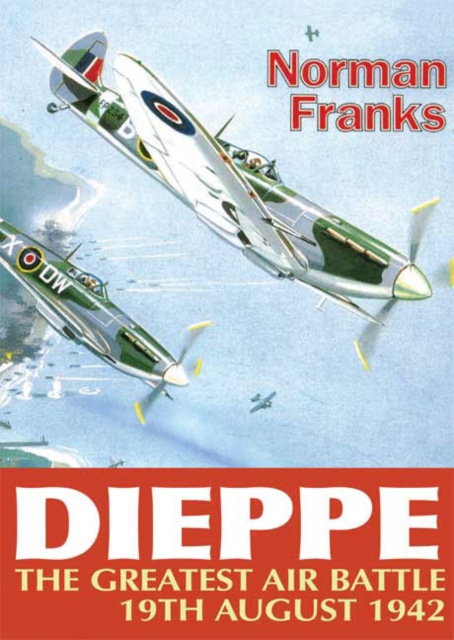
When Canadian troops and British Commandos made their now famous ‘reconnaissance in force’ against the harbor town of Dieppe on 19th August 1942, they were supported and protected by the largest array of Royal Air Force aircraft ever seen in WWII until that time.
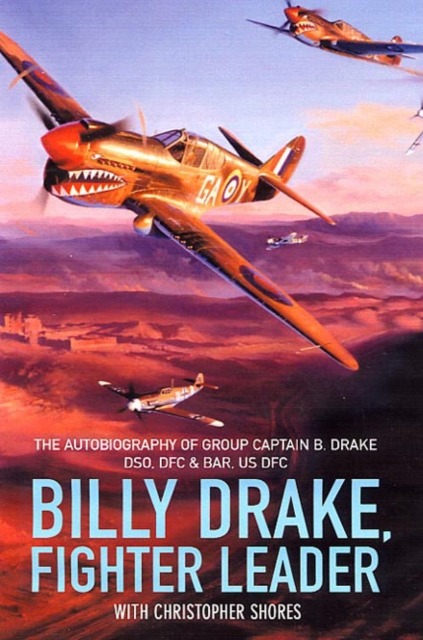
Born in London of an English father and Australian mother and educated in Switzerland, Billy Drake was to become one of the most illustrious RAF fighter pilots of World War II, indeed of all time.
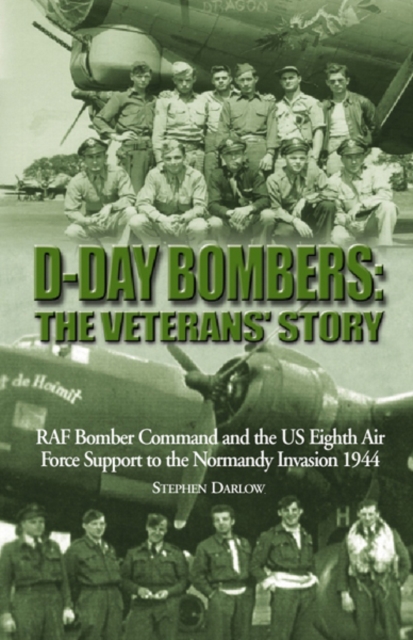
This book is largely an eye-witness account of the heavy bomber contribution to the success of the D-Day landings and therefore to the winning of the war in Europe.
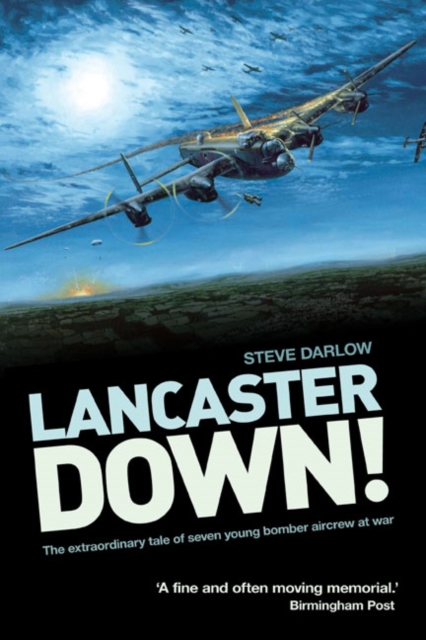
In the later years of the Second World War Germany was subjected to a tremendous onslaught by the bomber commands of both the RAF and USAAF, as well as being assaulted by land.
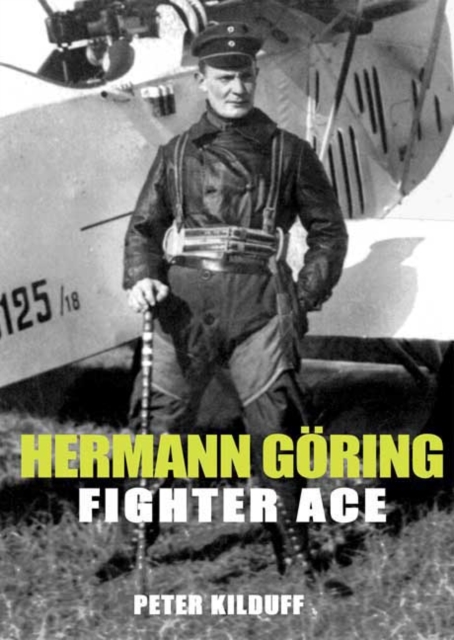
Over the last 70 years, in countless books and essays, Hermann Göring has been defined by his crimes and excess during the Third Reich and the Second World War.
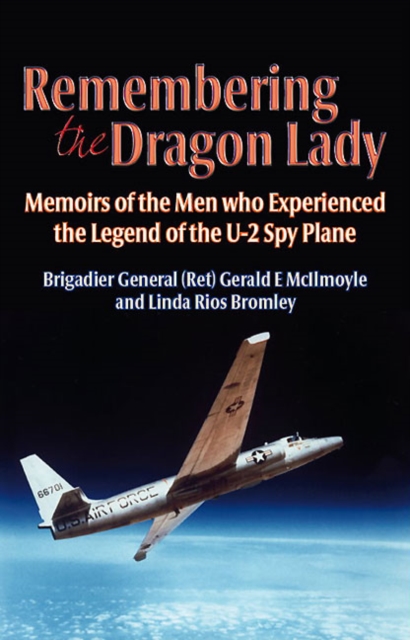
With heightened tensions mounting in the Cold War, President Dwight Eisenhower's request for more accurate intelligence information on the Soviet Union was the spark that ignited the U-2 project.
Captain Claud Williams’ memoir tells, firsthand, what it was like to be a Light Car Patrol commander during the First World War, while Russell McGuirk’s commentary provides the historical background to the formation of the Patrols and follows their activities from the British raid on Siwa Oasis to desert exploration and survey work and the Kufra Reconnaissance Scheme.
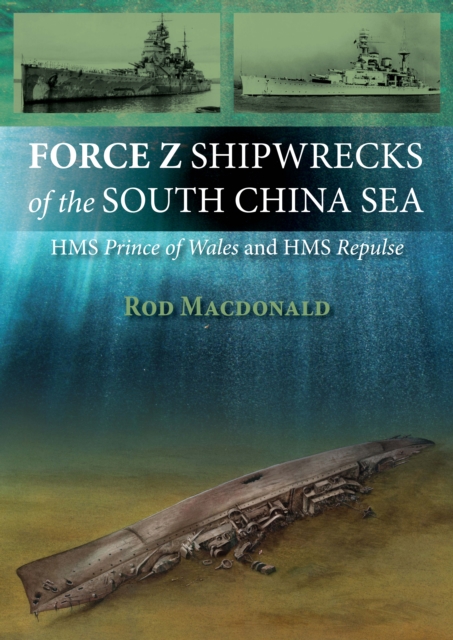
The tragedy of the loss in 1941 of two Royal Navy capital ships, HMS Prince of Wales and HMS Repulse, the core of Churchill's deterrent Force Z, stunned the world.
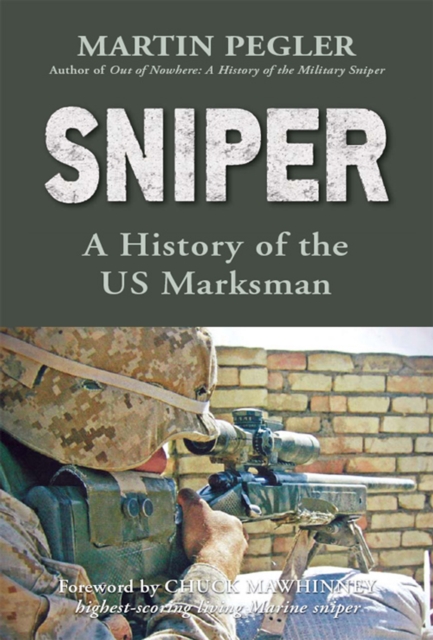
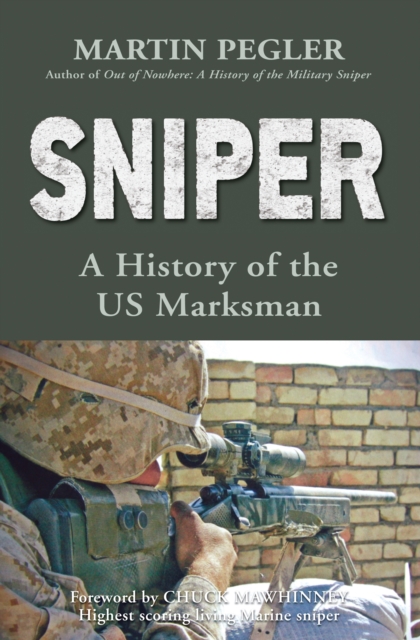
Following the success of Out of Nowhere: A History of the Military Sniper, sniper expert Martin Pegler gives us an in-depth study of the emergence of American rifleman, sharpshooter and sniper.
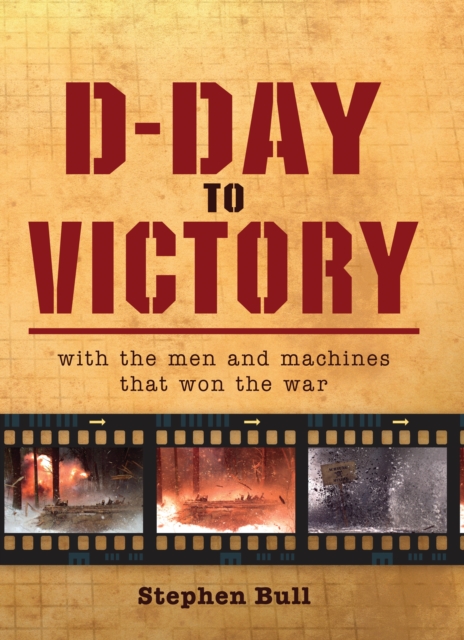
The companion volume to the groundbreaking TV series, this book tells the story of the physical, emotional and psychological journey of Allied soldiers from the beaches of Normandy to the ruins of Berlin.
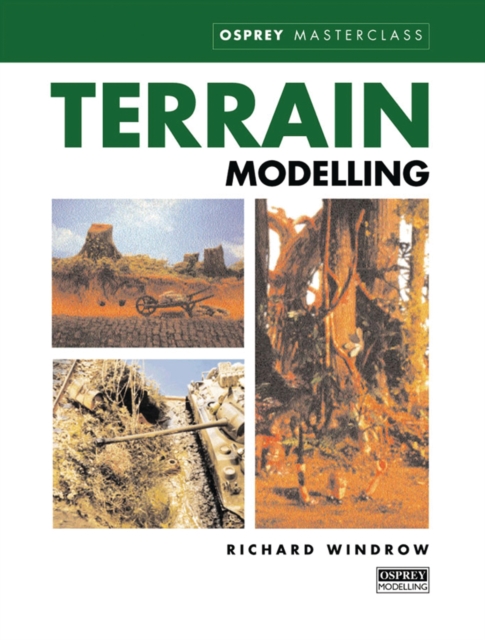
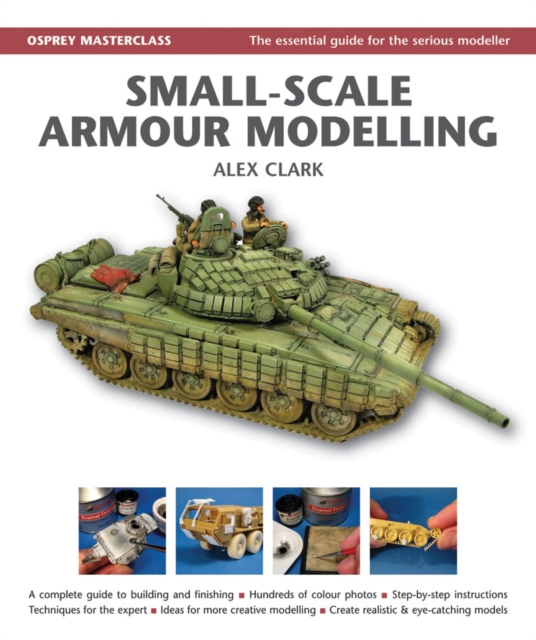
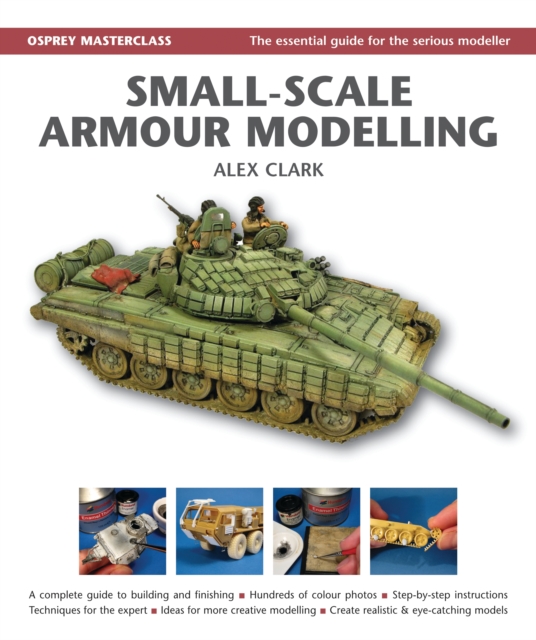
Using a highly visual, step-by-step approach, this book covers all of the major aspects of small-scale armour modeling, including construction, painting, finishing and presentation.
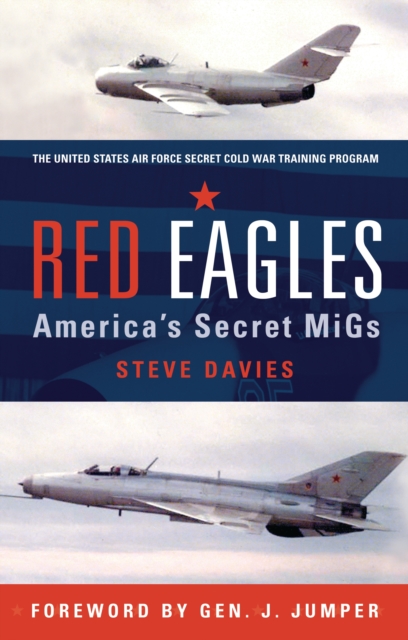
From the mid-1960s until the end of the Cold War, the United States Air Force acquired and flew Russian-made MiG jets, eventually creating a secret squadron dedicated to exposing American fighter pilots to enemy MiGs.
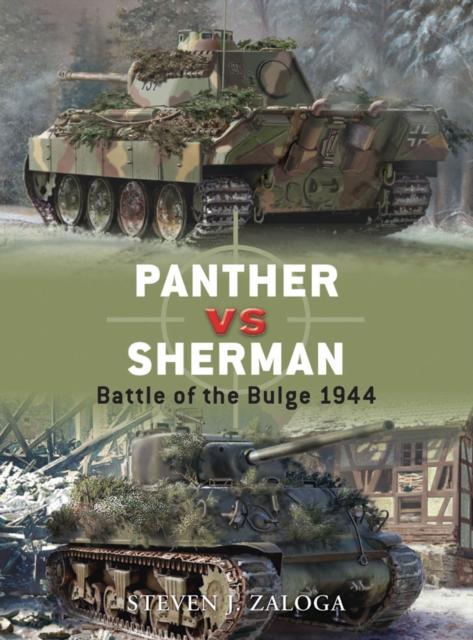
Steven J Zaloga offers a fascinating comparison between the two most important tanks involved in the crucial fighting of 1944, the American Sherman and the German Panther.
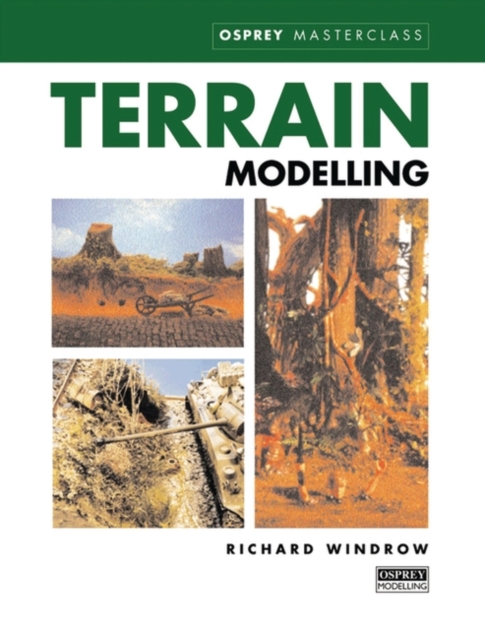
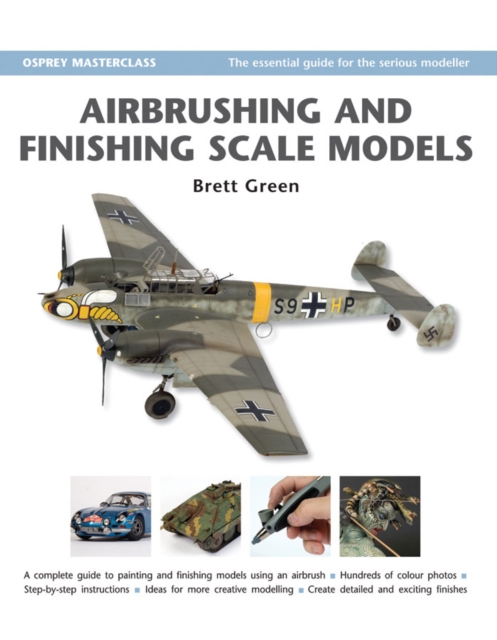
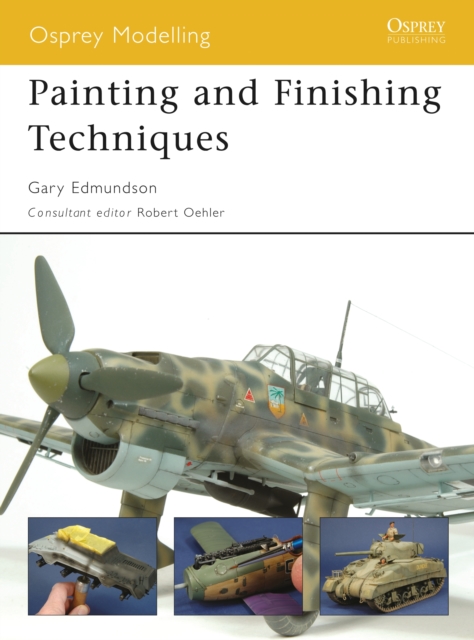
An in-depth guide to getting the best results on your models, with ten step-by-step, illustrated studies ranging from weathered military aircraft to pristine, high gloss motor vehicles, science fiction models, fantasy figures, groundwork and buildings.
Following the success of Out of Nowhere: A History of the Military Sniper, sniper expert Martin Pegler gives us an in-depth study of the emergence of American rifleman, sharpshooter and sniper.
Using a highly visual, step-by-step approach, this book covers all of the major aspects of small-scale armour modeling, including construction, painting, finishing and presentation.
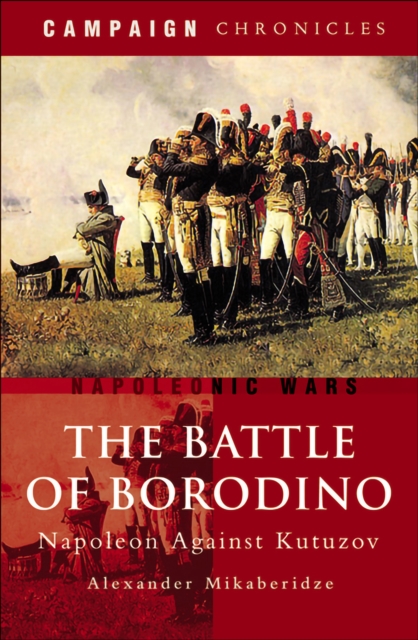
On 7 September 1812 at Borodino, 75 miles west of Moscow, the armies of the Russian and French empires clashed in one of the climactic battles of the Napoleonic Wars.