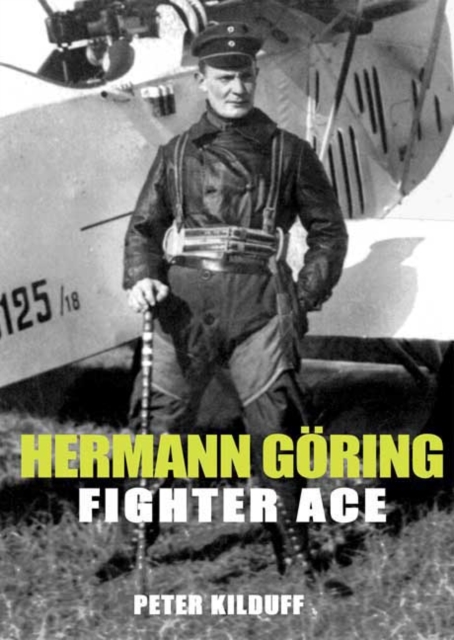
Over the last 70 years, in countless books and essays, Hermann Göring has been defined by his crimes and excess during the Third Reich and the Second World War.
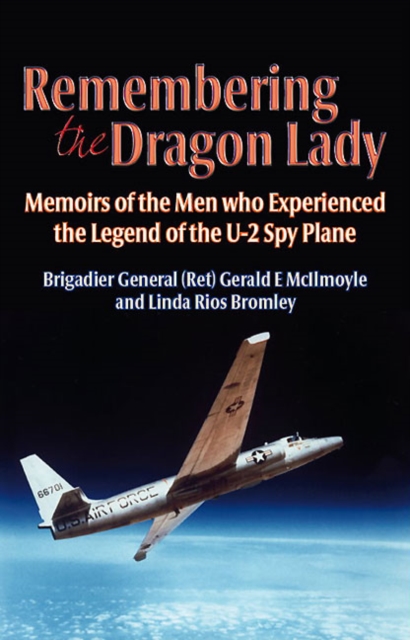
With heightened tensions mounting in the Cold War, President Dwight Eisenhower's request for more accurate intelligence information on the Soviet Union was the spark that ignited the U-2 project.
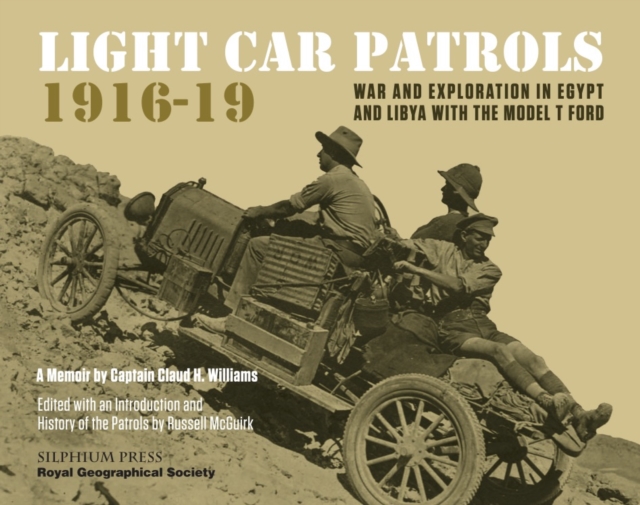
Captain Claud Williams’ memoir tells, firsthand, what it was like to be a Light Car Patrol commander during the First World War, while Russell McGuirk’s commentary provides the historical background to the formation of the Patrols and follows their activities from the British raid on Siwa Oasis to desert exploration and survey work and the Kufra Reconnaissance Scheme.
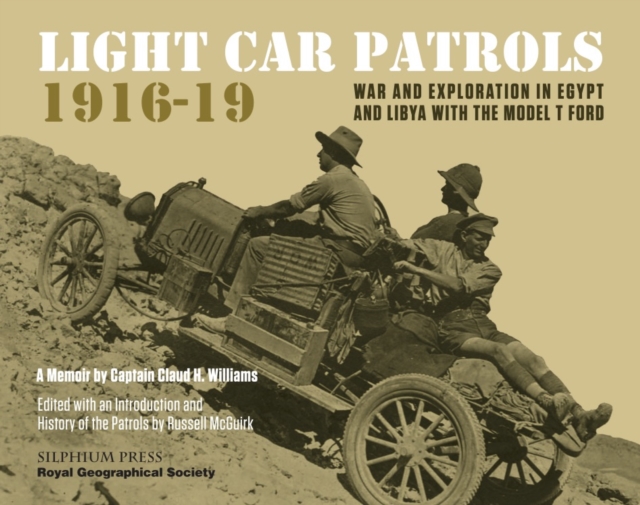
Captain Claud Williams’ memoir tells, firsthand, what it was like to be a Light Car Patrol commander during the First World War, while Russell McGuirk’s commentary provides the historical background to the formation of the Patrols and follows their activities from the British raid on Siwa Oasis to desert exploration and survey work and the Kufra Reconnaissance Scheme.
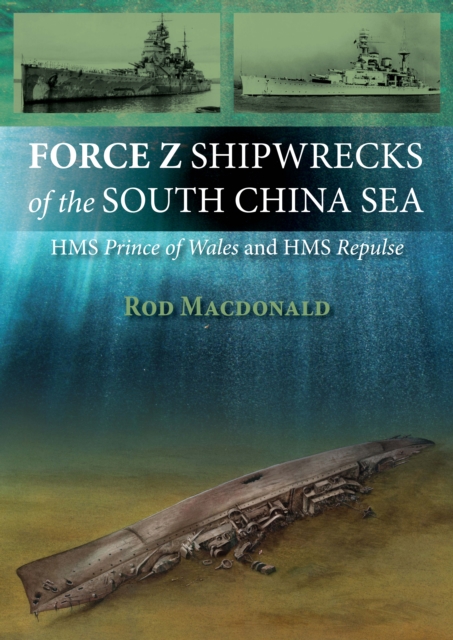
The tragedy of the loss in 1941 of two Royal Navy capital ships, HMS Prince of Wales and HMS Repulse, the core of Churchill's deterrent Force Z, stunned the world.
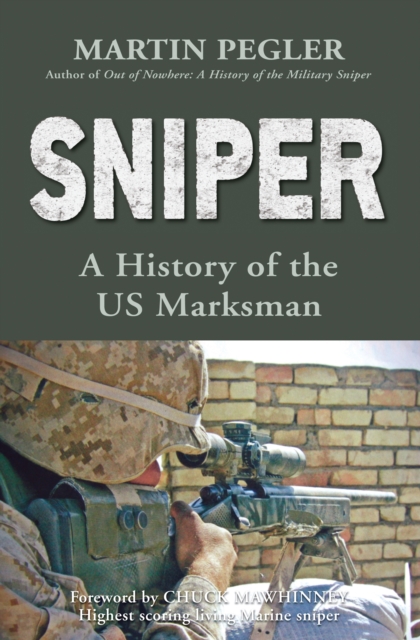
Following the success of Out of Nowhere: A History of the Military Sniper, sniper expert Martin Pegler gives us an in-depth study of the emergence of American rifleman, sharpshooter and sniper.
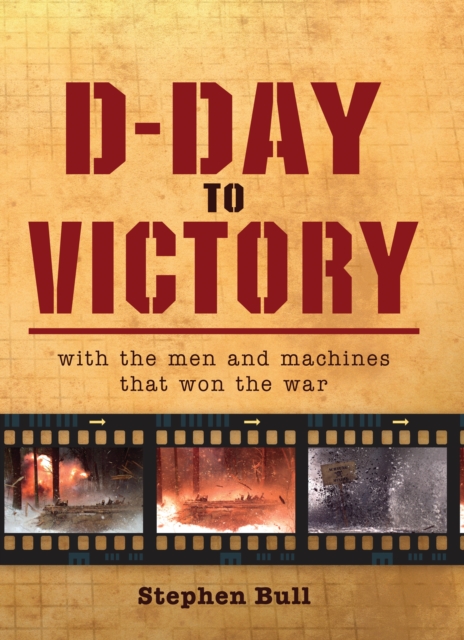
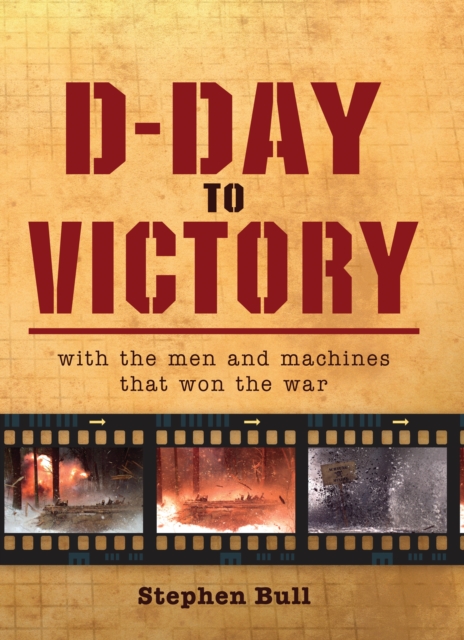
The companion volume to the groundbreaking TV series, this book tells the story of the physical, emotional and psychological journey of Allied soldiers from the beaches of Normandy to the ruins of Berlin.
The companion volume to the groundbreaking TV series, this book tells the story of the physical, emotional and psychological journey of Allied soldiers from the beaches of Normandy to the ruins of Berlin.
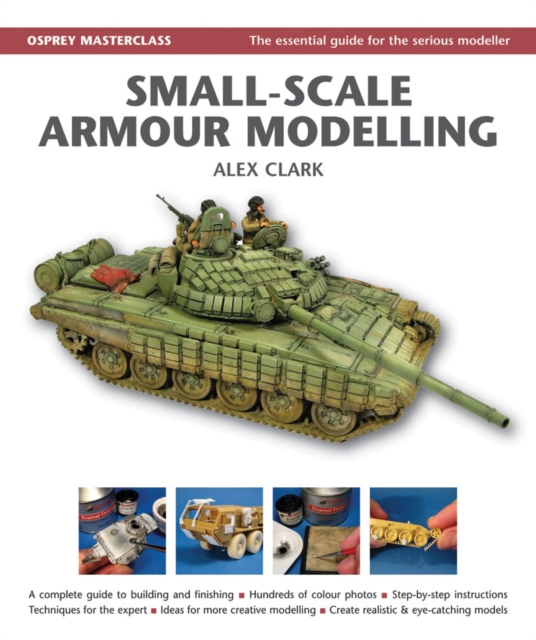
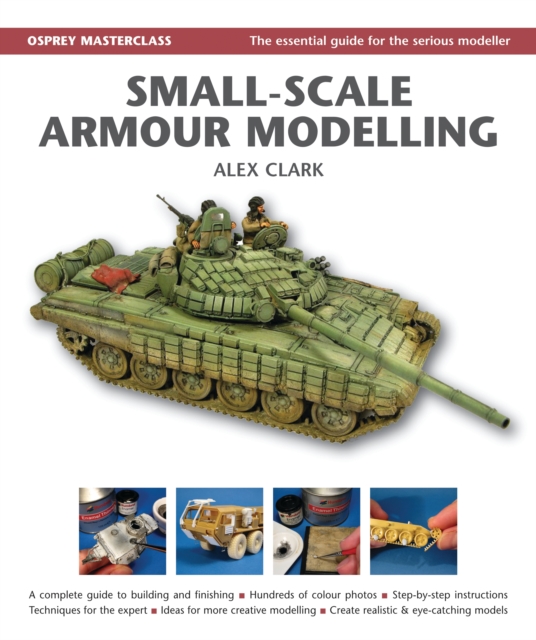
Using a highly visual, step-by-step approach, this book covers all of the major aspects of small-scale armour modeling, including construction, painting, finishing and presentation.
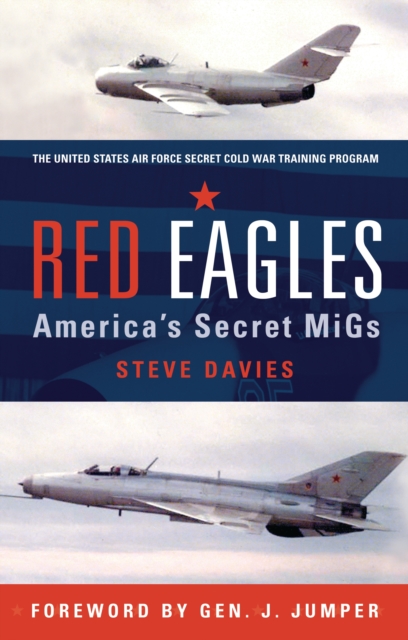
From the mid-1960s until the end of the Cold War, the United States Air Force acquired and flew Russian-made MiG jets, eventually creating a secret squadron dedicated to exposing American fighter pilots to enemy MiGs.
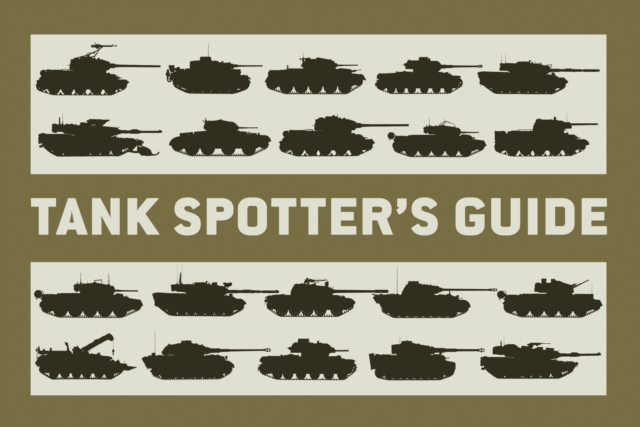
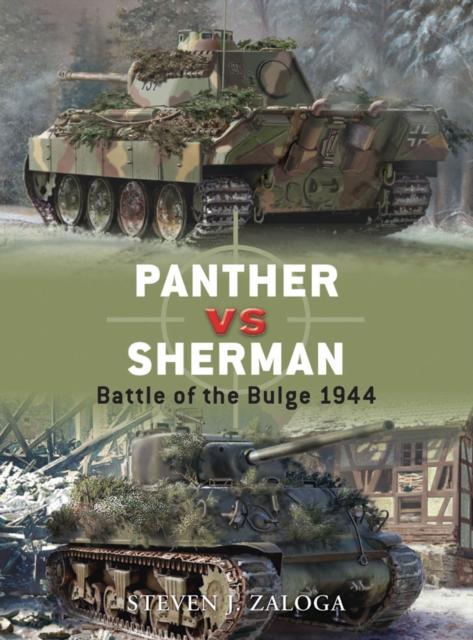
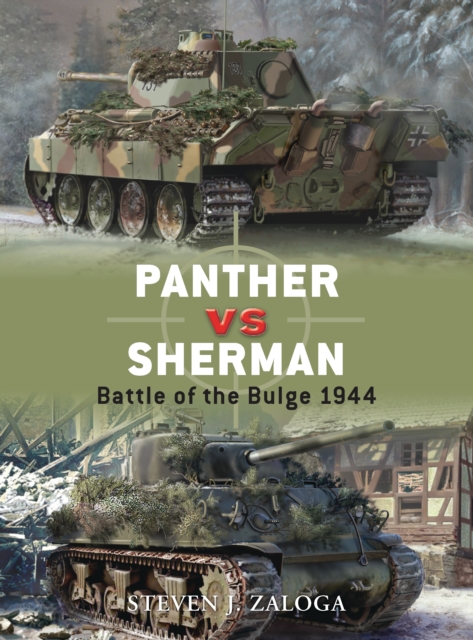
Steven J Zaloga offers a fascinating comparison between the two most important tanks involved in the crucial fighting of 1944, the American Sherman and the German Panther.
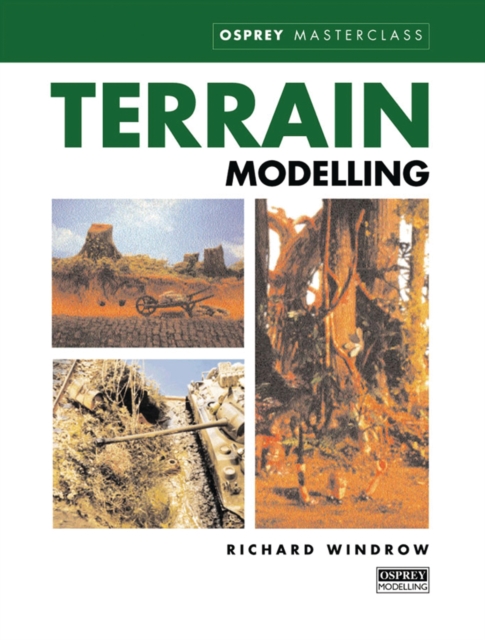
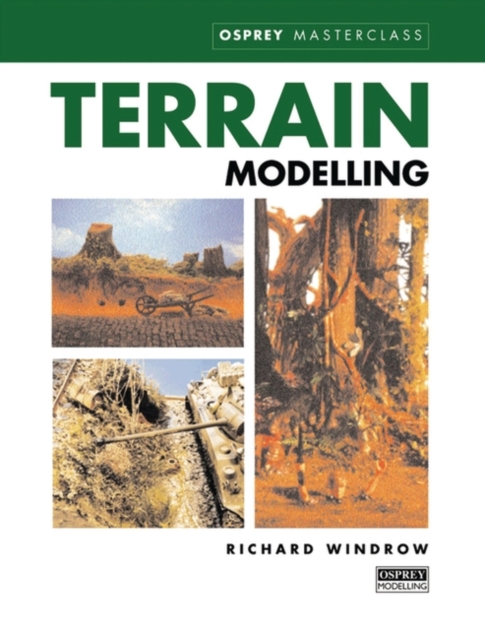
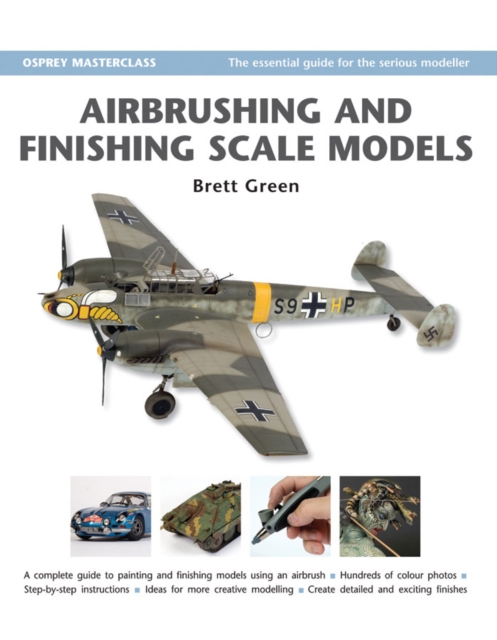
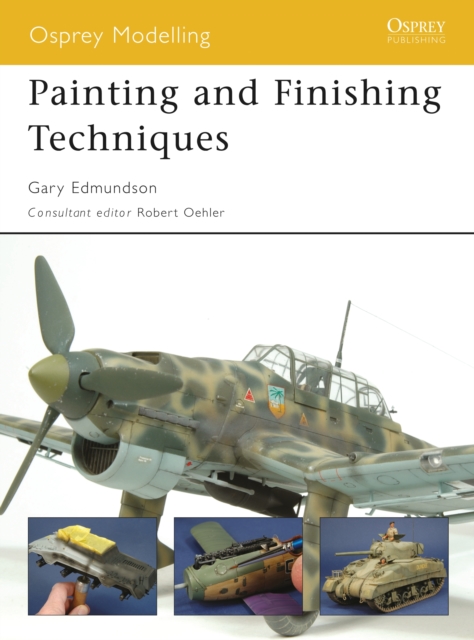
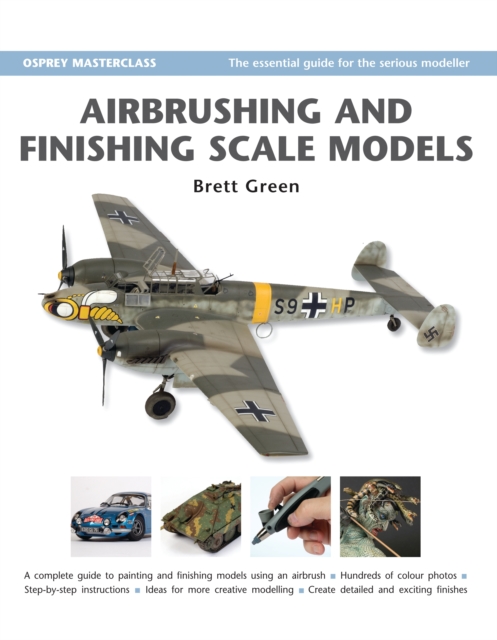
An in-depth guide to getting the best results on your models, with ten step-by-step, illustrated studies ranging from weathered military aircraft to pristine, high gloss motor vehicles, science fiction models, fantasy figures, groundwork and buildings.
Following the success of Out of Nowhere: A History of the Military Sniper, sniper expert Martin Pegler gives us an in-depth study of the emergence of American rifleman, sharpshooter and sniper.
Using a highly visual, step-by-step approach, this book covers all of the major aspects of small-scale armour modeling, including construction, painting, finishing and presentation.
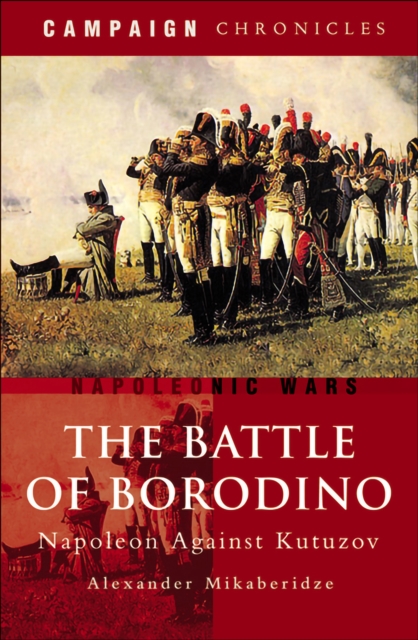
On 7 September 1812 at Borodino, 75 miles west of Moscow, the armies of the Russian and French empires clashed in one of the climactic battles of the Napoleonic Wars.
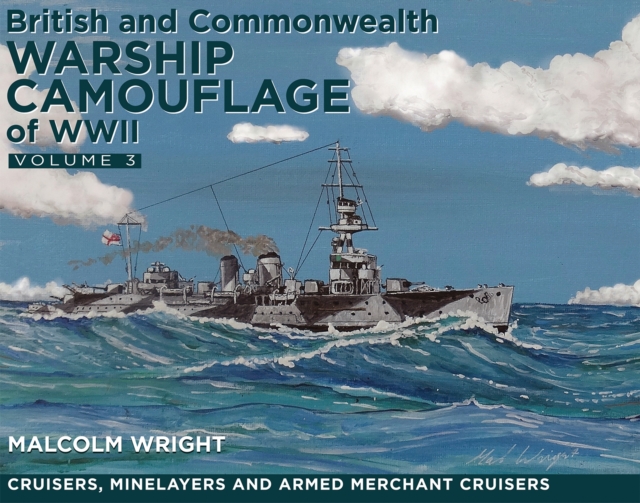
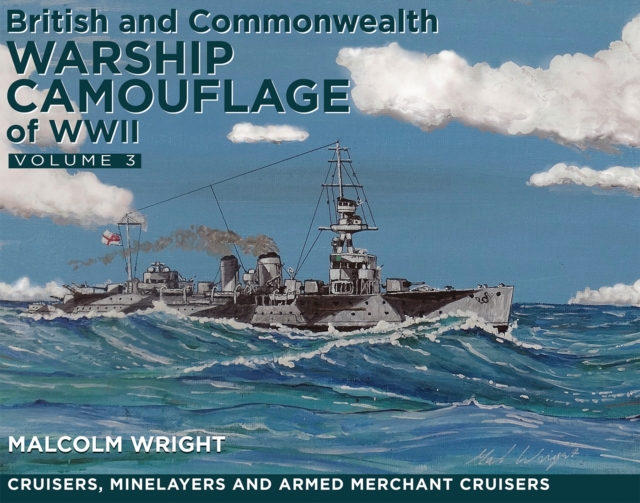
During the Second World War navies developed low visibility camouflage for their ships, on both vertical and horizontal surfaces, in order reduce visibility by blending in with the sea, or confuse the identity of a ship by applying more obtrusive patters.
During the Second World War navies developed low visibility camouflage for their ships, on both vertical and horizontal surfaces, in order reduce visibility by blending in with the sea, or confuse the identity of a ship by applying more obtrusive patters.
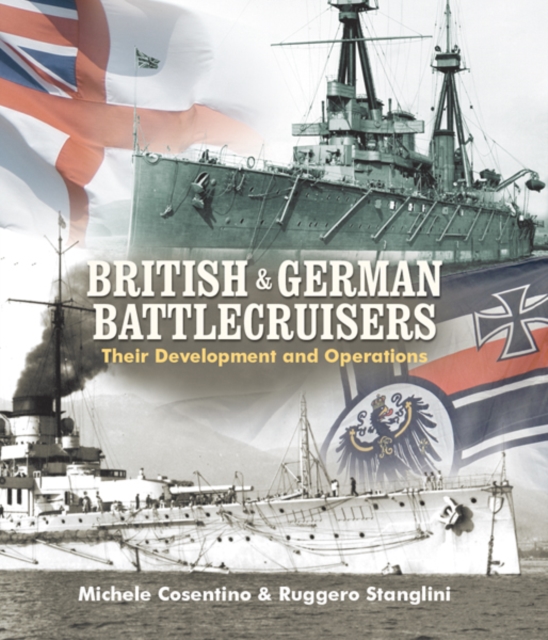
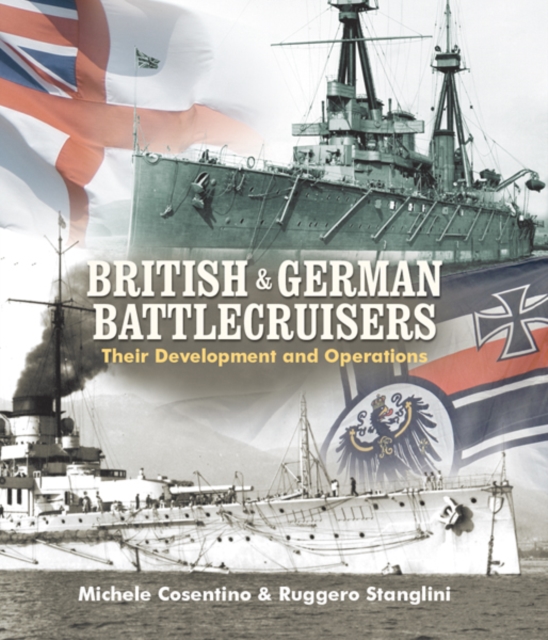
The fast and formidably-armed battlecruisers of Great Britain and Germany that were developed before and during the First World War are, in this new book, compared and contrasted in a way, and at a level of detail, that has never been attempted before.
The fast and formidably-armed battlecruisers of Great Britain and Germany that were developed before and during the First World War are, in this new book, compared and contrasted in a way, and at a level of detail, that has never been attempted before.
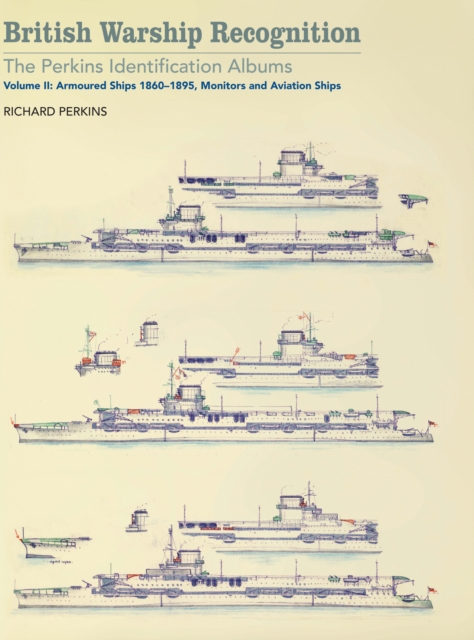
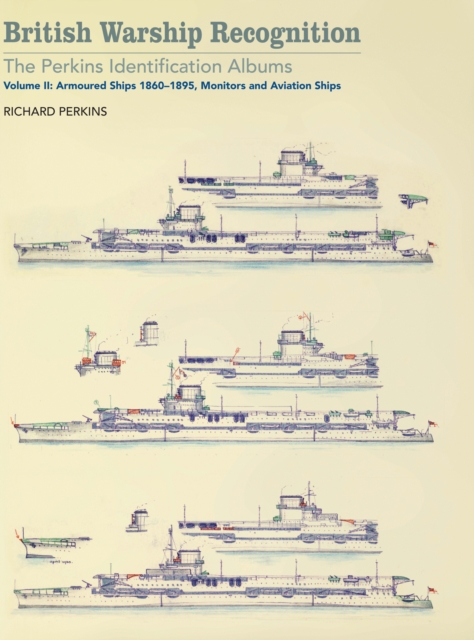
The Richard Perkins warship identification albums form one of the most detailed studies ever undertaken of the changes to the appearance of Royal Navy ships.
The Richard Perkins warship identification albums form one of the most detailed studies ever undertaken of the changes to the appearance of Royal Navy ships.
In 1996, the International Court of Justice delivered an Advisory Opinion on the legality of the use of nuclear weapons in which the Court stated that "e;while the existing international law relating to the protection and safeguarding of the environment does not specifically prohibit the use of nuclear weapons it indicates important environmental factors that are properly to be taken into account in the context of the implementation of the principles and rules of the law applicable in armed conflict.
An in-depth guide to getting the best results on your models, with ten step-by-step, illustrated studies ranging from weathered military aircraft to pristine, high gloss motor vehicles, science fiction models, fantasy figures, groundwork and buildings.
Steven J Zaloga offers a fascinating comparison between the two most important tanks involved in the crucial fighting of 1944, the American Sherman and the German Panther.
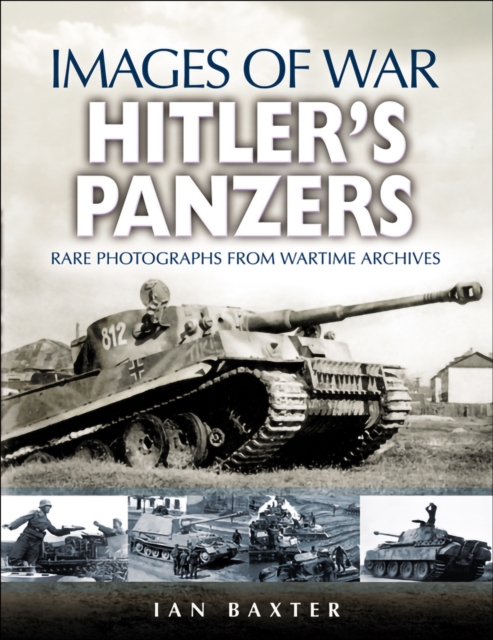
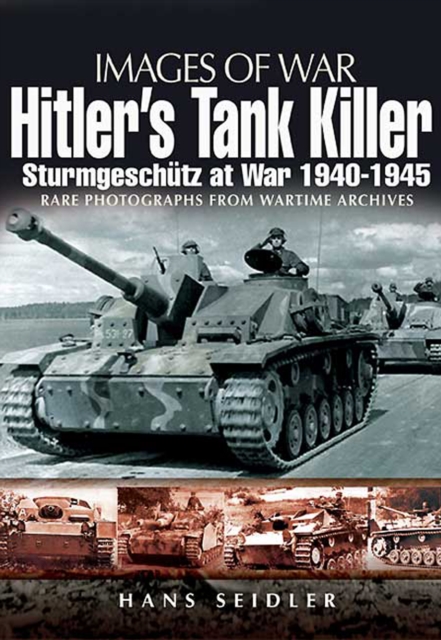
Sturmgeschtz III was originally designed as an assault weapon, but as war progressed it was increasingly used in a defensive role and evolved into an assault gun and tank destroyer.