Winner, 2022 Army Historical Foundation Distinguished Writing Awards, Unit HistoryThis second volume follows on from the first in recounting the WWII history of B Company, 756th Tank Battalion in vivid detail.
A photo-packed account of how the tanks of 4th Armored Division defeated two panzer brigades over eleven days of battle at Arracourt: "e;An enjoyable read.
In addition, it covers cutting-edge tech that will soon be employed by our soldiers: missiles, small arms, biological detection systems, rockets, reconnaissance systems, radios, planes, bows and arrows (believe it or not).
Military demolitions are the destruction by fire, water, explosive, and mechanical means of areas, structures, facilities, or materials to accomplish a military objective.
Following the 1952 reorganization of the Portuguese Air Force from the army and naval air arms, Portugal now had an entity dedicated solely to aviation that would bring it into line with its new NATO commitment.
Biosecurity comprehensively analyzes the dramatic transformations that are reshaping how the international community addresses biological weapons and infectious diseases.
The National Maritime Museum in Greenwich houses the largest collection of scale ship models in the world, many of which are contemporary artifacts made by the craftsmen of the navy or the shipbuilders themselves, ranging from the mid-seventeenth century to the present day.
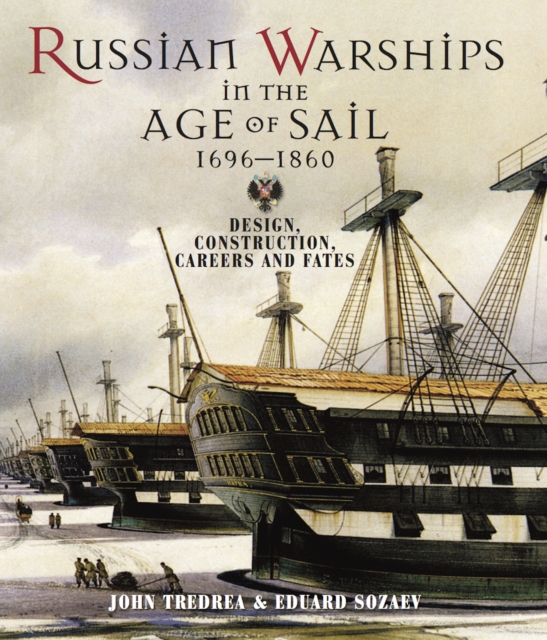
Peter the Great created the Russian navy from nothing, but it soon surpassed Sweden as the Baltic naval power, while in the Black Sea it became an essential tool in driving back the Ottoman Turks from Europe.
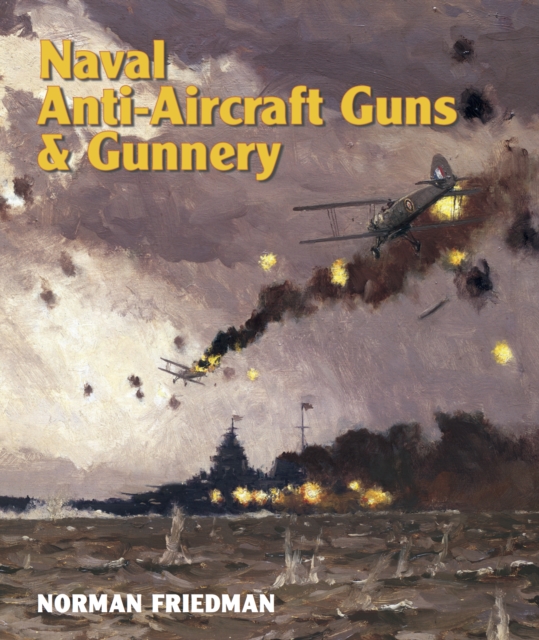
This book does for naval anti-aircraft defense what Friedman's Naval Firepower did for surface gunnery - it makes a highly complex but historically crucial subject accessible to the layman.
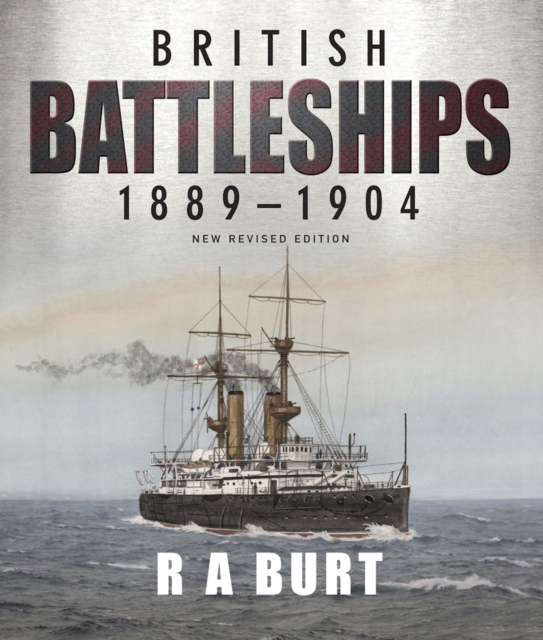
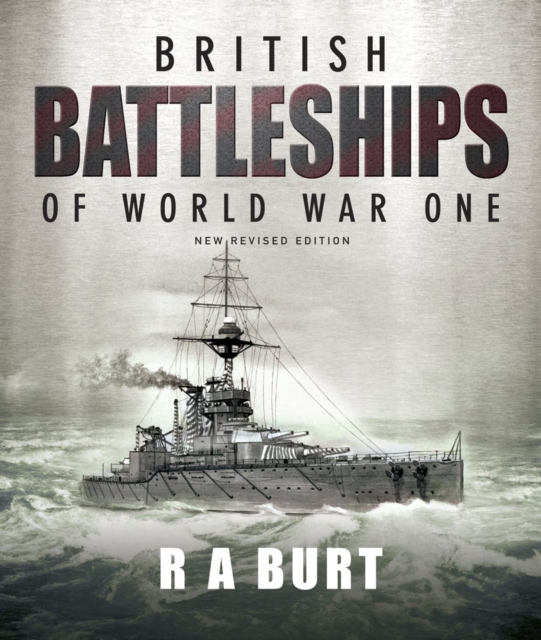
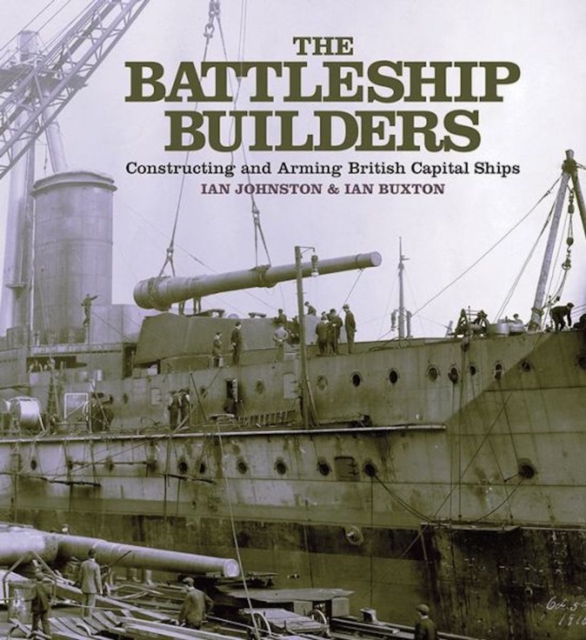
The launch in 1906 of HMS Dreadnought, the world's first all-big-gun battleship, rendered all existing battle fleets obsolete while at the same time wiping out the Royal Navy's numerical advantage.
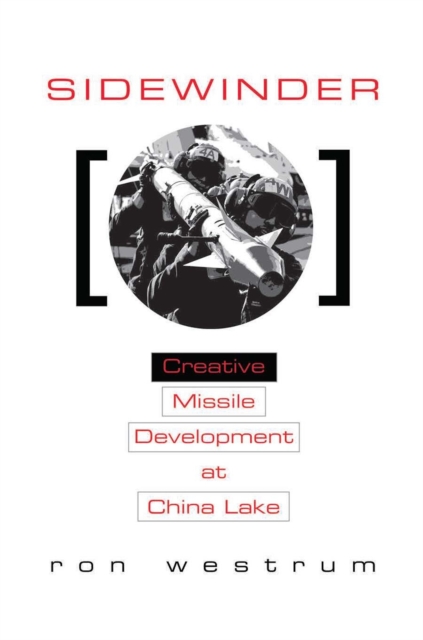
In the mid-1950s a small group of overworked, underpaid scientists and engineers on a remote base in the Mojave Desert developed a weapon no one had asked for but everyone in the weapons industry desired.
In the wake of California's energy crisis, policymakers' rush to satisfy growing demand requirements may run the risk of naively ignoring the larger issues and dangers associated with increased reliance on nuclear power.
While the world’s attention is focused on the nuclearization of North Korea and Iran and the nuclear brinkmanship between India and Pakistan, China is believed to have doubled the size of its nuclear arsenal, making it “the forgotten nuclear power,” as described in Foreign Affairs.
While the world’s attention is focused on the nuclearization of North Korea and Iran and the nuclear brinkmanship between India and Pakistan, China is believed to have doubled the size of its nuclear arsenal, making it “the forgotten nuclear power,” as described in Foreign Affairs.
In a theater of war long forgotten and barely even known at the time, James Harry Hantzis and his fellow soldiers labored at a thankless task under oppressive conditions.
An "e;unusually well-detailed"e; pictorial history of the entire class of vehicles including the Hornisse, Jagdpanzer 38, Jagdpanzer IV, and Elefant (AMPS).
Throughout the Second World War, a shift occurred in the composition of the large armored units of armies which lead to an increase in the power of their tanks in particular.
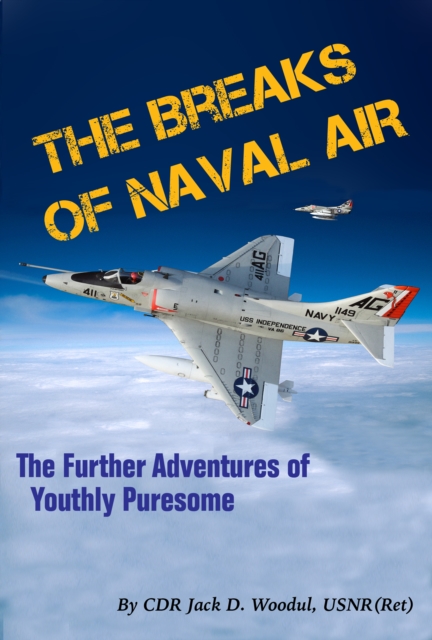
March 8, 1990: An intoxicated three-man crew, including Flight Engineer Joseph Balzer, fly a Northwest Airlines Boeing 727 with 91 passengers aboard from Fargo, North Dakota to Minneapolis, Minnesota.