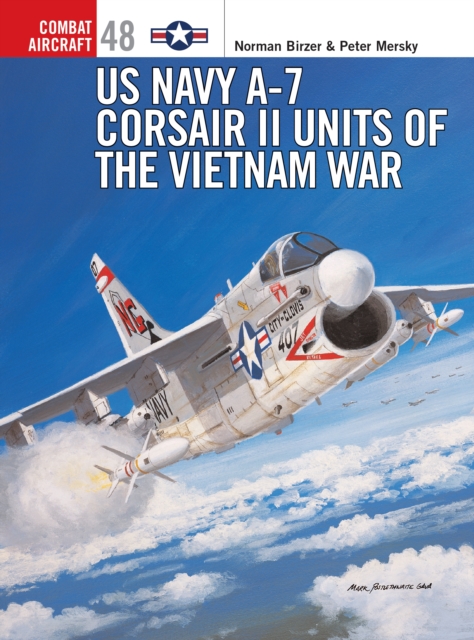
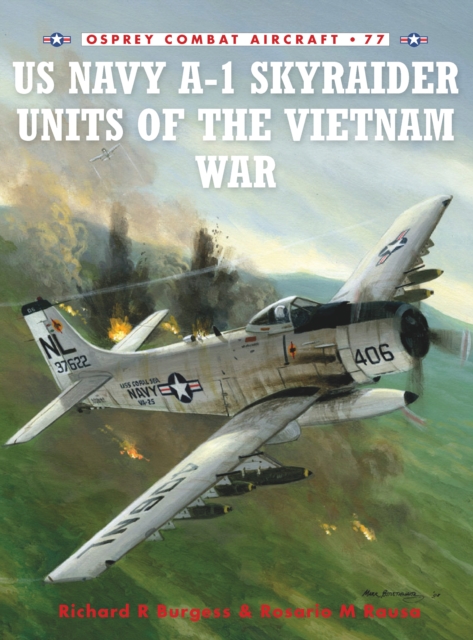
Arriving on station with the USS Ranger (CVA-61) in early December 1967, the first Corsair II squadron became operational immediately and sustained its first combat loss three weeks later.
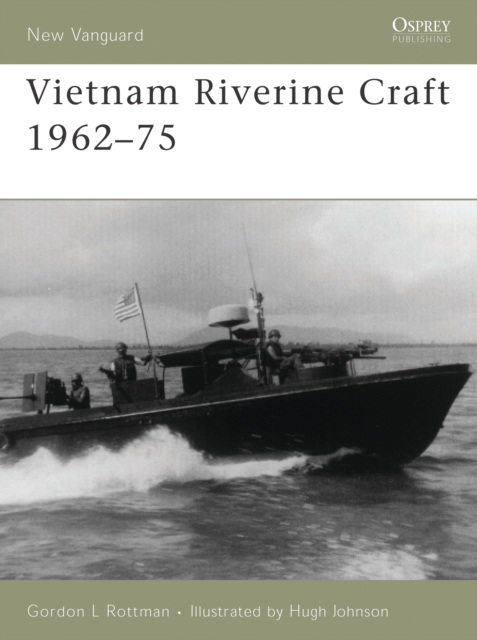
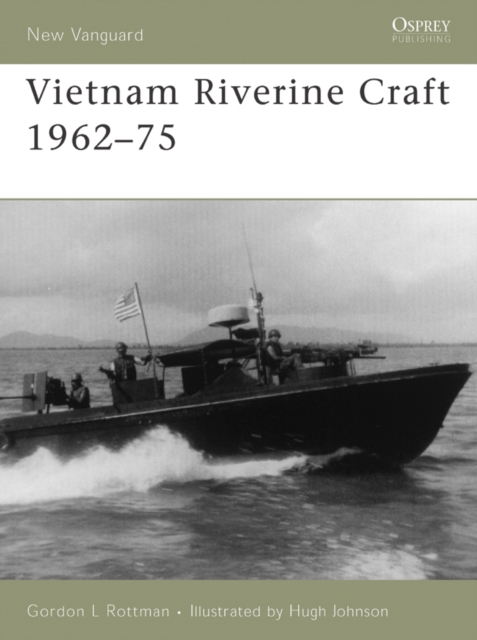
In 1965 the military situation in the Mekong River Delta of southern Vietnam had deteriorated so much that the decision was made to commit a joint US Army and Navy Mobile Riverine Force to the area.
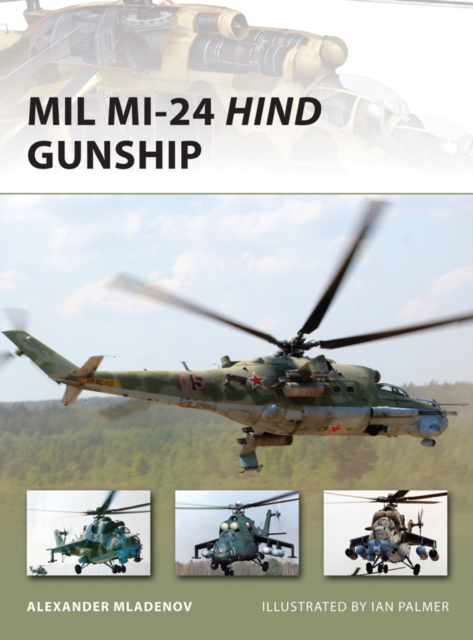
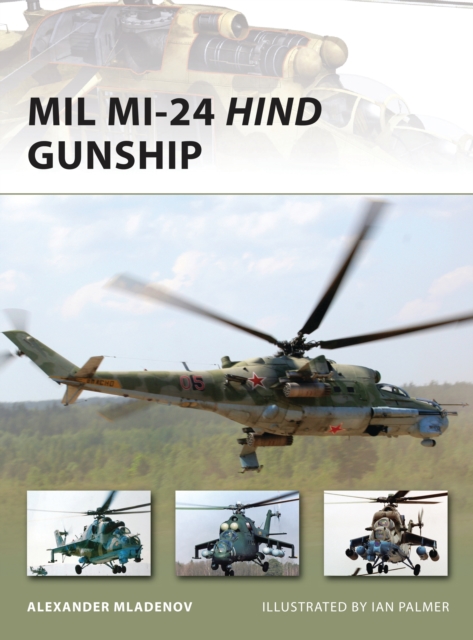
With its distinctive double-cockpit design, the Mi-24 'Hind' is arguably the most recognizable war machine of the Cold War, and has achieved near-legendary status in the annals of military history.
In 1965 the military situation in the Mekong River Delta of southern Vietnam had deteriorated so much that the decision was made to commit a joint US Army and Navy Mobile Riverine Force to the area.
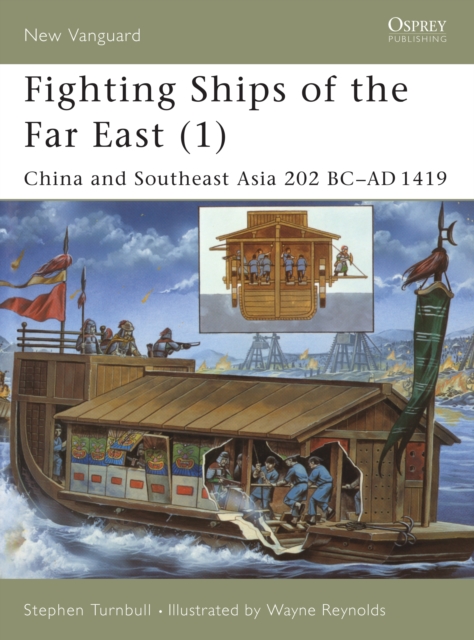
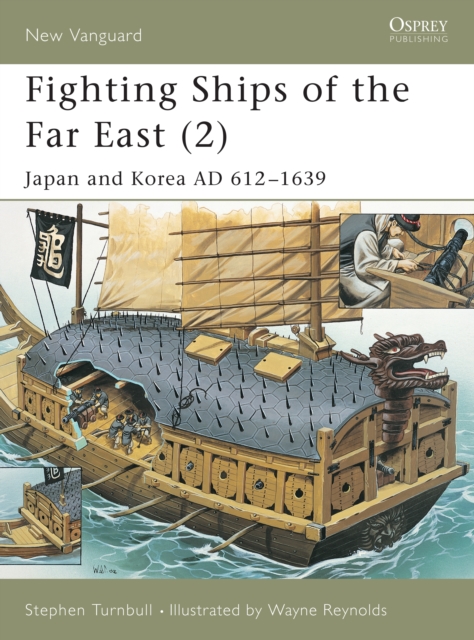
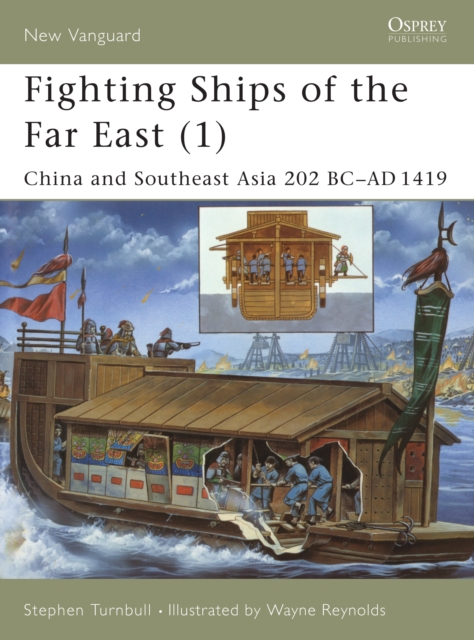
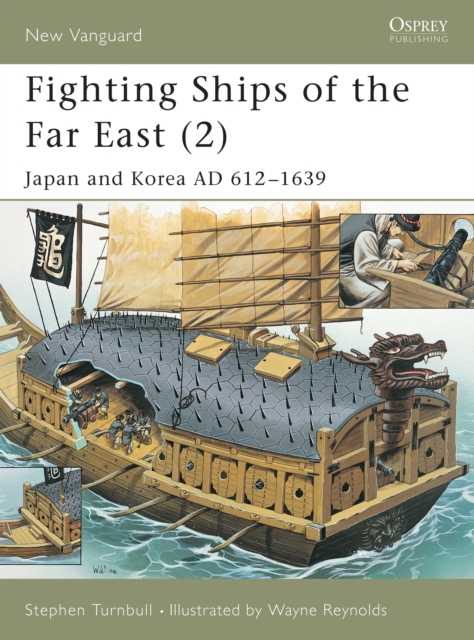
Authored by an expert on Southeast Asian history, an illustrated addition to the hitherto small corpus of knowledge about a fascinating and little known subject.
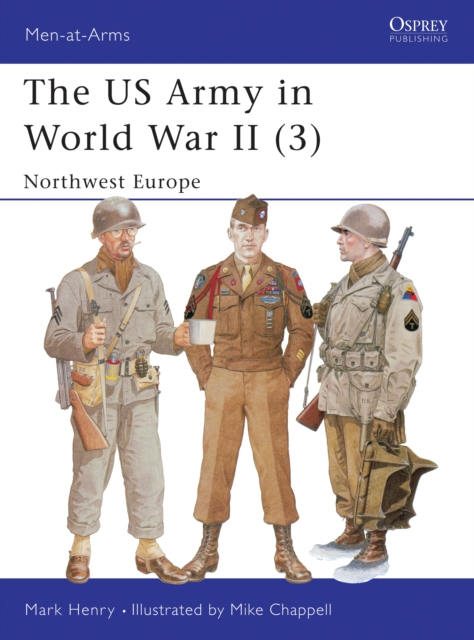
The GIs who struggled ashore through the surf of Omaha and Utah Beaches on 6 June 1944 were members of the best-equipped army ever assembled up to that date.
Authored by an expert on Southeast Asian history, an illustrated addition to the hitherto small corpus of knowledge about a fascinating and little known subject.
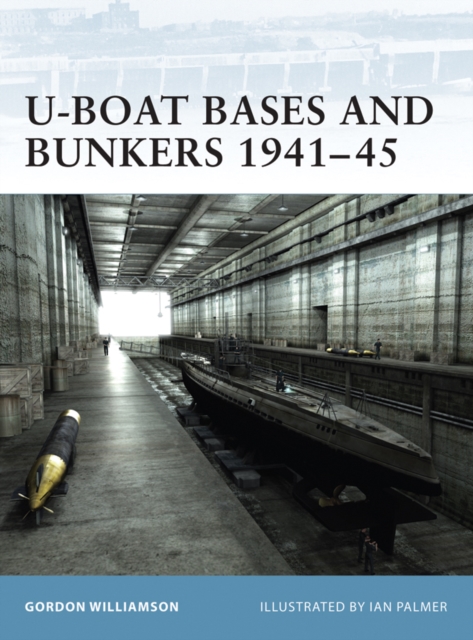
Few of the massive military structures built by Germany during World War II are as impressive as the U-Boat bases and bunkers in Germany, Norway and France.
With its distinctive double-cockpit design, the Mi-24 'Hind' is arguably the most recognizable war machine of the Cold War, and has achieved near-legendary status in the annals of military history.
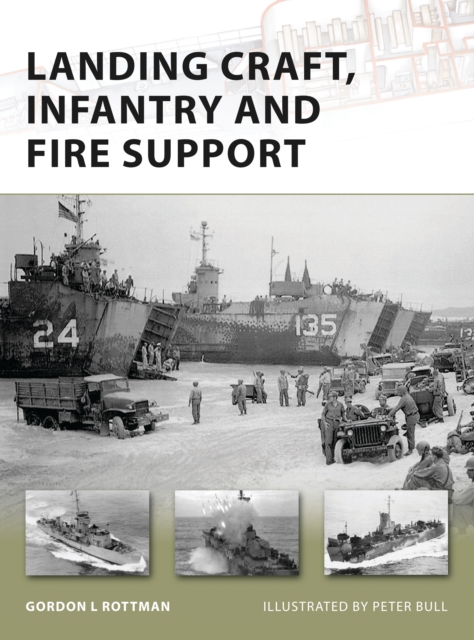
Described by one soldier as a metal box designed by a sadist to move soldiers across the water, the Landing Craft, Infantry was a large beaching craft intended to deliver an infantry company to a hostile shore, once the beachhead was secured.
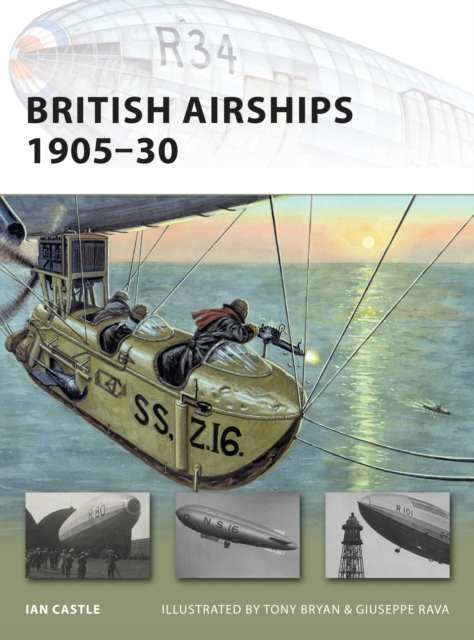
This book reveals the fascinating story of the cat and mouse duel between the airship and another pioneering form of technology the submarine - during World War 1.
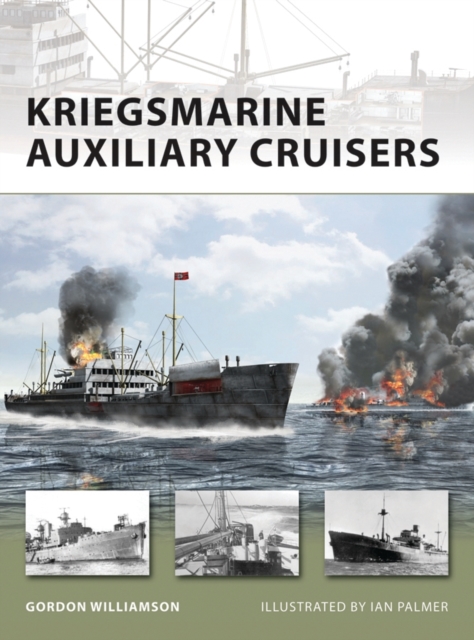
Despite being relatively unknown compared to famous ships like Graf Spee or Bismarke, or the more famous U-boats, the Auxiliary Cruisers were immensely successful, not only in the number of enemy ships they sank, but in the resources which were tied up trying to track them down.
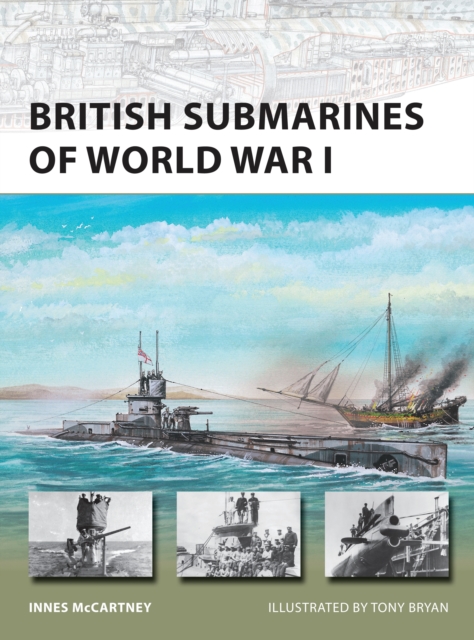
As the major powers engaged in an arms race in the early years of the 20th century, the Admiralty was tasked with developing that deadly stalker of the high seas the submarine.
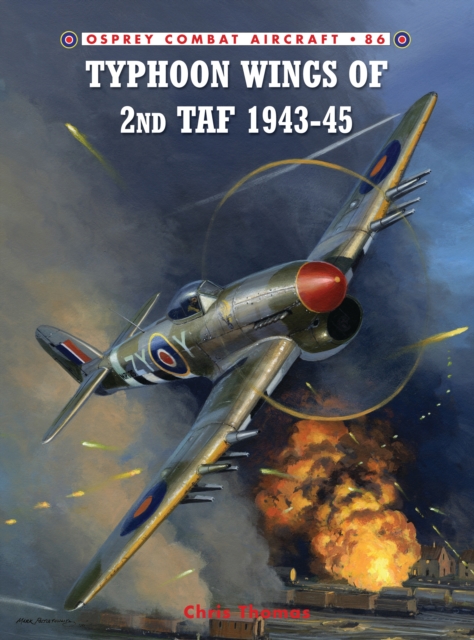
In this book, aviation expert Chris Thomas - inspired to research Typhoons by his own father, who flew numerous raids in a Typhoon during World War 2 - extols the great importance of the Typhoon wings in the ultimate Allied victory in Europe.
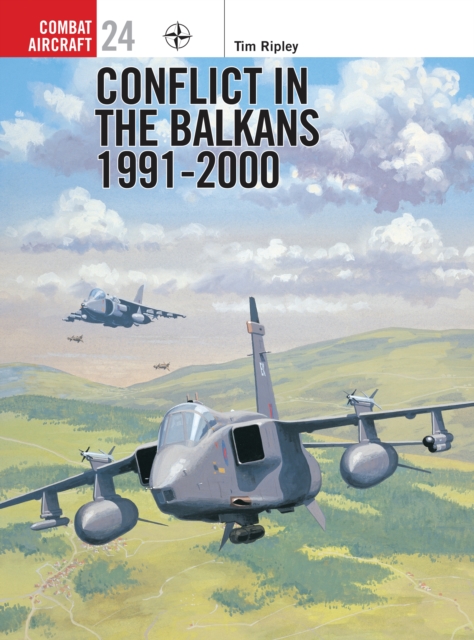
Exposing the true scale and significance of the deployment of air power in the Balkans, this book details the activities of NATO and UN aircraft as well as local pilots in the former Yugoslavia.
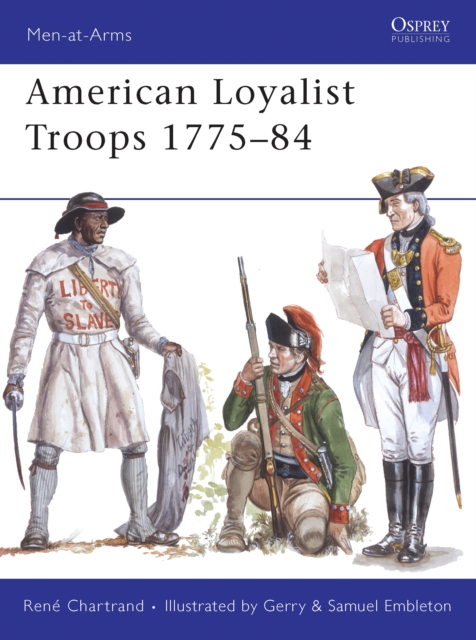
To celebrate the 450th title in the Men-at-Arms series, this book examines in unprecedented depth the units and the uniforms of a still-controversial army: the many thousands of American colonists who chose to fight for King George during the Revolution.
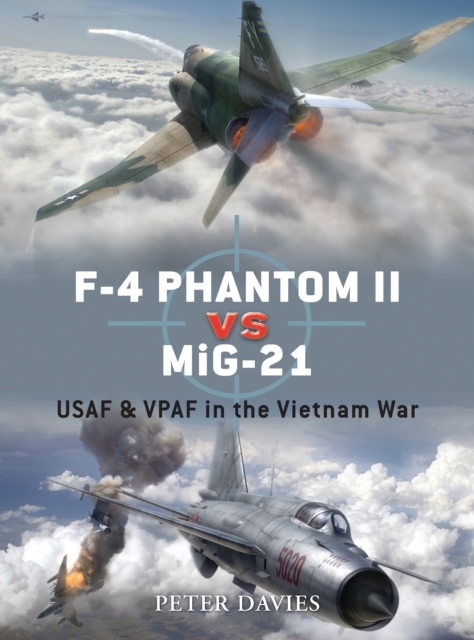
A gripping account of the mighty F-4 Phantom II, icon of the Cold War and ultimate American fighter of the 1960s, versus the nimble, agile and abundant MiG-21, which was a communist icon of the period.
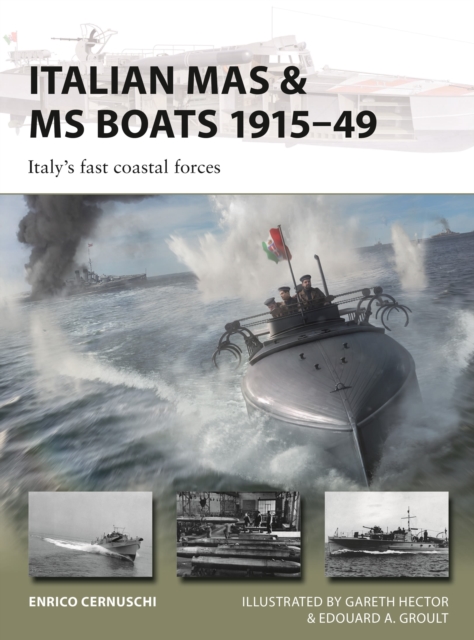
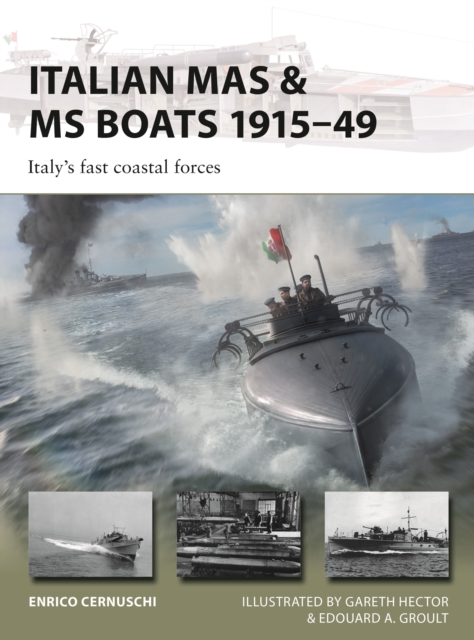
An illustrated history of the motor torpedo boats of Italy's fast coastal forces, from their raids on enemy battleships in World War I to the dashing campaigns of World War II.
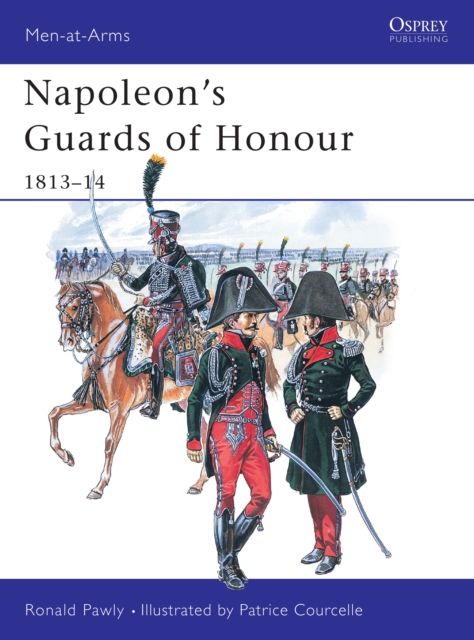
One of the least understood of Napoleon's corps were the four regiments of Gardes d'honneur, raised in 1813 during the frantic rebuilding of the French cavalry after the huge losses in Russia.
An illustrated history of the motor torpedo boats of Italy's fast coastal forces, from their raids on enemy battleships in World War I to the dashing campaigns of World War II.