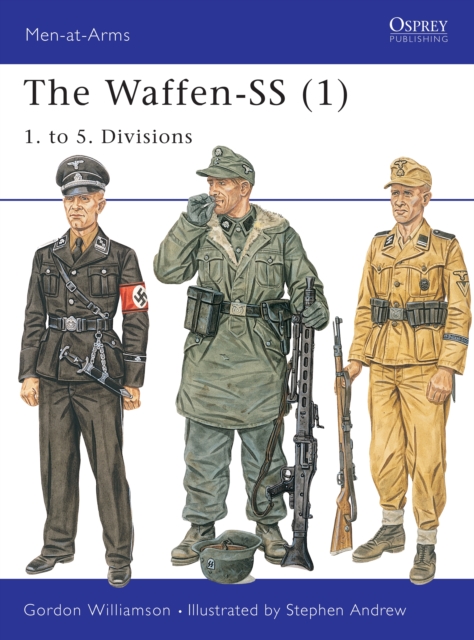
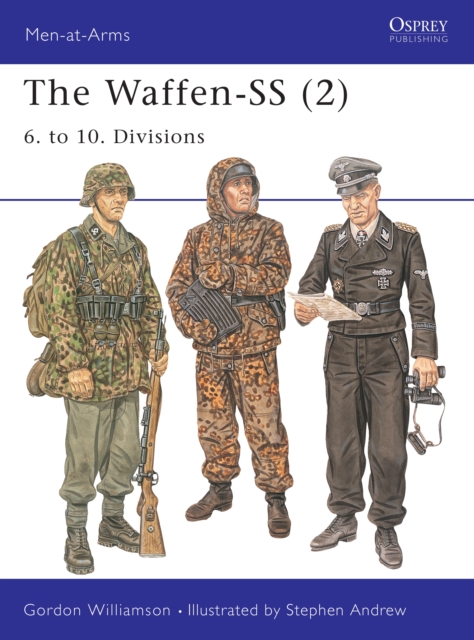
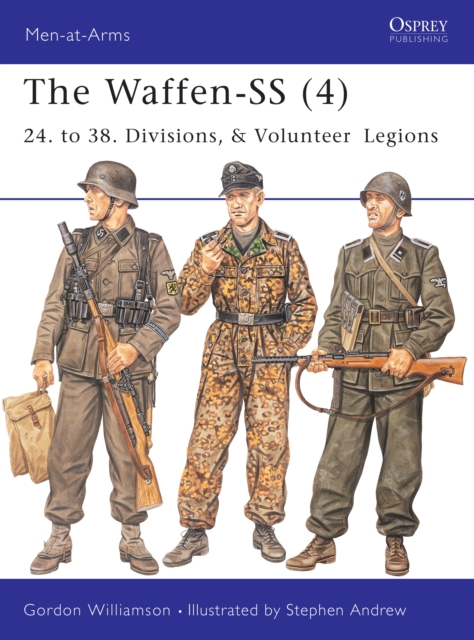
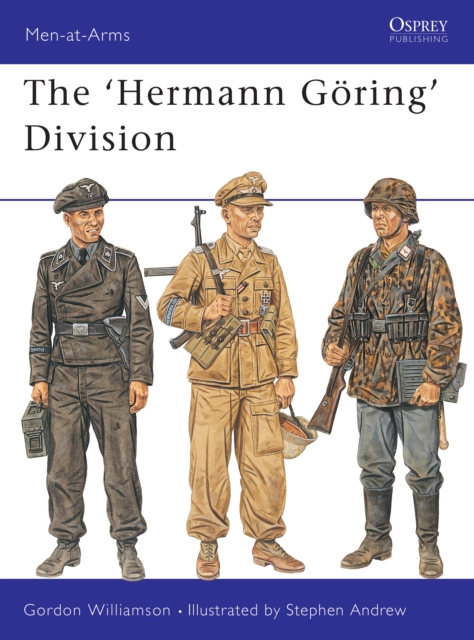
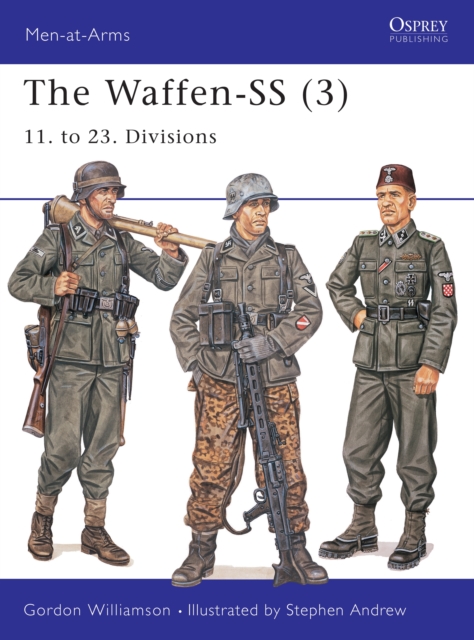
The military branch of the Nazi SS security organisation grew from only a handful of battalions at the outbreak of war in 1939 to hundreds of thousands of troops in dozens of divisions.
The military branch of the Nazi SS security organisation grew by the end of World War II from a handful of poorly regarded infantry battalions in 1939, into a force of more than 30 divisions including units of every type.
Each of Germany's World War II armed services could claim one unit which earned a unique combat reputation, and which consequently was enlarged and developed far beyond the size originally planned.
The Waffen-SS grew from a handful of obscure infantry battalions in 1939, to a force of more than 30 divisions by the end of World War II, including units of every type and every level of battlefield value.
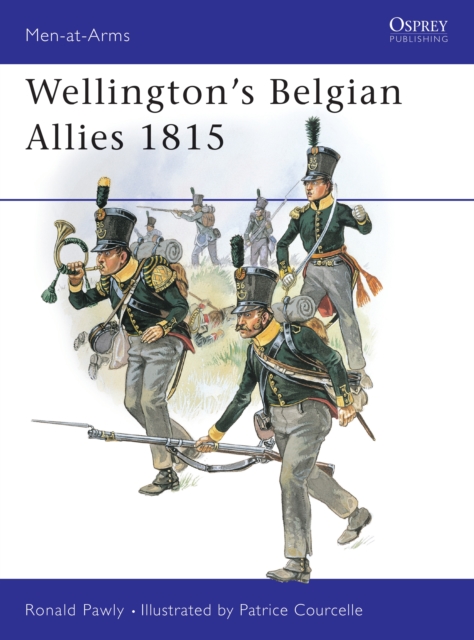
The army commanded by the Duke of Wellington at Quatre-Bras and Waterloo included two infantry divisions and three cavalry brigades of the newly-unified Netherlands (or 'Dutch-Belgian') army.
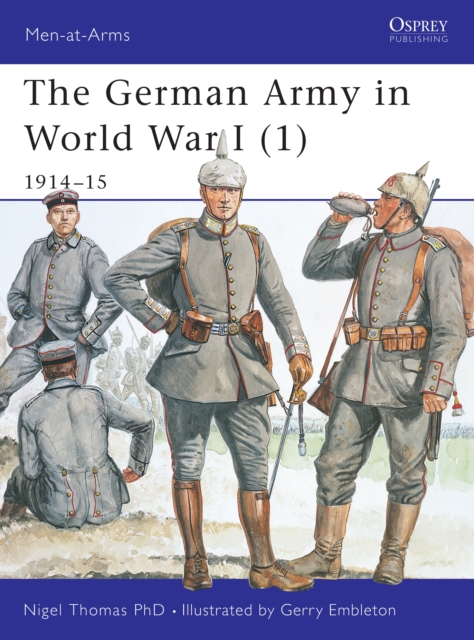
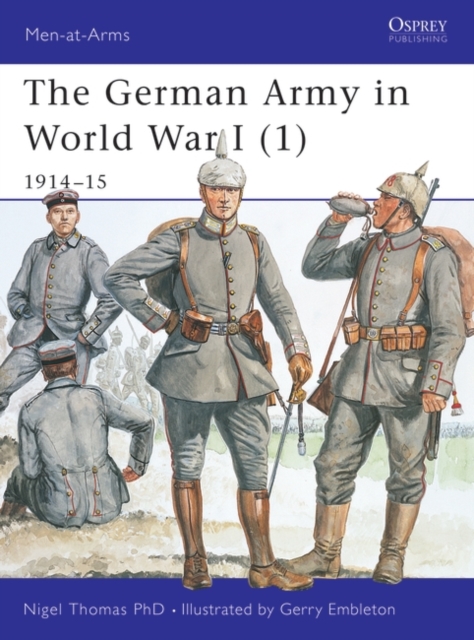
In August 1914 the mobilization of Imperial Germany's 800,000-strong army ushered in the first great war of the modern age - a war which still stands as the greatest slaughter of soldiers in history.
In August 1914 the mobilization of Imperial Germany's 800,000-strong army ushered in the first great war of the modern age - a war which still stands as the greatest slaughter of soldiers in history.
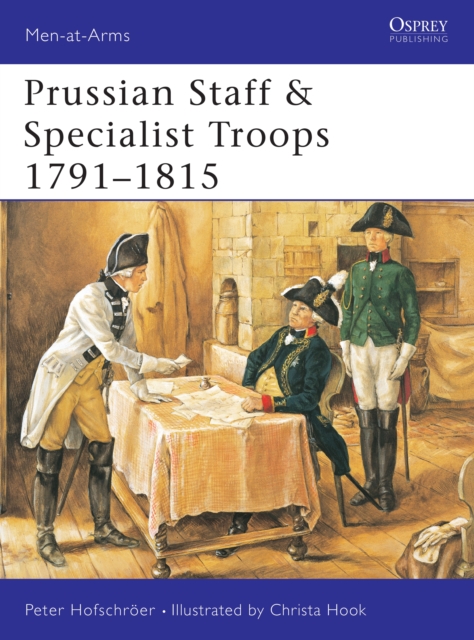
The origins of what would become the German General Staff of the late 19th and 20th centuries - probably the most professional military machine in the world - can be traced to the Prussian Army of the French Revolutionary and Napoleonic Wars.
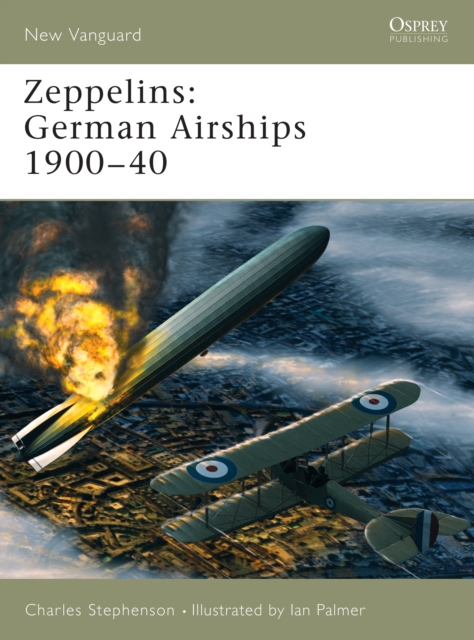
On 2 July 1900 the people of Friedrichshafen, Germany, witnessed a momentous occasion - the first flight of LZ 1, Count Ferdinand von Zeppelin's first airship.
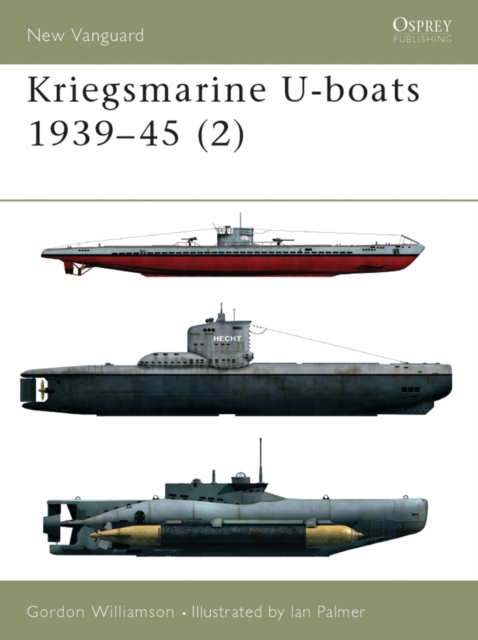
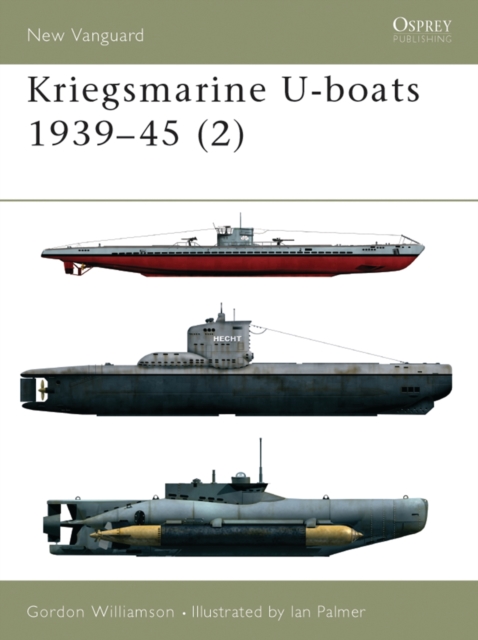
Following on from New Vanguard 51: Kriegsmarine U-boats 1939 45 (1), this book charts the continuing development of the U-boat in German service, including the evolution of the Type IX as a long range 'cruiser' intended for solo operations in distant waters.
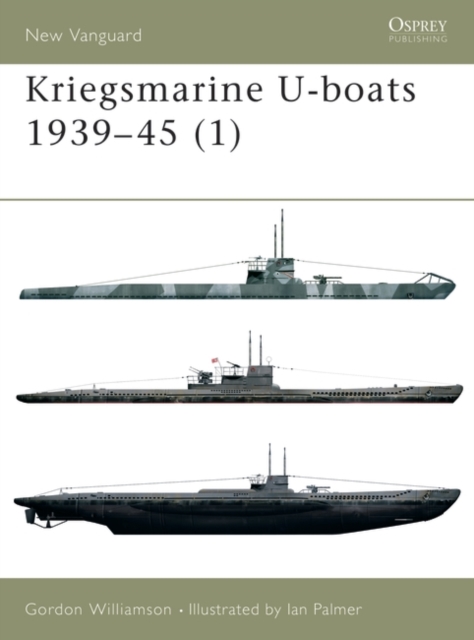
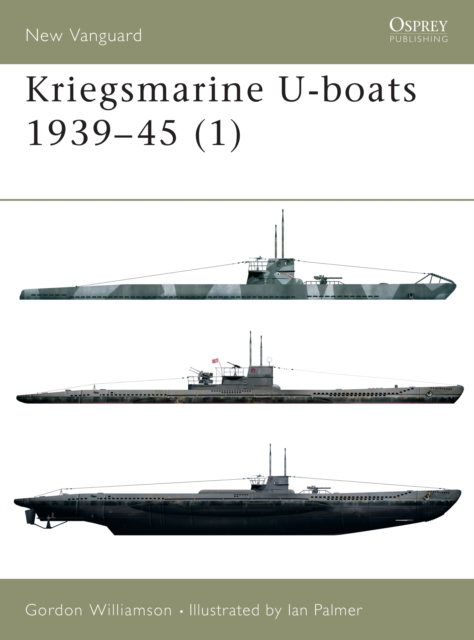
This, the first of two volumes on Germany's World War II U-boats, traces their development from the early U-boats of the Kaiser's Navy, culminating in the formation of the 1st U-boat Flotilla in 1935 with the modern Type II.
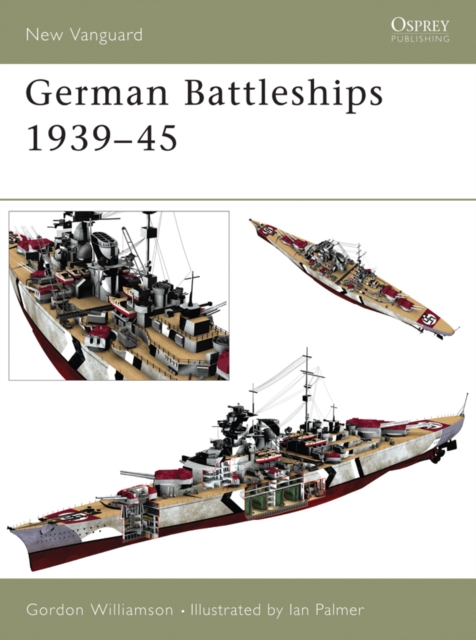
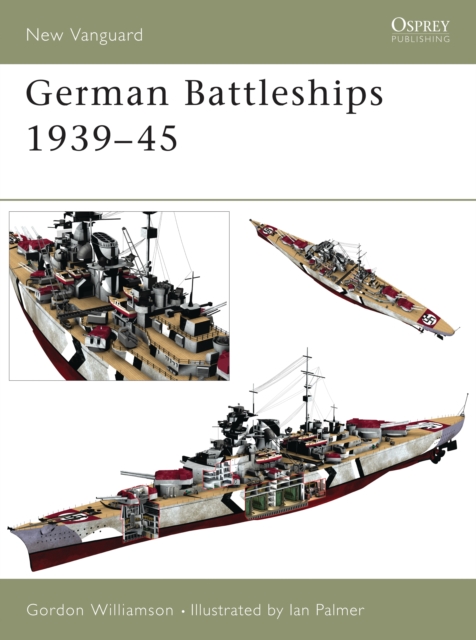
By the outbreak of World War II, Germany had done much to replace the Kaiser's High Seas Fleet, which was scuttled following their surrender at the end of World War I.
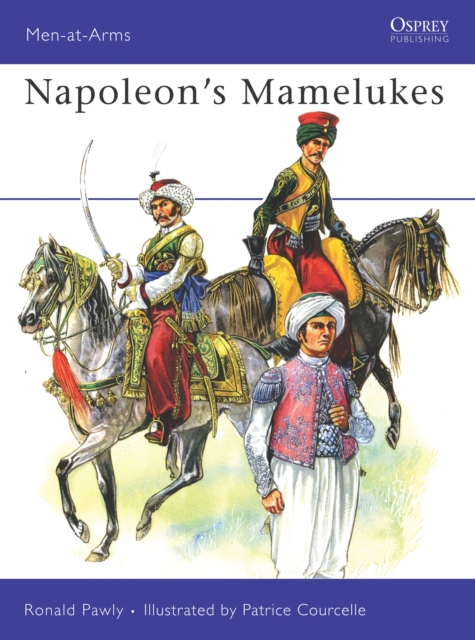
A key part of Napoleon's Imperial Guard were undoubtedly the Mamelukes the bodyguard of Turkish cavalry which remained with his Mounted Chasseurs regiment throughout the First Empire.
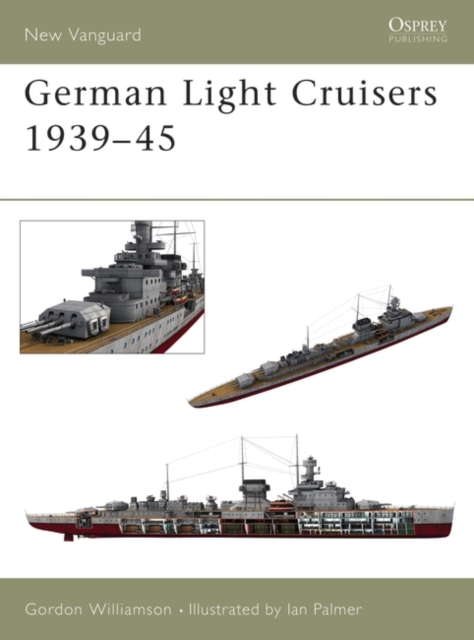
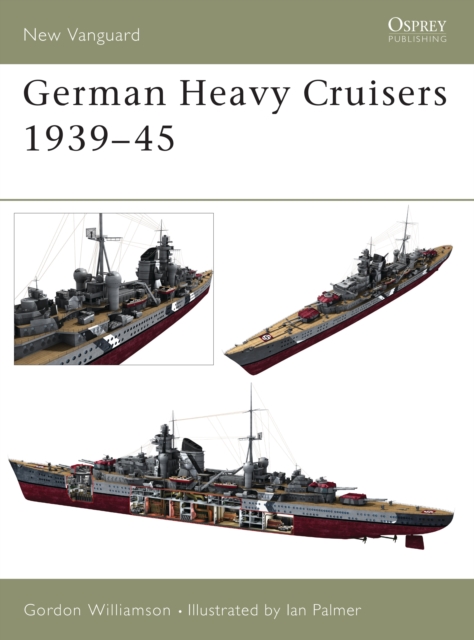
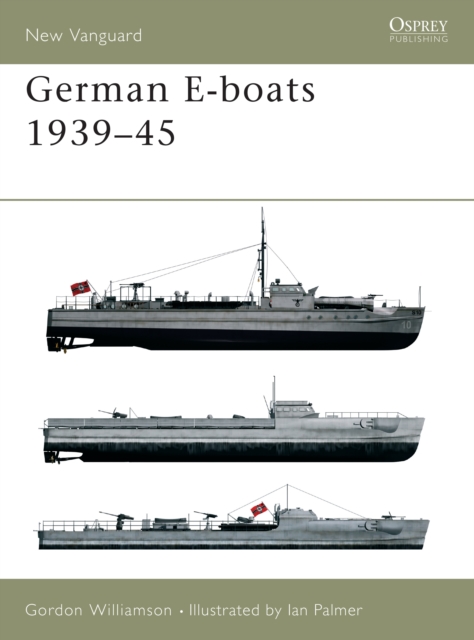
The development of this excellent and successful class of warship only became possible after the Anglo-German naval agreement of 1935 eased restrictions on the types of ship Germany could build.
Following on from New Vanguard 51: Kriegsmarine U-boats 1939 45 (1), this book charts the continuing development of the U-boat in German service, including the evolution of the Type IX as a long range 'cruiser' intended for solo operations in distant waters.
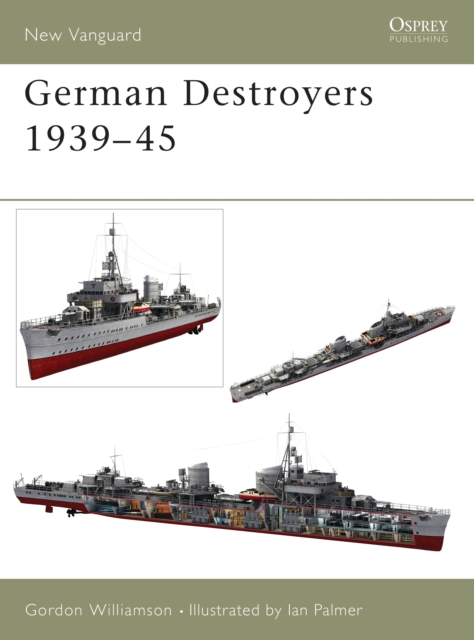
The German destroyer fleet of World War II consisted of nine classes: the Diether Von Roeder Class, the Leberecht Maas Class and the wartime classes Z23, Z35, Z37, Z40, Z43, Z46 and Z52.
This, the first of two volumes on Germany's World War II U-boats, traces their development from the early U-boats of the Kaiser's Navy, culminating in the formation of the 1st U-boat Flotilla in 1935 with the modern Type II.
By the outbreak of World War II, Germany had done much to replace the Kaiser's High Seas Fleet, which was scuttled following their surrender at the end of World War I.
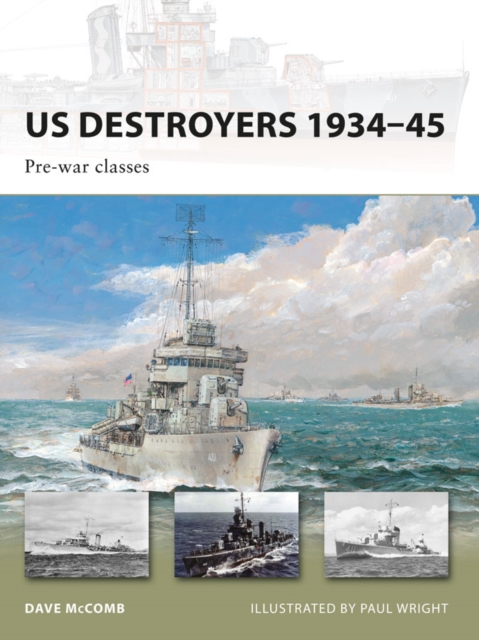
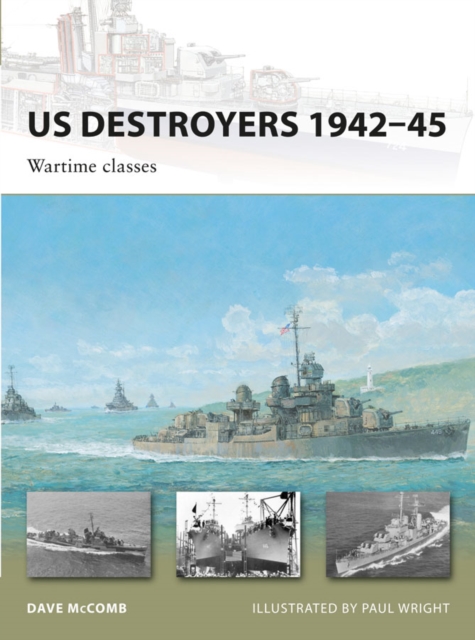
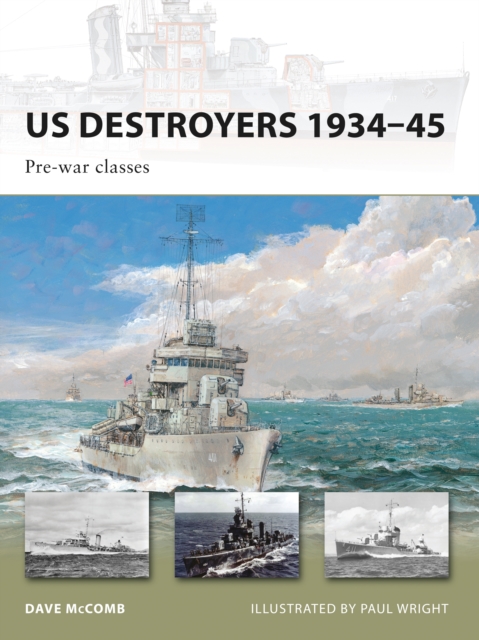
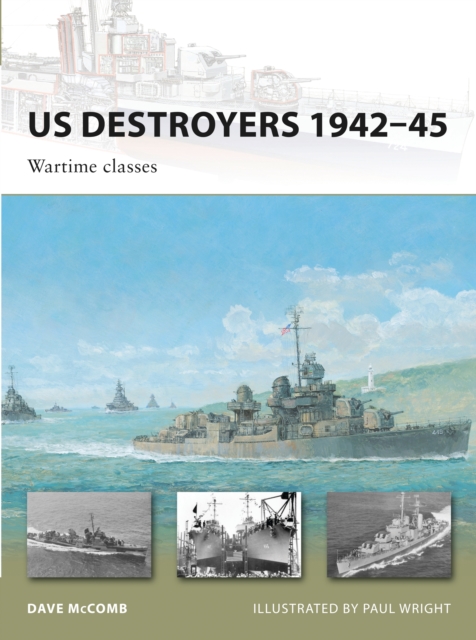
Since the beginning of the 20th century, destroyers have been all-purpose ships, indispensable from delivering the mail at sea to screening other vessels and, where larger ships were not present, forming the front line in battle.
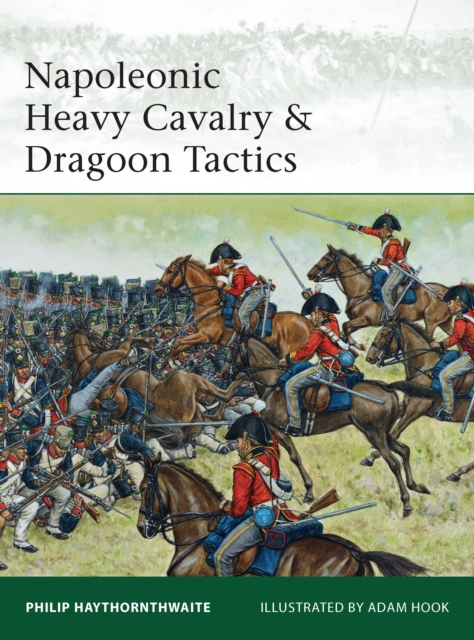
During the Napoleonic Wars the supreme battlefield shock weapon was the heavy cavalry the French cuirassiers, and their British, Austrian, Prussian and Russian counterparts.
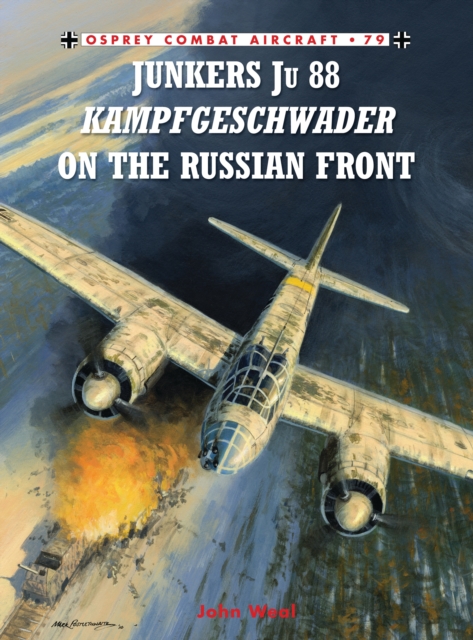
Written and illustrated by Luftwaffe expert John Weal, this book completes Osprey's trilogy on one of the most important German aircraft of World War II.
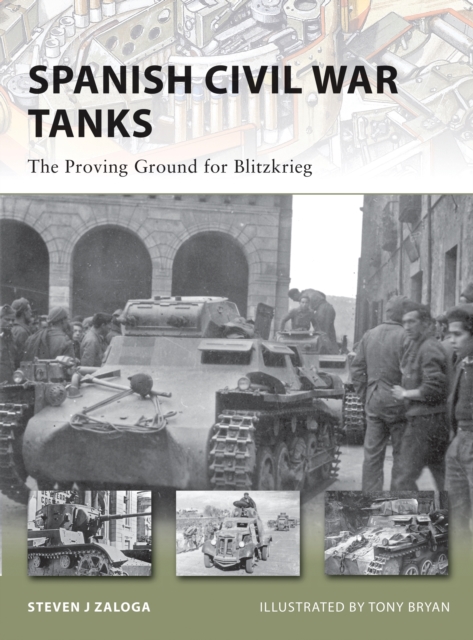
The tanks used during the Spanish Civil War are not often examined in any great detail, and are often labeled as little more than test vehicles in a convenient proving ground before World War II.
Since the beginning of the 20th century, destroyers have been all-purpose ships, indispensable from delivering the mail at sea to screening other vessels and, where larger ships were not present, forming the front line in battle.
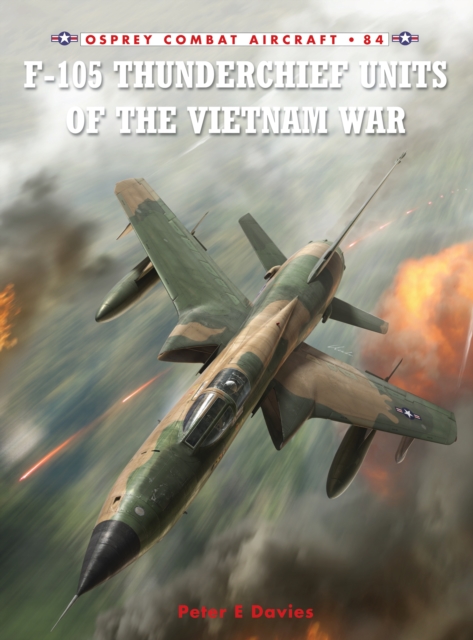
The combat history of the F-105 Thunderchief units during the Vietnam War, detailing the strengths and weaknesses of the aircraft, and the difficulties it faced during many months of dangerous combat.
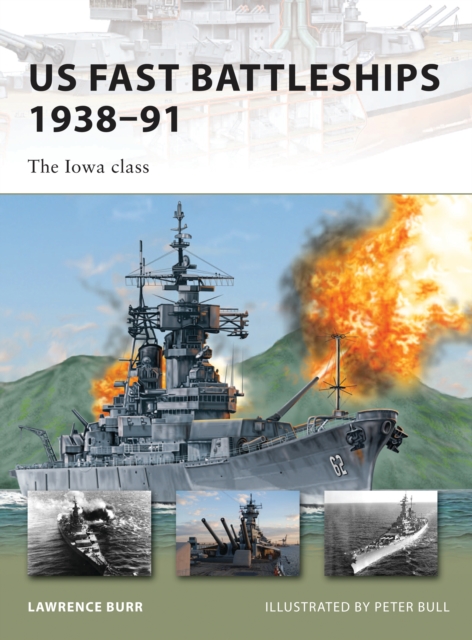
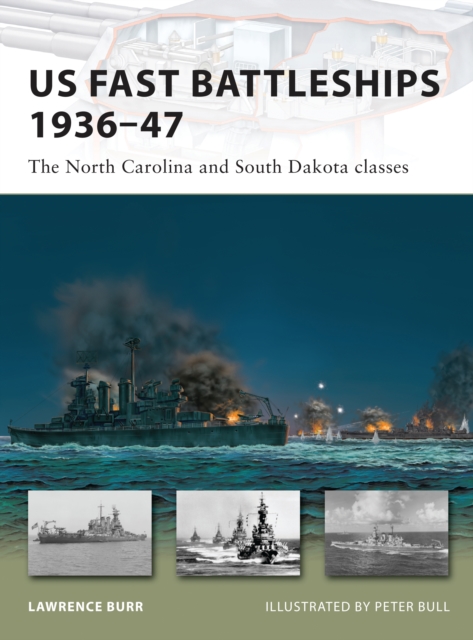
This compact, illustrated guide examines the design, construction, and operation of the first six of the ten US fast battleships, two of the North Carolina class and four of the South Dakota class.
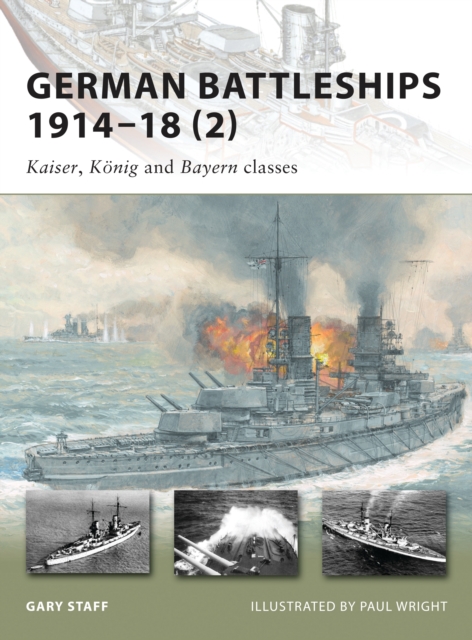
The design and development of the key dreadnought classes for the German Imperial Navy and their deployment in World War I, including the great clash of dreadnoughts at the Battle of Jutland and operations in the Baltic.