In 2008, the iconic doomsday clock of the Bulletin of the Atomic Scientistswas set at five minutes to midnight-two minutes closer to Armageddon than in 1962, when John F.
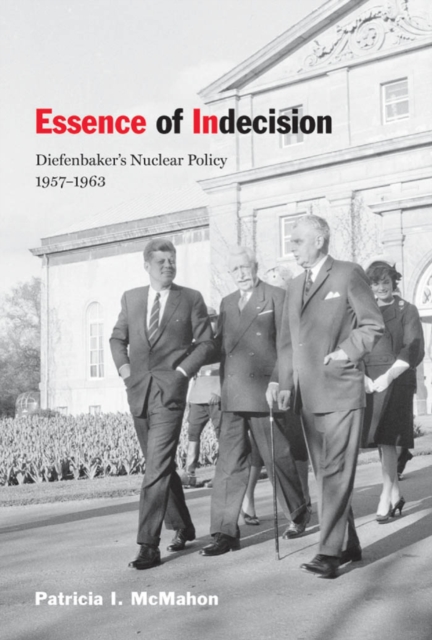
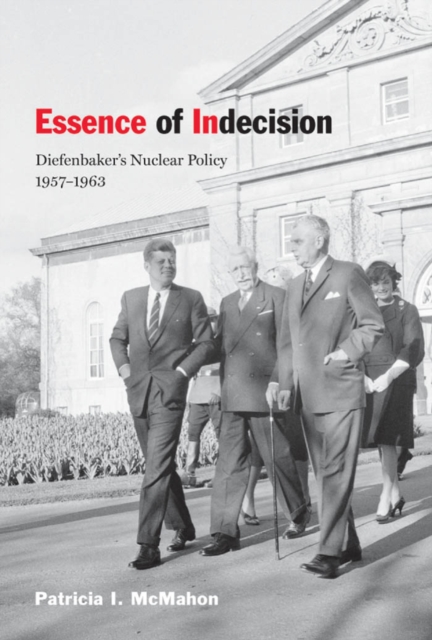
Tracing Diefenbaker's deliberations over nuclear policy, McMahon shows that Diefenbaker was politically cautious, not indecisive - he wanted to acquire nuclear weapons and understood from public opinion polls that most Canadians supported this position.
Tracing Diefenbaker's deliberations over nuclear policy, McMahon shows that Diefenbaker was politically cautious, not indecisive - he wanted to acquire nuclear weapons and understood from public opinion polls that most Canadians supported this position.
In Power versus Prudence Paul develops a prudential-realist model, arguing that a nation's national nuclear choices depend on specific regional security contexts: the non-great power states most likely to forgo nuclear weapons are those in zones of low and moderate conflict, while nations likely to acquire such capability tend to be in zones of high conflict and engaged in protracted conflicts and enduring rivalries.
Arguing that previous critiques of rational choice and deterrence theory are not convincing, Frank Harvey constructs a new set of empirical tests of rational deterrence theory to illuminate patterns of interaction between rival nuclear powers.
Many years after becoming the youngest person ever to be awarded the VC for attacking a company of Panzer Grenadiers on his own - an action that proved a turning point in one of the major battles of the Second World War - John Kenneally made an extraordinary confession.
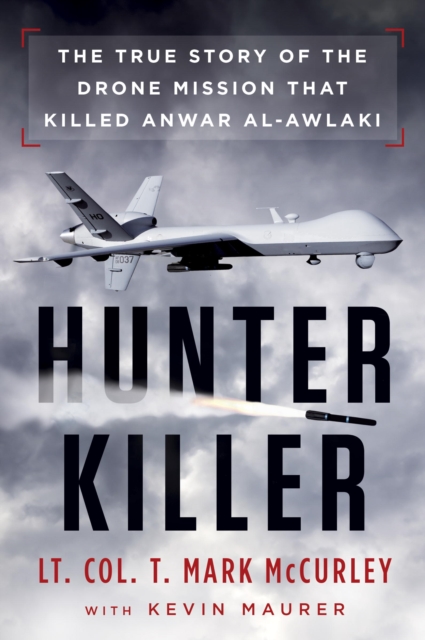
Choice Outstanding Academic Title for 2015One of the most significant and controversial developments in contemporary warfare is the use of unmanned aerial vehicles, commonly referred to as drones.
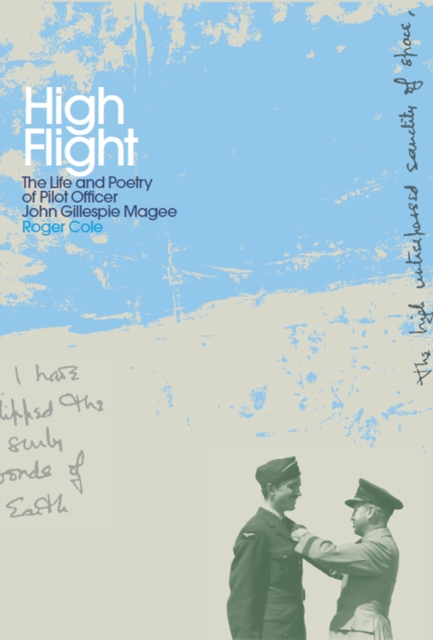
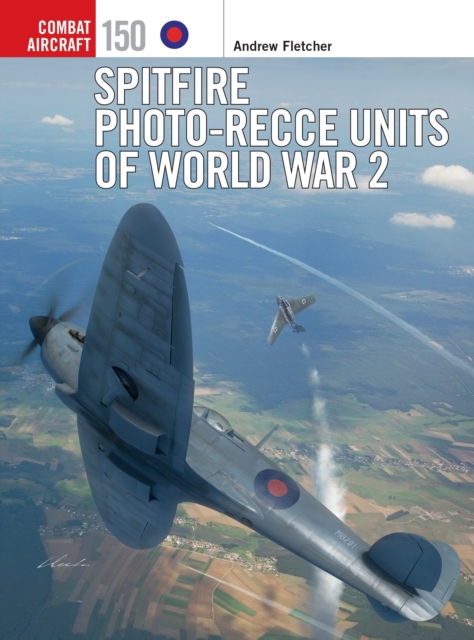
When Second World War Spitfire pilot John Gillespie Magee penned his poem 'High Flight', little did he know that his words would inspire legions of aspiring aviators who had a similar wish to fly their 'eager craft through footless halls of air'.
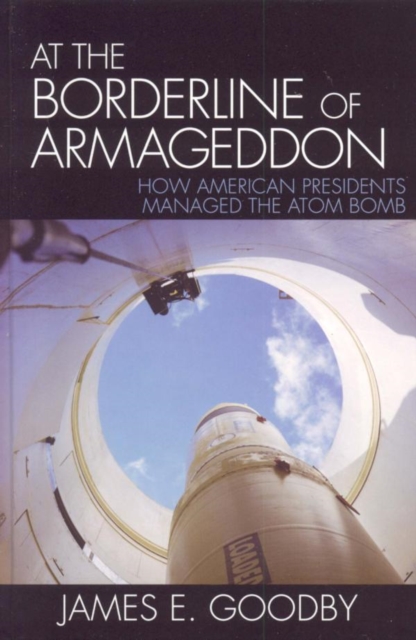
'No previous generation of statesmen has had to conduct policy in so unknown an environment at the border line of Armageddon'-Henry Kissinger Nuclear weapons pose a unique challenge to American foreign policy and the American president in particular.
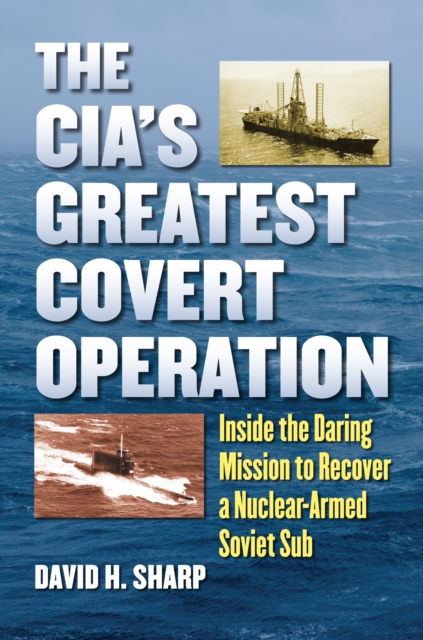
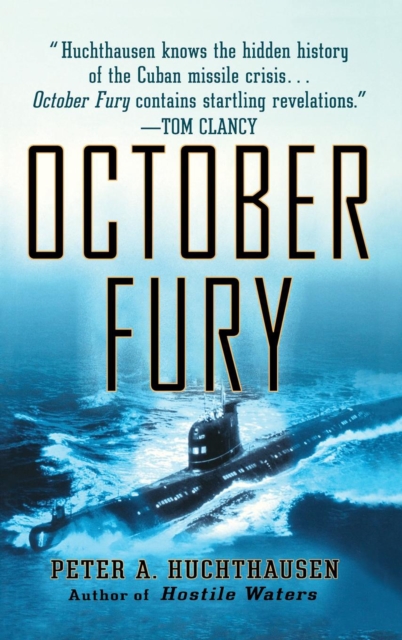
March 1968: three miles below the stormy surface of the North Pacific, a Soviet submarine lay silent as a tomb-its crew dead, its payload of nuclear missiles, once directed toward strategic targets in Hawaii, inoperable.
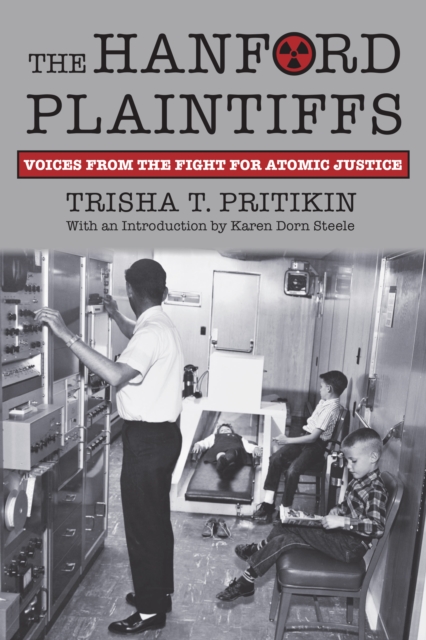
Paris Book Festival, 1st Place, NonfictionNew York Book Festival, 1st Place, General NonfictionLos Angeles Book Festival, 1st Place, Biography / Autobiography / MemoirHollywood Book Festival, 1st Place, Wild Card categoryAmerican Book Fest Best Book Awards, Finalist, US HistoryScreenCraft Cinematic Book Writing Competition, Quarter FinalistNautilus Book Awards, Silver Award, Journalism and Investigative ReportingNew England Book Festival, 1st Place, NonfictionSan Francisco Book Festival, 1st Place, HistoryFor more than four decades beginning in 1944, the Hanford nuclear weapons facility in southeastern Washington State secretly blanketed much of the Pacific Northwest with low-dose ionizing radiation, the byproduct of plutonium production.
Paris Book Festival, 1st Place, NonfictionNew York Book Festival, 1st Place, General NonfictionLos Angeles Book Festival, 1st Place, Biography / Autobiography / MemoirHollywood Book Festival, 1st Place, Wild Card categoryAmerican Book Fest Best Book Awards, Finalist, US HistoryScreenCraft Cinematic Book Writing Competition, Quarter FinalistNautilus Book Awards, Silver Award, Journalism and Investigative ReportingNew England Book Festival, 1st Place, NonfictionSan Francisco Book Festival, 1st Place, HistoryFor more than four decades beginning in 1944, the Hanford nuclear weapons facility in southeastern Washington State secretly blanketed much of the Pacific Northwest with low-dose ionizing radiation, the byproduct of plutonium production.
March 1968: three miles below the stormy surface of the North Pacific, a Soviet submarine lay silent as a tomb-its crew dead, its payload of nuclear missiles, once directed toward strategic targets in Hawaii, inoperable.
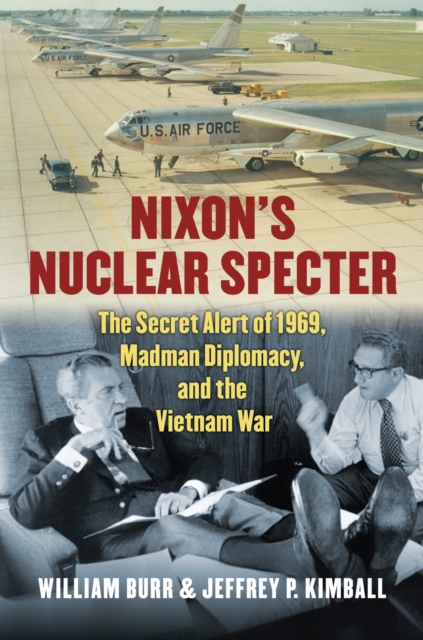
Honorable Mention, Captain Richard Lukaszewicz Memorial Book AwardIn their initial effort to end the Vietnam War, Richard Nixon and Henry Kissinger attempted to lever concessions from Hanoi at the negotiating table with military force and coercive diplomacy.
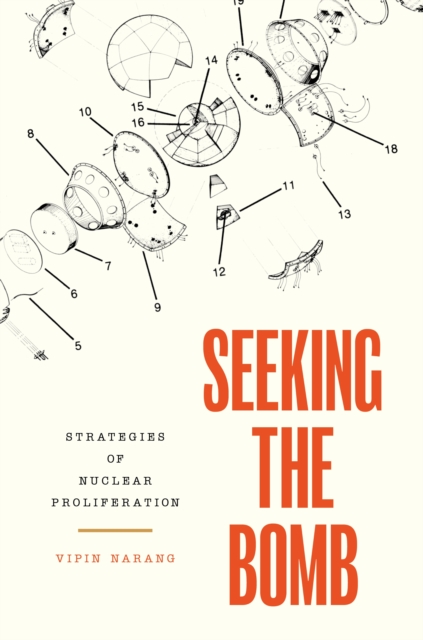
The first systematic look at the different strategies that states employ in their pursuit of nuclear weaponsMuch of the work on nuclear proliferation has focused on why states pursue nuclear weapons.
A multifaceted portrait of the Hiroshima bombing and its many legaciesOn August 6, 1945, in the waning days of World War II, the United States dropped an atomic bomb on the Japanese city of Hiroshima.
A ground-breaking new study that transforms our understanding of one of the most famous battles of the Second World War, widely mythologized as the largest tank battle in history.
A ground-breaking new study that transforms our understanding of one of the most famous battles of the Second World War, widely mythologized as the largest tank battle in history.
Honorable Mention, Captain Richard Lukaszewicz Memorial Book AwardIn their initial effort to end the Vietnam War, Richard Nixon and Henry Kissinger attempted to lever concessions from Hanoi at the negotiating table with military force and coercive diplomacy.
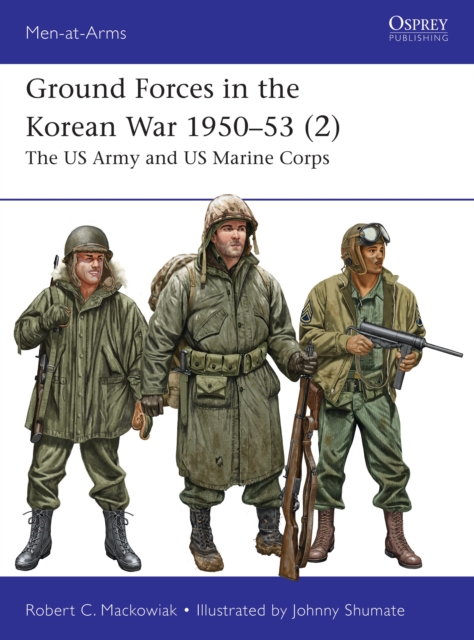
This study of the evolving uniforms and personal equipment used by US ground forces in the Korean War features new full-color artwork and previously unpublished photographs.
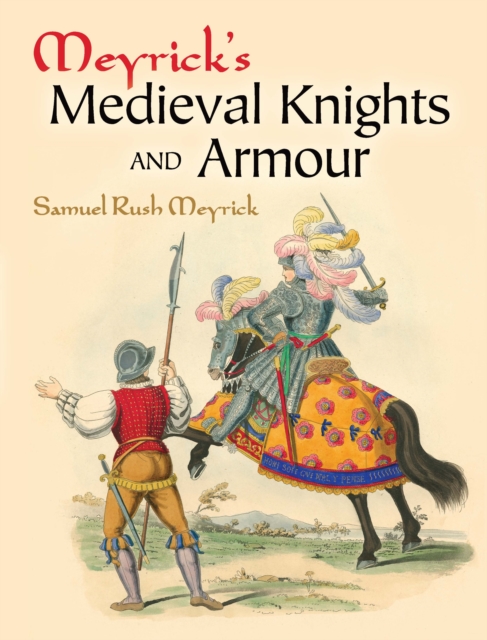
Captivated by military antiquities, English scholar Samuel Rush Meyrick (17831848) pursued a lifelong passion for studying and collecting medieval armory.
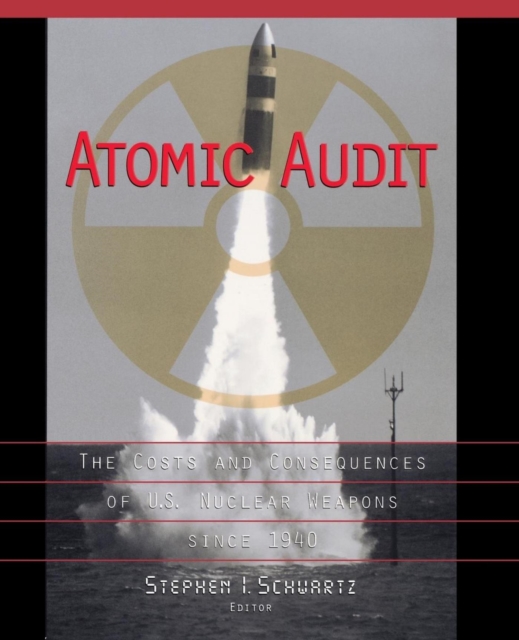
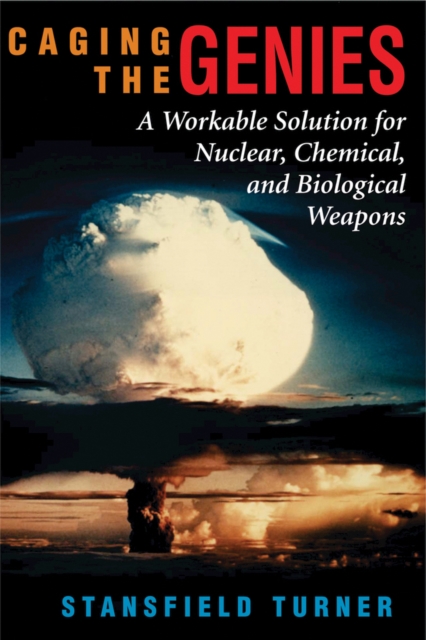
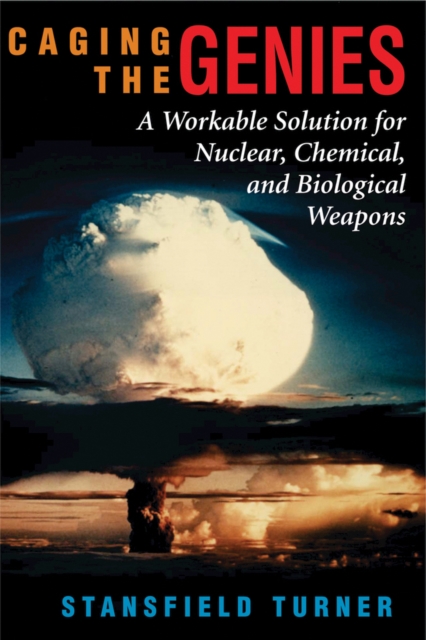
The Cold War may be over, but you wouldn't know it from the tens of thousands of nuclear, chemical, and biological weapons of mass destruction still held by Russia, the United States, and other world powers.
The Cold War may be over, but you wouldn't know it from the tens of thousands of nuclear, chemical, and biological weapons of mass destruction still held by Russia, the United States, and other world powers.