Although Japan's arms industry is still relatively small, significant political, economic, and technological developments indicate its growing importance and pave the way for Japan's increasing involvement in arms production.
China's reform policies during the past decade have resulted in the reorganization of economic and political structures and have led to a dramatic reorientation of the nation's foreign policy.
Given the disappointing history of arms control negotiations and agreements, disconcerting trends in the balance of power, and emerging technologies that challenge conventional assumptions about deterrence, new ways to promote security through negotiations must be identified and utilized if arms control is ever to play an integral role in enhancing deterrence and reducing instabilities.
The controversial atomic bombings of Hiroshima and Nagasaki in 1945 represent the only occasions when atomic weapons have been employed in war, yet surprisingly little attention has been paid to the relationship between the bombings and the course of subsequent nuclear strategy.
This book examines the significance of alliances in the international system, focusing on the dynamics between great and regional powers, and on the alliances Nazi Germany made during World War II, and their implications for Germany.
This book discusses the archaeology and heritage of the German military presence in Finnish Lapland during the Second World War, framing this northern, overlooked WWII material legacy from the nearly forgotten Arctic front as 'dark heritage' - a concrete reminder of Finns siding with the Nazis, often seen as polluting 'war junk' that ruins the 'pristine natural beauty' of Lapland's wilderness.
This book is an original and comparative study of reactions in West and East Africa to the persecution and attempted annihilation of Jews in Europe and in former German colonies in sub-Saharan Africa during the Second World War.
This book is an original and comparative study of reactions in West and East Africa to the persecution and attempted annihilation of Jews in Europe and in former German colonies in sub-Saharan Africa during the Second World War.
In The Day We Lost the H-Bomb, science writer Barbara Moran marshals a wealth of new information and recently declassified material to give the definitive account of the Cold War’s biggest nuclear weapons disaster.
The nuclear freeze movement grew more quickly than even the most optimistic activists thought possible, as large numbers of Americans became convinced that there was something wrong with United States defense policy and that they could do something about it.
From the Abrams M1 tank to the zeppelin, this essential reference details the invention and evolution of nearly 600 of the most important advances in military technology from prehistory to the present.
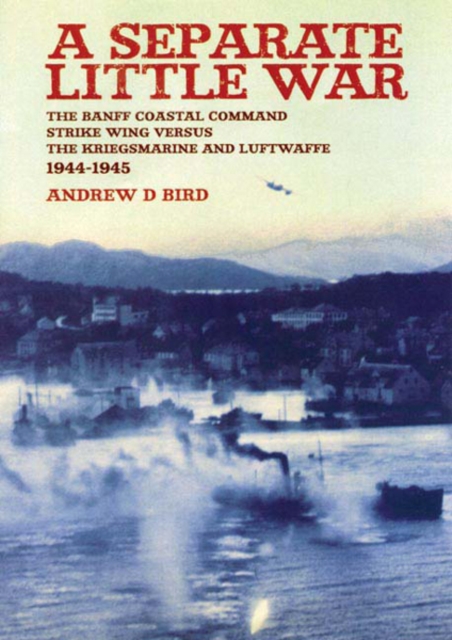
Every day for nine months from September 1944 to the end of the war, young British, Commonwealth and Norwegian airmen flew from Banff aerodrome in northern Scotland in their Mosquitoes and Beaufighters to target the German U-Boats, merchantmen and freighters plying along the coast and in the fjords and leads of southwest Norway, encountering the Luftwaffe and flakships every step of the way.
Using newly released documents, the author presents an integrated look at American nuclear policy and diplomacy in crises from the Berlin blockade to Vietnam.
The tank was arguably the most important technological innovation that developed during World War I; however, without the support of the British Army and the allocation of important wartime resources, it would have remained merely a peripheral weapon.
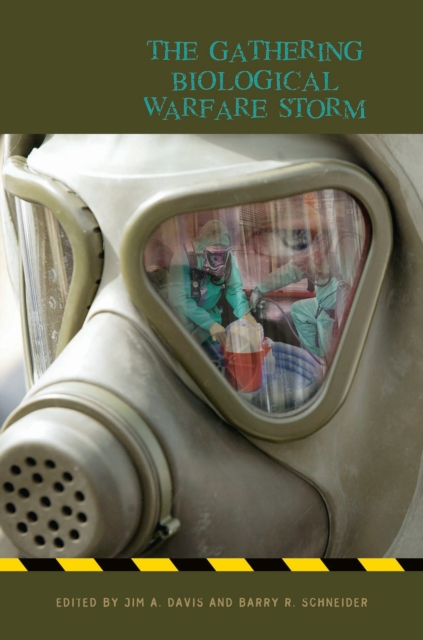
A new threat is stalking nations, as terrorist organizations and rogue states alike appear intent on acquiring and using the poor man's nuclear weapon: biological agents such as anthrax, smallpox, and plague.
Why do some American intelligence officials maintain fallout shelters and private contingency plans to evacuate their families in the event of a Russian nuclear strike-even in today's post-Cold War era of U.
The British Isles have a long, rich and celebrated seafaring history stretching from the earliest times through the victories of Drake and Nelson, the voyages of discovery of Cabot and Cook and the defence of the realm by vessels of all types in the present century.
The British Isles have a long, rich and celebrated seafaring history stretching from the earliest times through the victories of Drake and Nelson, the voyages of discovery of Cabot and Cook and the defence of the realm by vessels of all types in the present century.
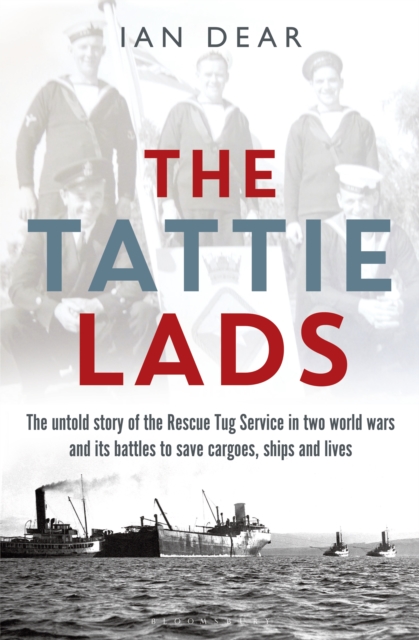
Enduring great danger and often terrible conditions in heavy seas, the Rescue Tug Services worked tirelessly to bring to port damaged vessels and keep up the supply of food and essential items during two world wars.
Enduring great danger and often terrible conditions in heavy seas, the Rescue Tug Services worked tirelessly to bring to port damaged vessels and keep up the supply of food and essential items during two world wars.
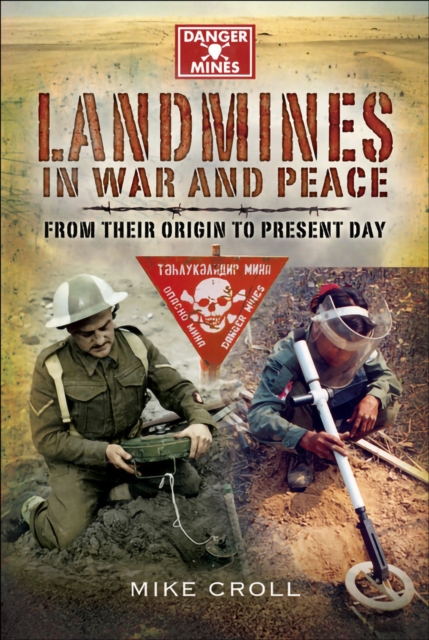
Land mines and their antecedents have been used on the battlefield from ancient times, through the world wars, to the modern conflicts in the developing world.
The Iranian nuclear crisis has dominated world politics since the beginning of the century, with the country now facing increasing diplomatic isolation, talk of military strikes against its nuclear facilities and a disastrous Middle East war.
The Iranian nuclear crisis has dominated world politics since the beginning of the century, with the country now facing increasing diplomatic isolation, talk of military strikes against its nuclear facilities and a disastrous Middle East war.
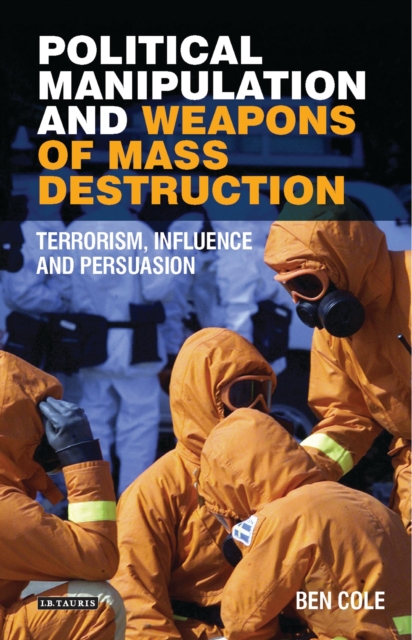
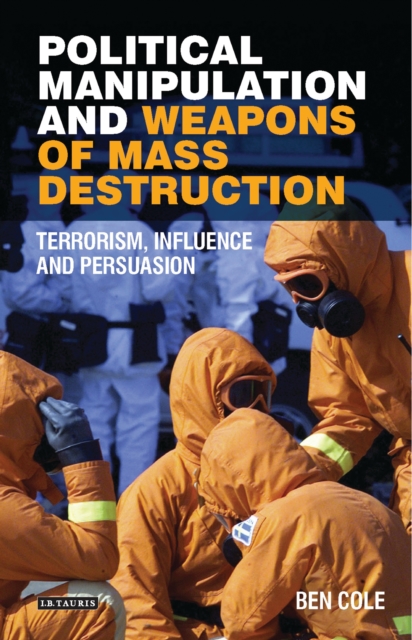
Concerns about CBRN (Chemical, Biological, Radioactive, Nuclear) weapons have featured prominently in both political debates and media reporting about the ongoing threat from al Qaeda since 9/11.
Concerns about CBRN (Chemical, Biological, Radioactive, Nuclear) weapons have featured prominently in both political debates and media reporting about the ongoing threat from al Qaeda since 9/11.