The Enigma of Soviet Petroleum (1980) provides an analysis of the relevance of the Soviet planning system to oil production levels: why it is that planning has been the source of so many petroleum industry problems, and the nature of the measures that are being taken to overcome them.
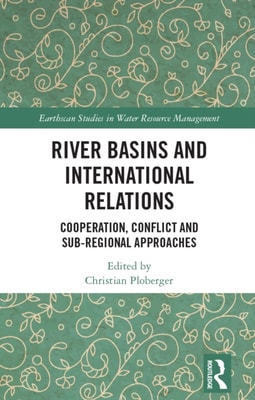
This book argues that river basins represent a particular structural setting in international relations with the potential for generating a dynamic of cooperation among the involved countries.
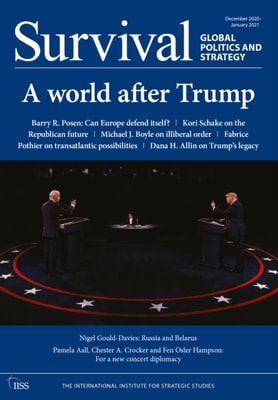
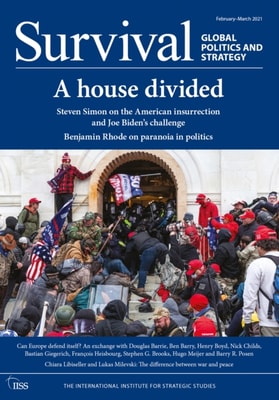
Survival, the IISS's bimonthly journal, challenges conventional wisdom and brings fresh, often controversial, perspectives on strategic issues of the moment.
Survival, the IISS's bimonthly journal, challenges conventional wisdom and brings fresh, often controversial, perspectives on strategic issues of the moment.
Survival, the IISS's bimonthly journal, challenges conventional wisdom and brings fresh, often controversial, perspectives on strategic issues of the moment.
The Soviet Union Looks Ahead (1930) is the official statement of the five-year economic plan put forward by the Soviet Union, a plan involving the radical reconstruction of the entire production system of Russia.
Survival, the IISS's bimonthly journal, challenges conventional wisdom and brings fresh, often controversial, perspectives on strategic issues of the moment.
The Socialist Industrial State (1976) examines the state-socialist system, taking as the central example the Soviet Union - where the goals and values of Marxism-Leninism and the particular institutions, the form of economy and polity, were first adopted and developed.
Survival, the IISS's bimonthly journal, challenges conventional wisdom and brings fresh, often controversial, perspectives on strategic issues of the moment.
Survival, the IISS's bimonthly journal, challenges conventional wisdom and brings fresh, often controversial, perspectives on strategic issues of the moment.
This book explores the indigenous peace cultures of the major ethnic groups in South Sudan (Dinka, Nuer, Anuak and Acholi) and analyses their contribution to resolving the civil war.
Survival, the IISS's bimonthly journal, challenges conventional wisdom and brings fresh, often controversial, perspectives on strategic issues of the moment.
This book argues that river basins represent a particular structural setting in international relations with the potential for generating a dynamic of cooperation among the involved countries.
This book explores the indigenous peace cultures of the major ethnic groups in South Sudan (Dinka, Nuer, Anuak and Acholi) and analyses their contribution to resolving the civil war.
Survival, the IISS's bimonthly journal, challenges conventional wisdom and brings fresh, often controversial, perspectives on strategic issues of the moment.
The Enigma of Soviet Petroleum (1980) provides an analysis of the relevance of the Soviet planning system to oil production levels: why it is that planning has been the source of so many petroleum industry problems, and the nature of the measures that are being taken to overcome them.
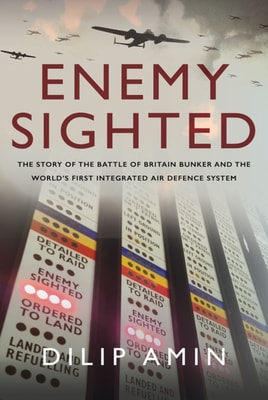
Enemy Sighted is the story of the world's first integrated air defense system and how the coalition of Hurricanes and Spitfires, Fighter Command's Operations Rooms and Sector Stations, Radar Stations, Observer Corps posts, anti-aircraft gun and searchlight batteries, and balloon barrages, stood resolutely in the way of Operation Seelowe, Hitler's plan for invading Britain in the Summer of 1940.
Enemy Sighted is the story of the world's first integrated air defense system and how the coalition of Hurricanes and Spitfires, Fighter Command's Operations Rooms and Sector Stations, Radar Stations, Observer Corps posts, anti-aircraft gun and searchlight batteries, and balloon barrages, stood resolutely in the way of Operation Seelowe, Hitler's plan for invading Britain in the Summer of 1940.
Convinced before the onset of Operation "e;Barbarossa"e; in June 1941 of both the ease, with which the Red Army would be defeated and the likelihood that the Soviet Union would collapse, the Nazi regime envisaged a radical and far-reaching occupation policy which would result in the political, economic and racial reorganization of the occupied Soviet territories and bring about the deaths of 'x million people' through a conscious policy of starvation.
This reference work examines how sophisticated cyber-attacks and innovative use of social media have changed conflict in the digital realm, while new military technologies such as drones and robotic weaponry continue to have an impact on modern warfare.
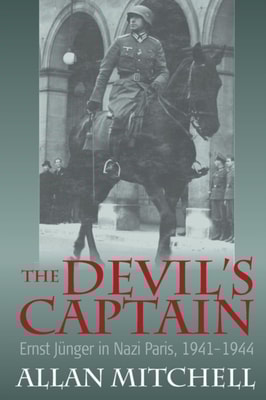
Author of Nazi Paris, a Choice Academic Book of the Year, Allan Mitchell has researched a companion volume concerning the acclaimed and controversial German author Ernst Junger who, if not the greatest German writer of the twentieth century, certainly was the most controversial.
Designed in 1942, Britain's innovative Projector, Infantry, Anti-Tank (PIAT) provided British and Commonwealth troops with a much-needed means of taking on Germany's formidable Panzers.
An all-in-one resource for understanding the issue of torture and enhanced interrogations, including their history as an instrument of state power and warfare, debates over the morality of their use in different contexts, and efforts by human rights organizations and nations to end torture and enhanced interrogation techniques worldwide.
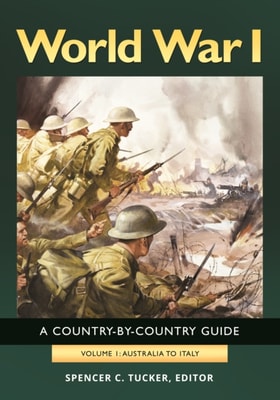
Offers detailed coverage of every country that played a significant role in World War I, from key participants including France, Germany, Great Britain, the Ottoman Empire, and the United States, to smaller nations such as Bulgaria, Montenegro, and New Zealand.
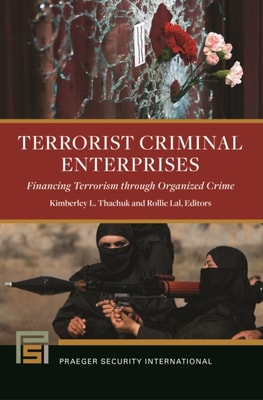
This cohesive set of case studies collects scholarly research, policy evaluation, and field experience to explain how terrorist groups have developed into criminal enterprises.
This addition to the Women and Society around the World series explores the roles, challenges, and accomplishments of women in the military in countries across the globe.
An indispensable resource for those interested in the scourge of mass murder and genocide in the 20th and 21st centuries, this book analyzes modern and contemporary controversies and issues to help readers to understand genocide in all its complexity.
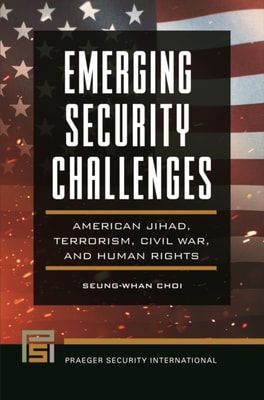
This book looks into four areas of our world's international security crisis: the growing threat of America's homegrown jihadists, the continuing rise of terrorism, the causes of gross violations of human rights, and the pervasiveness of civil war.
Daily Life in Nazi-Occupied Europe provides readers with information about political and military affairs, economic life, religious life, intellectual life, and other aspects of daily life in those countries occupied by Nazi Germany during World War II.
Written for general readers and professionals alike, this succinct but comprehensive work examines the hybrid nature of the two violent extremist movements threatening the United States: Islamist extremism and white nationalism.
Students, military historians, and casual readers will all find this compelling collection useful in learning about escape strategies, hostage situations, and rescue operations during times of conflict.
This timely and compelling book presents a broad study of all key cyber security issues of the highest interest to government and business as well as their implications.
This book provides an indispensable resource for anyone researching the scourge of mass murder in the 20th and 21st centuries, effectively using primary source documents to help them understand all aspects of genocide.