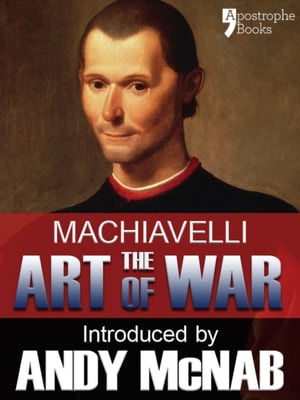
- Introduction from SAS and Gulf War hero Andy McNab DCM MM- The 1882 edition of The Art of War- Preface by Niccolo Machiavelli- Translated from Italian by Christian E Detmold- Bonus material: Introduction by Henry Cust, MP- Complete with all the original illustrations- Beautifully formatted in this Apostrophe Books editionThe Art of War sees political and military theory brought together by one of the subjects greatest minds.
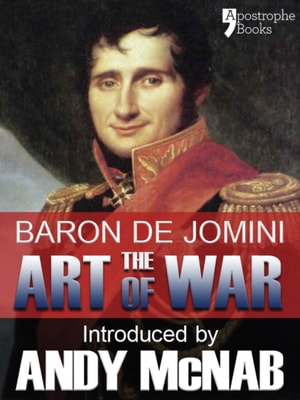
- Introduction by SAS and Gulf War hero Andy McNab DCM MM- The 1862 version of The Art of War- Translated from French by Capt GH Mendell and Lieut WP Craighill- Contains all of Jomini s original maps and diagrams- Beautifully formatted in this Apostrophe Books editionKnown as the founder of modern strategy, Swiss military tactician Jomini put his considerable powers into a system to destroy the enemy in the most efficient manner.
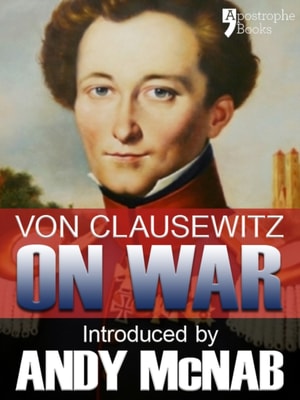
Introduction by SAS and Gulf War hero Andy McNab DCM MMIncludes all three volumes of On War s 1908 editionEvery diagram and map from Von Clausewitz s originalTranslated by Col JJ GrahamBonus material: Introductions and notes by Col FN Maude, CBBonus material: A memoir of Von Clausewitz by his translatorBeautifully formatted in this Apostrophe Books editionOn War is one of the most influential books ever written on the subject of conflict.
A follow-up to Finding the Few, this companion volume deals with the postwar discovery and recovery of wartime Luftwaffe aircrew who were downed and lost over the UK, most of them during 1940s.
In the later years of the Second World War Germany was subjected to a tremendous onslaught by the bomber commands of both the RAF and USAAF, as well as being assaulted by land.
Raymond Baxter, WW2 fighter pilot, postwar radio and TV commentator at major events from motor races to great State occasions, was later the famous presenter of television’s Tomorrow’s World.
Over the last 70 years, in countless books and essays, Hermann Göring has been defined by his crimes and excess during the Third Reich and the Second World War.
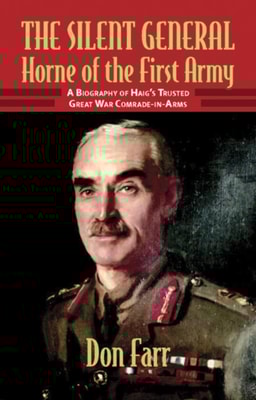
Whether or not Henry Sinclair Horne was the ‘silent’ General he might certainly, if he were still alive, lay claim to being the ‘forgotten’ General of the Western Front.
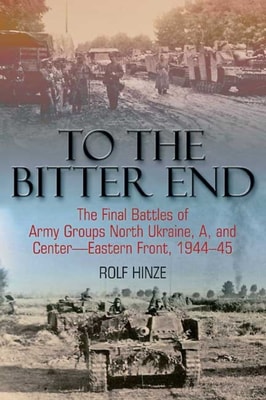
This is a penetrating and detailed account of the climactic battles of the German forces in Slovakia, the Carpathians, parts of Poland, Silesia and Saxony, from autumn 1944 until the end of the war.
Dutch SS accounts are very rare, particularly ones such as this, covering recruitment, training, and frontline service first with 5th SS Panzer Division 'Wiking', then later with SS Regiment Besslein.
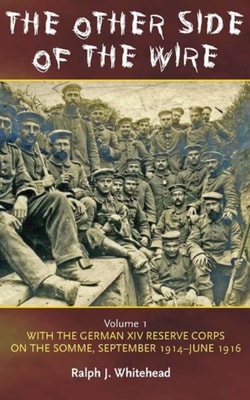
The first volume in the new Helion Library of the Great War, a series designed to bring into print rare books long out-of-print, as well as producing translations of important and overlooked material that will contribute to our knowledge of this conflict.
This account, penned by a noted British military historian of the late nineteenth century, remains one of the best narratives of a nineteenth century battle yet published.
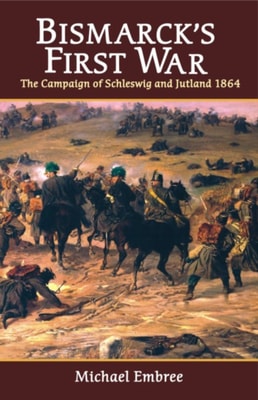
This book chronicles the final conflict over the now almost forgotten "Schleswig-Holstein Question", once a pivotal issue for the great powers of Europe.
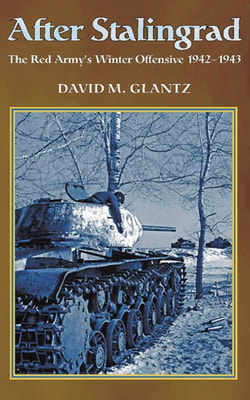
In the wake of the Red Army's signal victory at Stalingrad, which began when its surprise counteroffensive encircled German Sixth Army in Stalingrad region in mid-November 1942 and ended when its forces liquidated beleaguered Sixth Army in early February 1943, the Soviet High Command (Stavka) expanded its counteroffensive into a full-fledged winter offensive which nearly collapsed German defenses in southern Russia.
In the first of a two-volume study, the author presents an extremely detailed record of the Organisation, doctrine and equipment of US Army infantry divisions during the latter part of World War II.
A detailed account of the composition, structure and Organisation of the First World War German Army has long been needed by English-language readers - this work will fill this gap admirably.
An Active Service' traces a young Sid Dowland from civilian life into the tough environment of the Guards Depot in the 1930's and then on to a Guards service Battalion in London and prewar Egypt.
Here is an outstanding personal memoir penned by a German infantry officer recalling his experiences during the initial days and weeks of the war in the West, July-September 1914.
The year of 1914 had been a difficult one for the British Expeditionary Force, the war that had started in August had not been over by the expected time of Christmas.
The Black Devils March is an account of how the 1st (and only) Polish Armoured Division in the West under the leadership of General Stanislaw Maczek, arose out of the ashes of defeat and while attempting to avoid the internal politics of the Polish Government in Exile, was able to return to Europe in August 1944 on the side of the Western Allies.
Evgeniy Mariinskiy, a Soviet fighter ace and Hero of the Soviet Union, shot down 20 enemy planes in aerial combat over the Eastern Front between 1943 and 1945.
The author of Bloody Belfast delivers "e;a vivid and unforgettable record"e; of the Northern Irish conflict that captures the "e;true horrors of war"e; (Best of British).
In his historical series Hinze provides the only comprehensive account of events on the central and southern portions of the German Eastern Front during the years of German retreat.
Based on the written testimonies and personal archives of two veterans of the 508th Parachute Infantry Regiment attached to the famous US 82nd Airborne Division, this book tells the story of two young Americans who unwittingly became actors in one of the greatest crusades against tyranny the world has ever known.
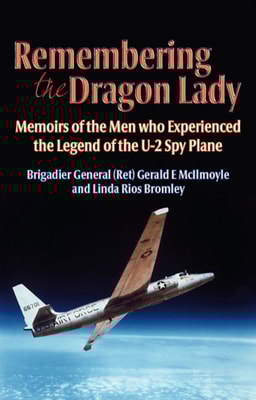
With heightened tensions mounting in the Cold War, President Dwight Eisenhower's request for more accurate intelligence information on the Soviet Union was the spark that ignited the U-2 project.
At the beginning of the Second World War the Nazi hierarchy at an early stage, had fully recognized the importance of controlling the depiction of military conflict in order to ensure the continued morale of their combat troops by providing a bridge between the soldiers and their families.
With three Military Crosses, three Croix de guerre, a L gion d'honneur and a papal knighthood for his heroics during the Second World War, Sir Tommy Macpherson is the most decorated living soldier of the British Army.
Henry Allingham is the last British serviceman alive to have volunteered for active duty in the First World War and is one of very few people who can directly recall the horror of that conflict.
This ambitious work which took the better part of a decade to produce will be essential reading for all serious defence study students, and of absorbing interest to military professionals and lay people concerned with the future of warfare and all aspects of response to military attack.
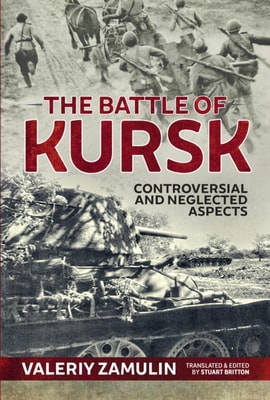
In this book, noted historian of the Battle of Kursk Valeriy Zamulin, the author of multiple Russian-language books on the Battle of Kursk and Destroying the Myth: The Tank Battle at Prokhorovka, Kursk, July 1943: An Operational Narrative takes a fresh look at several controversial and neglected topics regarding the battle and its run-up.
One of the few up-to-date works on the whole of the arms trade, this book puts the global trade in weapons in the context of history and includes recent controversial deals, as well as case studies on Saudi Arabia, Iraq, and Darfur.
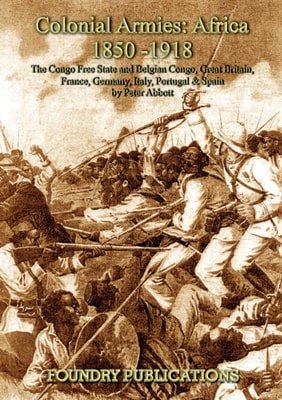
In the second half of the 19th century, European-led columns began to fan out across the African continent from their coastal footholds, smashing whatever forces could be brought against them, no matter how brave or determined the latter were.
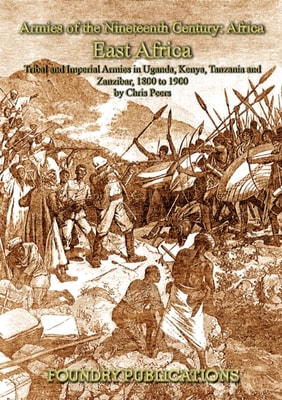
Principally covering Uganda, Kenya, Tanzania, and Zanzibar, this volume deals with the native peoples of East Africa and the Arabs and Europeans who variously fought, explored, and raided there in the course of the 19th century.
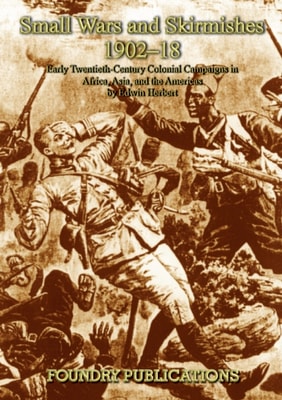
This is the first of a two volume series covering early twentieth century colonial campaigns in Africa, Asia and the Americas, ranging from Mexico and the Philippines to Africa and the North West Frontier.
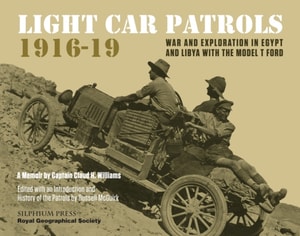
Captain Claud Williams’ memoir tells, firsthand, what it was like to be a Light Car Patrol commander during the First World War, while Russell McGuirk’s commentary provides the historical background to the formation of the Patrols and follows their activities from the British raid on Siwa Oasis to desert exploration and survey work and the Kufra Reconnaissance Scheme.
Captain Claud Williams’ memoir tells, firsthand, what it was like to be a Light Car Patrol commander during the First World War, while Russell McGuirk’s commentary provides the historical background to the formation of the Patrols and follows their activities from the British raid on Siwa Oasis to desert exploration and survey work and the Kufra Reconnaissance Scheme.
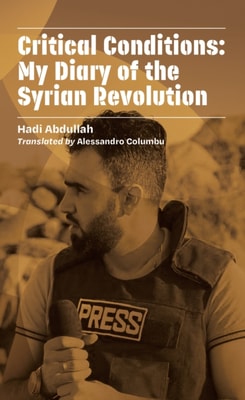
As seen and heard on 60 Minutes, This American Life, and in The New York Times a frontline eyewitness account of the Syrian Revolution from prizewinning journalist and activist Hadi Abdullah.