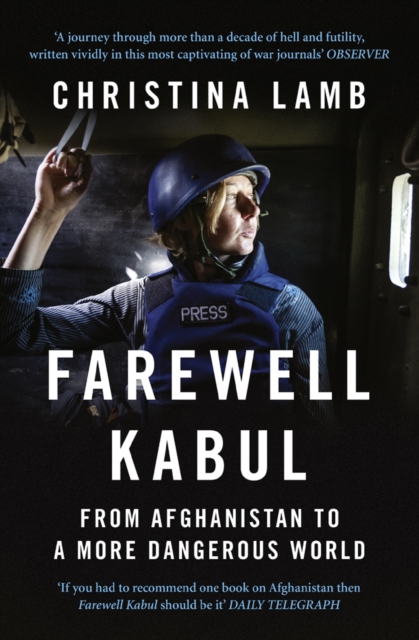
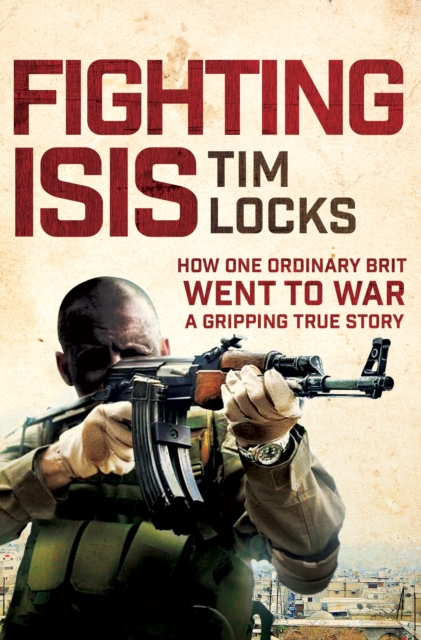
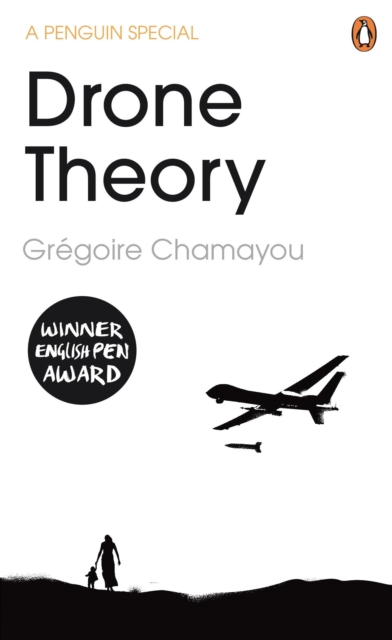
From the award-winning co-author of I Am Malala, this book asks just how the might of NATO, with 48 countries and 140,000 troops on the ground, failed to defeat a group of religious students and farmers?
The relationship of England and Scotland became defined by events on 9 September 1513 in a battle of great size, bloodshed and finality - the Battle of Flodden.
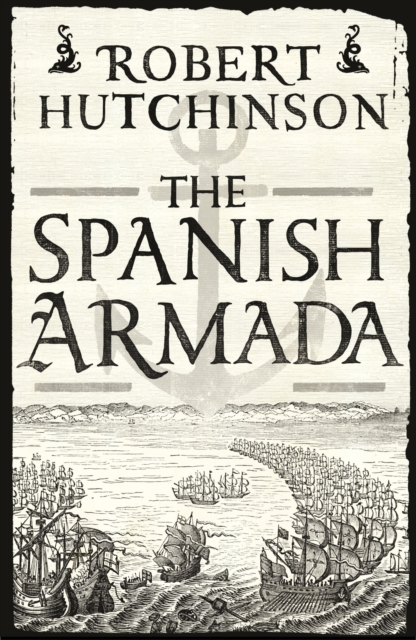
A dramatic blow-by-blow account of the defeat of the Spanish Armada by the English fleet - a tale of daring and disaster on the high seas by one of our best narrative historians.
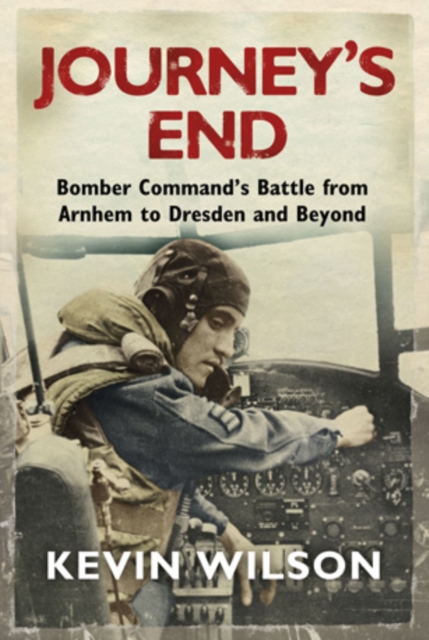
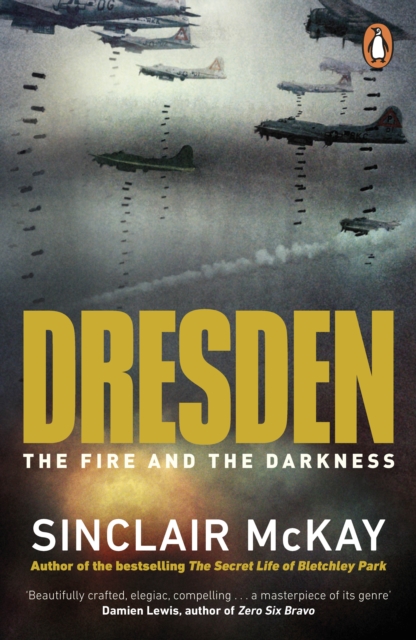
'A brilliant insight into life in the air and on the ground' ObserverIn February 1945, British and American bombers rained down thousands of tons of incendiaries on the city of Dresden, killing an estimated 25,000 people and destroying one of the most beautiful cities in Europe.
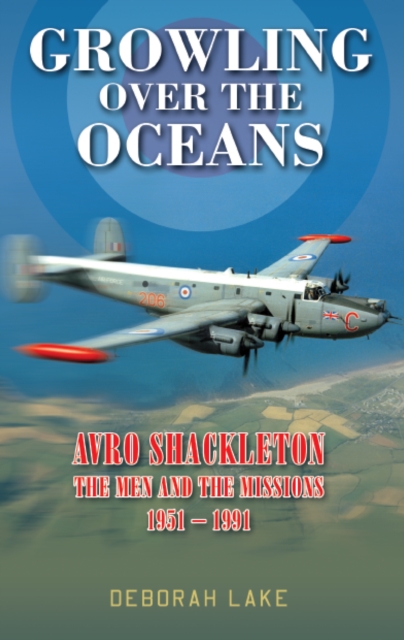
The Avro Shackleton was a formidable machine with its Griffon engines producing the characteristic grumble that gave the aircraft one of its nicknames, the Growler.
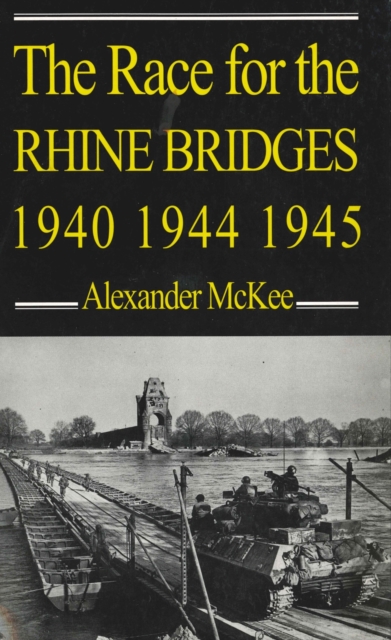
The River Rhine and its delta in Holland, protecting Germany's vital industrial area of the Ruhr, helped dictate the course of events in three land campaigns of the Second World War.
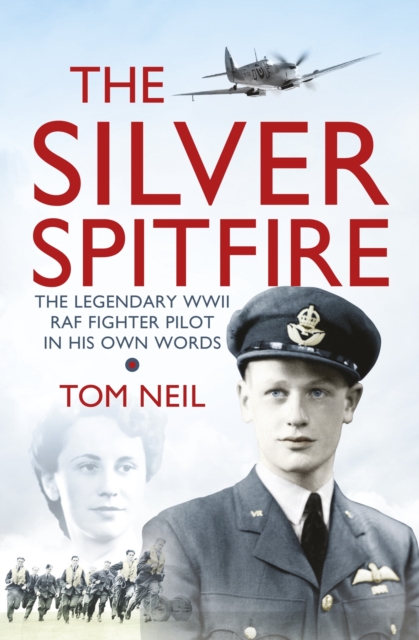
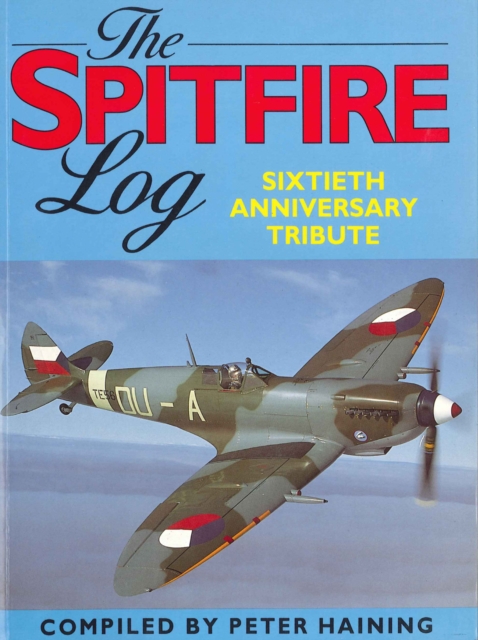
Of all the airplanes that defended Britain during World War Two, none inspired as much affection as the Spitfire, the plane that became a symbol of courage and determination during the Battle of Britain.
Memoiren, Romane, Filme und Propagandaschriften haben den Ruf der Fremdenlegion als Sammelbecken von Kriminellen und Aussteigern, als sadistisch-militaristische Hölle oder als exotische Lebenswelt romantischer Helden verbreitet.
The Sunday Times-bestselling author of Dresden returns with a monumental biography of the city that defined the twentieth century - BerlinThroughout the twentieth century, Berlin stood at the centre of a convulsing world.
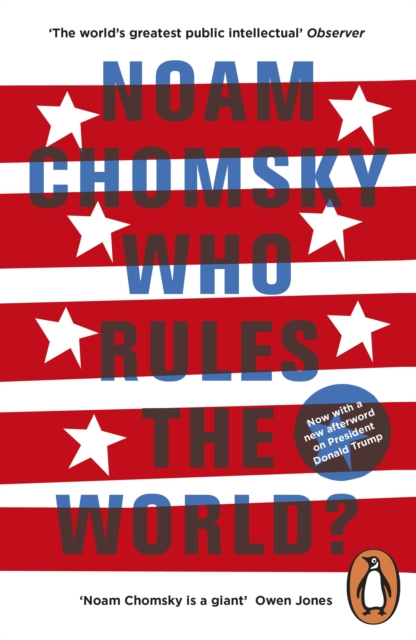
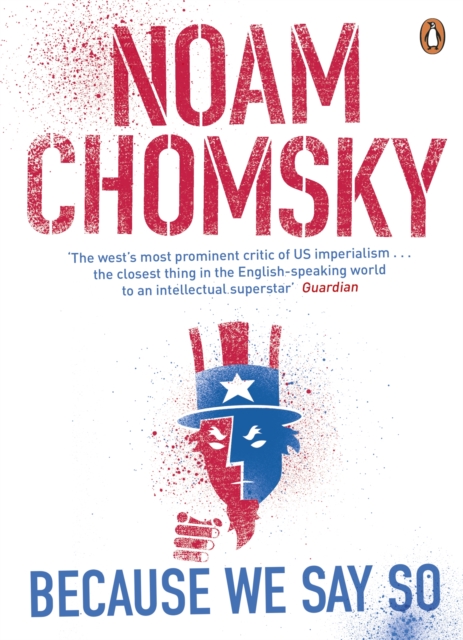
The essential account of geopolitics right now, from one of our greatest living intellectuals - including a new afterword on President Donald Trump Noam Chomsky: philosopher, political writer, fearless activist.
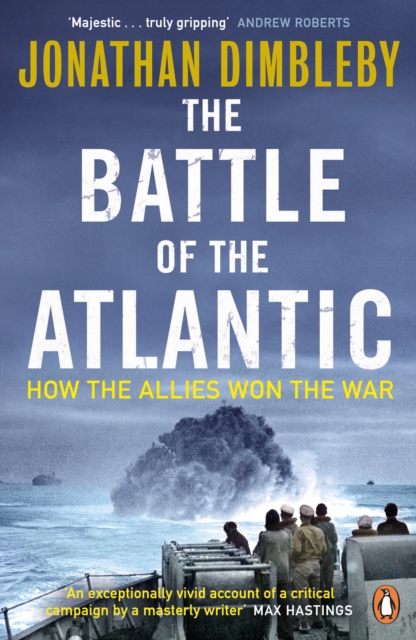
'An exceptionally vivid account by a masterly writer' Max Hastings'No book depicts all the myriad aspects better than Jonathan Dimbleby's majestic overview.
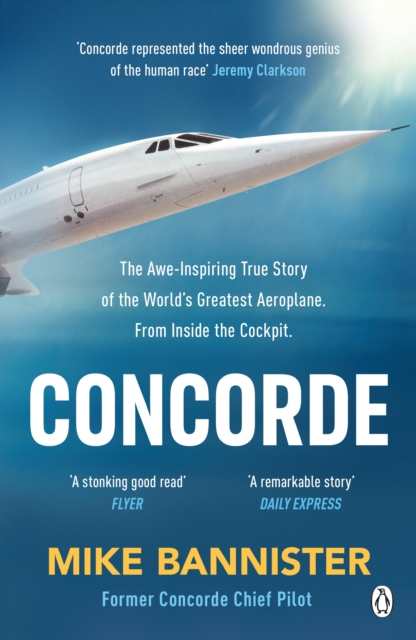
The definitive account of the rise and fall of the iconic Concorde plane from British Airways' former Chief Concorde Pilot'A remarkable story' DAILY EXPRESS'A stonking good read' FLYER_________What's it like to fly faster than a bullet?
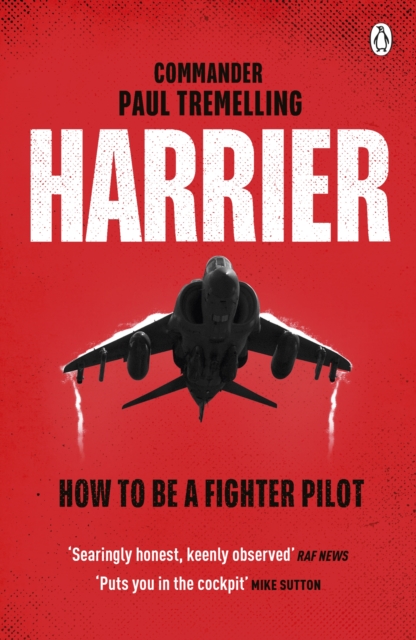
Discover the exhilarating first-hand account of one man's white-knuckle life as a fighter pilot with the Royal Navy Sea Harriers'Searingly honest, keenly observed, well written and extremely funny' RAF NEWS'Puts you in the cockpit for carrier landings, missile firings and some of the most intense close air support stories imaginable' MIKE SUTTON____________Few have what it takes to be a fighter pilot.
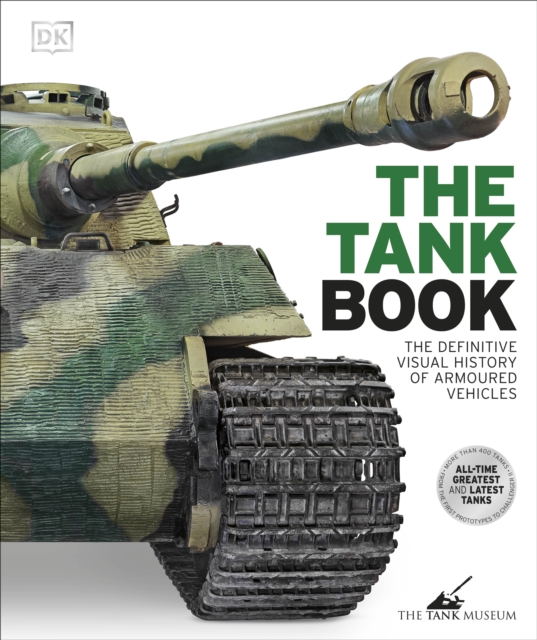
From the birth of the tank to unmanned vehicles and the tanks of the future, The Tank Book offers a truly definitive look at over 400 different tanks, produced in association with The Tank Museum.
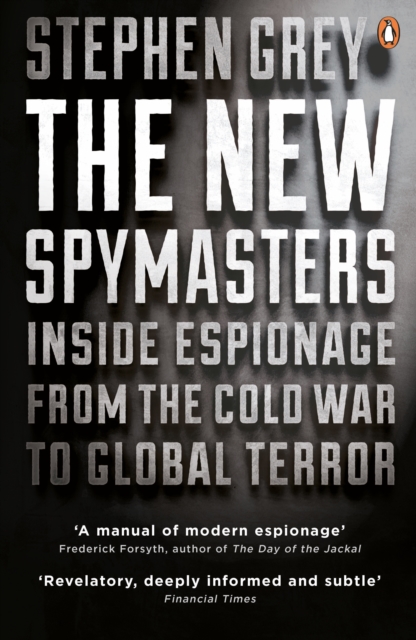
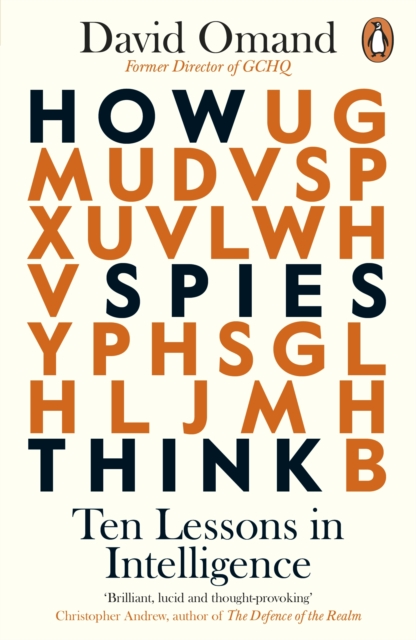
From the former director of GCHQ, learn the methodology used by British intelligence agencies to reach judgements, establish the right level of confidence and act decisively.
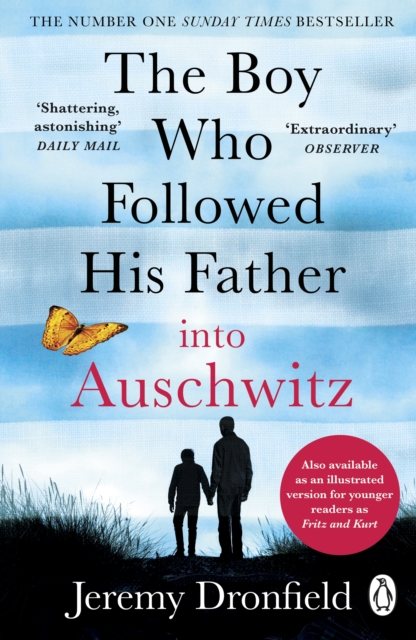
THE NUMBER ONE SUNDAY TIMES BESTSELLER, ALSO AVAILABLE FOR YOUNG READERS AS FRITZ AND KURTDAILY MAIL & SUNDAY EXPRESS BOOKS OF THE YEARThe inspiring true story of a father and son's fight to stay together and survive the Holocaust, for anyone captivated by The Cut Out Girl and The Tattooist of Auschwitz'A powerful and often uncomfortable true story that deserves to be read and remembered.
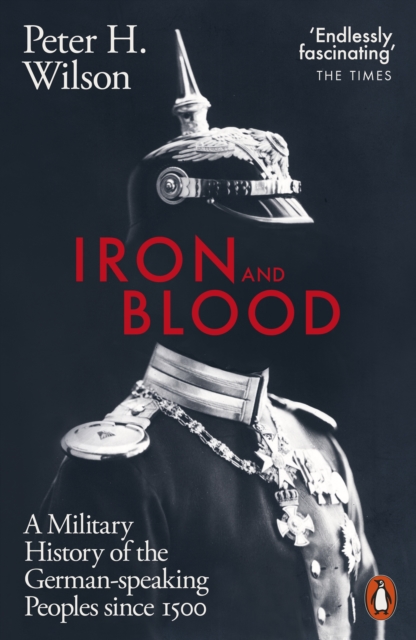
*WINNER OF THE DUKE OF WELLINGTON MEDAL FOR MILITARY HISTORY**A DAILY TELEGRAPH BOOK OF THE YEAR 2022*'No one interested in the history of Europe can afford not to read this stupendous book' Simon Heffer, Daily TelegraphIron and Blood is a startlingly ambitious and absorbing book, encompassing five centuries of political, military, technological and economic change to tell the story of the German-speaking lands, from the Rhine to the Balkan frontier, from Switzerland to the North Sea.