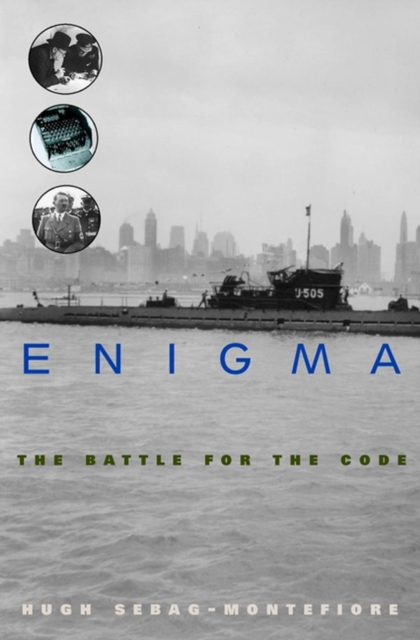
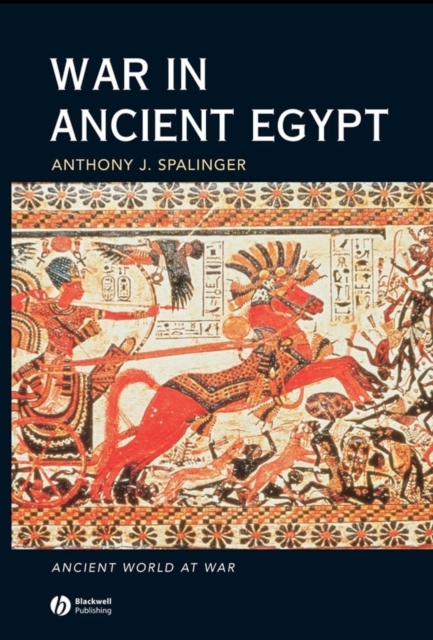
How professionalization and scholarly "e;rigor"e; made social scientists increasingly irrelevant to US national security policyTo mobilize America's intellectual resources to meet the security challenges of the post-9/11 world, US Secretary of Defense Robert M.
In light of technological advances and multiplying irregular conflicts, conventional wisdom suggests airpower as the ideal, low-cost means of conducting modern warfareand the air control method adopted by the British between the two world wars seems to back this up.
Winner: Society for Military History Distinguished Book AwardThis year begins the centennial of the Philippine War, one of the most controversial and poorly understood events in American history.
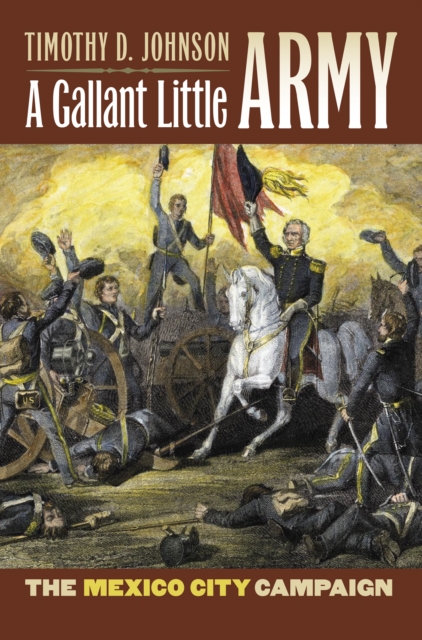
In 1847 General Winfield Scott boldly led a small but undaunted army from the Mexican coast all the way to the Halls of Montezuma, routing Mexican forces at every turn while pacifying the countryside.
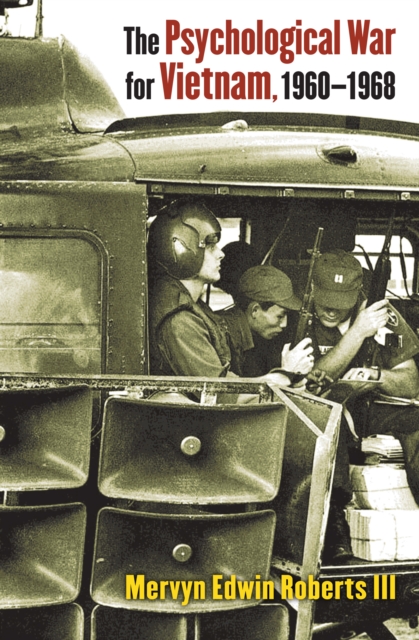
The Psychological War for Vietnam, 19601968, for the first time fully explores the most sustained, intensive use of psychological operations (PSYOP) in American history.
Winner: Guittard Book Award for Historical ScholarshipDuring the Soviet Unions Great Patriotic War, from 1941 to 1945, as many as 24 million of its citizens died.
A bold new history showing that the fear of Communism was a major factor in the outbreak of World War IIThe Spectre of War looks at a subject we thought we knew-the roots of the Second World War-and upends our assumptions with a masterful new interpretation.
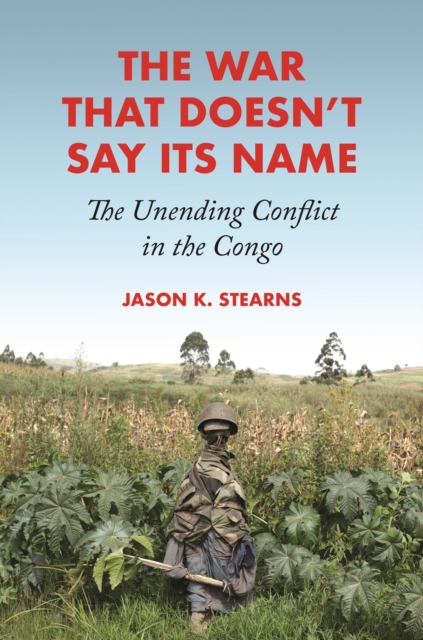
Why violence in the Congo has continued despite decades of international intervention Well into its third decade, the military conflict in the Democratic Republic of the Congo has been dubbed a "e;forever war"e;-a perpetual cycle of war, civil unrest, and local feuds over power and identity.
A riveting account of espionage for the digital age, from one of America's leading intelligence expertsSpying has never been more ubiquitous-or less understood.
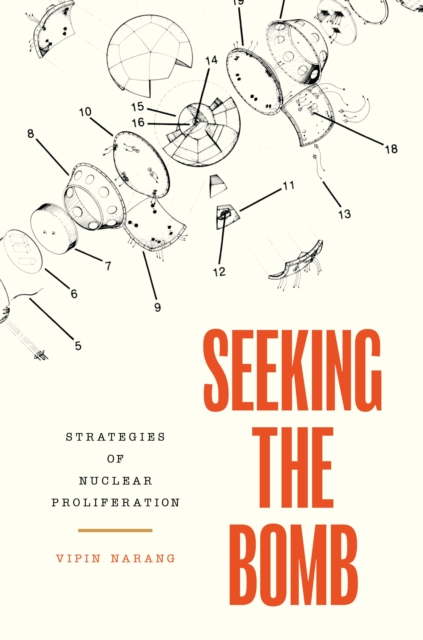
The first systematic look at the different strategies that states employ in their pursuit of nuclear weaponsMuch of the work on nuclear proliferation has focused on why states pursue nuclear weapons.
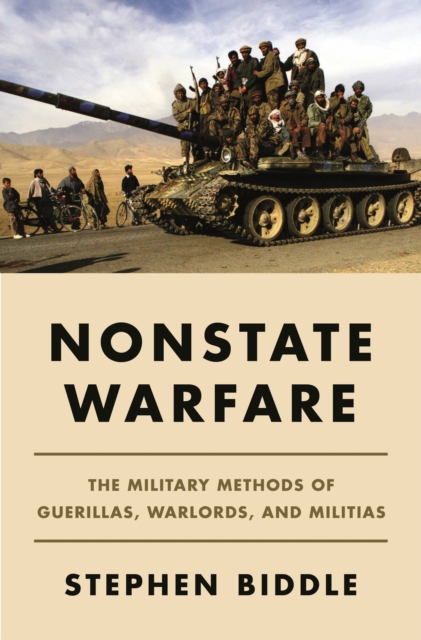
How nonstate military strategies overturn traditional perspectives on warfareSince September 11th, 2001, armed nonstate actors have received increased attention and discussion from scholars, policymakers, and the military.
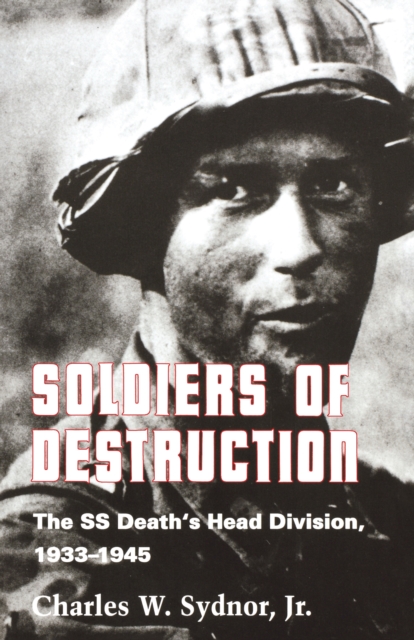
Charles Sydnor relates the political and military experience of the SS Totenkopfdivision to the institutional development of the SS and the ideological objectives of Nazi Germany.
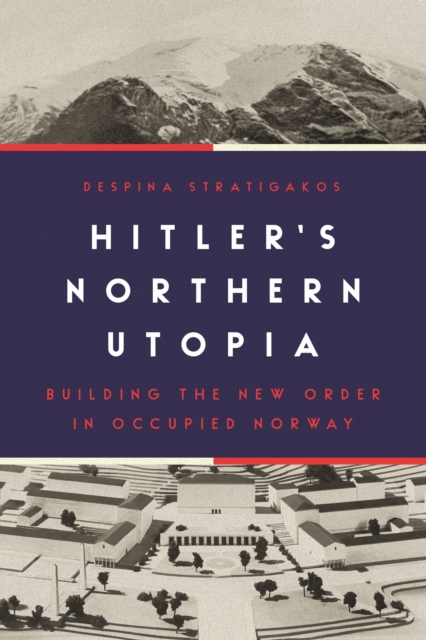
The fascinating untold story of how Nazi architects and planners envisioned and began to build a model "e;Aryan"e; society in Norway during World War IIBetween 1940 and 1945, German occupiers transformed Norway into a vast construction zone.
A multifaceted portrait of the Hiroshima bombing and its many legaciesOn August 6, 1945, in the waning days of World War II, the United States dropped an atomic bomb on the Japanese city of Hiroshima.
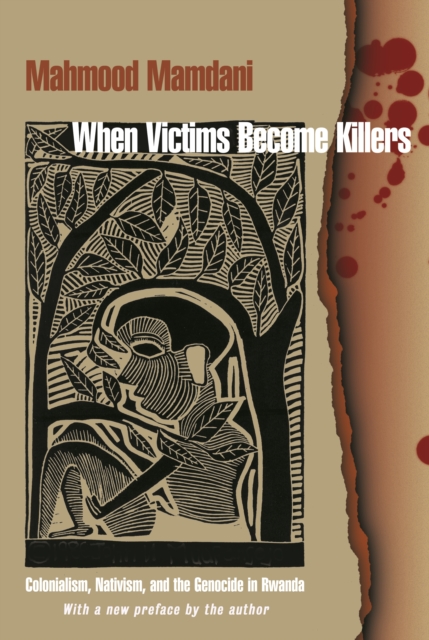
An incisive look at the causes and consequences of the Rwandan genocide"e;When we captured Kigali, we thought we would face criminals in the state; instead, we faced a criminal population.
A riveting account of espionage for the digital age, from one of America's leading intelligence expertsSpying has never been more ubiquitous-or less understood.
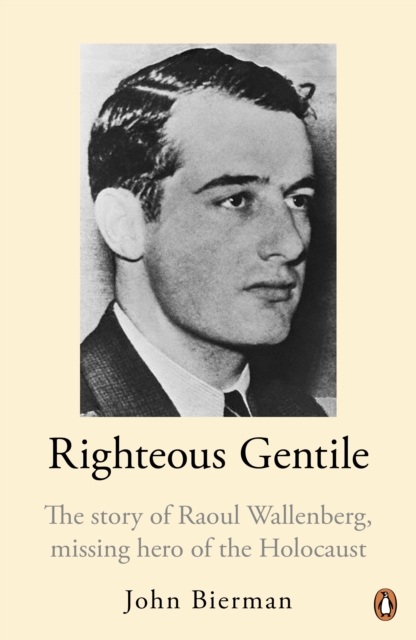
Swallowed up by the Soviet prison system, the fate of Raoul Wallenberg, saviour of tens of thousands of Hungarian Jews during the Nazi holocaust, remains a mystery.
The true story of how Britain's maritime power helped gain this country unparalleled dominance of the world's economy, Admirals celebrates the rare talents of the men who shaped the most successful fighting force in world history.
Roddy MacKenzie's father served in Bomber Command during the Second World War, but like so many brave veterans who had survived the war, he spoke little of his exploits.
An accessible modern translation of essential speeches from Thucydides's History that takes readers to the heart of his profound insights on diplomacy, foreign policy, and warWhy do nations go to war?
Winner: Guittard Book Award for Historical ScholarshipDuring the Soviet Unions Great Patriotic War, from 1941 to 1945, as many as 24 million of its citizens died.
Eine neue, einzigartige Perspektive auf die deutsche Geschichte – der Weg der Deutschen von 1942 bis heute, vom Volk der Täter zum anerkannten Partner in der Welt.
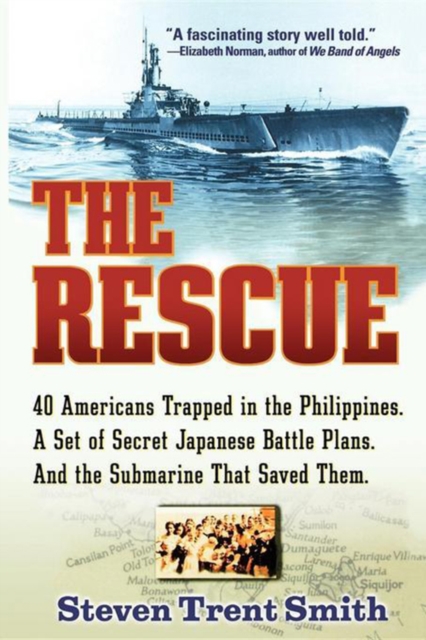
Advance Praise for The Rescue "e;Steven Trent Smith grapples boldly with several big subjects: the Japanese occupation of the Philippines; the capture of Japan's 'Z Plan' (the decisive-battle strategy for destroying the U.
Features assignments and exercises to meet the changing needsof mental health professionals The Veterans and Active Duty Military Psychotherapy Homework Planner provides you with an array of ready-to-use, between-session assignments designed to fit virtually every therapeutic mode.
Features assignments and exercises to meet the changing needsof mental health professionals The Veterans and Active Duty Military Psychotherapy Homework Planner provides you with an array of ready-to-use, between-session assignments designed to fit virtually every therapeutic mode.
Military Geographies is about how local space, place, environment and landscape are shaped by military presence, and about how wider geographies are touched by militarism.
Stretching across continents and centuries, The Origins of War: Violence in Prehistory provides a fascinating examination of executions, torture, ritual sacrifices, and other acts of violence committed in the prehistoric world.