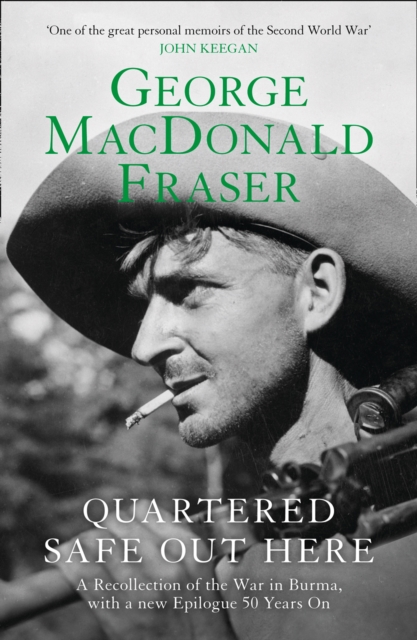
'There is no doubt that [Quartered Safe Out Here] is one of the great personal memoirs of the Second World War' John KeeganLife and death in Nine Section, a small group of hard-bitten and (to modern eyes) possibly eccentric Cumbrian borderers with whom the author, then nineteen, served in the last great land campaign of World War II, when the 17th Black Cat Division captured a vital strongpoint deep in Japanese territory, held it against counter-attack and spearheaded the final assault in which the Japanese armies were, to quote General Slim, "e;torn apart"e;.
From the bestselling authors of The Sugar Girls and GI Brides, this is Margery's story, one of three true accounts from the book The Girls Who Went to War.
From the bestselling authors of The Sugar Girls and GI Brides, this is Jessie's story, one of three true accounts from the book The Girls Who Went to War.
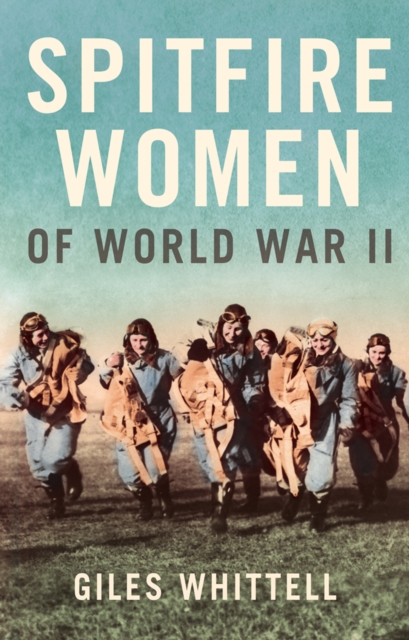
This is the incredible true story of a wartime sisterhood of women pilots: a group of courageous pioneers who took exceptional risks to fly Spitfires, Hurricanes and Lancasters to the frontlines of World War II.
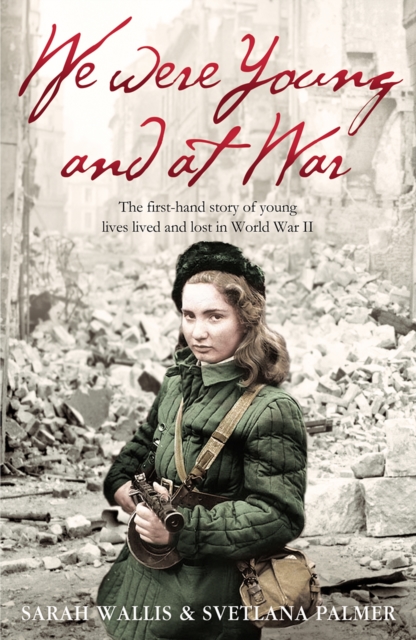
Never before have the diaries and letters of young people from all sides of World War Two been woven together to provide an account of what it was like to grow up amidst the daily struggles and horrors of this devastating war.
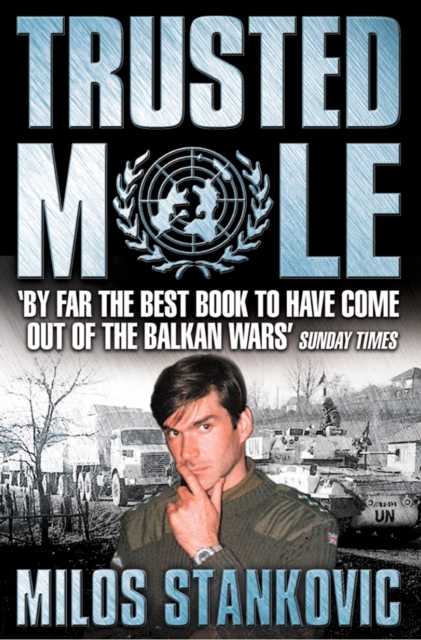
A high-octane account by a decorated major in the British Army of his high-level dealings with the Bosnian Serb leadership, of his running a 'Schindler's List' operation in Sarajevo, and of his extraordinary subsequent arrest by Ministry of Defence police on suspicion of betraying secrets to the Serbs.
This moving and timely book explores the way the First World War has been thought about and commemorated, and how it has affected its own, and later, generations.
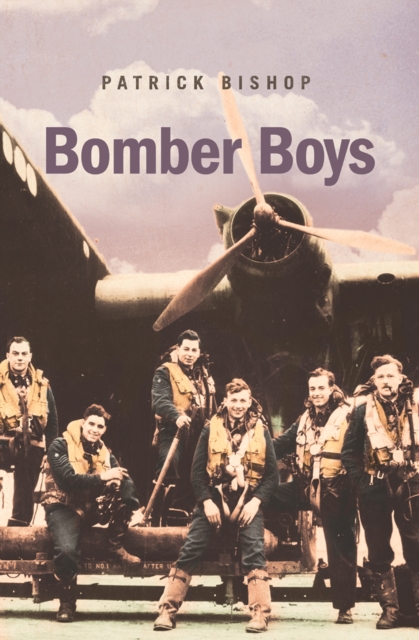
Patrick Bishop looks at the lives and the extraordinary risks that the painfully young pilots of Bomber Command took during the air-offensive against Germany from 1940-1945.
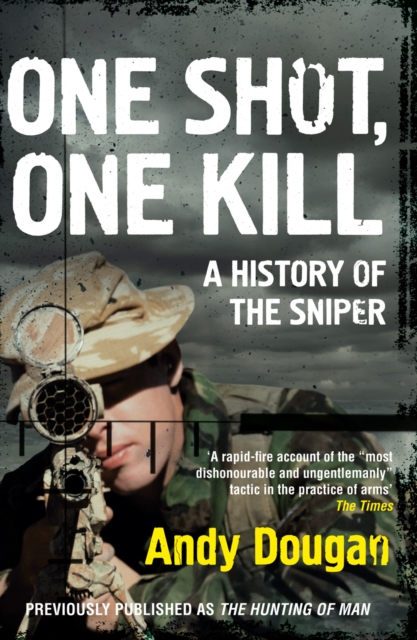
Previously published as The Hunting of ManOne shot, one kill: a cultural and military history of the sniper since 1643, when the first shot was fired by a sniper during the battle for Litchfield in the English Civil War, to the present day, when the sniper has become the embodiment of contemporary military strategy and technology.
From the author of the existential thriller 'The Execution' comes 'Colony', a novel set in French Guiana as the age of Empire draws to a close and anarchy beckons.
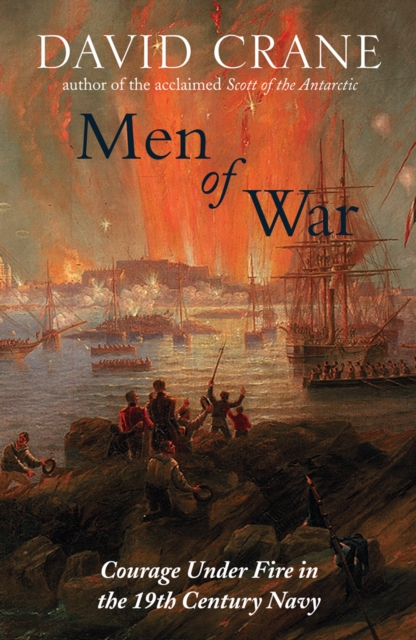
Through the lives of three outstanding naval officers - each considered the most brilliant commander of his generation - David Crane offers a unique portrait of the Royal Navy at a time when it held unchallenged dominion over the world's oceans.
One small East African country embodies the battered history of the continent: patronised by colonialists, riven by civil war, confused by Cold War manoeuvring, proud, colorful, with Africa's best espresso and worst rail service.
[Previously published as 'Went The Day Well']A sweeping political, social, military and cultural overview of the United Kingdom on the eve, and then the day, of the greatest battle fought by British arms.
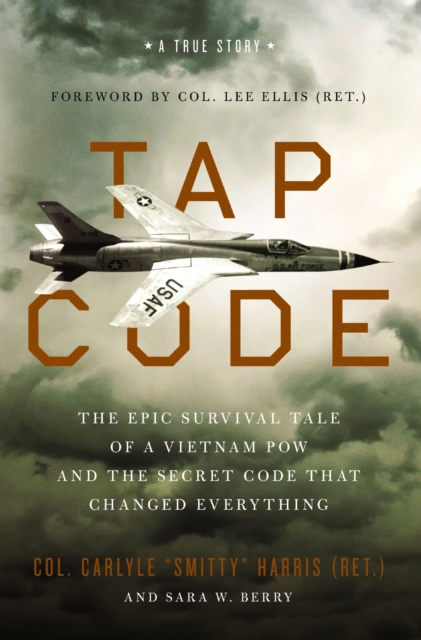
Discover never-before-told details of POW underground operations during the Vietnam War told through one airman's inspiring story of true love, honor, and courage.
Discover never-before-told details of POW underground operations during the Vietnam War told through one airman's inspiring story of true love, honor, and courage.
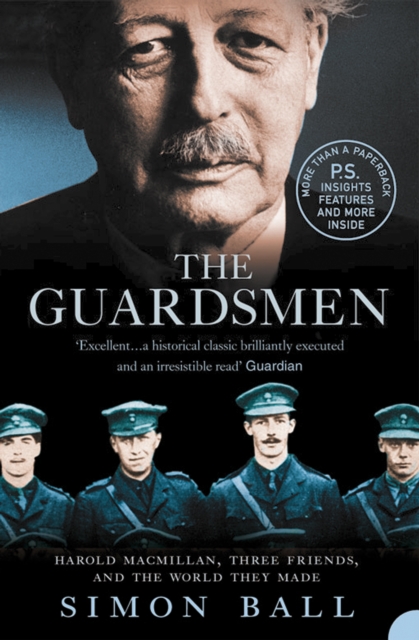
From the playing fields of Eton via the horrors of the Western Front to the pinnacle of political power in 20th-century Britain - a brilliant collective biography of Harold Macmillan, Lord Salisbury, Oliver Lyttleton and Harry Crookshank.
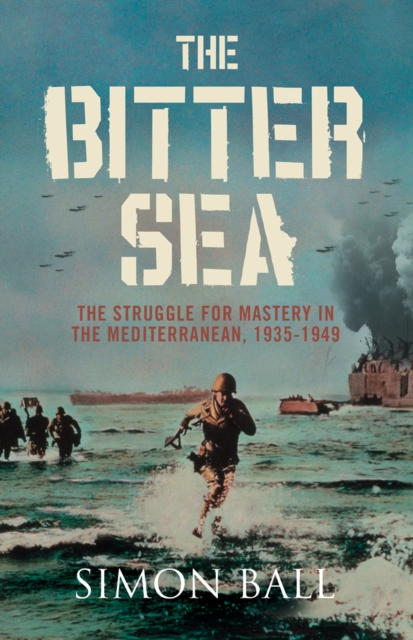
A gripping history of the Mediterranean campaigns from the first rumblings of conflict through the Second World War and into the uneasy peace of the late 1940s.
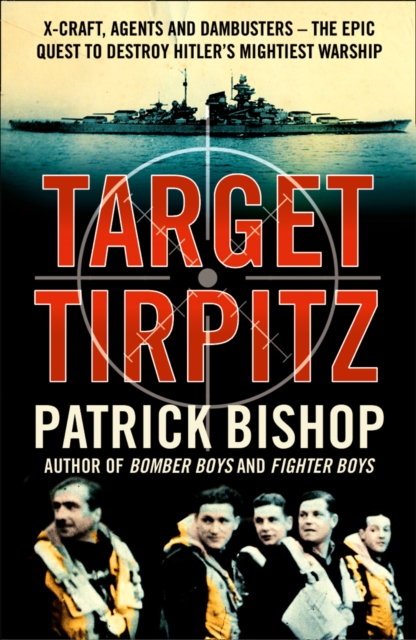
A gripping account of the epic hunt for Hitler's most terrifying battleship - the legendary Tirpitz - and the brave men who risked their lives to attack and destroy this most potent symbol of the Nazi's fearsome war machine.
The fantastic fourth classic instalment in the Martin Beck detective series from the 1960s - the novels that have inspired all Scandinavian crime fiction.
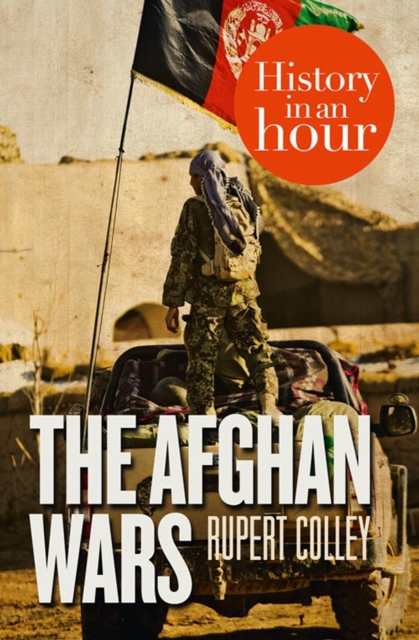
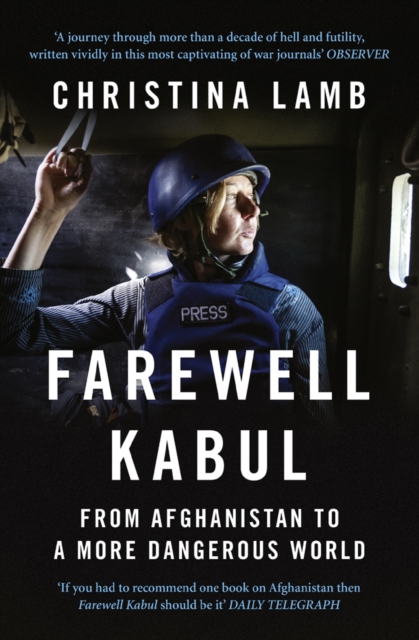
From the award-winning co-author of I Am Malala, this book asks just how the might of NATO, with 48 countries and 140,000 troops on the ground, failed to defeat a group of religious students and farmers?
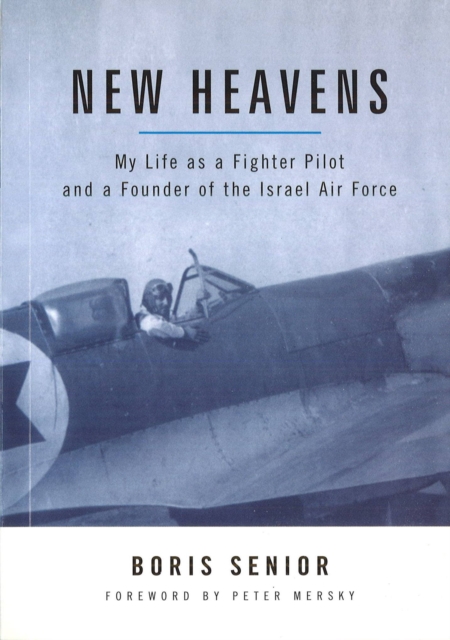
Although Boris Senior may not be well known outside Israel, he played an important, even vital, part in the formation of the Israel Air Force (IAF) and in the 1948 War of Independence.
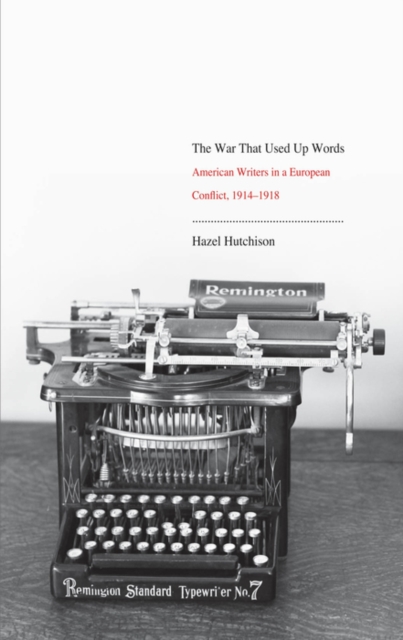
In this provocative study, Hazel Hutchison takes a fresh look at the roles of American writers in helping to shape national opinion and policy during the First World War.
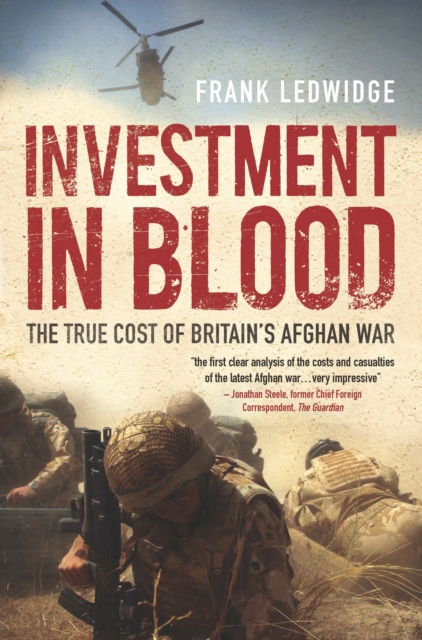
In this follow-up to his much-praised book Losing Small Wars: British Military Failure in Iraq and Afghanistan, Frank Ledwidge argues that Britain has paid a heavy cost - both financially and in human terms - for its involvement in the Afghanistan war.
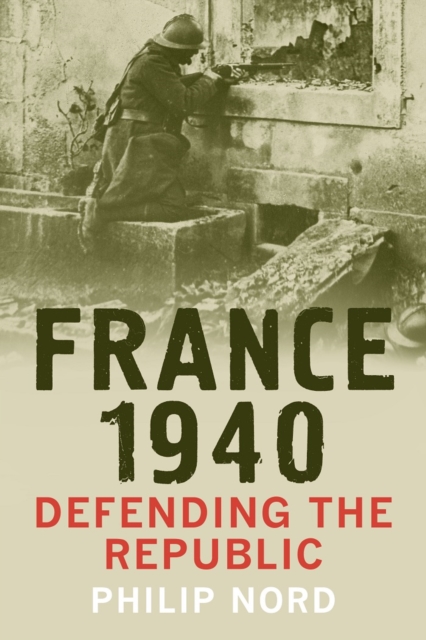
A new perspective on the calamitous fall of France in 1940 and why blame has been misplaced ever since In this revisionist account of France’s crushing defeat in 1940, a world authority on French history argues that the nation’s downfall has long been misunderstood.
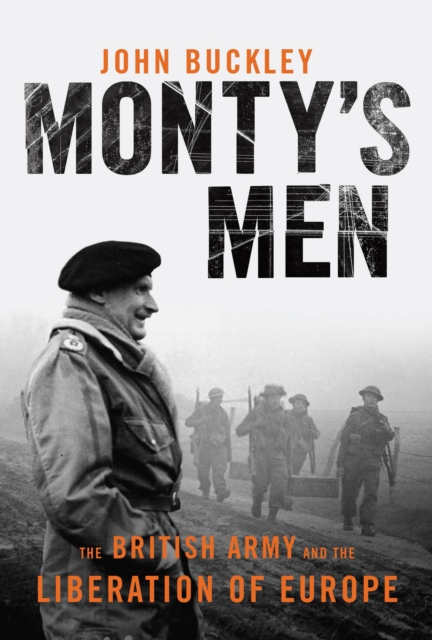
Historian John Buckley offers a radical reappraisal of Great Britain’s fighting forces during World War Two, challenging the common belief that the British Army was no match for the forces of Hitler’s Germany.
The relationship of England and Scotland became defined by events on 9 September 1513 in a battle of great size, bloodshed and finality - the Battle of Flodden.
A dramatic blow-by-blow account of the defeat of the Spanish Armada by the English fleet - a tale of daring and disaster on the high seas by one of our best narrative historians.