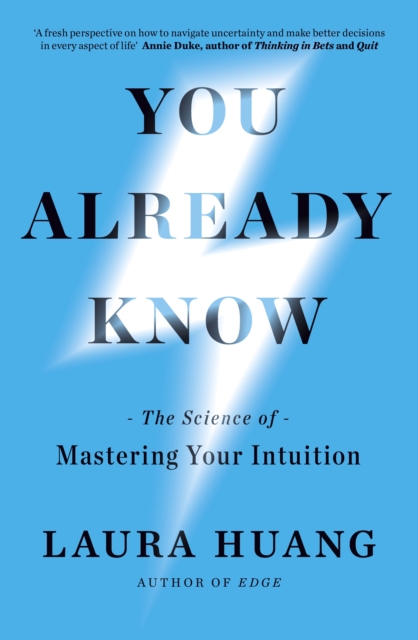
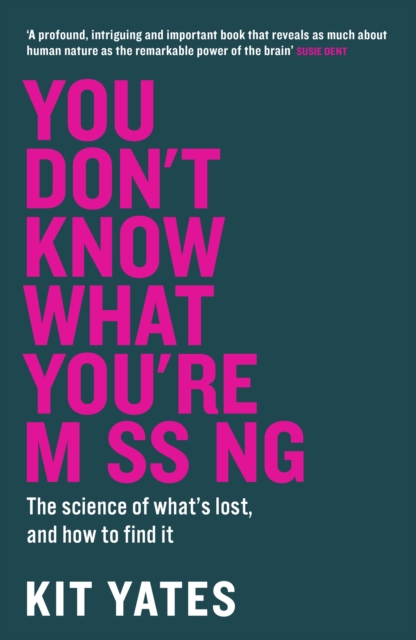
A Financial Times best book of 2025'This is the guide you've been waiting for'Steve Chen, co-founder, YouTube Masterfully reveals how to combine the rigour of data with the nuance of personal experience - and make better decisions in every aspect of life Annie Duke, author of Thinking in BetsYou Already Know reveals how to harness your intuition - your brain s natural blend of experience and data - to make smarter decisions and achieve more.
A gentle introduction to Finnish through three original short stories set in Finland, designed for A1-A2 beginner learners, blending simple language with traditional Finnish storytelling traditions.
Delivered from Darkness is a Christian prayer and deliverance book for those seeking freedom from spiritual bondage, hidden oppression, fear, torment, generational strongholds, and the unseen battles that weigh down the soul.
Si hay algo no quebrado en este libro es el embrujo con que la autora nos lleva a recorrer el terror cotidiano de la violencia a traves de los ojos de un nino: Samuel desplazado, roto, mudo recorre el tiempo que antecedio a su tragedia.
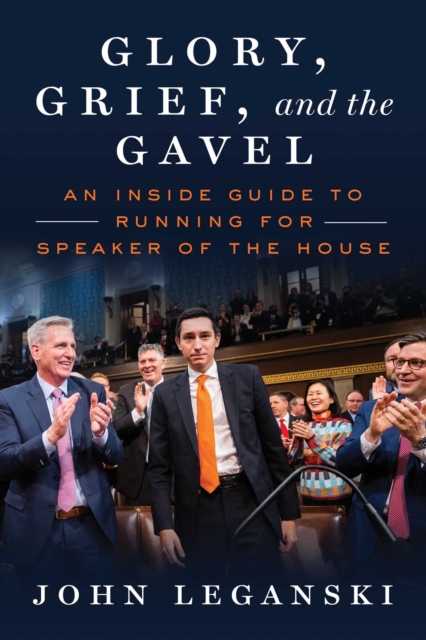
Glory, Grief, and the Gavel takes readers deep into the high-stakes world of Capitol Hill, pulling back the curtain on what it takes to lead one of the most complex and unruly institutions in America: the U.
The House of Bitter Oranges: Intermediate Bilingual Portuguese-English Short Stories is a collection of three bilingual short stories designed for intermediate learners of European Portuguese (Level B1–B2).
A remarkable account of the terrible climax of the Second World War in AsiaA Telegraph Book of the Year 2025 'A short but quietly devastating book, in which Overy adds new perspectives to a subject that has often been approached from a narrowly American angle.
How Unpleasant Things Become Irresistible MarketsThis book is a forensic examination of one of the most powerful and misunderstood forces in global capitalism: the engineered normalization of products that are, at first contact, biologically rejected.
Financial expert, investment advisor and New York Times bestselling author James Rickards shows how generative AI is reshaping the world of finance, explaining what smart investors can do to protect their assets.
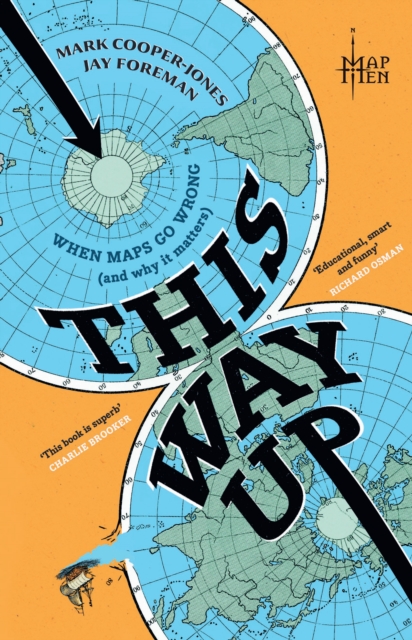
A SUNDAY TIMES #1 BESTSELLERA Waterstones Best Nature & Travel Writing Book 2025'Educational, smart and funny' Richard Osman'This book is superb' Charlie Brooker'Brilliant.
The book encompasses the important concepts ranging from the emergence and growth of sociology as a science covering the principles of sociology, general sociology, applications of sociology to mention a few.
Many problems have been addressing since 1950 to provide quality of life to everyone and state and central governments spend lots of resources to promote just social order but did not get a good yield.
The book encompasses the important concepts ranging from the emergence and growth of sociology as a science covering the principles of sociology, general sociology, applications of sociology to mention a few.
Dieses Buch geht einer stillen Faszination nach, die viele Menschen kennen: Was tun jene, denen außergewöhnliche Leistung gelingt, in den unbeobachteten Momenten ihres Tages – und was davon ist wirklich übertragbar?
What if the simple application of logic to some of the more obvious facets of human psychology offers the best path to enlightenment, transcendence, and realising our true nature?
If you are a leader who has ever walked out of a high-stakes moment wishing you had thought more clearly, decided more confidently, or acted with more conviction, the problem was not your experience.
Arbeitsbuch zum Thema "Sketchnotes" für Erzieherinnen und Erzieher sowie Leitungskräfte in Kita, Krippe und Ganztag +++ Wie vermittle ich den Eltern den Entwicklungsstand ihres Kindes, wenn sie mich nicht verstehen können?
Praxisratgeber für Erzieher und Erzieherinnen in Kita, Krippe, Kindertagespflege und Eltern, Alter: 0-3 Jahre +++ Spielen heißt lernen: Es gibt für Kleinkinder keine bessere Förderung, als sie von Beginn an ausgiebig zum Spielen zu ermuntern.
Many problems have been addressing since 1950 to provide quality of life to everyone and state and central governments spend lots of resources to promote just social order but did not get a good yield.
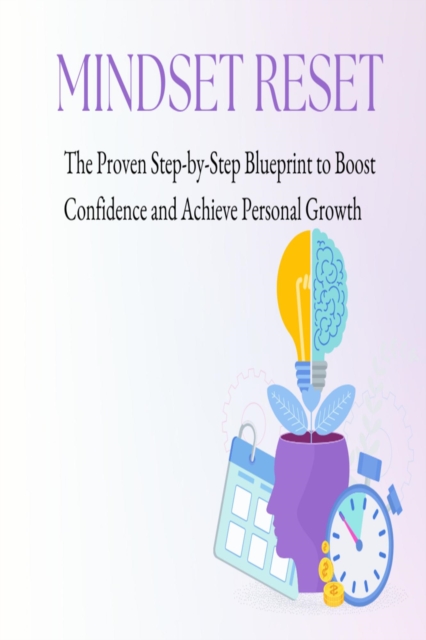
Mindset Reset: The Proven Step-by-Step Blueprint to Boost Confidence and Achieve Personal GrowthDo you feel stuck in negative thinking, self-doubt, or a lack of motivation?