Before multimillion-dollar salaries, luxury boxes, and player strikes became synonymous with professional sports, there existed the belief in playing simply "e;for the love of the game.
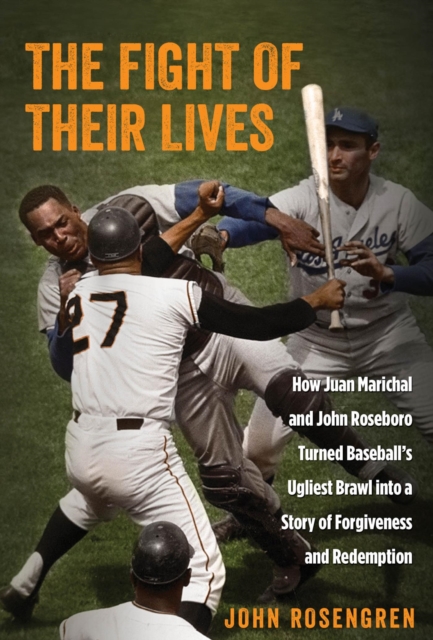
One Sunday afternoon in August 1965, on a day when baseballs most storied rivals, the Giants and Dodgers, vied for the pennant, the national pastime reflected the tensions in society and nearly sullied two men forever.
Bestselling sportswriter Peter Golenbock knew Mickey Mantle, Billy Martin, Jim Bouton, Joe Pepitone, and many of Mantle's friends, family, and teammates.
This book encompasses a unique decade in the history of the United States, one that figuratively exploded in terms of business expansion and worth, social experimentation, individual ingenuity and general prosperity the vast majority of those achievements coming in the first half of the period.
The reporter who broke the Houston Astros' cheating scandal reveals how a baseball team could so dramatically descend into corruption, with never-before-told details of a broken management culture, the once-revered leaders who enabled it and the scandal itself.
A fascinating and revealing look inside the lives of umpires, from the godfather of creative nonfictionIn 1974, Lee Gutkind walked into Shea Stadium, then home of the New York Mets, with an unusual proposal.
From "e;the clear-eyed poet laureate of baseball"e;-a definitive collection of three nonfiction classics chronicling MLB into the modern age (New York Post).
On Friday, October 7, 1977, the Philadelphia Phillies experienced some of the highest highs and lowest lows in their then 94-year history--all within the span of a single grey afternoon.
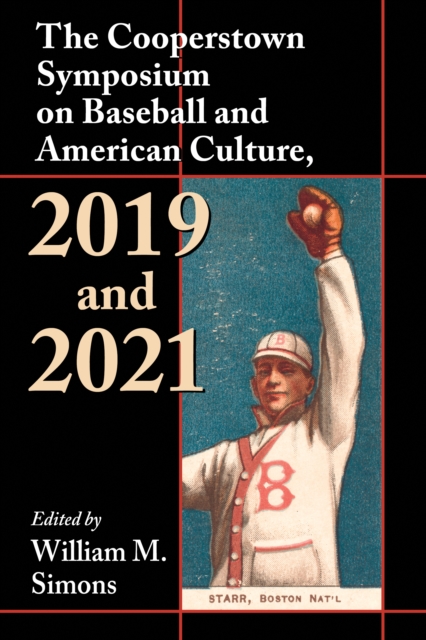
Selected from the two most recent proceedings of the Cooperstown Symposium on Baseball and American Culture (2019 and 2021), this collection of essays explores subject matter centered both inside and beyond the ballpark.
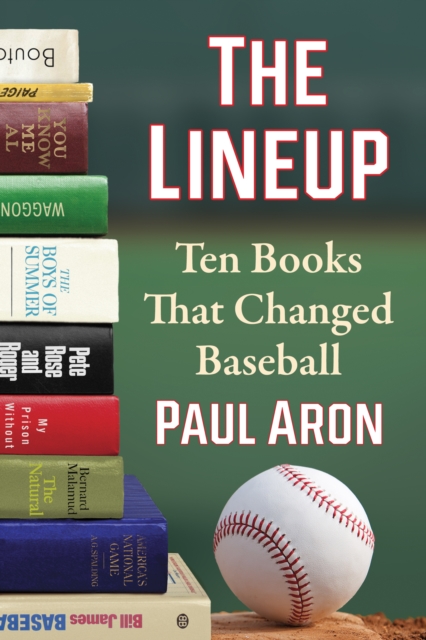
Focusing on the ten most influential baseball books of all time, this volume explores how these landmark works changed the game itself and made waves in American society at large.
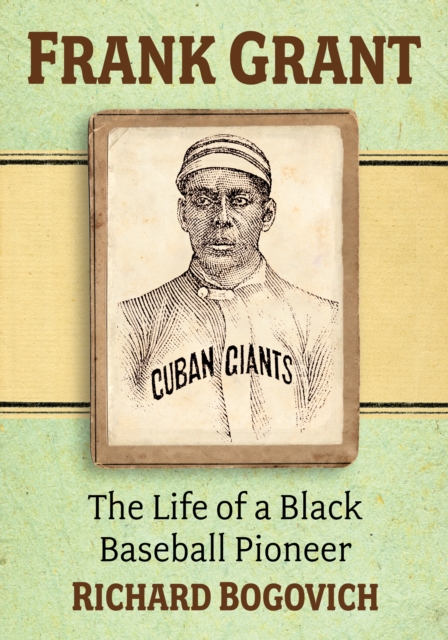
Widely considered the best black player of the 19th century, Hall-of-Famer Frank Grant challenged baseball's color barrier in the 1880s to play for all-white professional teams--two of which fought a legal battle for his services.
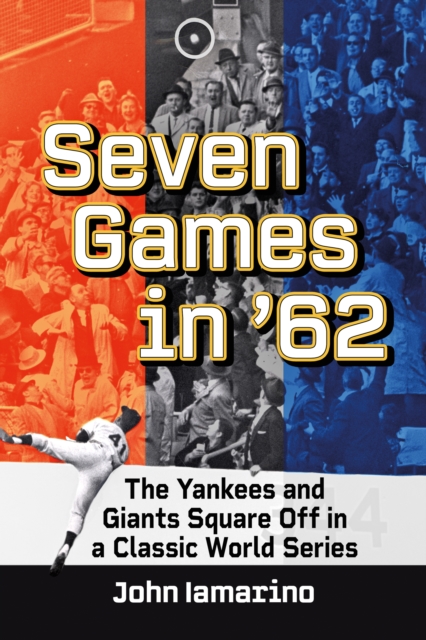
After seven games and 13 days, the outcome of the 1962 World Series hung on the final pitch, thrown by a pitcher for the New York Yankees to a hitter for the San Francisco Giants.
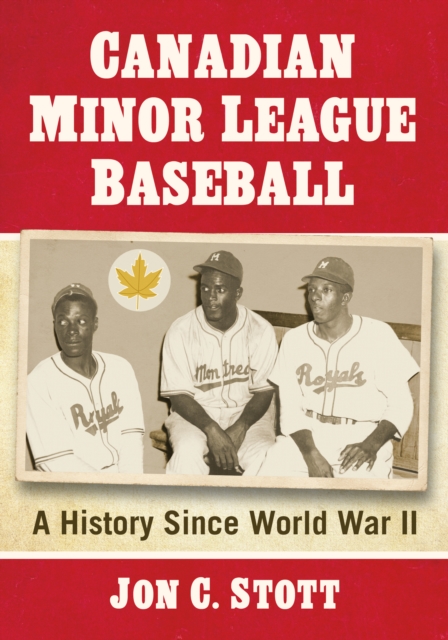
During 75 seasons of baseball (1946-2020), 71 teams in 21 minor leagues represented 35 Canadian cities, playing either under the aegis of the National Association of Professional Baseball Leagues (called Minor League Baseball since 1999) or independently.
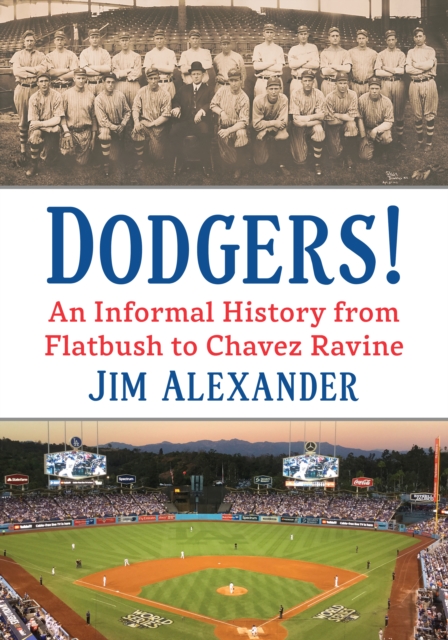
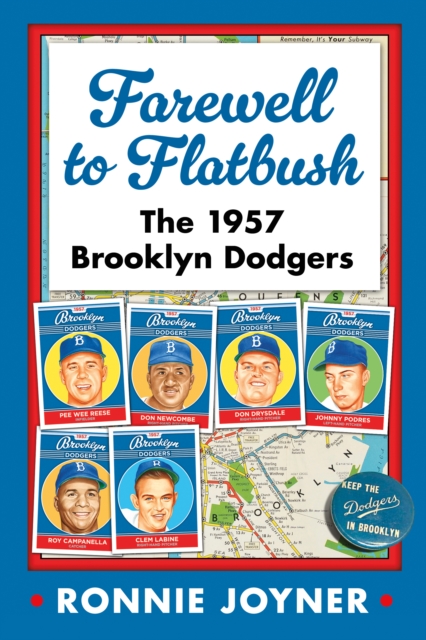
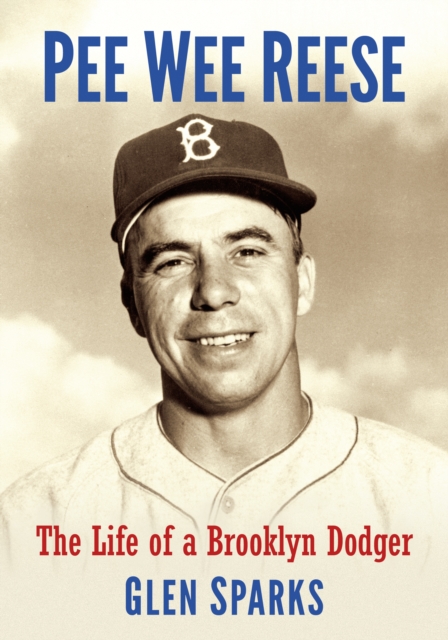
The 1957 Brooklyn Dodgers were past their prime but still boasted a powerful roster with iconic names like Pee Wee Reese, Gil Hodges, Carl Furillo, Duke Snider, Roy Campanella, Don Newcombe, Sandy Koufax and Don Drysdale.
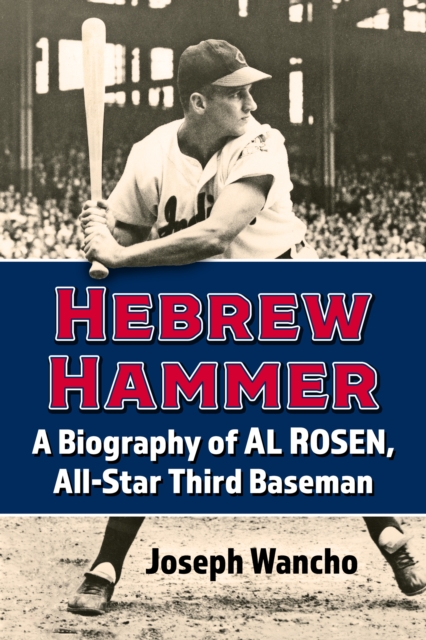
This first biography of four-time all-star Al Rosen covers the career of perhaps the best player on the fabulous Cleveland Indians' teams of the 1950s.
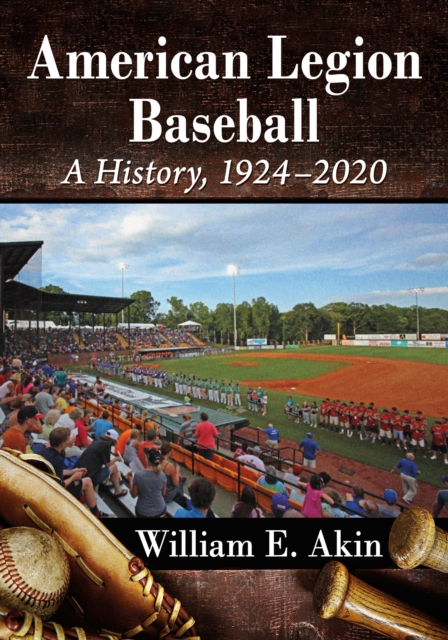
In the wake of the 1919 White Sox scandal and the suspension for life of eight players, baseball saw a precipitous decline in popularity, especially among America's youth.
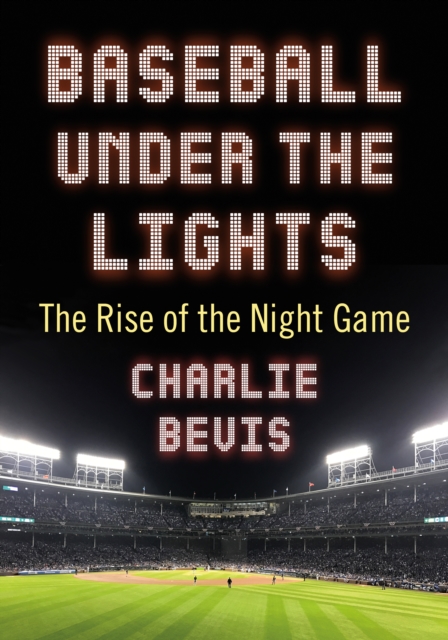
Night games transformed the business of professional baseball, as the smaller, demographically narrower audiences able to attend daytime games gave way to larger, more diversified crowds of nighttime spectators.
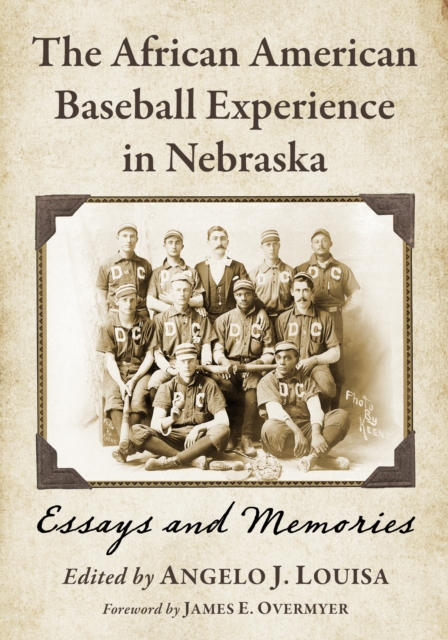
Nebraska is not usually thought of as a focal point in the history of black baseball, yet the state has seen its share of contributions to the African American baseball experience.