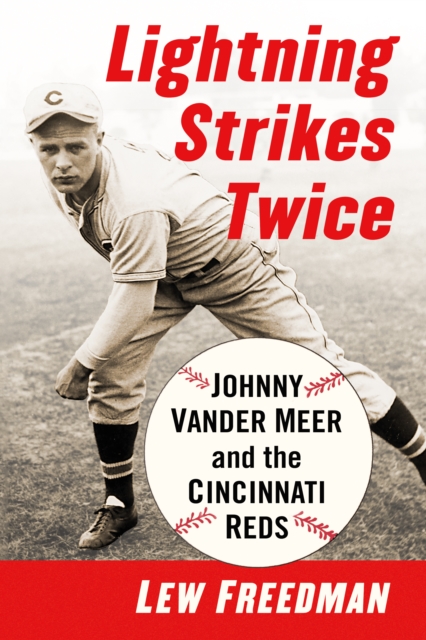
In June of 1938, southpaw Johnny Vander Meer of the Cincinnati Reds became the only pitcher in Major League history to hurl two consecutive no-hitters--an achievement that has stood unsurpassed for more than 80 years.
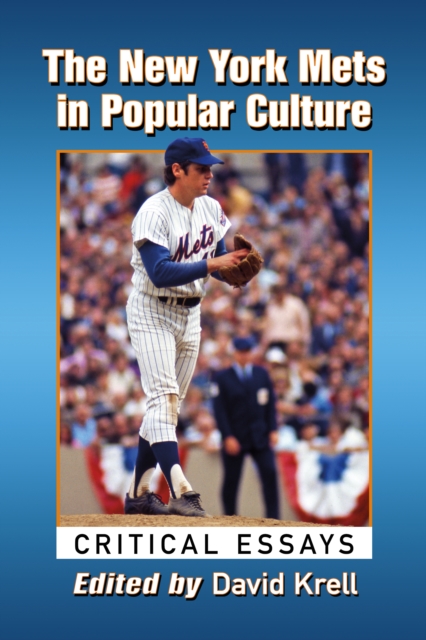
Bringing fresh perspectives to the team that has brought joy, triumph and even a miracle to New York City, this collection of new essays examines portrayals of the Mets in film, television, advertising and other media.
Despite the big market, bright lights and World Series rings, many Hall of Fame level players from the Mets and Yankees have been passed over by voters, often by good margins.
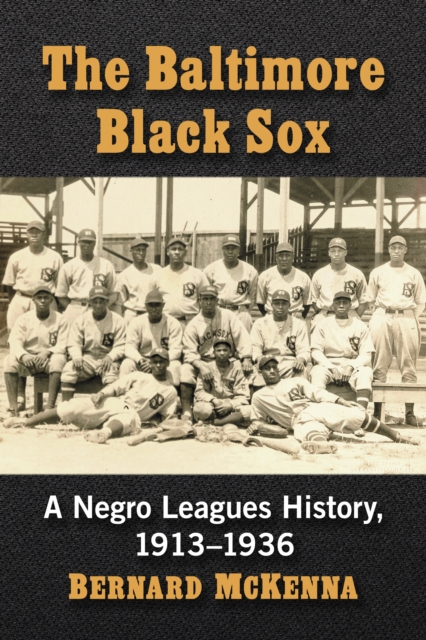
Providing a comprehensive history of the Baltimore Black Sox from before the team's founding in 1913 through its demise in 1936, this history examines the social and cultural forces that gave birth to the club and informed its development.
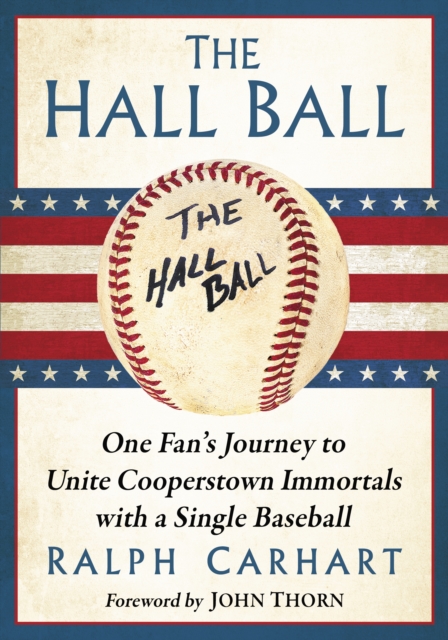
Rescued in 2010 from the small creek that runs next to Doubleday Field in Cooperstown, New York, a simple baseball launched an epic quest that spanned the United States and beyond.
Widely acknowledged as the preeminent gathering of baseball scholars, the annual Cooperstown Symposium on Baseball and American Culture has made significant contributions to baseball research.
In the words of former American League umpire Nestor Chylak, umpires are expected to "e;be perfect on the first day of the season and then get better every day.
Canadian-born George "e;Mooney"e; Gibson (1880-1967) grew up playing baseball on the sandlots around London, Ontario, before going on to star with the Pittsburgh Pirates of the National League.
Much has been written about Roger Maris and the historic summer of 1961 when he broke Babe Ruth's single-season home run record yet little is known about the pitchers on the other side of the tale.
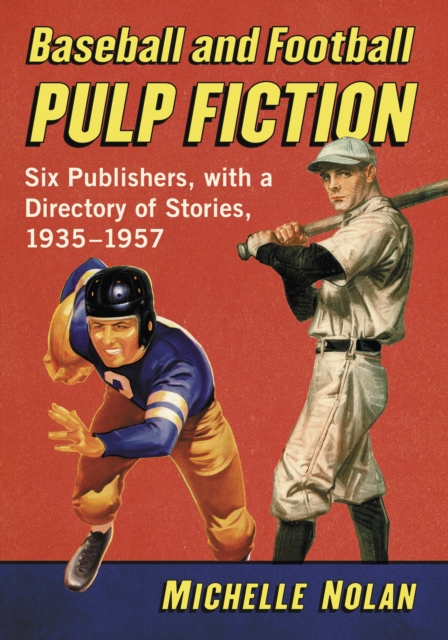
This first-ever volume focusing on sports pulp fiction devoted to America's two most popular pastimes of the 1935-1957 era--baseball and football--provides extensive detail on authors, along with examination of key plots, themes, trends and categories.
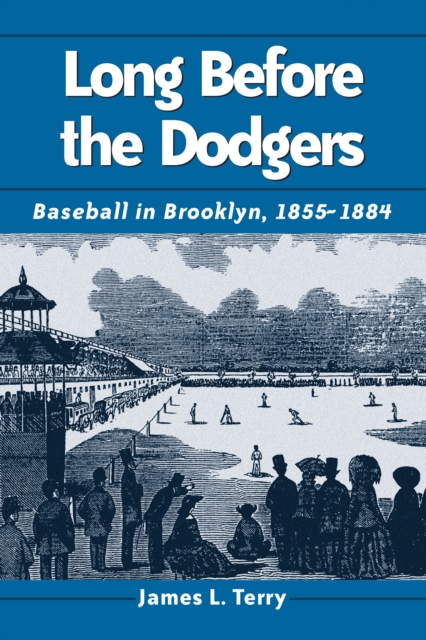
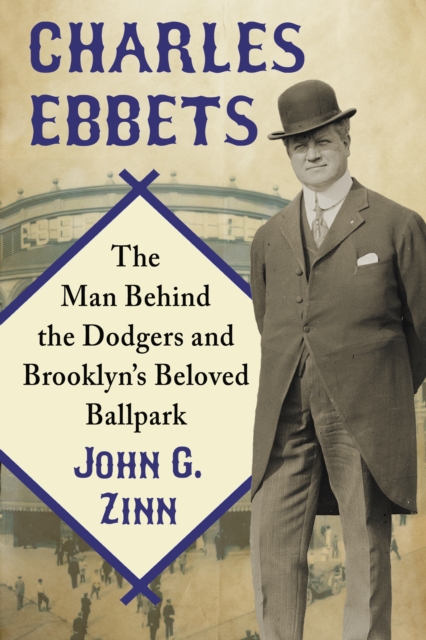
Exactly one hundred years before the Brooklyn Dodgers won the 1955 World Series, the Brooklyn Excelsiors were playing on the same grounds where the Dodgers would begin their long history.
Sidestepping the inflated egos and scandal that have infiltrated many men's sports, college female softball players exhibit power and grace on the field as well as camaraderie, high achievement and vulnerability off the field.
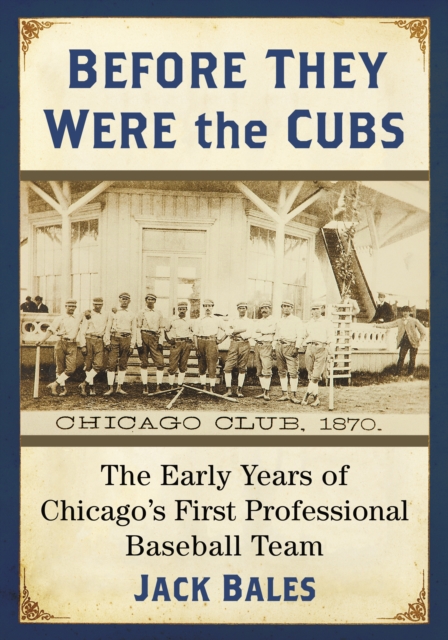
Founded in 1869, the Chicago Cubs are a charter member of the National League and the last remaining of the eight original league clubs still playing in the city in which the franchise started.
Since the Progressive Era, baseball has been promoted as an institution encapsulating the best of American values and capable of bridging the chasms of twentieth century American culture--urban versus rural, industry versus agriculture, individual versus community, immigrant versus native, white versus color.
Richly illustrated with nearly 1,000 examples of both autographs and forgeries, this new and expanded edition includes signature studies of all Hall of Famers from the 19th century to the present.
In the early 20th century, immigration, labor unrest, social reforms and government regulations threatened the power of the country's largest employers.
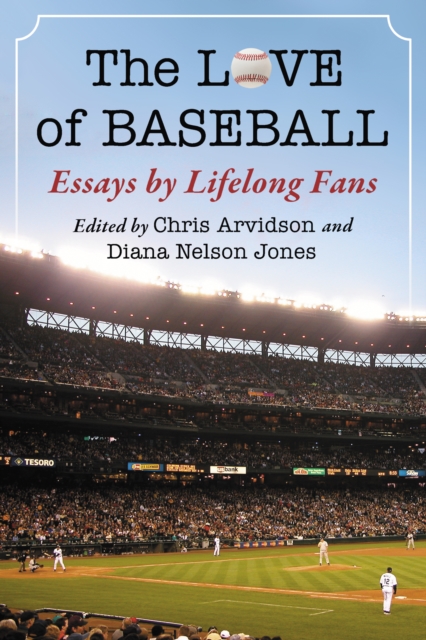
Written by and for baseball fans (or those trying to live with one), this collection of essays joins a perennial conversation all fans have--"e;Why do we love baseball?
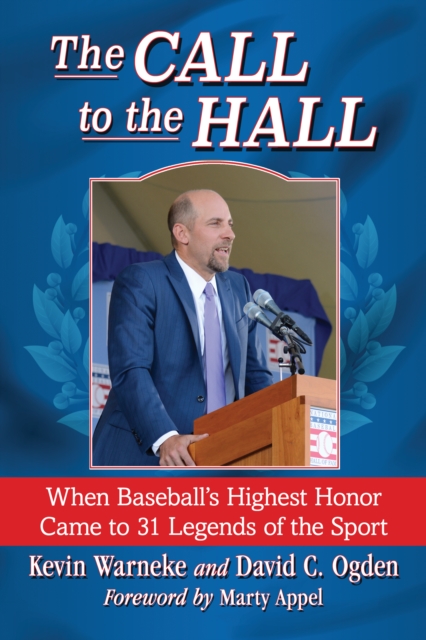
The names on the cast-bronze plaques hanging in the National Baseball Hall of Fame embody the history and drama of the sport--they are the royalty of baseball.
Part sports journalism, part history, part memoir, this many-sided narrative follows one season with the Blue Devils of Moscow, Idaho--a rural American Legion baseball team.
This collection of new interviews--conducted by the author--recounts some of the pivotal moments in the careers of professional baseball players and in American history.
Written for coaches, this book--in its expanded third edition--presents more than 200 baseball and softball games and activities for preschoolers through college age, focusing on teaching, improvement of skills and enjoyment.