This collection of fresh essays examines the intersection of baseball and social class, pointing to the conclusion that America's game, infused from its origins with a democratic mythos and founded on high-minded principles of meritocracy, is nonetheless fraught with problematic class contradictions.
The fifty-eight year Easter Monday baseball rivalry between North Carolina State University and Wake Forest University had a traditional fraternity celebration known as the PIKA Ball, held on the N.
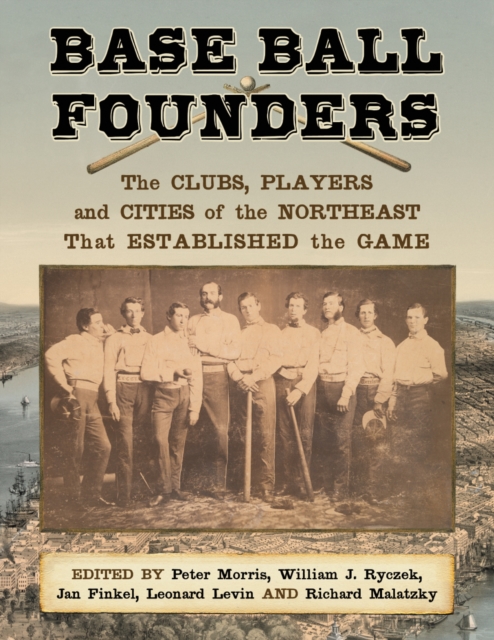
This book completes the series of histories of the clubs and players responsible for making baseball the national pastime that began with Base Ball Pioneers, 1850-1870 (McFarland 2011).
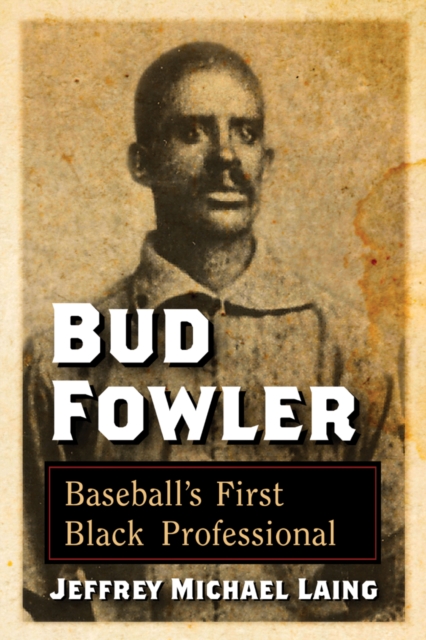
This is the biography of Bud Fowler (ne John Jackson), the first African American to play in organized baseball, and the longest tenured at the time that the color line was drawn.
After many disappointing seasons during the 1930s, the 1938 Pittsburgh Pirates looked like they were finally poised to claim their first National League pennant since 1927.
Although Andrew "e;Rube"e; Foster (1879-1930) stands among the best African American pitchers of the 1900s, this baseball pioneer made his name as the founder and president of the Negro National League, the first all-black league to survive a full season.
In the years following the decline of the New York Yankees dynasty that ended in 1964, three American League teams endeavored to stake their claim to the Junior Circuit's crown.
This book is the result of one man's twenty-year quest to solve some of baseball's most enduring mysteries--the "e;cold cases"e; of major leaguers about whom virtually nothing is known.
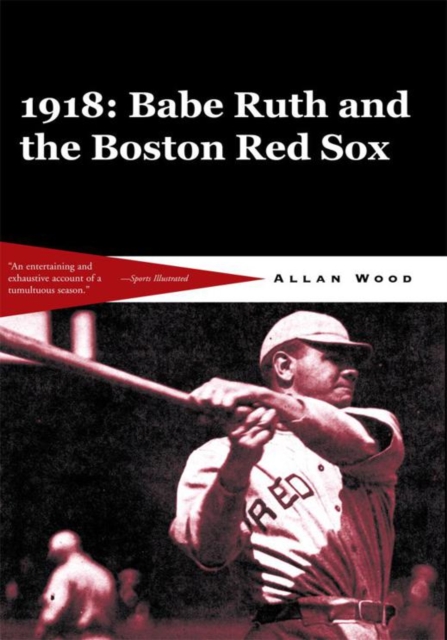
This is the story of one of the most dramatic baseball seasons ever, as it stretched both backwards and forwards--from the ghosts of seasons and players past to the reality of what followed.
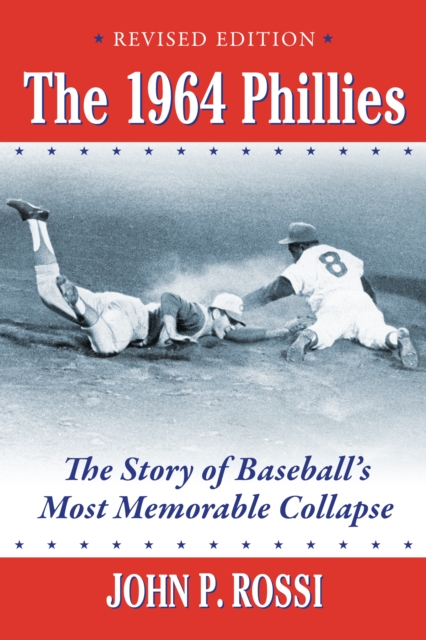
With more losses and last-place finishes than any other club in Major League Baseball, the Philadelphia Phillies have earned a reputation as one of the most unsuccessful teams ever to take the field.
Under the attentive guidance of a volunteer manager passionate about baseball, a group of boys assembled as the B team to play travel baseball for their town team.
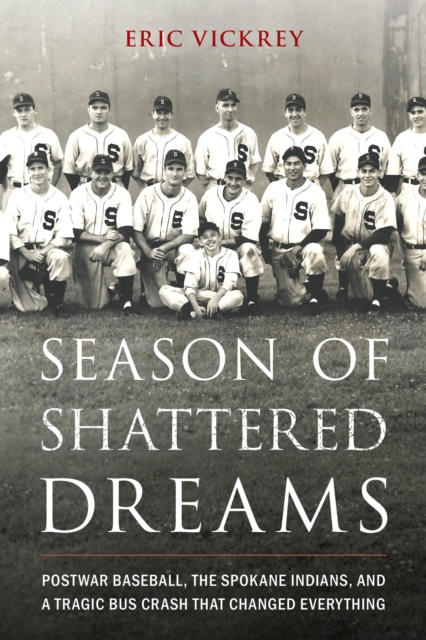
The story of one of the most significant and overlooked seasons in professional baseball, told through the travails of the Spokane Indians On June 24, 1946, a bus carrying the Spokane Indians baseball team crashed to the bottom of a deep ravine in Washington state's Cascade mountains, killing nine players.
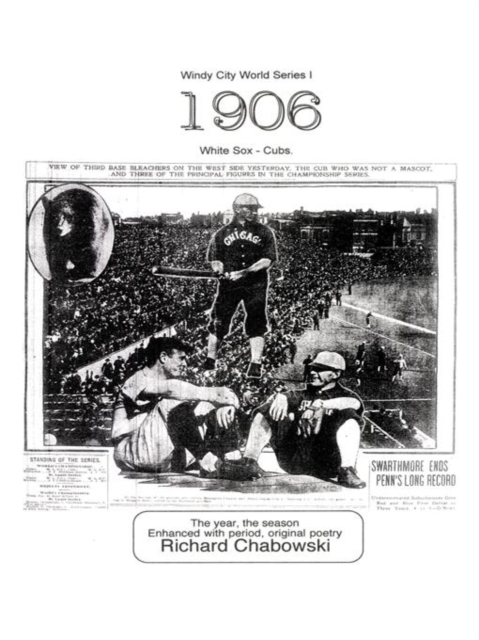
The year 1906 holds special significance for the city of Chicago for a number of reasons, but probably nothing generated as much excitement as the all-Chicago World Series that pitted the White Sox against the Cubs.
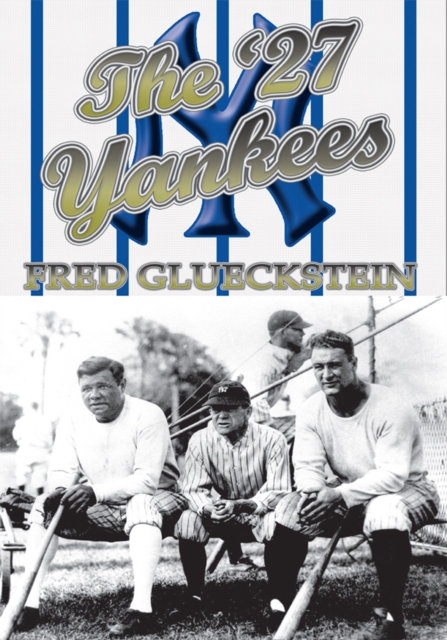
Their names conjure up the golden era of New York Yankees history and the sport of baseball itself; names like Babe Ruth, Lou Gehrig, Tony Lazzeri, Earle Combs, Waite Hoyt, and Herb Pennock.
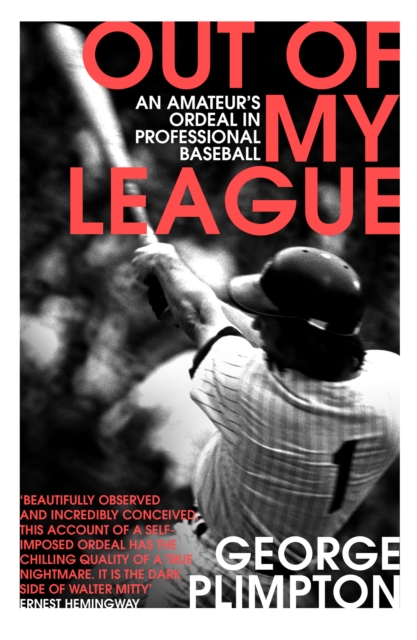
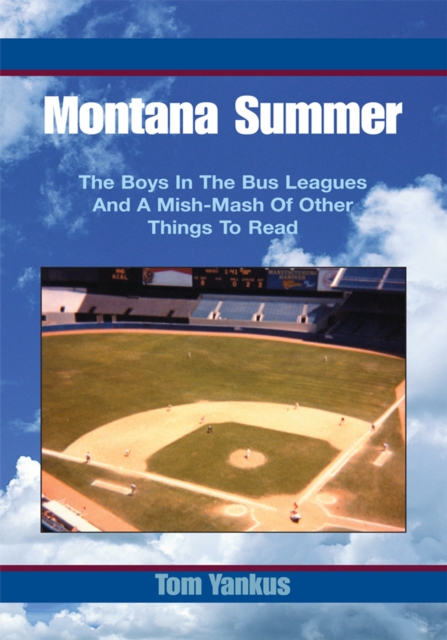
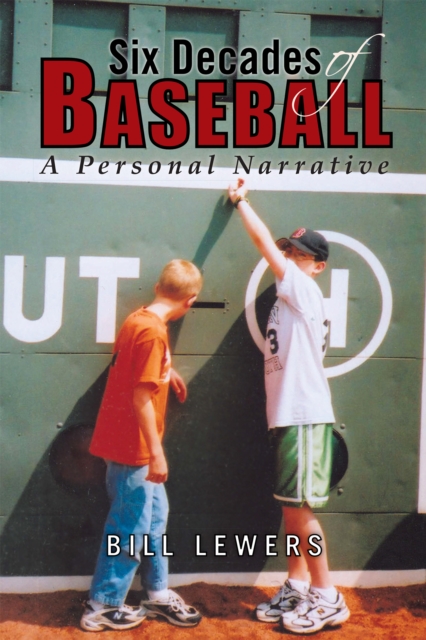
In this autobiographical sweep through the mists of baseballs past, the author recounts his summer of professional baseball as a pitcher/bus driver for a Class C team in Missoula, Montana in 1956.
Big League Trivia - Facts, Figures, Oddities, and Coincidences from our National Pastime is a unique trivia book divided into twenty-four chapters dealing with various areas of the great game of major league baseball.
Mark Twain called baseball "e;the very symbol, the outward and visible expression of the drive and push and rush and struggle of the raging, tearing, booming nineteeth-century"e;.
The Complete Mental Game is a comprehensive instructional system to guide the baseball player --- at any competitive level---- to take chagre of the process of playing the game, on and off the baseball diamond.
Washington Senators All-time Greats is one of the first books covering the first 101-year history of the Senators/Nationals before they were reborn with the transfer of the Montreal Expos to Washington in 2005.
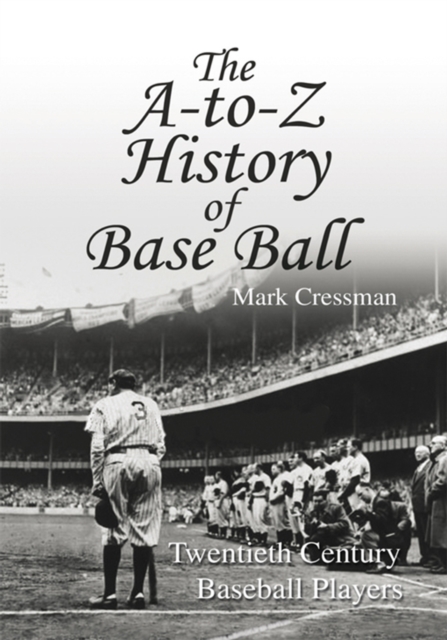
The A to Z History of Base Ball: Twentieth Century Baseball Players explores the careers of the finest professional baseball players who played during the 20th Century.