Whether you are sitting at the ballpark on a lazy summer afternoon or counting down the days until the start of spring training, Hot Stove Trivia will always keep you in the game with more than two hundred fascinating trivia questions about Americas pastime.
When the Boston Red Sox faced the New York Yankees in the historic 2003 American League Championship Series, the meeting seemed to serve as the climax to perhaps the greatest rivalry in professional sports.
Sweet Lou and the Cubs chronicles from the inside-out Lou Piniella's stirring and celebrated quest to reverse the team's fortunes after a record 100 years without a World Series championship.
Following the tradition of the previous four books in the series, The Yankees Fan's Little Book of Wisdom is geared to enlighten, educate, and amuse fans of baseball's most celebrated franchise.
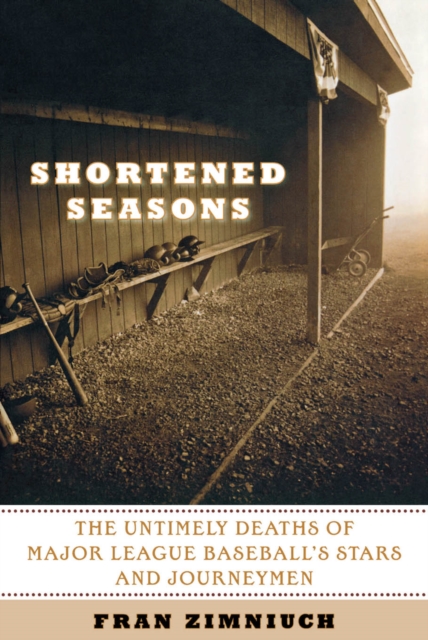
Shortened Seasons recounts the stories of some of the baseball players who never made it back for the next game, who died with the suddenness of a walk-off homerun.
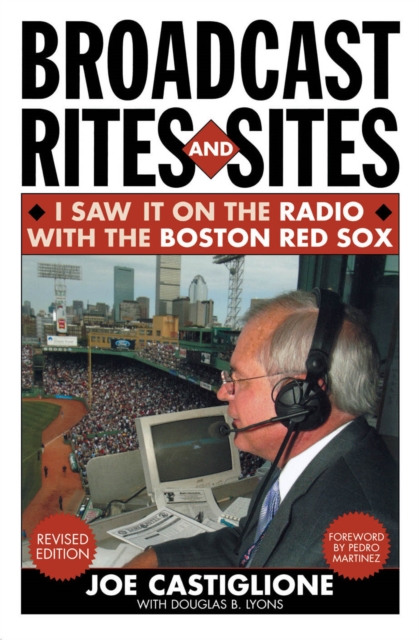
In Broadcast Rites and Sites: I Heard It on the Radio with the Boston Red Sox, Joe Castiglione gives his educated opinions on his favorite sightseeing, shopping, and restaurants from coast-to-coast.
The fifth in Diamond Communications' "e;Little Book"e; series, The Giants Fan's Little Book of Wisdom combines history, quotes, facts, and humor and gives fans of the San Francisco Giants 101 reasons to laugh, reminisce, and celebrate the game and the team they love.
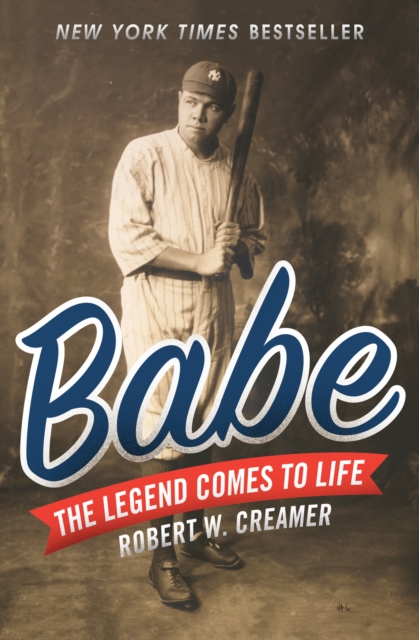
Once in a great while there appears a baseball player who transcends the game and earns universal admiration from his fellow players, from fans, and from the American people.
The first in Diamond Communications' Little Book series, The Cubs Fan's Little Book of Wisdom combines history, quotes, facts, and humor and gives fans of the team 101 reasons to laugh, reminisce, and celebrate the game and the team they love.
Each generation of Pirate fans has been blessed with a pantheon of heroes: Honus Wagner, Pie Traynor, Bill Mazeroski, Roberto Clemente and Willie Stargell.
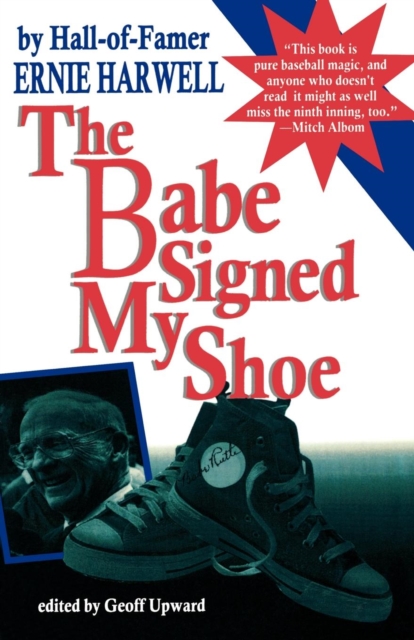
Spanning from the time he talked Babe Ruth into signing his tennis shoe at the age of 12 to his last Tiger broadcast more than 60 years later, this book is a personal scrapbook of Hall-of-Famer Ernie Harwell's life-long love of baseball.
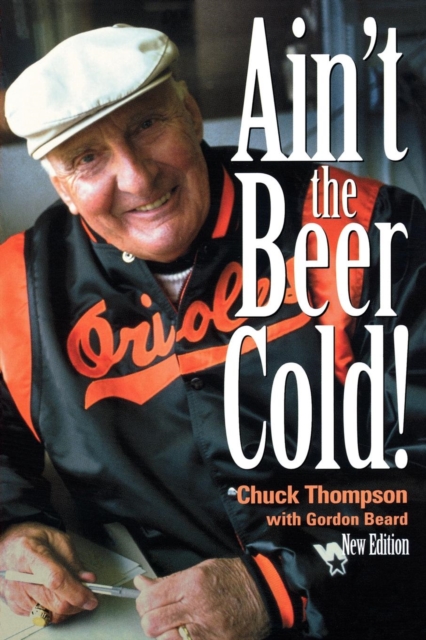
Hall of Fame broadcaster Chuck Thompson, with the assistance of veteran Associated Press sportswriter Gordon Beard, shares a personal play-by-play account of his celebrated career and life in this newly updated paperback edition of Ain't the Beer Cold!
Anecdotes from the Mets' roller-coaster history, from their basement-dwelling teams on the early '60s, to the Amazin' Mets of 1969, through their World Series run in 1986, to the present.
Home of the Game celebrates the unique position Camden Yards holds as a symbol of the modern game and a prototype for new ballparks across the country.
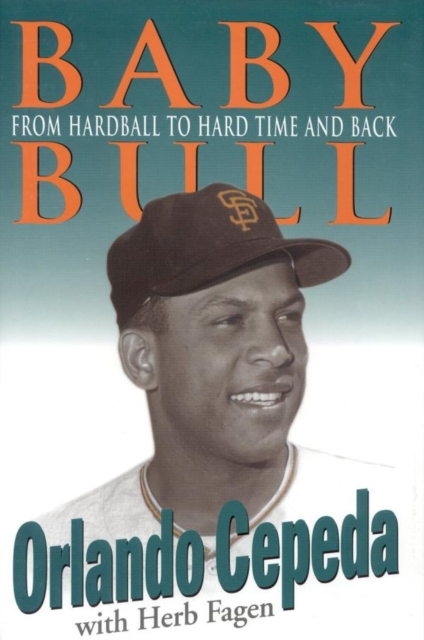
Orlando Cepeda enjoyed a stellar baseball career in the late fifties and throughout the sixties, but after it ended in the mid-seventies, his life fell apart.
A grandfathers trips with his grandchildren to baseball parks around the country is the backdrop for the light-hearted but instructional telling of stories about some stellar baseball players.
A chronicle of our national pastime’s most unforgettable era from the bestselling author of The Summer Game—“No one writes better about baseball” (The Boston Globe).
This New York Times bestseller “takes you into the heart of baseball as it was in the 1960s, conveyed with humor and insight” (Tim McCarver, The Wall Street Journal).
A "e;hilarious"e; look back at the 1962 Mets and their record as the worst baseball team in history by the New York Times-bestselling author (Newark Star-Ledger).
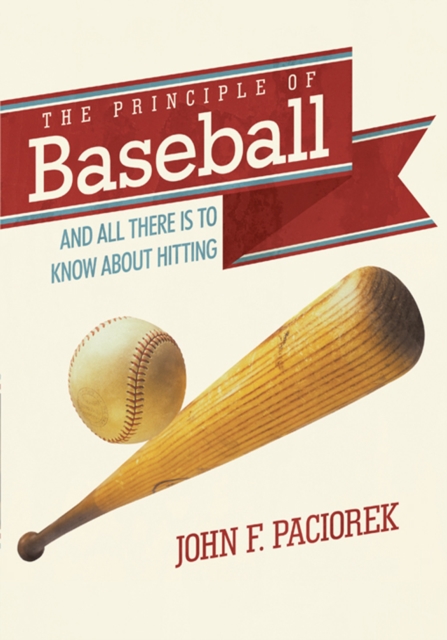
"e;John's Book looks at Baseball, and its two most precious elements of Batting and Throwing, from the multiple standpoints of the 'superficially' physical and mental; from the 'meta-physically' scientific; and from the 'all-inclusiveness' of Spirituality.
This book will appeal to life-long baserball fans, particularly those who have followed the game for many years--specifically males over the age of 60, perhaps even age 50, too.