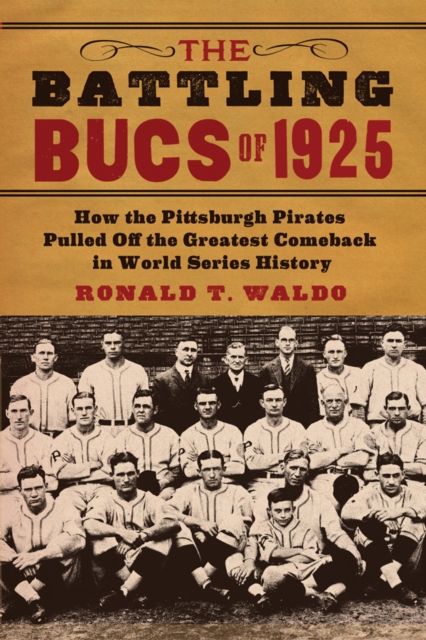
After coming close to winning the pennant on more than one occasion during the early 1920s, the Pittsburgh Pirates finally shed the stigma of being underachievers and claimed the National League flag in 1925, ending the New York Giants' four-year reign at the top of the league.
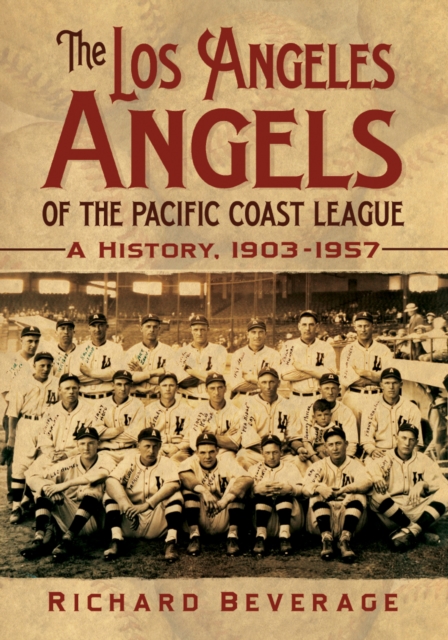
Long before the Brooklyn Dodgers and New York Giants brought the major leagues to California in 1958, professional baseball thrived on the West Coast in the form of the Pacific Coast League (PCL).
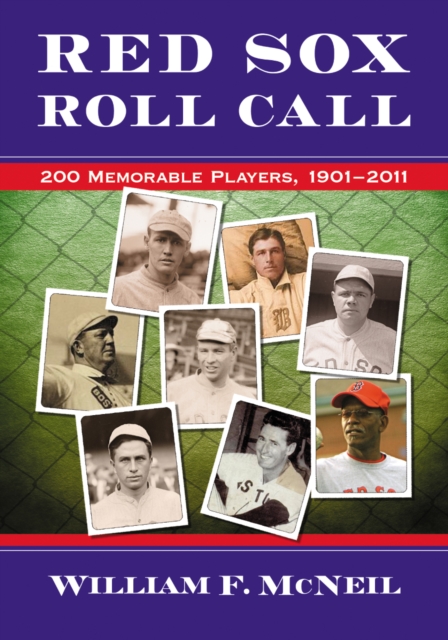
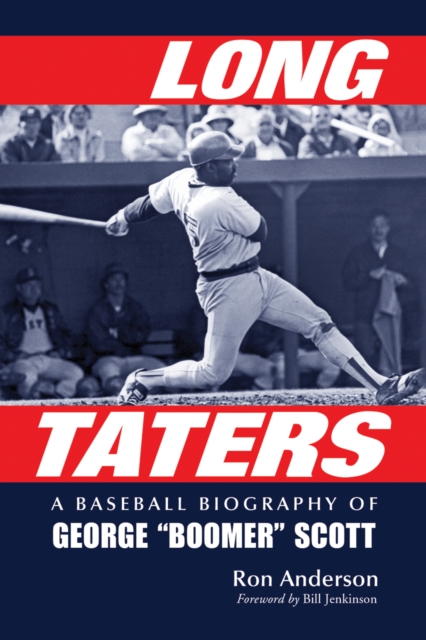
When African American first baseman George "e;Boomer"e; Scott made his debut in the major leagues in 1966, he took the field for the Boston Red Sox--the last major league team to field a black ballplayer, only seven years before.
This work follows the journey Peter Taylor undertook during the summer of 2007 (and a bit of 2009), when he set out to achieve a long held ambition and see a baseball game in every major league ballpark, a minor league game in those states without a major league franchise, plus the All-Star game and the post-season.
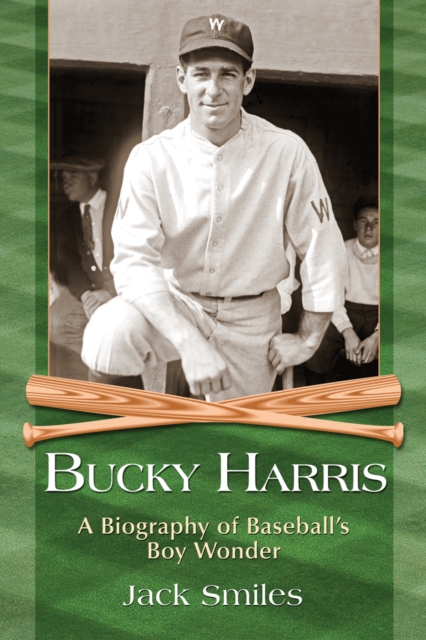
In 1924, at the age of 27, manager and second baseman Stanley "e;Bucky"e; Harris--aka "e;The Boy Wonder"e;--led the Washington Senators to their only World Series championship.
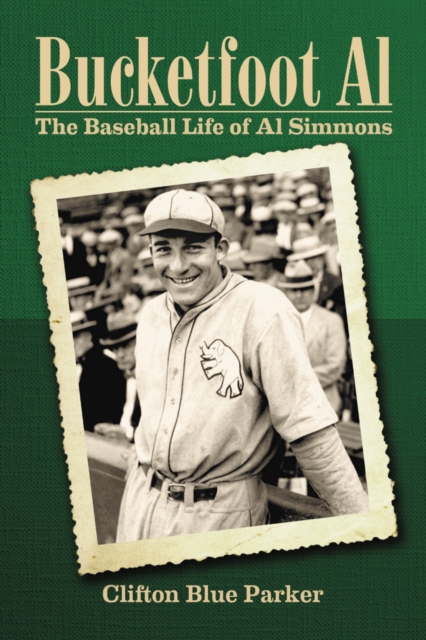
Al Simmons, at top form in the Roaring Twenties, sparked one of baseball's greatest dynasties, the Philadelphia Athletics, to multiple championships, before becoming just another ballplayer.
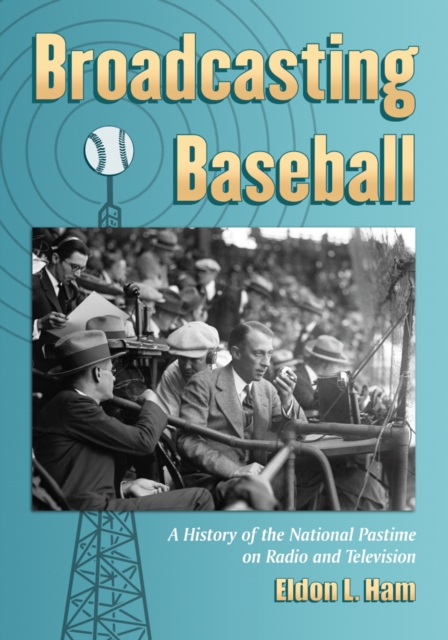
There is a long-standing relationship between broadcasting and sports, and nowhere is this more evident than in the marriage of baseball and radio: a slow sport perfectly suited to the word-painting of broadcasters.
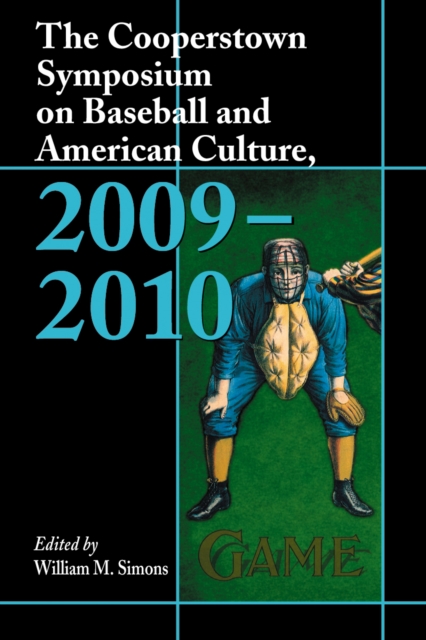
The Cooperstown Symposium on Baseball and American Culture, 2009-2010 is an anthology of scholarly essays that utilize the national game to examine topics whose import extends beyond the ballpark and constitute a significant academic contribution to baseball literature.
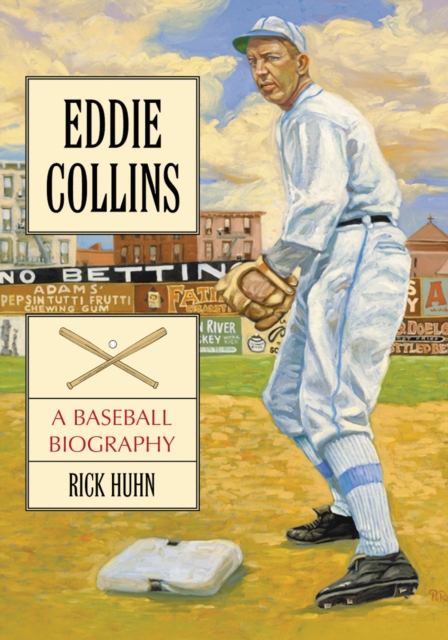
In what is sure to be the definitive book on Eddie Collins's life and long career, author Rick Huhn covers the Hall of Fame player's experiences from childhood through his days at Columbia University, his tenure with the great Athletics clubs of 1906-1914, the highs and lows of a championship and scandal with the White Sox, and his return to the A's during their final run at greatness.
Shortly after the independent Carolina League was formed in 1936, officials of the National Association of Professional Baseball--which oversaw what was known as "e;organized baseball,"e; including the major leagues--began a campaign to destroy the league.
On September 29, 1945, the Chicago Cubs' fireball pitcher Paul Erickson threw a curve ball to Tommy O'Brien of the Pittsburgh Pirates with two outs in the bottom of the ninth inning.
This is an anthology of 24 papers that were presented at the Fourteenth Cooperstown Symposium on Baseball and American Culture, held in June 2002, and co-sponsored by the State University of New York at Oneonta and the National Baseball Hall of Fame and Museum.
This is an anthology of 14 papers that were presented at the Ninth Cooperstown Symposium on Baseball and American Culture, held in June 1997 and co-sponsored by the State University of New York at Oneonta and the National Baseball Hall of Fame and Museum.
As scholarly interest in baseball has increased in recent years, so too has the use of baseball both as subject and as teaching method in college courses.
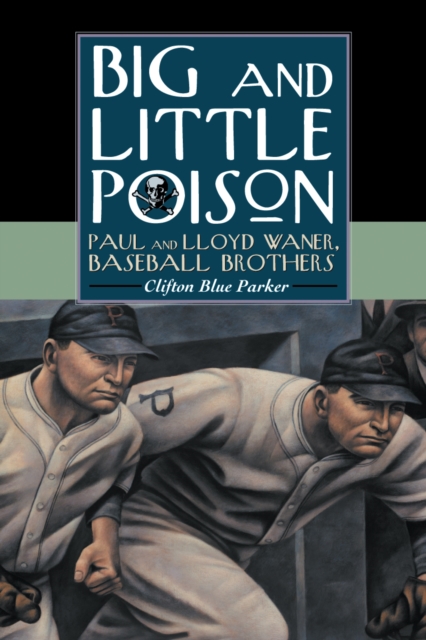
The Waner brothers, Paul and Lloyd--also known as "e;Big Poison"e; and "e;Little Poison"e;--played together for fourteen seasons in the same Pittsburgh outfield in the 1920s and 1930s.
After Babe Ruth erased Buck Freeman's record in 1919, the new mark stood for 34 years before Maris bettered it, defying as he did an incredulous sporting public.
Joe McCarthy was headed towards a career as a plumber--until the parish priest intervened, and convinced McCarthy's mother that he could make more of himself in baseball.
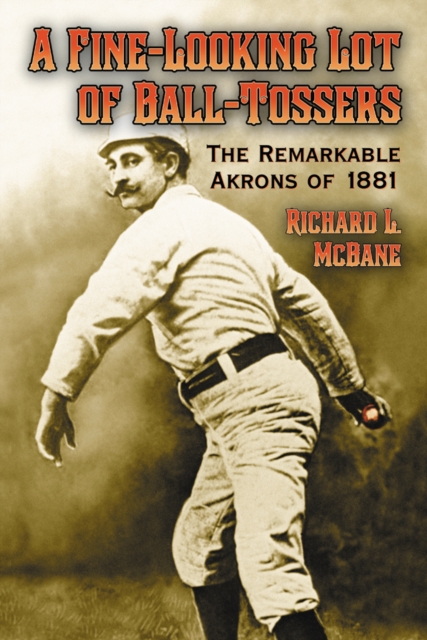
The Akron club's accumulation of talented ballplayers and its success against the best opposition of the time set it apart from the general development of 19th century baseball.
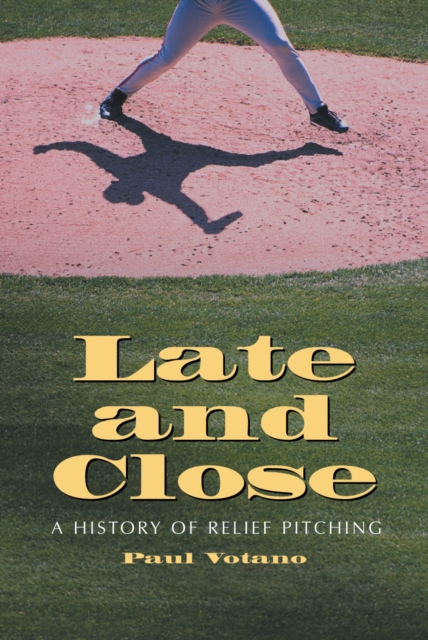
Relief pitchers have important roles in baseball today, often coming in to pitch at some of the game's most critical and exciting moments, but they have not always been a part of the game.
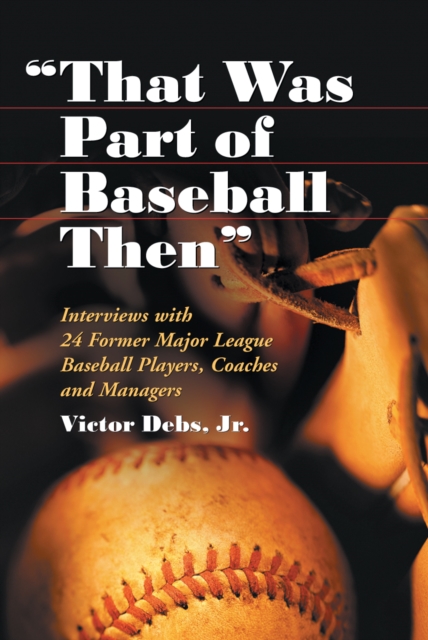
In this collection of interviews, baseball players, coaches, and managers speak candidly about their most memorable moments and experiences in baseball's big leagues.