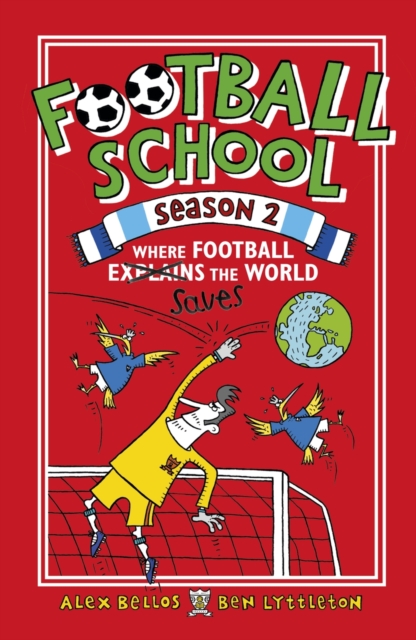
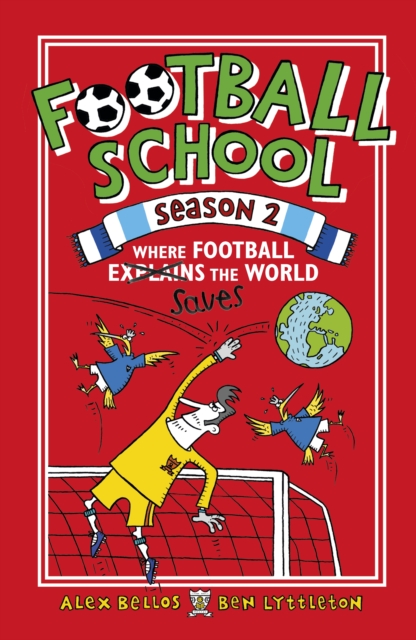
Football School Season 2 is part of the bestselling Football School series, which teaches you about the world through football, packed with superstar stories, fun facts and laugh-out-loud illustrations.
Football School Season 2 is part of the bestselling Football School series, which teaches you about the world through football, packed with superstar stories, fun facts and laugh-out-loud illustrations.
*Everymom Best Book for Early Reading*In this book from the highly acclaimed Little People, BIG DREAMS series, discover the incredible life of Leo Messi,one of the worlds most skilled and celebrated soccer players.
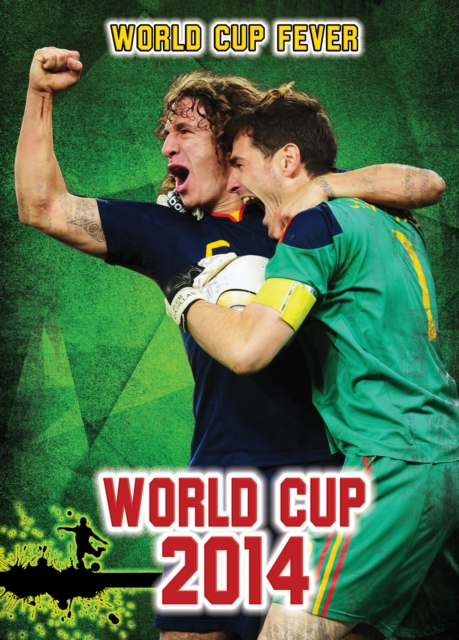
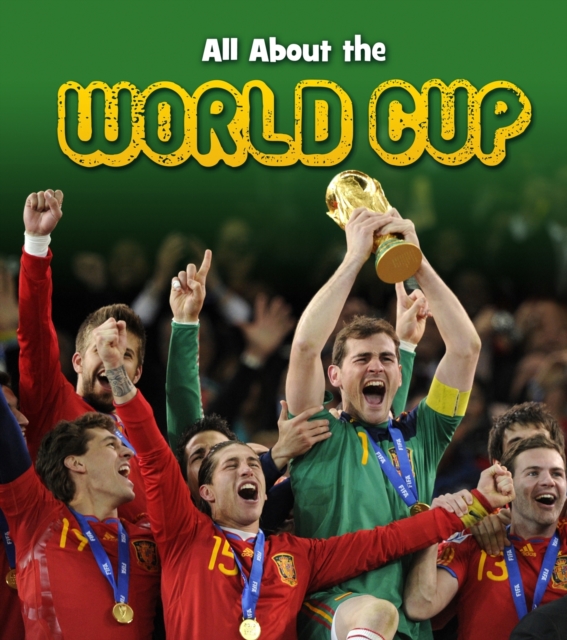
Designed to link into the 2014 World Cup in Brazil, this book provides a starting point for young children learning about the world's biggest football tournament.
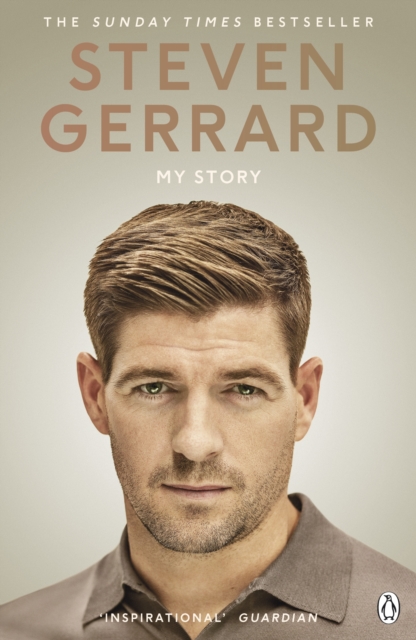
Get ready for the Euros by journeying through the iconic and searingly honest story of one of the country's best ever footballers'A truly world class career .
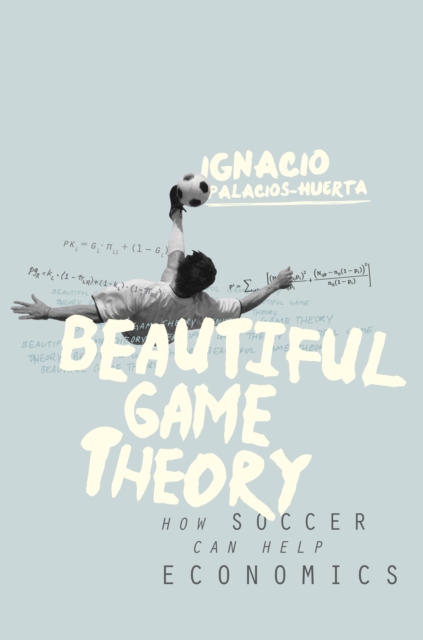
The first book to use the world's most popular sport to test economic theories and document novel human behaviorA wealth of research in recent decades has seen the economic approach to human behavior extended over many areas previously considered to belong to sociology, political science, law, and other fields.
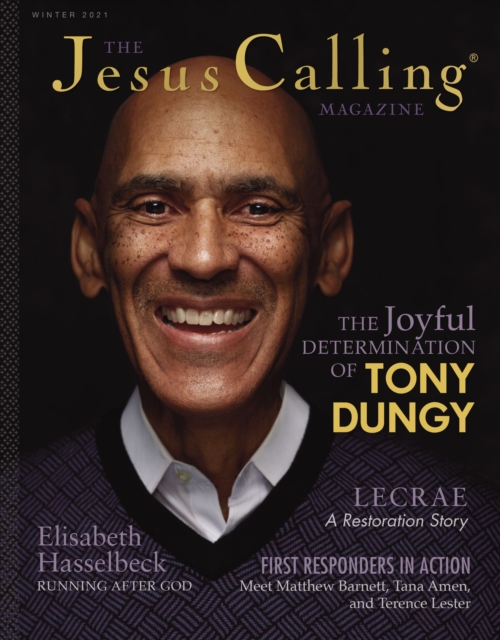
This edition includes an interview with Coach Tony Dungy on his latest winning season of life; how former television broadcaster Elisabeth Hasselbeck learned to wait for God to reveal her unique purpose; a closer look at how the transforming love of God changed rhymist and author Lecrae; and the story of former WWE wrestler and Olympic champion Kurt Angle who realized his strength was no match for his addictionshe needed God.
This edition of The Jesus Calling Magazine features actors and '90s icons Carlos and Alexa PenaVega as they talk about serving Jesus; educator and author Sonya Curry explains how God helps to complete us; Fox News' Ainsley Earhardt shares how she celebrates every child; country singer-songwriter Travis Tritt reveals how God guides his path; plus read about the Christmas traditions from some of your favorite celebrities.
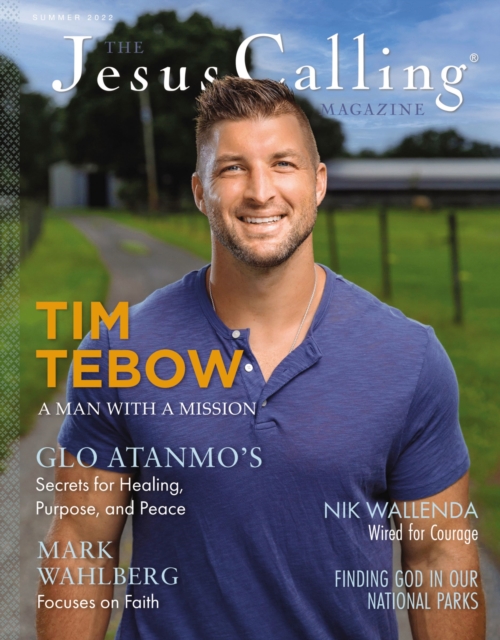
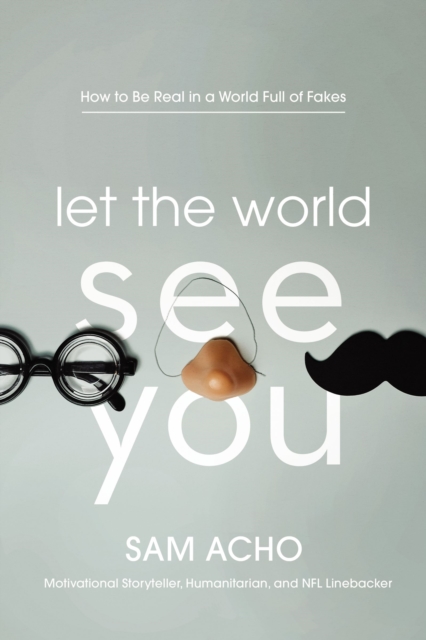
This edition of The Jesus Calling Magazine features superstar athlete Tim Tebow discussing the incredible work done by his foundation, actor and producer Mark Wahlberg shares how God's guidance has shaped his career and his life, learn how travel blogger Glo Atanmo changed course after a health crisis, tight-rope walker Nik Wallenda talks about overcoming fear, sports analyst and former NFL player Sam Acho shares the message he wants everyone to know, and R&B singer Florence LaRue reflects on her career and finding grace in the second act of life.
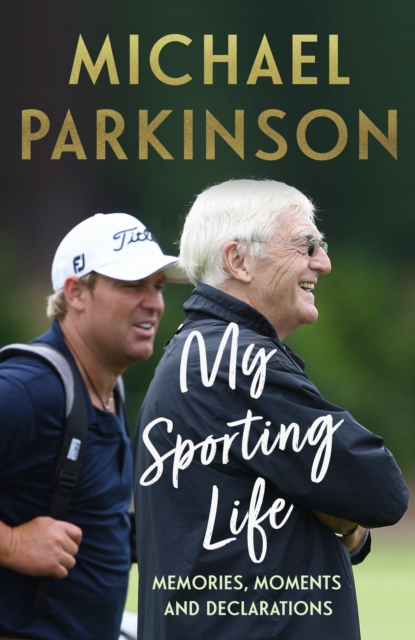
'Like my father before me, I believe that both the playing and watching of sport can teach us important lessons about ourselves by providing practical instruction in co-operation, tests of resolve and temper'Michael Parkinson was destined to spend his life in sport.
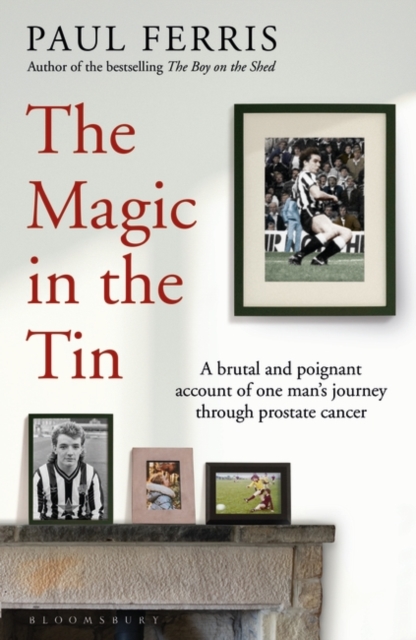
LONGLISTED FOR THE WILLIAM HILL SPORTS BOOK OF THE YEAR 2023SHORTLISTED FOR THE SUNDAY TIMES SPORTS BOOK AWARDS 2023 - FOOTBALL BOOK OF THE YEAR'Powerful and poignant' Henry Winter 'Empathetic and poignant the game's answer to A Journal of the Plague Year' Harry Pearson 'The Durham City midfielder wore the resigned look of a man trying to find a jar of harissa in Farmfoods.
LONGLISTED FOR THE WILLIAM HILL SPORTS BOOK OF THE YEAR 2023SHORTLISTED FOR THE SUNDAY TIMES SPORTS BOOK AWARDS 2023 - FOOTBALL BOOK OF THE YEAR'Powerful and poignant' Henry Winter 'Empathetic and poignant the game's answer to A Journal of the Plague Year' Harry Pearson 'The Durham City midfielder wore the resigned look of a man trying to find a jar of harissa in Farmfoods.
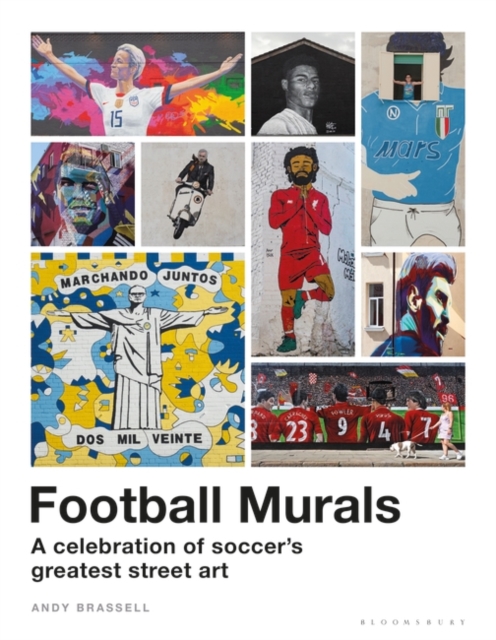
SHORTLISTED FOR THE SUNDAY TIMES SPORTS BOOK AWARDS 2023 - ILLUSTRATED BOOK OF THE YEARWATERSTONES BEST BOOKS OF 2022 SPORT'A beautiful showcase of such a distinctive part of the game's culture.
SHORTLISTED FOR THE SUNDAY TIMES SPORTS BOOK AWARDS 2023 - ILLUSTRATED BOOK OF THE YEARWATERSTONES BEST BOOKS OF 2022 SPORT'A beautiful showcase of such a distinctive part of the game's culture.
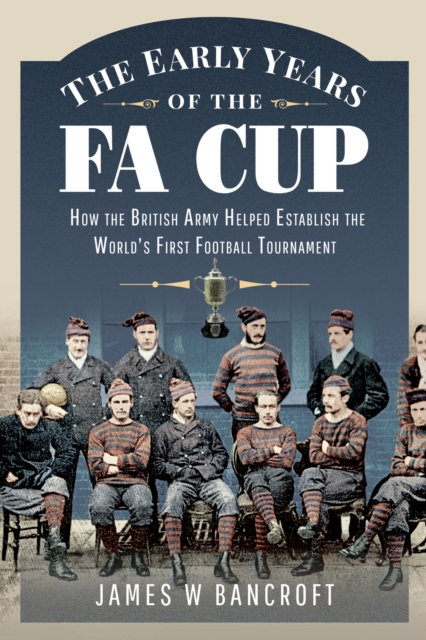
The 150th anniversary of the first FA Cup competition, the earliest knockout tournament in the history of football, will be celebrated during the 2021-2022 season.
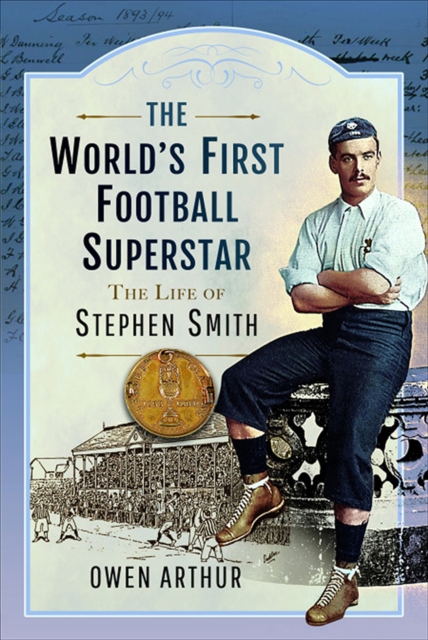
Buried in an unmarked grave in the churchyard of the small village of Benson in Oxfordshire lies the body of a footballing world champion from a bygone era shrouded in the mists of time.
Buried in an unmarked grave in the churchyard of the small village of Benson in Oxfordshire lies the body of a footballing world champion from a bygone era shrouded in the mists of time.
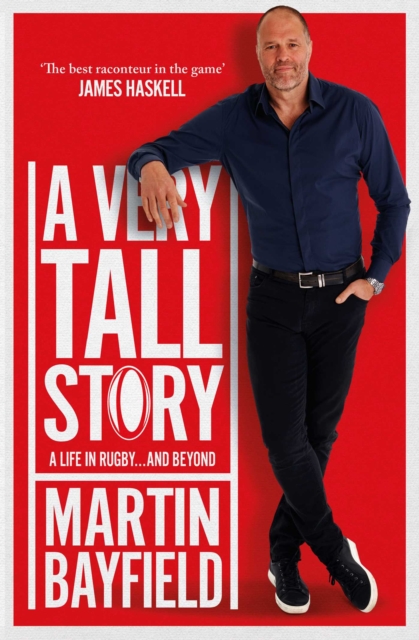
A hilarious and, at times, moving and soul-searching account of rugby union's rollercoaster days in the 1990s, told through the eyes of a player who saw it all as the sport lurched shambolically from the crazy final days of amateurism into the professional era.
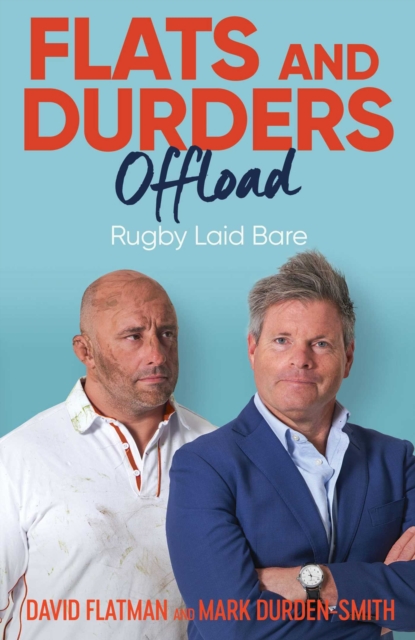
SHORTLISTED FOR THE SPORTS ENTERTAINMENT BOOK OF THE YEARCrammed full of funny stories, below-the-belt banter and amusing observations, it's gold Rugby WorldOnce described as rugby's answer to Ant & Dec, David Flatman and Mark Durden-Smith are the oddest of odd couples.
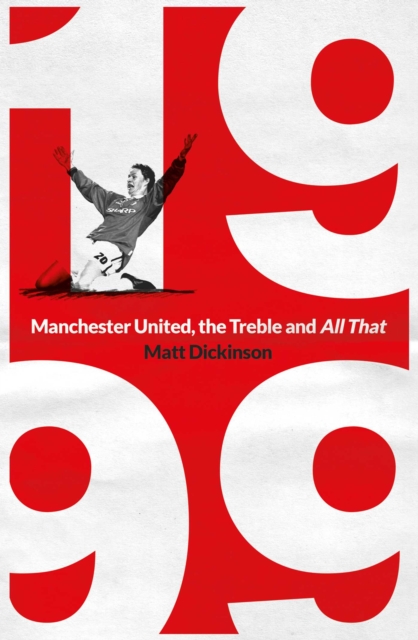
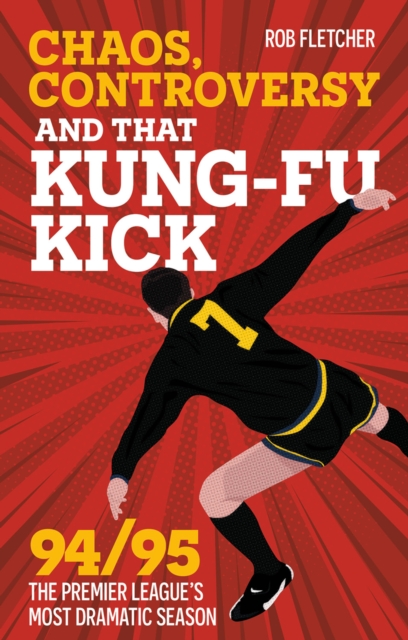
In 1999, Manchester United completed a unique Treble, winning the Premier League, FA Cup and Champions League - but more remarkable than that was how they did it, and the stories behind the historic achievement.
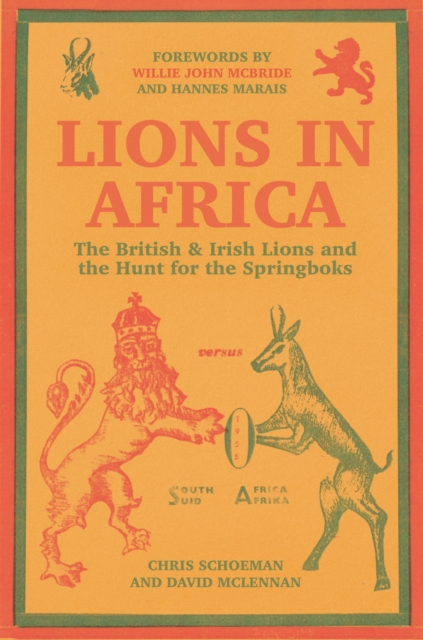
It was the year 1891, and the first rugby football team from the British Isles was about to embark on a tour of South Africa; any doubts about the financial sustainability of the venture were removed when mining magnate Cecil John Rhodes thumped the table and declared, 'Let them come.
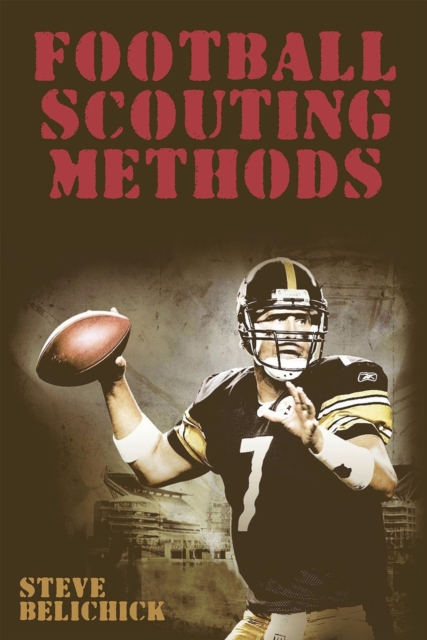
Considered the bible of scouting techniques according to the Los Angeles Times, Football Scouting Methods explains the basic scouting strategies and insights of author Steve Belichick.
The intention of the book is to highlight the development of a type of football organisation that falls outside of the well documented elite professional game, the most recognizable face of the sport.
The intention of the book is to highlight the development of a type of football organisation that falls outside of the well documented elite professional game, the most recognizable face of the sport.
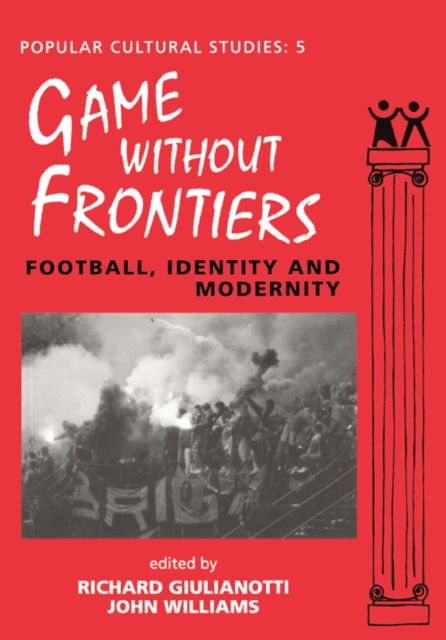
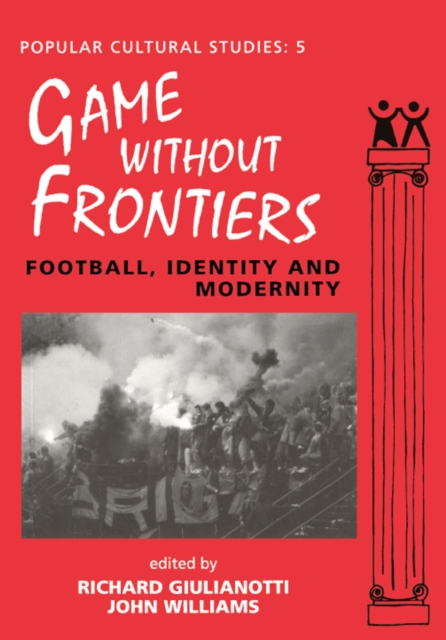
Football is ubiquitously acknowledged as 'The Global Game' and/or 'The People's Game' - everyday all-encompassing terms familiar to anyone with an interest in football which illustrate, albeit nebulously, the game's international reach and popularity.
Football is ubiquitously acknowledged as 'The Global Game' and/or 'The People's Game' - everyday all-encompassing terms familiar to anyone with an interest in football which illustrate, albeit nebulously, the game's international reach and popularity.
A lack of 'sustainability thinking' is evident at the heart of many of the problems that football faces today; from the huge amounts of money that clubs seem compelled to spend on what are often short-term gains - and the speculation, debt and market-centred ideology that goes with it - to the not unrelated deep disenchantment experienced by many football fans for a game that they still, despite it all, remain determined to love.
A lack of 'sustainability thinking' is evident at the heart of many of the problems that football faces today; from the huge amounts of money that clubs seem compelled to spend on what are often short-term gains - and the speculation, debt and market-centred ideology that goes with it - to the not unrelated deep disenchantment experienced by many football fans for a game that they still, despite it all, remain determined to love.