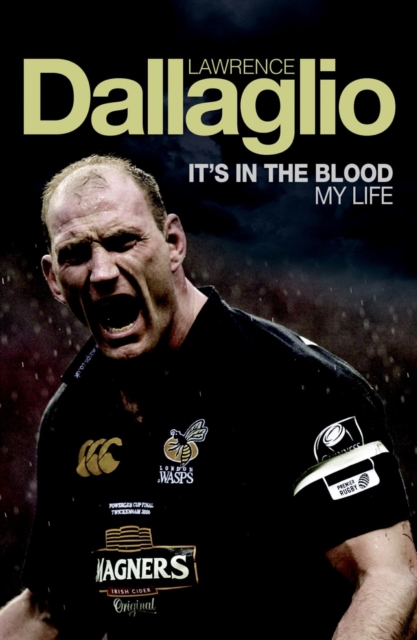
As a Premiership, World Cup and Grand Slam winner, no one better embodies the charisma and the colour of English rugbys greatest era than Lawrence Dallaglio.
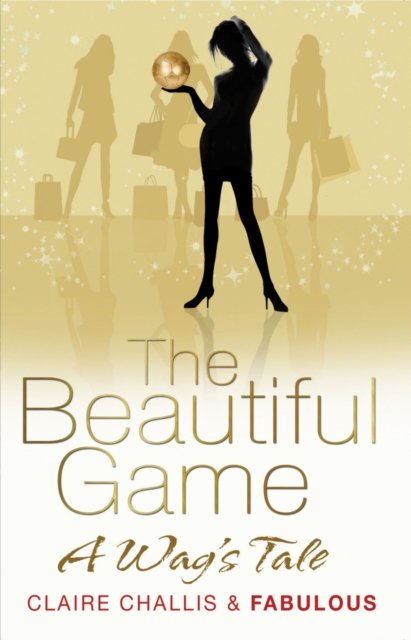
Meet the WAGS: Louise, Tara, Jodie and Pattii and get ready to find out what really happens in extra time when; you gatecrash the players' Christmas party, only to find that the 'no women allowed' rule doesn't extend to every modelling and call girl agency in town; your best friend's nanny does a kiss 'n' tell, exposing a string of lies and affairs that you have suspected all along anyway; your close friend wakes the kids up at 2am to go looking for Daddy - only to find him in the middle of a nightclub getting down and dirty with a prostitute; you confide your biggest secret to your new best friend - only to find it front page news the following day.
The autobiography of football icon Jimmy GreavesJames Peter 'Jimmy' Greaves was one of the greatest footballers to have graced the English game, a goalscorer of legendary prowess.
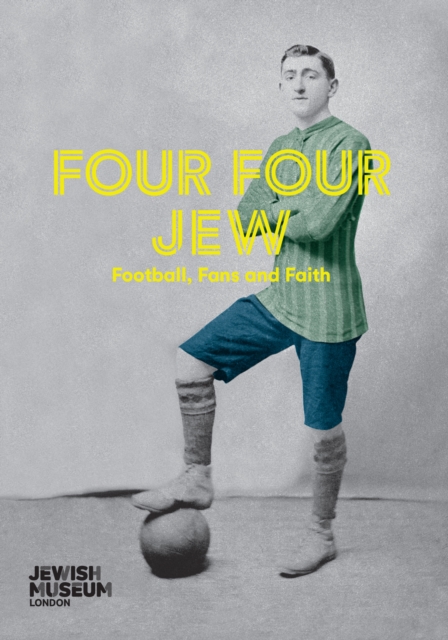
Four Four Jew is a major exhibition by Jewish Museum London exploring the story of football and Jews in Britain from the turn of the century to the present day.
Four Four Jew is a major exhibition by Jewish Museum London exploring the story of football and Jews in Britain from the turn of the century to the present day.
After the success of Steve's (aka GRANGE) first book 70's GLAM, GRIME & PETTY CRIME he takes us on another roller-coaster ride not only through the 70's but also the 80's & 90's.
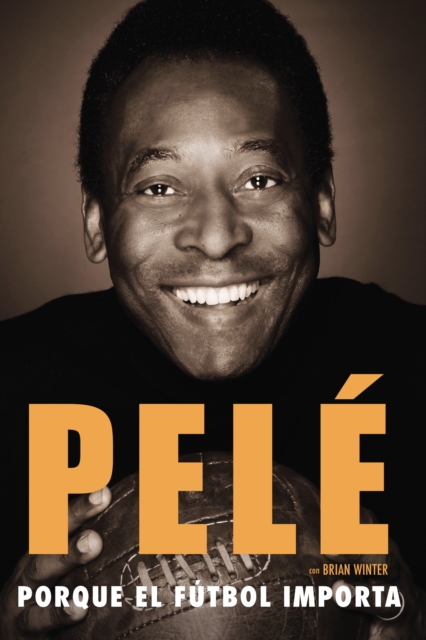
In this book from the critically acclaimed, multimillion-copy bestselling Little People, BIG DREAMS series, discover the life of Pele, Brazil's all-time King of Football.
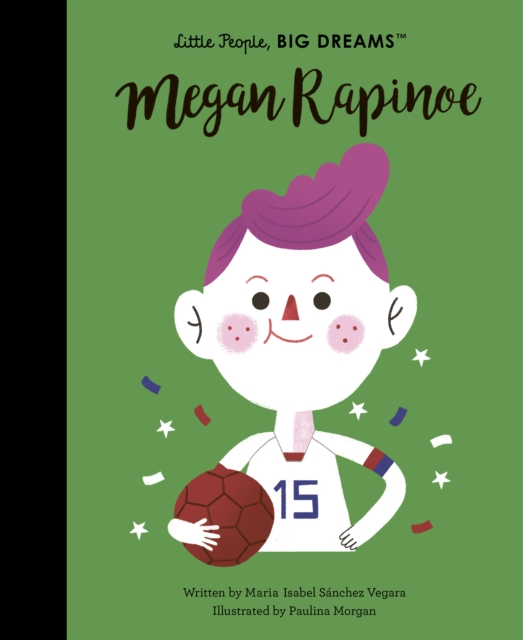
In this book from the critically acclaimed, multimillion-copy best-selling Little People, BIG DREAMS series, discover the life of Megan Rapinoe, the world recordbreaking soccer player and activist.
Winner: North American Society for Sport History AwardNotable Title in American Intellectual History, Society for United States Intellectual HistoryAward of Superior Achievement, Illinois Historical SocietyThe quarterback sends his wide receiver deep.
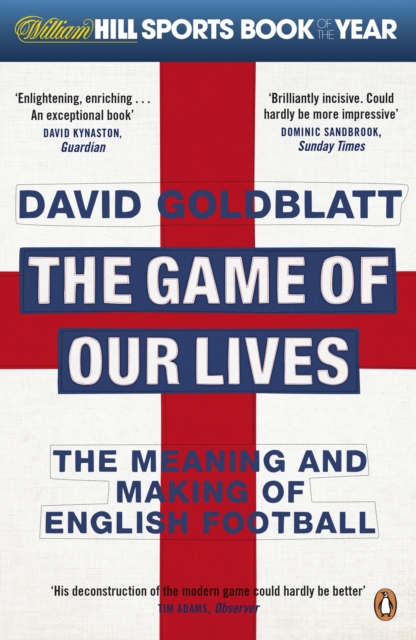
WINNER of the William Hill Sports Book of the Year Award 2015In the last two decades football in Britain has made the transition from a peripheral dying sport to the very centre of our popular culture, from an economic basket-case to a booming entertainment industry.
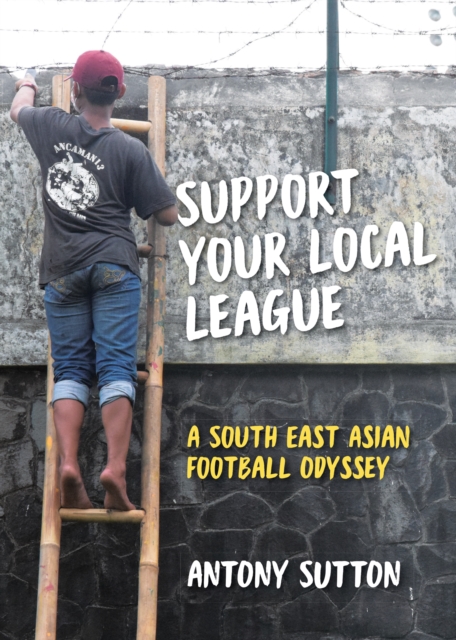
With the 2014 World Cup as a backdrop, British expat Antony Sutton takes us on a journey as he meets and learns about the people who play, coach and follow football in South East Asia.
Jorge Knijnik's wonderful new book, The World Cup Chronicles - 31 Days that Rocked Brazil, is a unique and different look at the 2014 World Cup and its social, cultural, political and sporting impact on the people of Brazil.
Never before has so much information and wisdom about playing and coaching the game of soccer (Football) have been collected and processed in one book.
At the George, Geoffrey Moorhouse's testament to a lifelong love of rugby league, was shortlisted for the inaugural William Hill Sports Book of the Year award in 1989.
SHORTLISTED FOR THE GORDON BURN PRIZEFEATURED IN THE OBSERVER'S SPORTS WRITERS' BOOKS OF THE YEAROn 15 April 1989, 96 people were fatally injured on a football terrace at an FA Cup semi-final in Sheffield.
Celtic:A Biography in Nine Lives, takes its structure from nine key individuals associated with the club since its inception, and touches on aspects of that person's life to explore key themes in the club's history.
With unparalleled access to Heisman Trophy-winning phenom Johnny Manziel, Bruce Feldman has written a modern-day tale about the making of the next superstars in football''s most important position: the quarterback.
From an award-winning humorist, a touching memoir and manifesto that reveals the deep secrets of fan jinxes, hexes, and charms Did you know there is a secret to winning ballgames?