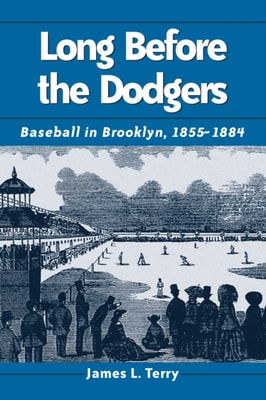
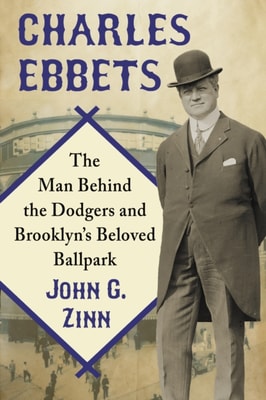
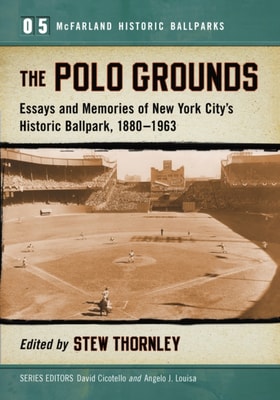
Exactly one hundred years before the Brooklyn Dodgers won the 1955 World Series, the Brooklyn Excelsiors were playing on the same grounds where the Dodgers would begin their long history.
Sidestepping the inflated egos and scandal that have infiltrated many men's sports, college female softball players exhibit power and grace on the field as well as camaraderie, high achievement and vulnerability off the field.
The success of the PGA Tour lies in the compelling stories of the individual quests for achievement--making the tournament cut, winning a tournament, qualifying for the FedEx Cup Playoffs, and the ultimate challenge of making it onto the Tour, where victory is often determined by a single stroke.
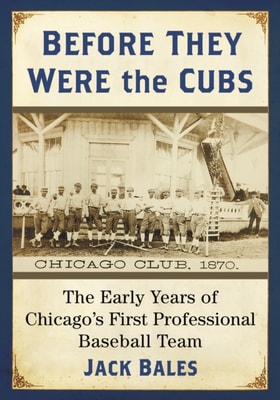
Founded in 1869, the Chicago Cubs are a charter member of the National League and the last remaining of the eight original league clubs still playing in the city in which the franchise started.
Since the Progressive Era, baseball has been promoted as an institution encapsulating the best of American values and capable of bridging the chasms of twentieth century American culture--urban versus rural, industry versus agriculture, individual versus community, immigrant versus native, white versus color.
The All-American Football Conference was the only challenger to the NFL (except for the American Football League of the 1960s) to survive more than two seasons in competition with the established league.
Richly illustrated with nearly 1,000 examples of both autographs and forgeries, this new and expanded edition includes signature studies of all Hall of Famers from the 19th century to the present.
In the early 20th century, immigration, labor unrest, social reforms and government regulations threatened the power of the country's largest employers.
Written by and for baseball fans (or those trying to live with one), this collection of essays joins a perennial conversation all fans have--"e;Why do we love baseball?
The names on the cast-bronze plaques hanging in the National Baseball Hall of Fame embody the history and drama of the sport--they are the royalty of baseball.
Part sports journalism, part history, part memoir, this many-sided narrative follows one season with the Blue Devils of Moscow, Idaho--a rural American Legion baseball team.
This collection of new interviews--conducted by the author--recounts some of the pivotal moments in the careers of professional baseball players and in American history.
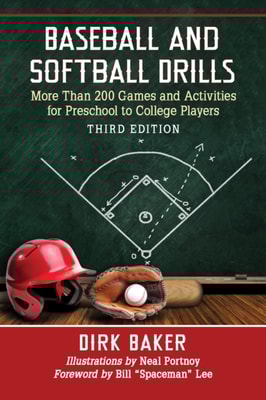
Written for coaches, this book--in its expanded third edition--presents more than 200 baseball and softball games and activities for preschoolers through college age, focusing on teaching, improvement of skills and enjoyment.
They are known as "e;cupcake games"e;--lower division teams get paid to travel to college football Meccas where the hosts make a nice profit from an extra game.
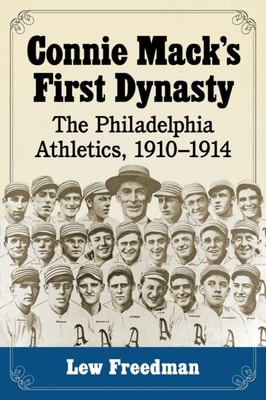
More than a century ago, the Philadelphia Athletics enjoyed a glorious five-season run under legendary manager Connie Mack, winning three World Series and four pennants from 1910 through 1914.
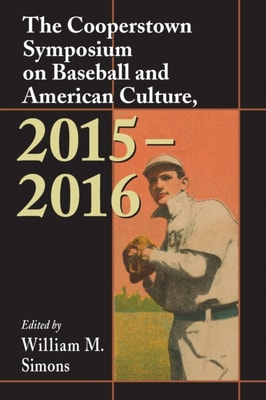
Widely acknowledged as the preeminent gathering of baseball scholars, the annual Cooperstown Symposium on Baseball and American Culture has made significant contributions to baseball research.
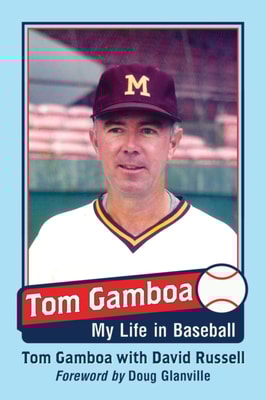
Tom Gamboa played baseball professionally, coached, scouted, managed in the minors and in Puerto Rico and coached in the majors with the Cubs and Royals.
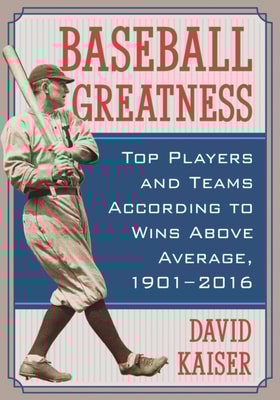
Recent advances in baseball statistical analysis have made it possible to assess the totality of contribution each player makes to team success or failure.
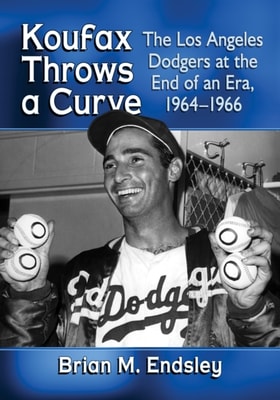
Over the past 60 seasons, the Los Angeles Dodgers have risen to the pinnacle of Major League Baseball, winning 21 National League pennants and 6 World Series titles.
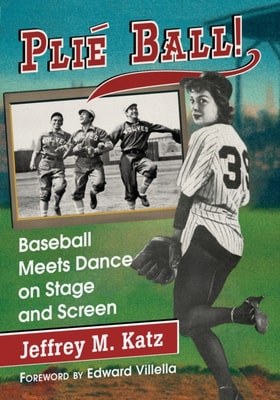
From the vaudeville gyrations of New York Giants star pitchers Rube Marquard and Christy Mathewson, to Gene Kelly and Frank Sinatra as hoofing infielders in Take Me Out to the Ball Game, to the stage and screen versions of Damn Yankees, the connection between baseball and dance is an intimate, perhaps surprising one.
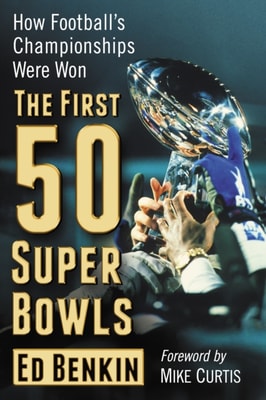
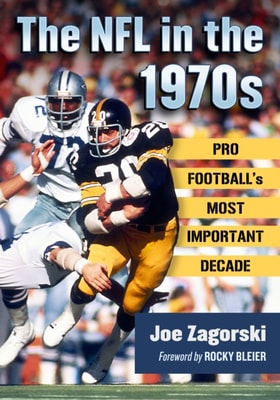
The 1970 merger between the American Football League and the National Football League laid the foundation for a stronger brand of gridiron competition, providing a new level of excitement for fans.