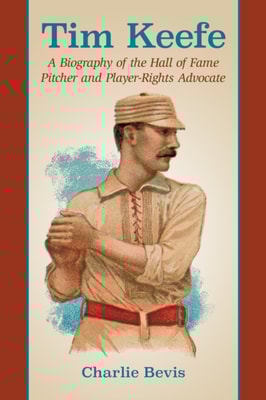
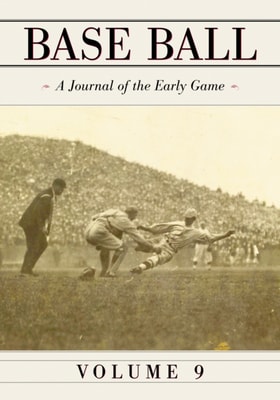
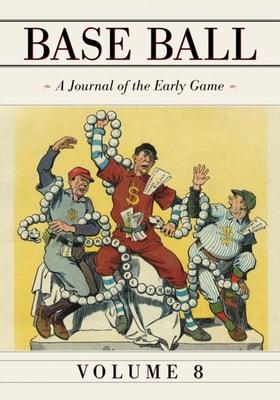
One of the greatest pitchers of the 19th century, Tim Keefe (1857-1933) was an ardent believer in the artisan work ethic that was becoming outmoded in burgeoning industrial America.
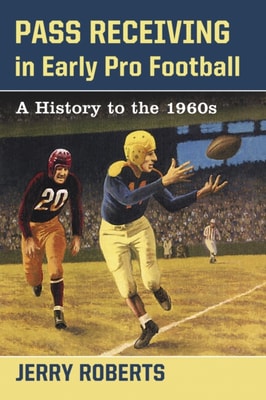
Big television contracts in the 1960s created the Super Bowl, as well as the 1970 merger of the National Football League with the pass-oriented American Football League.
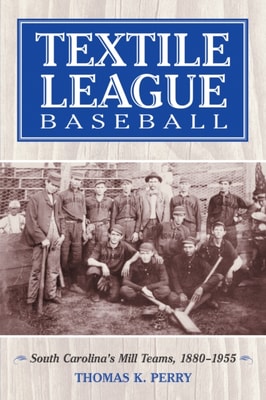
After the Civil War, the Yankee textile industry began a steady transfer south, bringing with it the tradition of a mill village, usually owned by the mill's owner, where the workers and their families lived.
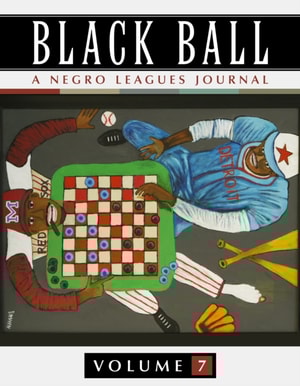
BACK ISSUE Under the guidance of Leslie Heaphy and an editorial board of leading historians, this peer-reviewed, annual book series offers new, authoritative research on all subjects related to black baseball, including the Negro major and minor leagues, teams, and players; pre-Negro League organization and play; barnstorming; segregation and integration; class, gender, and ethnicity; the business of black baseball; and the arts.
More than 300 ballplayers have spent time with both the Boston Red Sox and the New York Yankees, opposing teams in one of the most intense rivalries ever in sports.
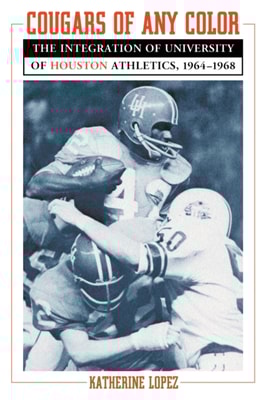
After years of playing sub-par teams in weak athletic conferences, the University of Houston athletic program sought to overcome its underdog reputation by integrating its football and basketball programs in 1964.
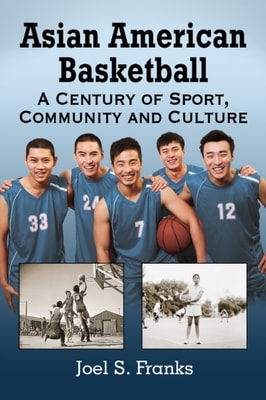
When Jeremy Lin began to knock down shots for the New York Knicks in 2012, many Americans became aware for the first time that Asian Americans actually play basketball.
This comprehensive visitor's guide to the teams of baseball's South Atlantic League lays out the methods needed to plan efficient, cost-effective and rewarding road trips to see home games at ballparks throughout the league.
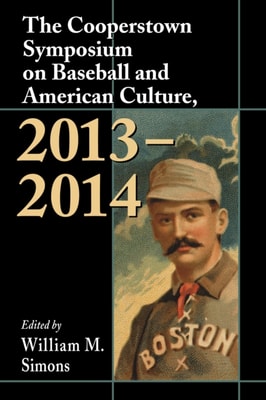
Generally acknowledged as the preeminent gathering of baseball scholars, the annual Cooperstown Symposium on Baseball and American Culture has made significant contributions to baseball research and pedagogy.
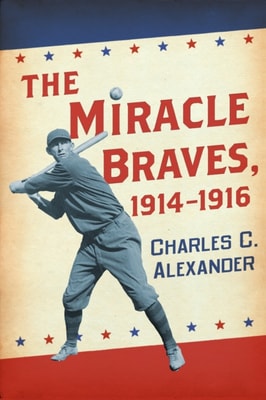
The story of the "e;Miracle"e; Braves is one of the most memorable in baseball history, but less well known is what the club did after that spectacular season.
The small and midsized cities of western Pennsylvania, Ohio and West Virginia reached their peaks of population and prosperity in the second quarter of the 20th century.
When the members of the first baseball players' union formed their own league in open revolt against the reserve clause and other restrictive practices of the National League, baseball journalism became less of a "e;curiosity shop"e; phenomenon and moved into the mainstream.
Many in baseball consider the scout to be the most important figure in any organization: It is the scout's work in the high school and college bleachers that unearths future legends.
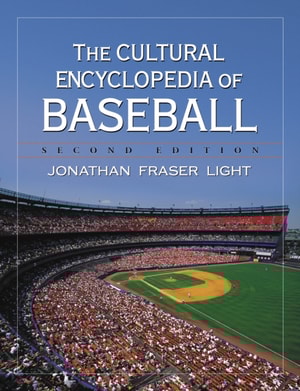
The study of baseball history and culture shows the national pastime to be a forum of debate where issues of sport, labor, race, character and the ethics of work and play are decided.
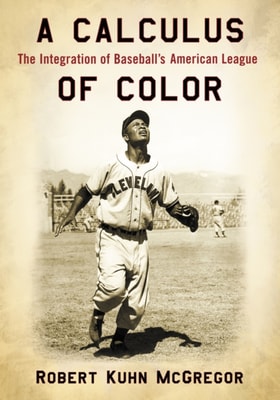
In 1947, as the integration of Major League Baseball began, the once-daring American League had grown reactionary, unwilling to confront postwar challenges--population shifts, labor issues and, above all, racial integration.
Long before strip malls, television and huge retail chains homogenized American culture, minor league baseball clubs represented individual, local ideals.
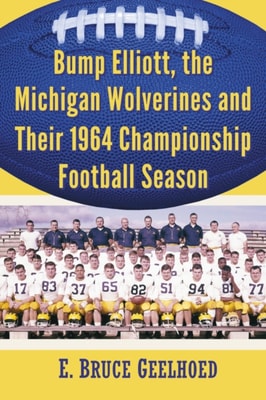
Under the leadership of head coach Bump Elliott, the 1964 Wolverines won Michigan's first Big Ten championship since 1950 and their first Rose Bowl since 1951, and finished fourth in the national college football polls.
Between 1929 and 1937, Hall of Fame coach Jock Sutherland took the championship program at the University of Pittsburgh that was built by his mentor Glenn "e;Pop"e; Warner, and won five of the nine national championships the school now claims.
BACK ISSUE Under the guidance of Leslie Heaphy and an editorial board of leading historians, this peer-reviewed, annual book series offers new, authoritative research on all subjects related to black baseball, including the Negro major and minor leagues, teams, and players; pre-Negro League organization and play; barnstorming; segregation and integration; class, gender, and ethnicity; the business of black baseball; and the arts.
This narrative history of minor league football teams in Connecticut in the 1960s and 1970s is based on extensive newspaper and periodical research and interviews with nearly 70 former players, broadcasters and journalists.
When Babe Ruth was sold by the Boston Red Sox to the New York Yankees at the beginning of the Roaring Twenties, the stage was set for one of baseball's greatest dynasties.
The crack of the bat, the cheering of fans and the agility and athleticism of the players are all characteristics that many people fondly associate with Major League Baseball.