A well-trained, responsive, and intelligent working cow horse is more than just a pleasure to ride or watch in action; such an animal is an integral part--a prized employee, if you will--of a ranch's workforce.
The world's oldest horse breed, the Arabian epitomizes equine versatility, participating in all disciplines of English, Western, dressage, driving, and in-hand horse show classes.
Three-day eventing, known as the "e;complete competition,"e; requires the same horse-and-rider team to ride a dressage test, a demanding cross-country obstacle course, and a show-jumping round.
This is the long-awaited how-to handbook for treating riding injuries in the field for both rider and horse, with step-by-step numbered instructions for the most common injuries and what to do until help arrives.
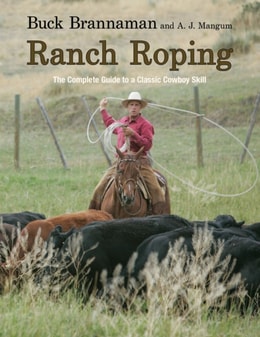
Ranch roping is at the heart of all ranch work, and unlike the rodeo variation of calf roping, the ';vacquero' tradition calls for techniques that result in a skillful and graceful throw and catch.
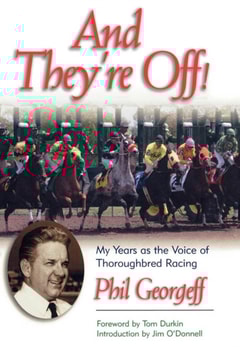
Beloved for his thunderous, commanding voice and affable personality, Phil Georgeff, known as "e;The Voice of Chicago Racing,"e; holds the world record for calling the most horse racesan astounding 96,131.
In Enjoy the Journey- Join in a celebration of warming moments in the memoirs of these women, with their horses, living along the Snake River Plain; Learn what they did to refresh their souls.
This is volume one of a series, a collection of the first 17 stories of school horses and the pivotal lessons they taught to Anne Wade-Hornsby as she developed her riding school and became a noted trainer in Riverside, California, from 1971 until the present.
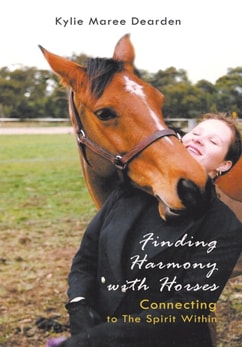
Finding harmony with horses is an inspiring book of Kylie Deardens own personal and spiritual journey on how she found harmony with her horse and other horses by connecting to the Spirit Within.
This antiquarian volume comprises a comprehensive and interesting treatise on breeding race horses, with information on crossing, stallions, selection, and many other aspects of horse breeding.
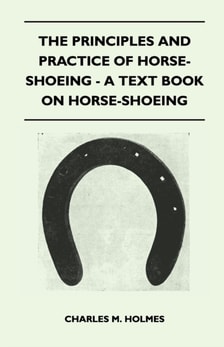
This is a vintage handbook on farriery (horse shoeing), with detailed information on a range of subjects including creating horse shoes, the anatomy of the horses foot, problems and ailments, treatments, techniques of shoeing, preventative measures, and much more.
Originally published in 1928, 'Memoirs of a Fox-Hunting Man' by Siegfried Sassoon is the ever-popular novel featuring the young 'George Sherston', whom we follow through a series of frequently humorous stories and adventures.
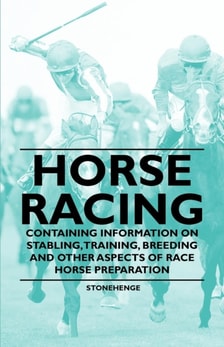
This antiquarian book contains a comprehensive treatise on horse racing, and includes information on stabling, training, breeding, and many other aspects of race horse preparation.
The game of water-polo has perhaps done more during recent years to popularise and to cause an interest to be taken in swimming than any other branch of the sport.
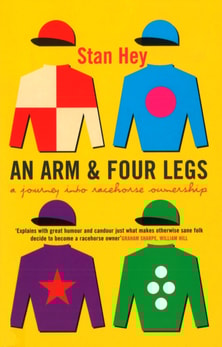
It's March in Ireland - the flat season is about the start and Irish Times racing correspondent, Brian O'Connor has decided to boldly go where no racing correspondent has gone before.
The Tao of Horses is a unique work that shows how these magnificent animals can serve as guides and mentors, transforming the lives of those who admire and love them.
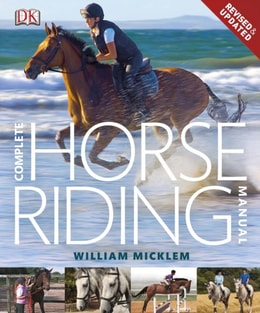
Gallop your way to horse riding success with this comprehensive and bestselling handbookPerfect your equestrian skills with the Complete Horse Riding Manual.