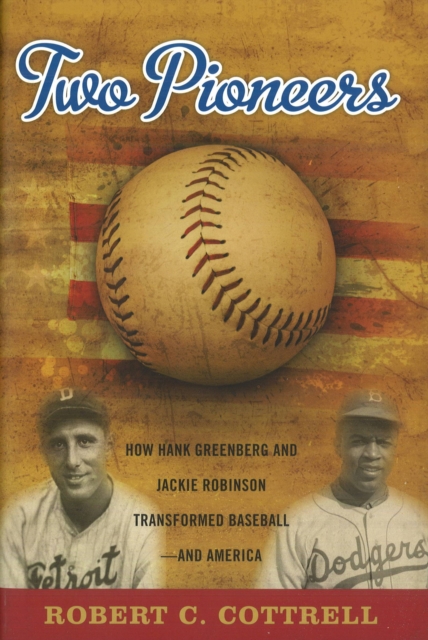
As the first great Jewish player in the major leagues and the first African American to play major-league baseball during the twentieth century, respectively, Hank Greenberg and Jackie Robinson are forever linked because of the barriers they encountered, the discrimination they endured, the athletic gifts they exhibited, and especially the courage and dignity they displayed.
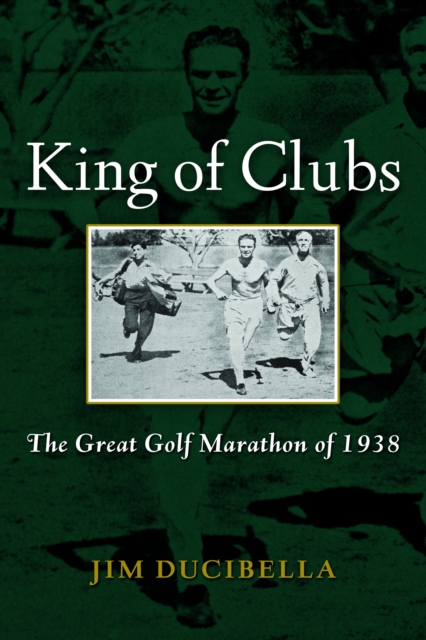
It began as a Depression-era, winner-take-all challenge between two Chicago stockbrokers, one of them a flamboyant daredevil with more guts than money and the other with more money than sense.
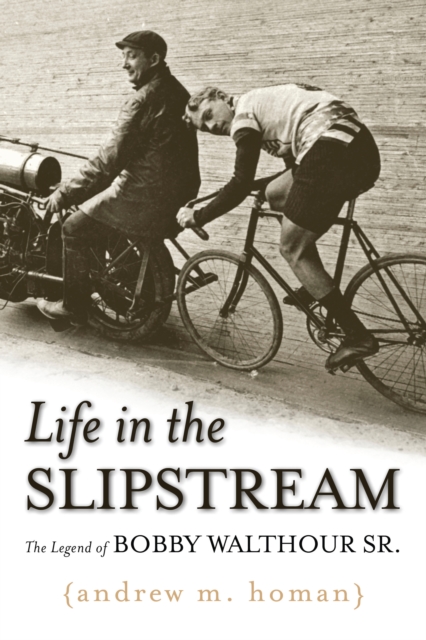
A century before Lance Armstrong captured headlines around the world by winning a record seventh consecutive Tour de France, another American dominated the world of competitive cycling.
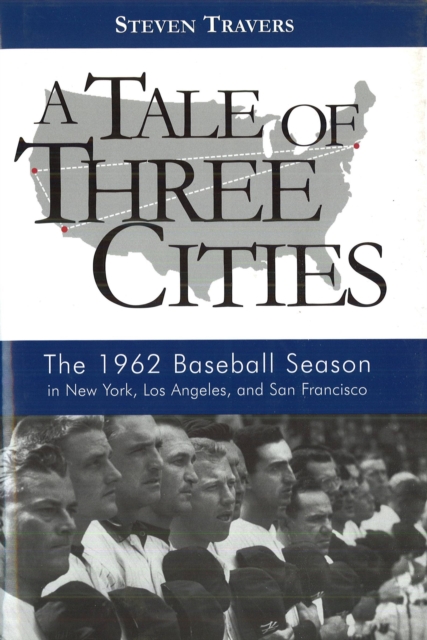
Nineteen sixty-two-it's been called "e;the end of innocence,"e; as America witnessed the Cuban Missile Crisis and the following year saw the Kennedy assassination and the early stirrings of Vietnam.
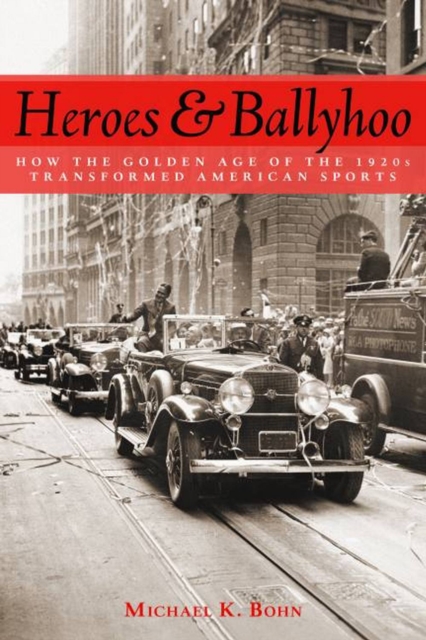
A handful of star athletes, along with their promoters and journalists, created America's sports entertainment industry during the 1920s, the Golden Age of American sports.
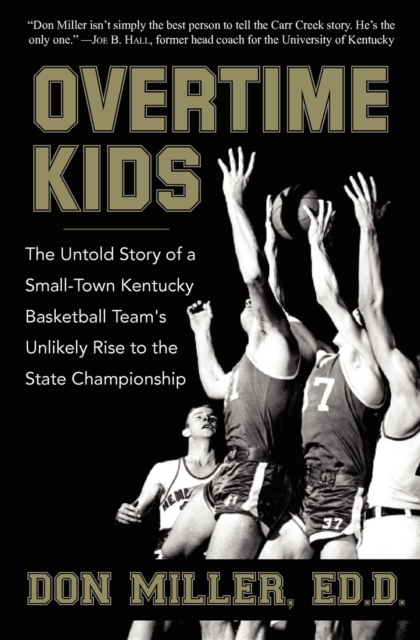
Overtime Kids is an inspiring account of the smallest school to ever win the Kentucky State High School Basketball Championship, knocking out the highest scoring player in history in the process!
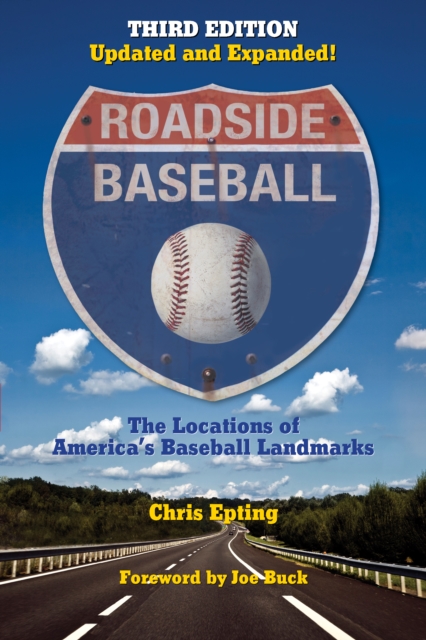
Capturing such quintessentially American pastimes as baseball and road trips in one fascinating work, the updated and expanded third edition of Chris Epting's Roadside Baseball chronicles more than 500 important events in baseball history with detailed descriptions of the event and information on each location.
From the Memorial Day Miracle to coach Gregg Popovich's legendary leadership to winning five NBA championships, the San Antonio Spurs have brought excitement to the Alamo City and the greater NBA family since 1976.
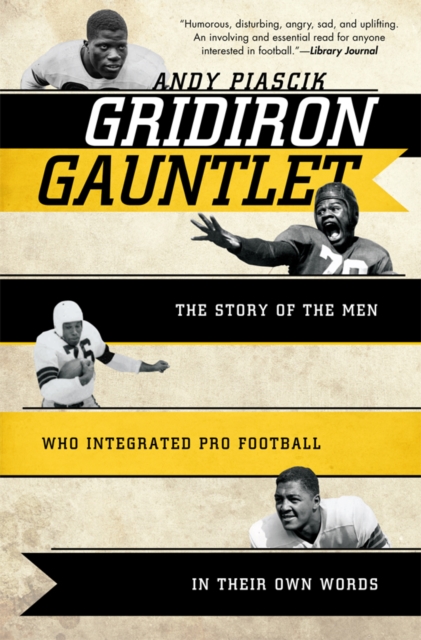
One year before Jackie Robinson broke the color line in major league baseball in 1947, four black players joined the Cleveland Browns and Los Angeles Rams to become the first professional football players of African-American descent in the modern era.
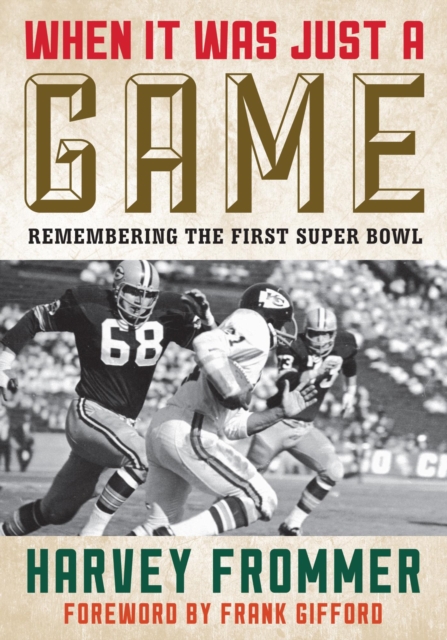
Written by acclaimed sports author and oral historian Harvey Frommer and with an introduction by pro football Hall of Famer Frank Gifford, When It Was Just a Game tells the fascinating story of the ground-breaking AFLNFL World Championship Football game played on January 15, 1967: Packers vs.
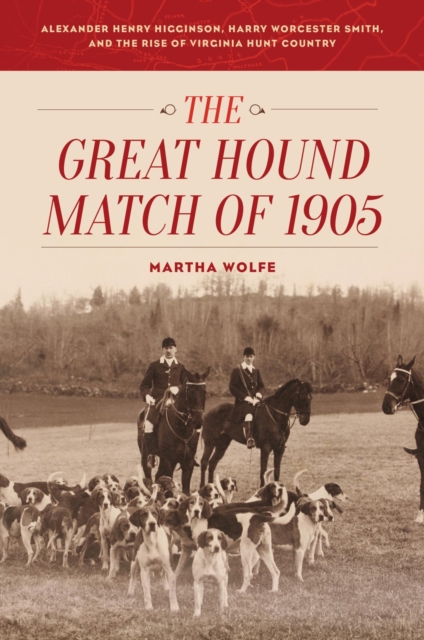
In November 1905, the peak of foxhunting season across the Midlands of England and up and down the east coast of North America, two towns in Virginia saw the coming of illustrious and wealthy men.
This book tells the important story of the 30-year social movement against all-seated stadia in football in England and Wales that developed in the wake of the Hillsborough stadium disaster and the wider European and international significance of that movement.
Hockey lovers will be fascinated by the truth about how the National Hockey League was founded and how, through less than savory means, it captured permanent possession of the Stanley Cup.
'The definitive back story of Mount Everest' Stewart Weaver, co-author of Fallen Giants 'Craig Storti has given us the Everest book that we've needed all along' Scott Ellsworth, author of The World Beneath Their FeetThe seventy-one-year quest to find the world's highest mountain.
'Passionate and moving and provides further evidence of the universality of football' Jonathan Wilson, FourFourTwoThe definitive story of the Middle East's unstoppable rise to football superpower, and the road to the Qatar World CupWhen James Montague first began covering football in the Middle East two decades ago, people asked him what future there could possibly be for the beautiful game in one of the most volatile regions in the world.
A sparkling anthology celebrating sport in all its variety; from elite rugby and football to rural games on the village green, from an exclusive golf club to the sheer pleasure of a bicycle ride.
First published in 1910, this book explores the subject of athletics festivals in ancient Greece, looking in detail at its history as well as the exercises commonly seen at such occasions.
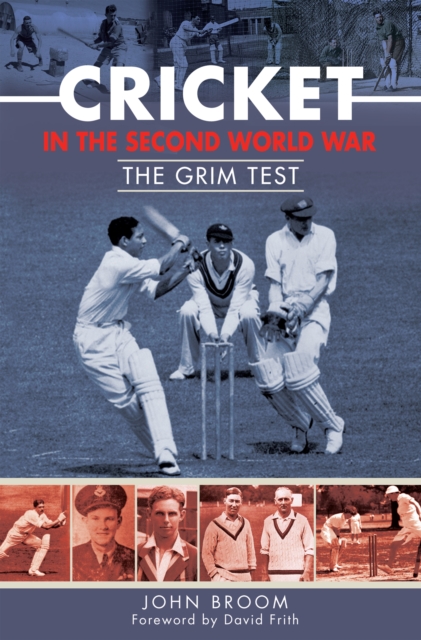
As the civilised world fought for its very survival, Sir Home Gordon, writing in The Cricketer in September 1939, stated that 'England has now started the grim Test Match with Germany', the objective of which was to 'win the Ashes of civilisation'.
As the civilised world fought for its very survival, Sir Home Gordon, writing in The Cricketer in September 1939, stated that 'England has now started the grim Test Match with Germany', the objective of which was to 'win the Ashes of civilisation'.
This jointly authored book extends understanding of the use of sport to address global development agendas by offering an important departure from prevailing theoretical and methodological approaches in the field.
This jointly authored book extends understanding of the use of sport to address global development agendas by offering an important departure from prevailing theoretical and methodological approaches in the field.
In 2019, the NFL's one hundredth season, the Chiefs once again scaled pro football's summit, persevering through a season marked by adversity and resilience.
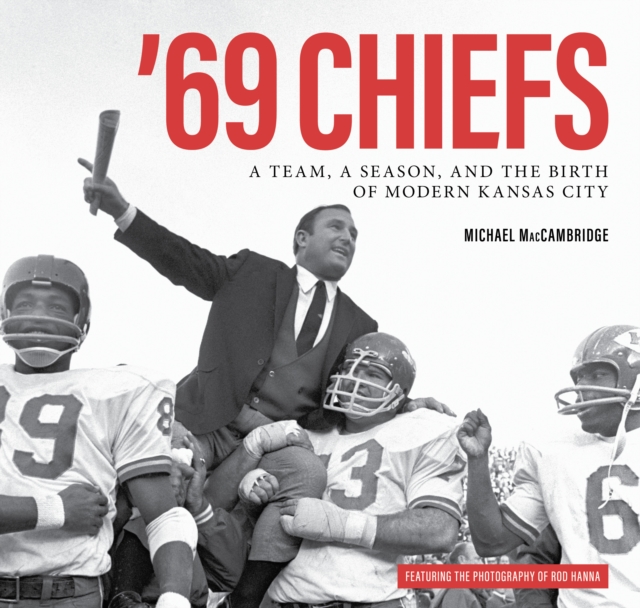
The year 2019 marks the 50th anniversary of this legendary season in Kansas City sports history-when the Kansas City Chiefs reached the pinnacle of pro football, defeating the Minnesota Vikings in Super Bowl IV to become world champions.
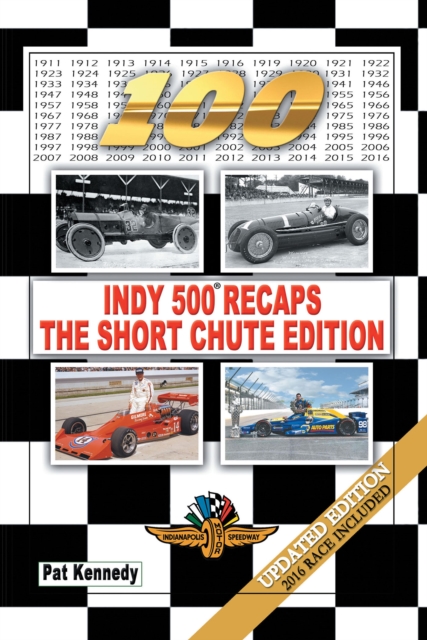
This book started as a self-serving exercise to personally organize the major details and interesting facts of each Indianapolis 500 over the hundred-plus-year history of the greatest race in the world.
The Would-Be Woodsman shares the true life tales of the development of a mana man who desires to be sensitive to God and others while being strong and comfortable with the outdoors life.
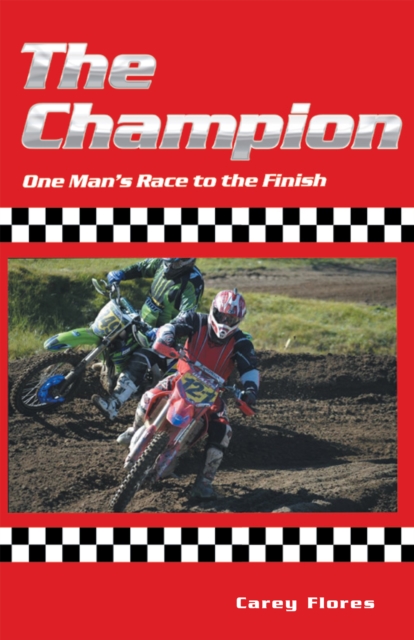
When #121 crashed during a motocross race on an upstate New York dirt track, no one questioned his ability and determination to get back on his bike and reclaim his position in what would be the last race of his life.