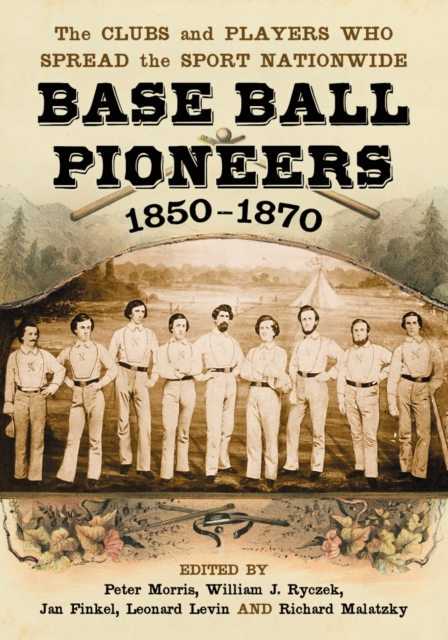
Around 1863, William "e;Candy"e; Cummings discovered he could make clamshells curve when thrown-a skill he transferred to baseball as a pitcher for the New York Excelsiors.
Although very few baseball games end with a final score of one to zero, and such a score line might suggest a contest devoid of drama, nothing could be further from the truth.
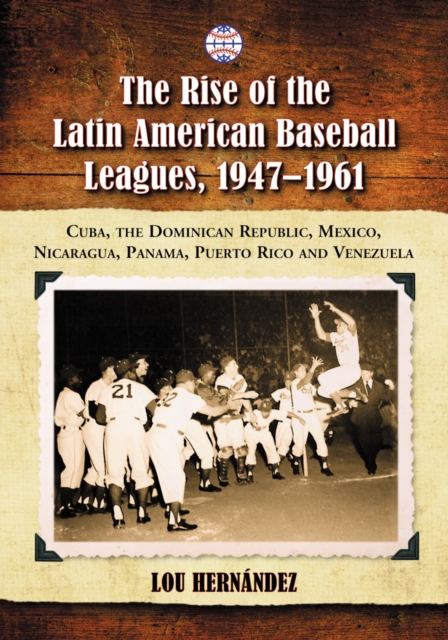
This book provides an historical overview of the formation of sports media in Latin America and its role in the construction of the political history of Latin American sport.
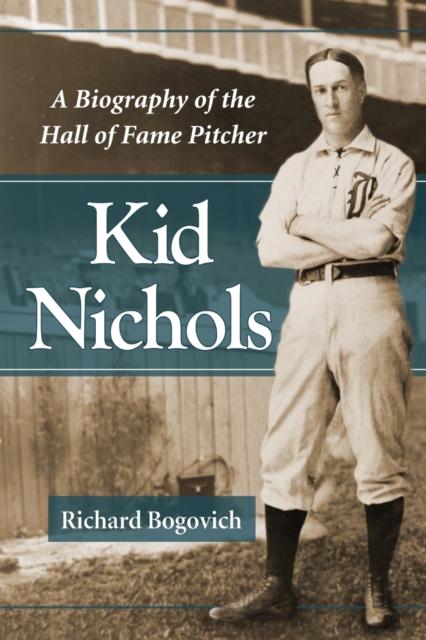
This is the first full-length biography of Kid Nichols (1869-1953), who won 30 or more games a record seven times and was the youngest pitcher to reach 300 career victories.
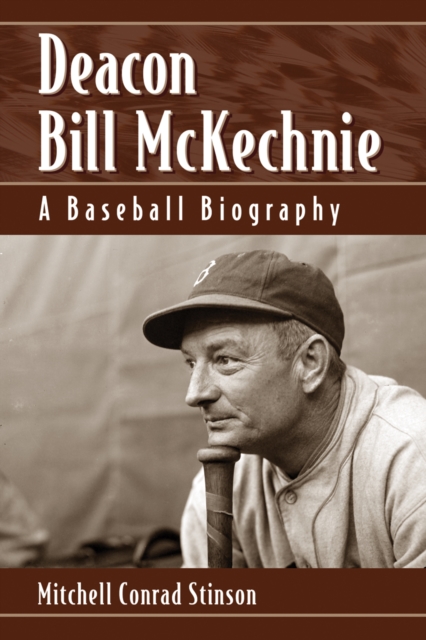
Widely regarded as the best manager of his time, Bill McKechnie built winners at every stop, took four teams to the World Series and became the only man to do it in three different cities.
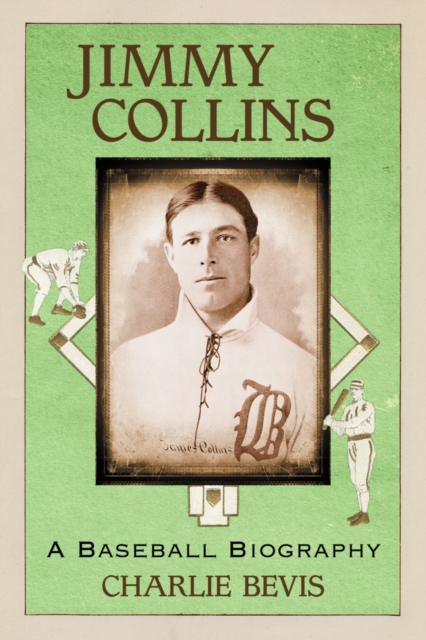
This first book-length biography of Jimmy Collins examines the life of an intensely private, business-oriented ballplayer who was the first third baseman to be inducted into the Baseball Hall of Fame.
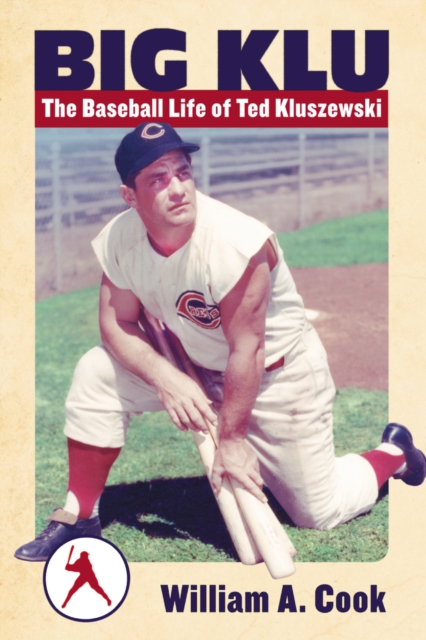
During the mid-1950s, an unlikely star stood alongside baseball standouts Mickey Mantle, Henry Aaron and Willie Mays--a slugger with a funny name and muscles so bulging that he had to cut the sleeves off his uniform to swing freely.
With this volume, David Nemec completes his remarkable trilogy of 19th-century baseball biographies, covering every major league player, manager, umpire, owner and league official.
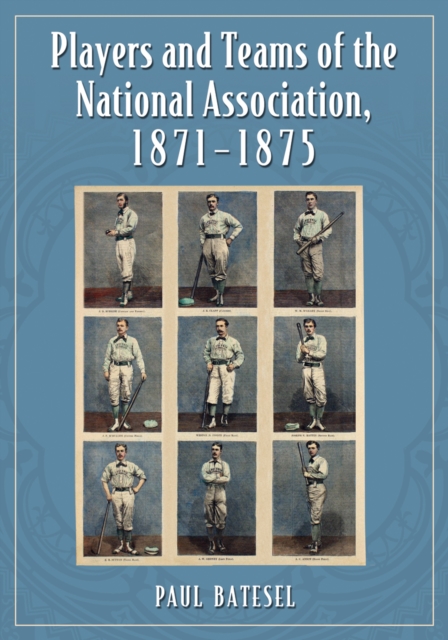
By 1871, the popularity of baseball had spread so thoroughly across America that one writer observed, "e;It is as much our national game as cricket is that of the English.
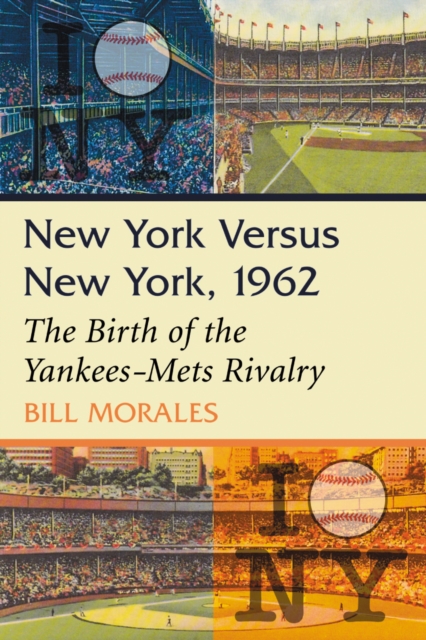
Between October 1961 and October 1962, the Yankees and the Mets shared the city for the first time, their front offices located on opposite sides of Fifth Avenue in midtown Manhattan, and their playing fields--Yankee Stadium and the Polo Grounds--situated on opposite sides of the Macombs Dam Bridge.
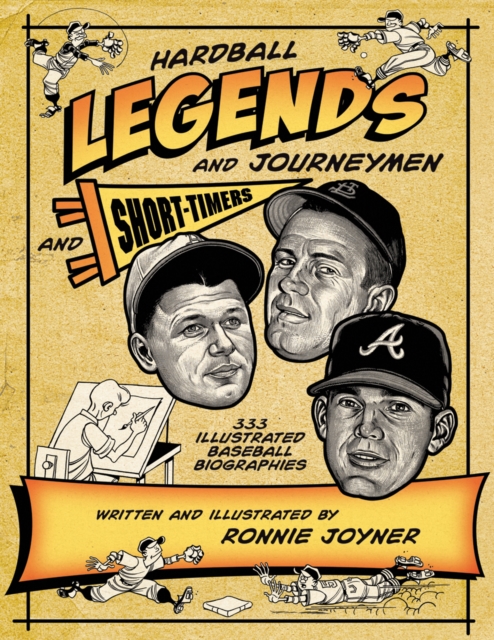
This collection of more than 300 graphic biographies of baseball players is a throwback to the illustrated biographies or cartoons seen regularly in newspaper sports sections of the '30s, '40s and '50s.
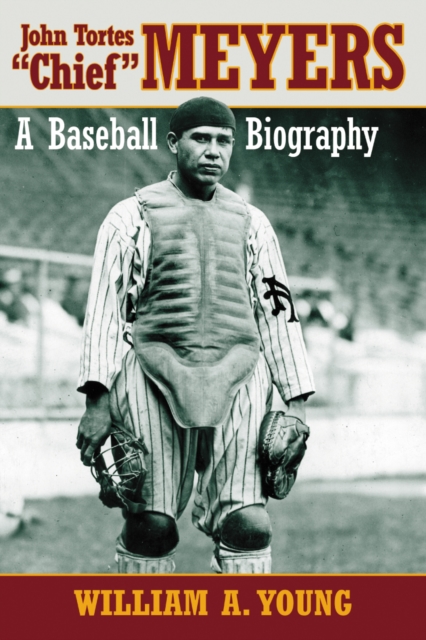
One of major league baseball's first Native American stars, John Tortes "e;Chief"e; Meyers (1880-1971) was the hard-hitting, award-winning catcher for John McGraw's New York Giants from 1908 to 1915 and later for the Brooklyn Dodgers.
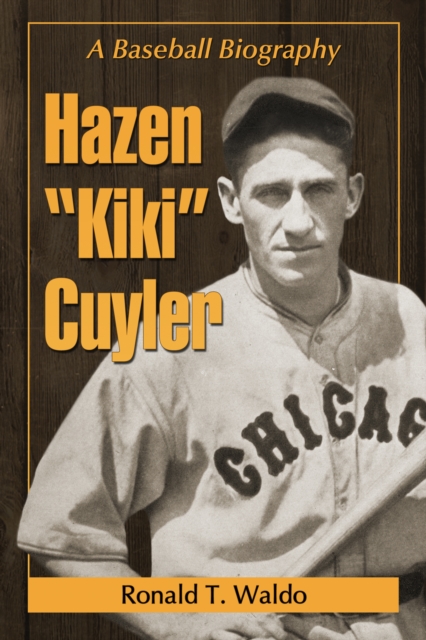
One of the greatest outfielders of his generation, Hazen "e;Kiki"e; Cuyler (1898-1950) was working as a roof assembler in an auto plant in Michigan when he seized an opportunity to realize his dream of playing major league baseball.
The first African American to play in baseball's recognized major leagues, William Edward White, appeared in 1879, followed by brothers Fleetwood and Welday Walker in 1884.
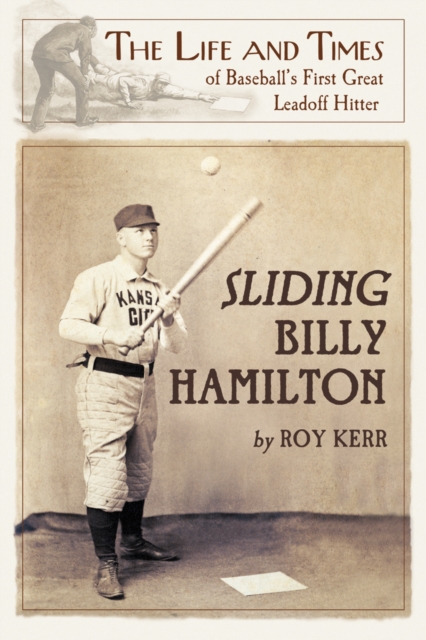
Billy Hamilton, whose major league career spanned 1888-1901, holds the all-time record for runs scored in a season (196 in 129 games), number of consecutive games scoring a run (24), and career runs scored per game (1.
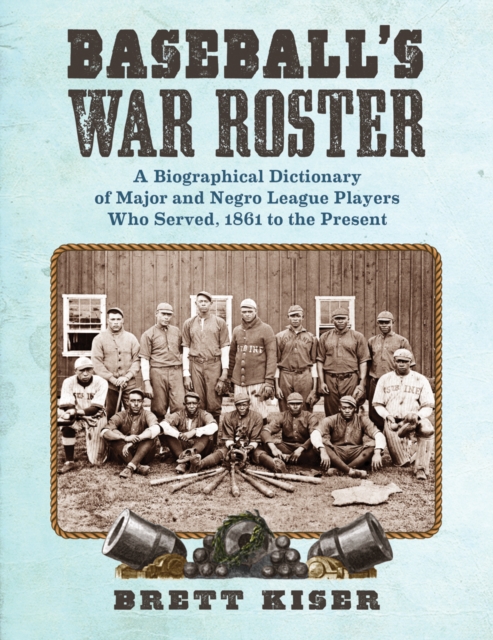
From the earliest days of baseball, young men who filled team rosters felt compelled to fill the uniforms of America's armed forces when their country called.
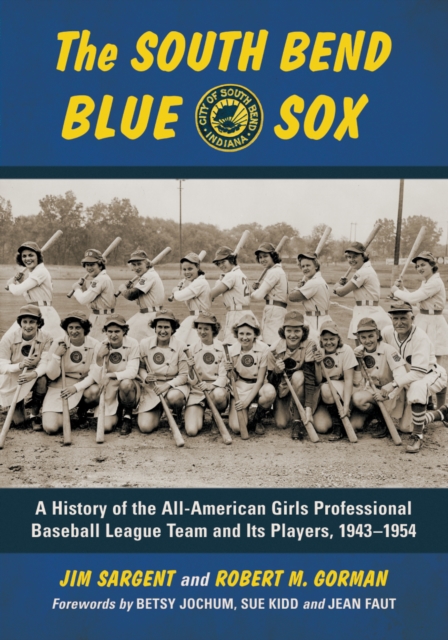
Immortalized in the film A League of Their Own, the All-American Girls Professional Baseball League debuted in 1943 as a way to fill ballpark seats should Major League Baseball suspend operations during World War II.
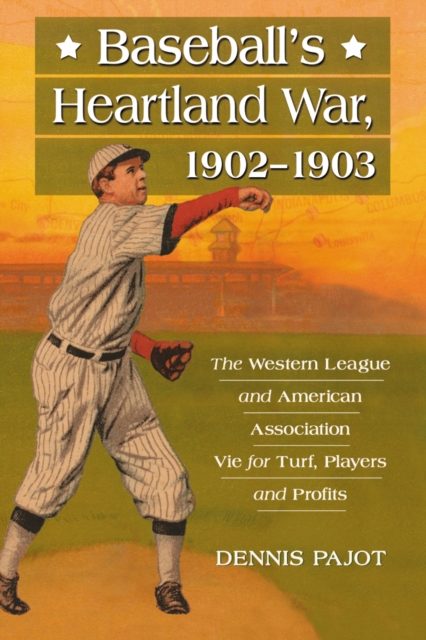
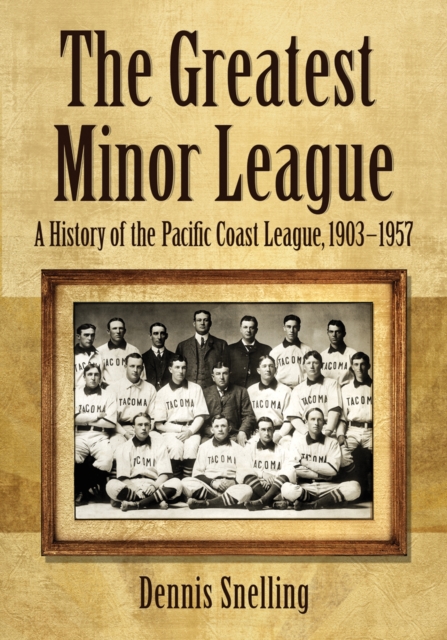
In 1903, a small league in California defied Organized Baseball by adding teams in Portland and Seattle to become the strongest minor league of the twentieth century.
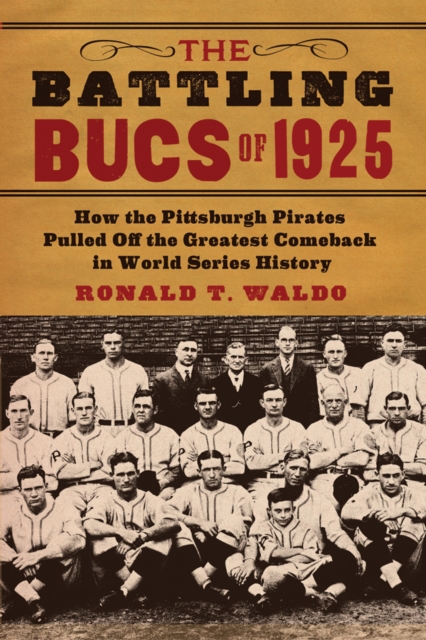
After coming close to winning the pennant on more than one occasion during the early 1920s, the Pittsburgh Pirates finally shed the stigma of being underachievers and claimed the National League flag in 1925, ending the New York Giants' four-year reign at the top of the league.
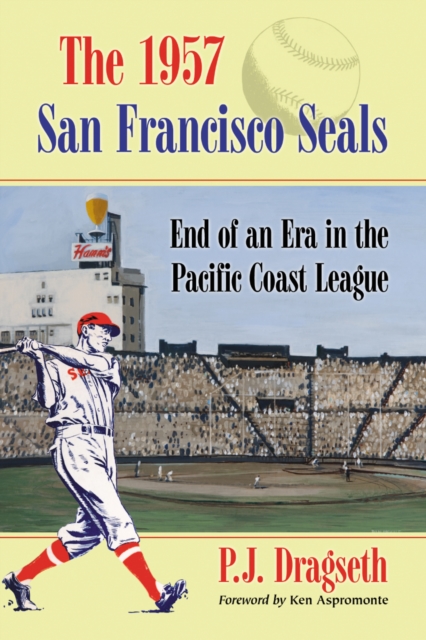
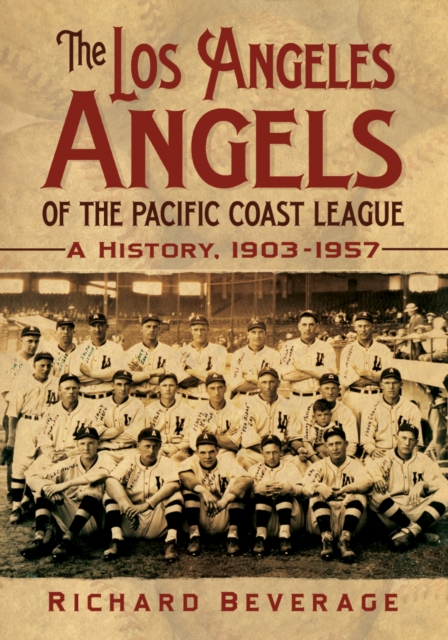
Long before the Brooklyn Dodgers and New York Giants brought the major leagues to California in 1958, professional baseball thrived on the West Coast in the form of the Pacific Coast League (PCL).
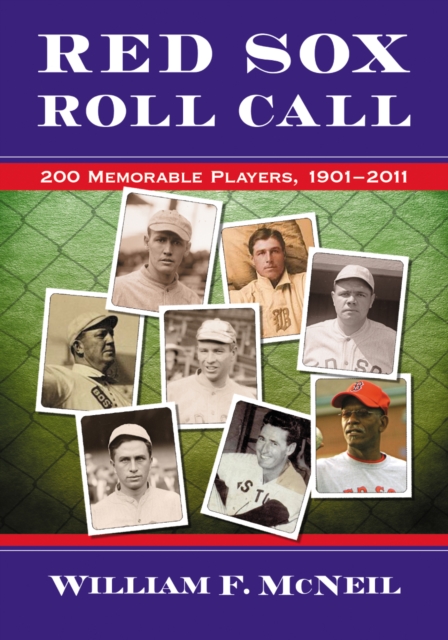
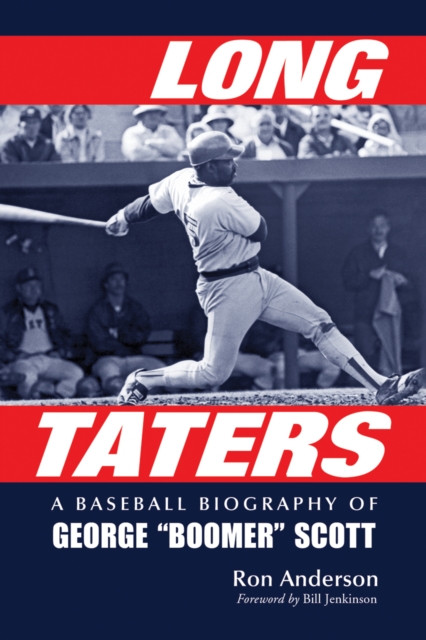
When African American first baseman George "e;Boomer"e; Scott made his debut in the major leagues in 1966, he took the field for the Boston Red Sox--the last major league team to field a black ballplayer, only seven years before.
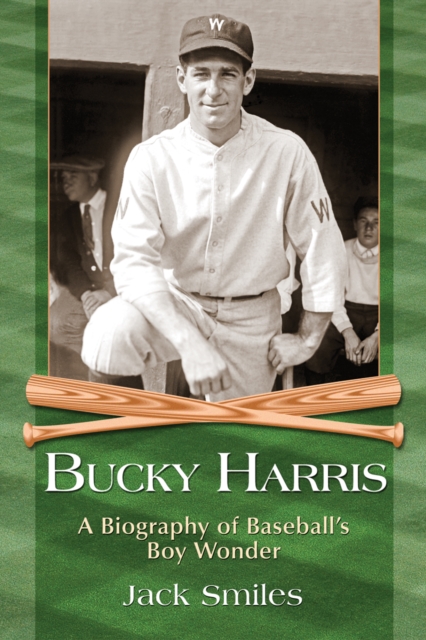
In 1924, at the age of 27, manager and second baseman Stanley "e;Bucky"e; Harris--aka "e;The Boy Wonder"e;--led the Washington Senators to their only World Series championship.
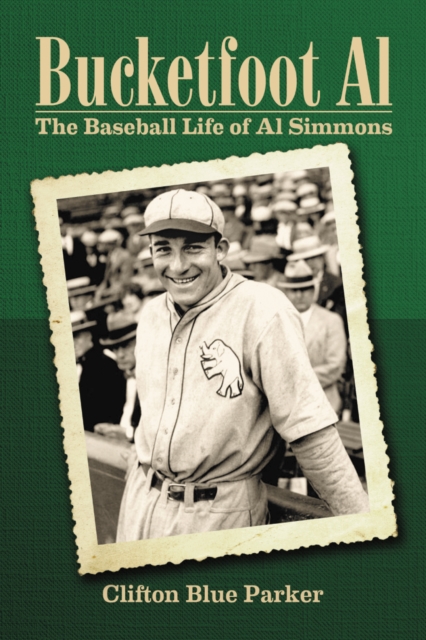
Al Simmons, at top form in the Roaring Twenties, sparked one of baseball's greatest dynasties, the Philadelphia Athletics, to multiple championships, before becoming just another ballplayer.
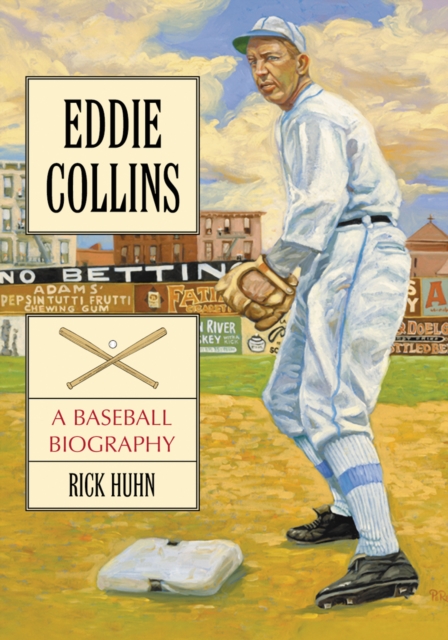
In what is sure to be the definitive book on Eddie Collins's life and long career, author Rick Huhn covers the Hall of Fame player's experiences from childhood through his days at Columbia University, his tenure with the great Athletics clubs of 1906-1914, the highs and lows of a championship and scandal with the White Sox, and his return to the A's during their final run at greatness.
Shortly after the independent Carolina League was formed in 1936, officials of the National Association of Professional Baseball--which oversaw what was known as "e;organized baseball,"e; including the major leagues--began a campaign to destroy the league.