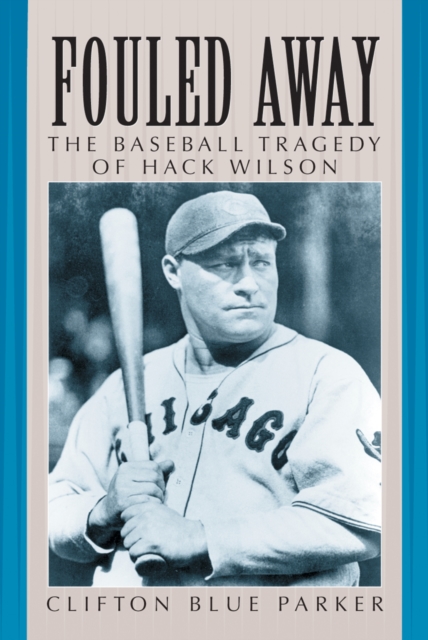
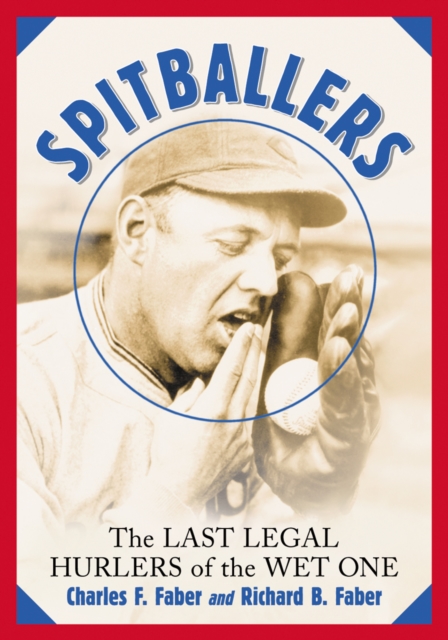
On September 29, 1945, the Chicago Cubs' fireball pitcher Paul Erickson threw a curve ball to Tommy O'Brien of the Pittsburgh Pirates with two outs in the bottom of the ninth inning.
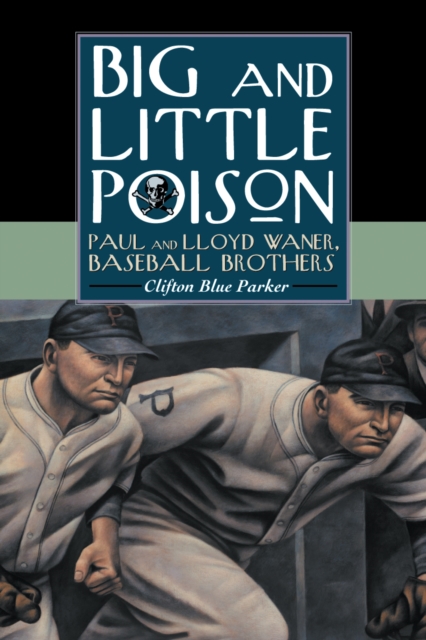
The Waner brothers, Paul and Lloyd--also known as "e;Big Poison"e; and "e;Little Poison"e;--played together for fourteen seasons in the same Pittsburgh outfield in the 1920s and 1930s.
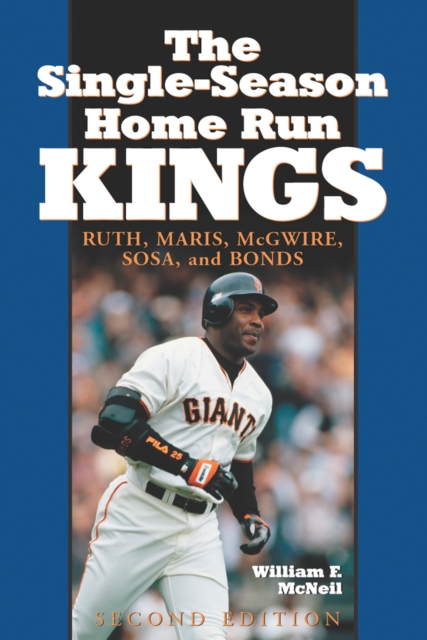
After Babe Ruth erased Buck Freeman's record in 1919, the new mark stood for 34 years before Maris bettered it, defying as he did an incredulous sporting public.
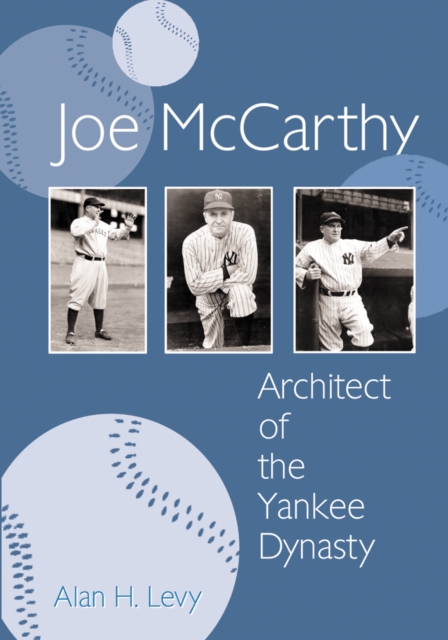
Joe McCarthy was headed towards a career as a plumber--until the parish priest intervened, and convinced McCarthy's mother that he could make more of himself in baseball.
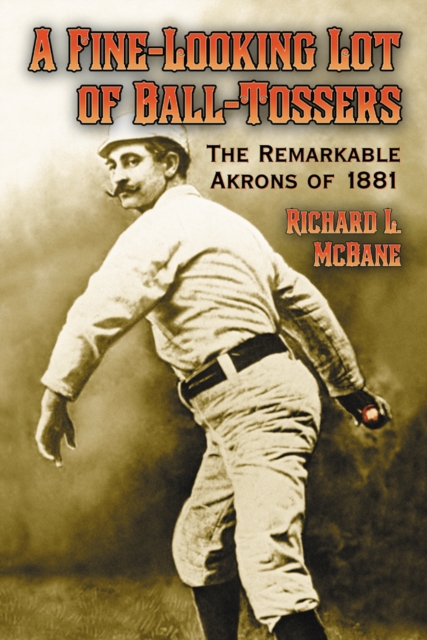
The Akron club's accumulation of talented ballplayers and its success against the best opposition of the time set it apart from the general development of 19th century baseball.
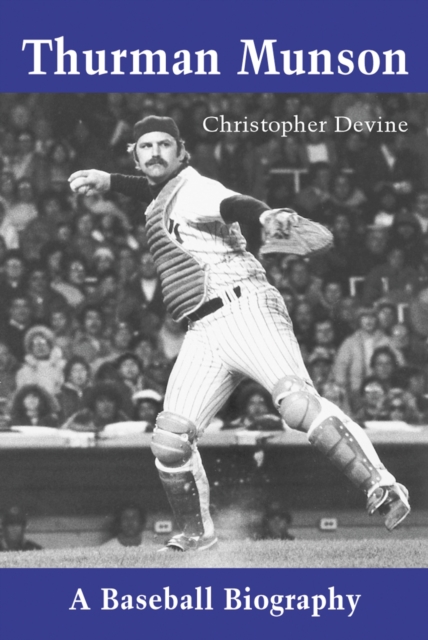
When in 2000 the Baseball Writers Association of America elected the ever-durable Carlton Fisk to the National Baseball Hall of Fame, many fans quietly pointed to the Hall's omission of Fisk' greatest American League contemporary, Thurman Munson.
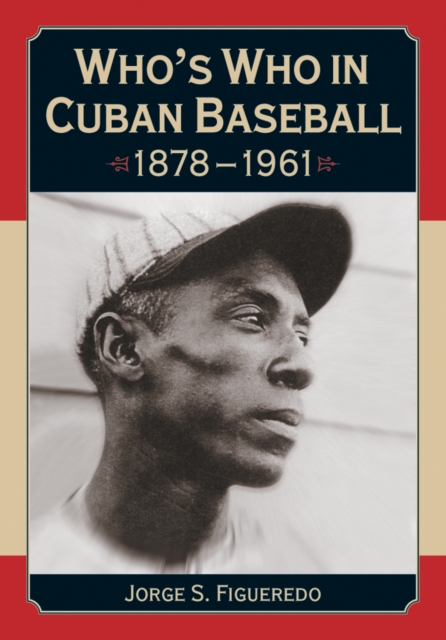
True professional baseball has not been played in Cuba since banned by the communist regime after the 1961 season, but there is a legacy of more than 70 years of continuous excellence by countless Cubans who played in the organized leagues of the island from 1878 to 1961.
On September 10, 1934, grizzled reliever Burleigh Grimes helped the Pittsburgh Pirates to an inconsequential 9-7 win over the New York Giants in the Polo Grounds.
This collection of well-crafted essays spans more than 40 years of franchise history but hews to a single theme: the experience--sometimes humorous, sometimes painful--of being a fan of the New York Mets.
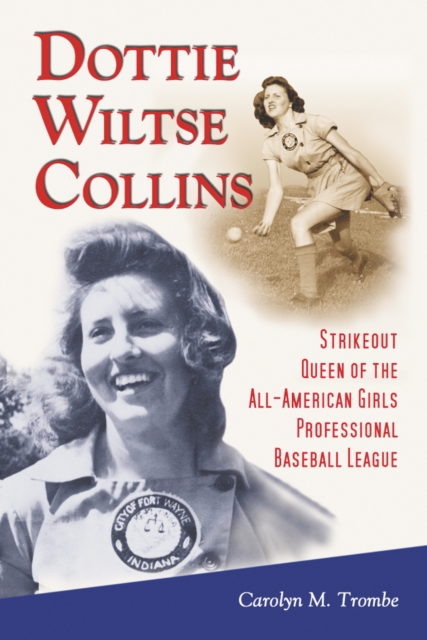
As World War II depleted the available manpower available to the major and minor leagues, Chicago Cubs owner Phillip Wrigley came up with a plan to ensure baseball would continue in the war years: the creation of the All-American Girls Professional Baseball League.
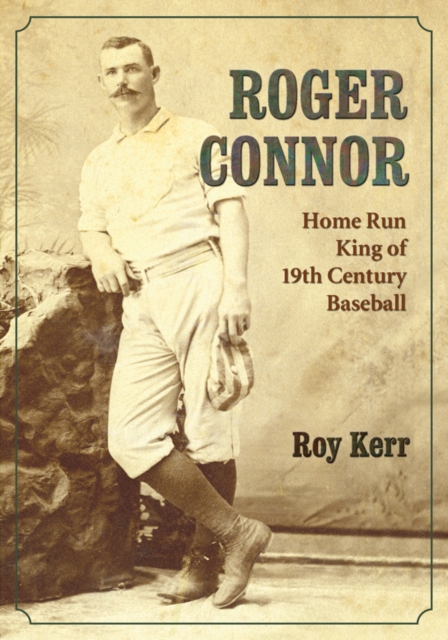
Known today as "e;the Babe Ruth of the 1880s,"e; Hall of Famer Roger Connor was the greatest of the nineteenth-century home run hitters, his career total (138) having stood as the major league record for nearly 24 years--until it was broken by Ruth himself.
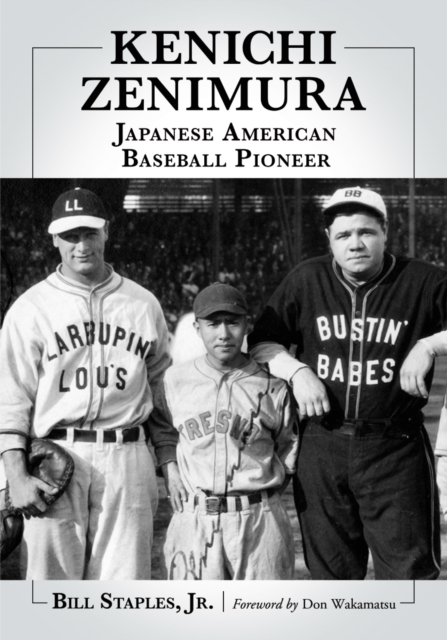
While the story of the Negro Leagues has been well documented, few baseball fans know about the Japanese American Nisei Leagues, or of their most influential figure, Kenichi Zenimura (1900-1968).
In early 1869, Harry Wright of the Cincinnati Base Ball Club made an announcement to the sporting press: the Red Stockings would be the first all-professional club in the history of the game.
Of baseball there have been countless books, but, surprisingly, relatively few about the owners, the men and women who invested their time--and, frequently, their fortunes--in baseball teams.
At least as far back as 1842 through about the late 1930s and mid-1940s, before baseball became commercialized and teams were able to hire one man to manage the entire team, it was not uncommon for one person to fill the roles of player and manager simultaneously.
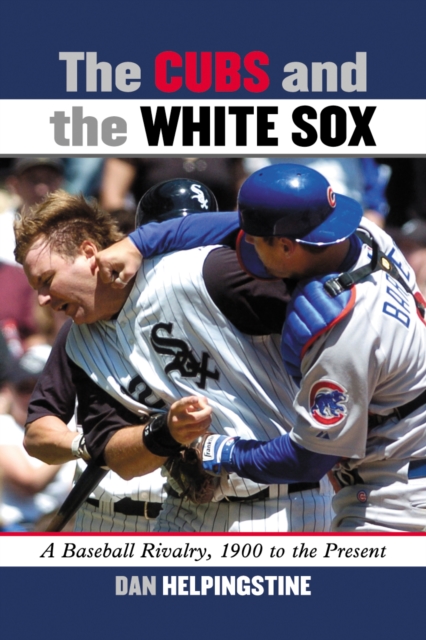
Beginning with the premise that there is no other rivalry in team sports like that between the Cubs and the White Sox this work traces the history of the antagonism (and, at times, open hostility) between the fans of the two clubs.
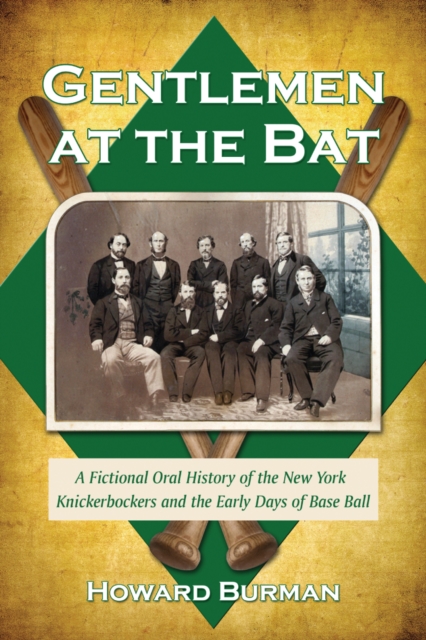
Beginning in 1845, the New York Knickerbockers were the first fully organized base ball club to play the game with written rules similar to those used today.
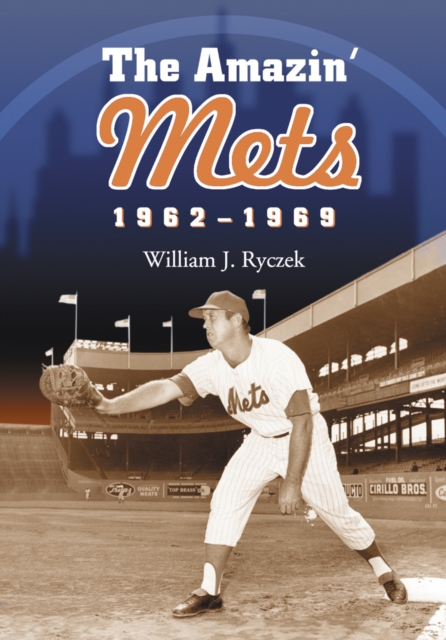
This book traces the history of the New York Mets from the franchise's inauspicious beginnings--the 1962 team, led by Casey Stengel and made up of players like Rod Kanehl and Jay Hook, lost 120 games--through the miraculous championship season of 1969.