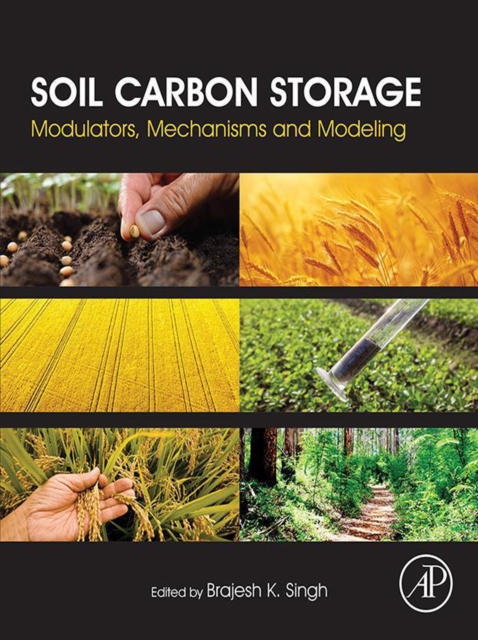
Soil Carbon Storage: Modulators, Mechanisms and Modeling takes a novel approach to the issue of soil carbon storage by considering soil C sequestration as a function of the interaction between biotic (e.
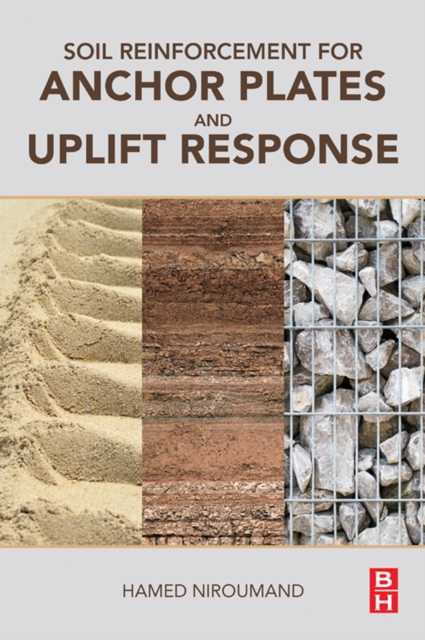
Soil Reinforcement for Anchor Plates and Uplift Response presents a comprehensive and rigorous review of the current knowledge in soil improvement for anchor plates, and is based on original research that includes experimental data on how to enhance uplift response of soil anchor plates by using several soil reinforcement methods.
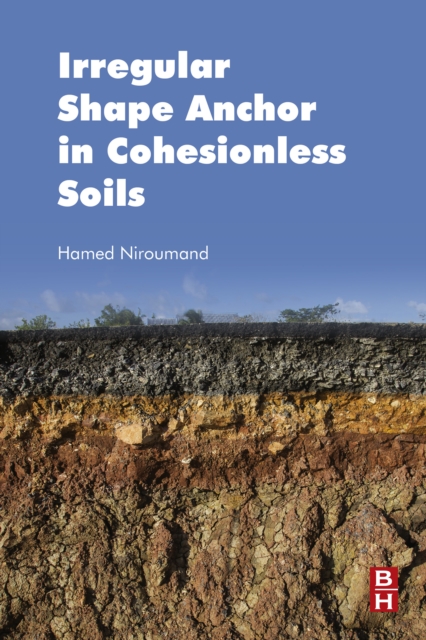
Irregular Shape Anchors in Cohesionless Soils presents a new type of soil anchor that can significantly lower cost and preparation time for application in low cohesion soils.
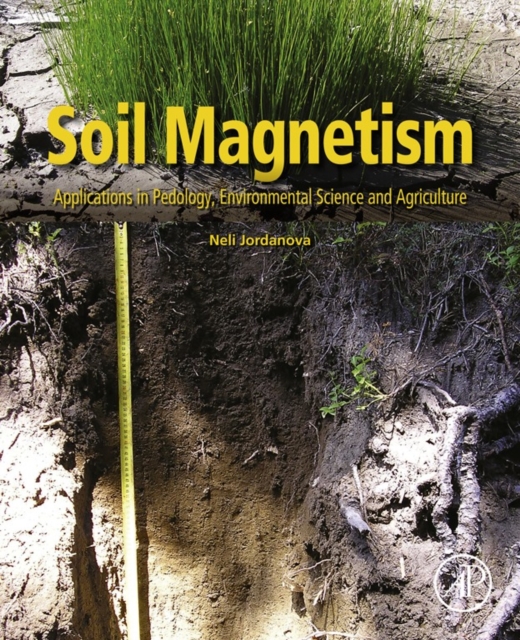
Soil Magnetism: Applications in Pedology, Environmental Science and Agriculture provides a systematic, comparative, and detailed overview of the magnetic characterization of the major soil units and the observed general relationships, possibilities, and perspectives in application of rock magnetic methods in soil science, agriculture, and beyond.
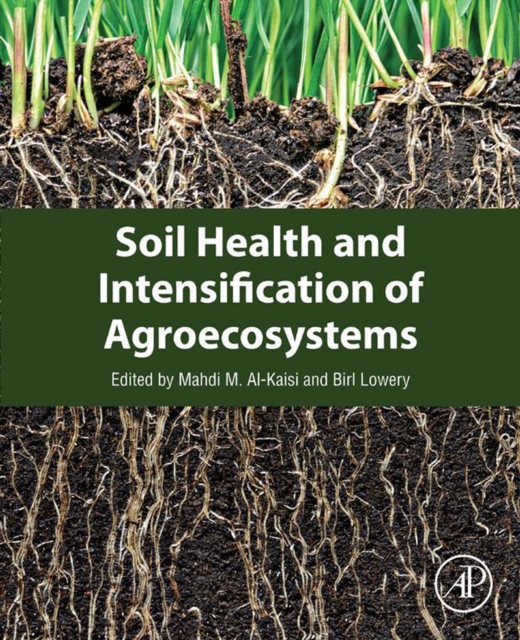
Soil Health and Intensification of Agroecosystems examines the climate, environmental, and human effects on agroecosystems and how the existing paradigms must be revised in order to establish sustainable production.
The Advances in Applied Microbiology series, first published in 1959, continues to be one of the most widely read and authoritative review sources in microbiology.
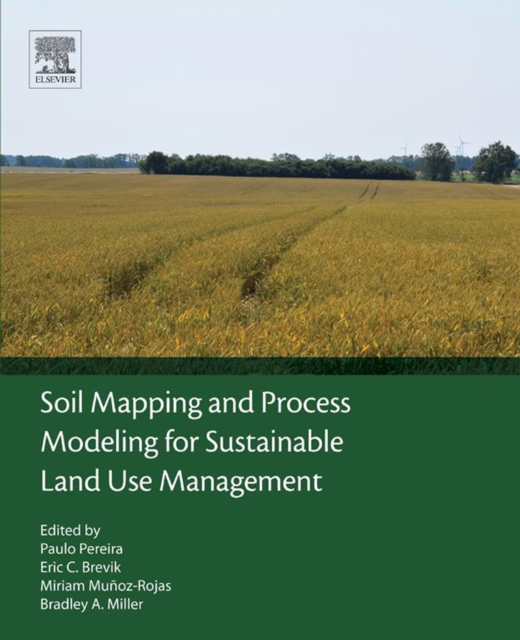
Soil Mapping and Process Modeling for Sustainable Land Use Management is the first reference to address the use of soil mapping and modeling for sustainability from both a theoretical and practical perspective.
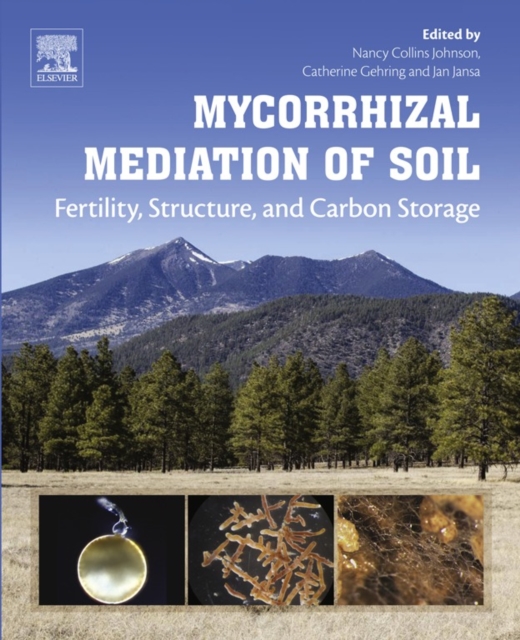
Mycorrhizal Mediation of Soil: Fertility, Structure, and Carbon Storage offers a better understanding of mycorrhizal mediation that will help inform earth system models and subsequently improve the accuracy of global carbon model predictions.
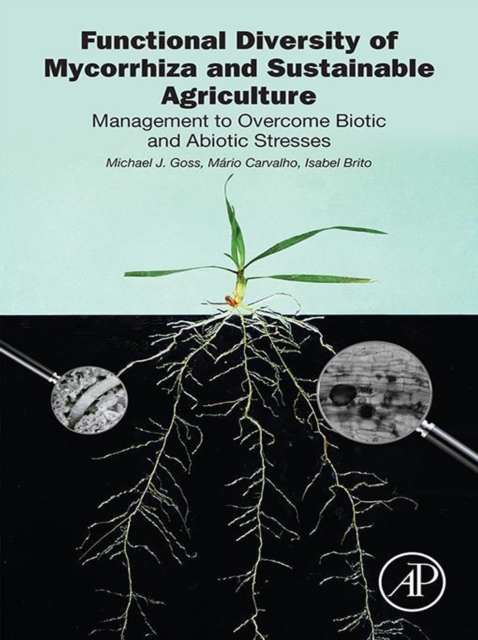
Functional Diversity of Mycorrhiza and Sustainable Agriculture is the first book to present the core concepts of working with Arbuscular mycorrhizal fungi to improve agricultural crop productivity.
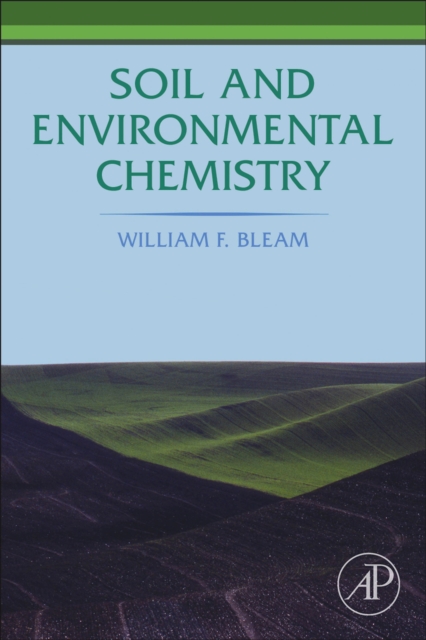
Soil and Environmental Chemistry, Second Edition, presents key aspects of soil chemistry in environmental science, including dose responses, risk characterization, and practical applications of calculations using spreadsheets.
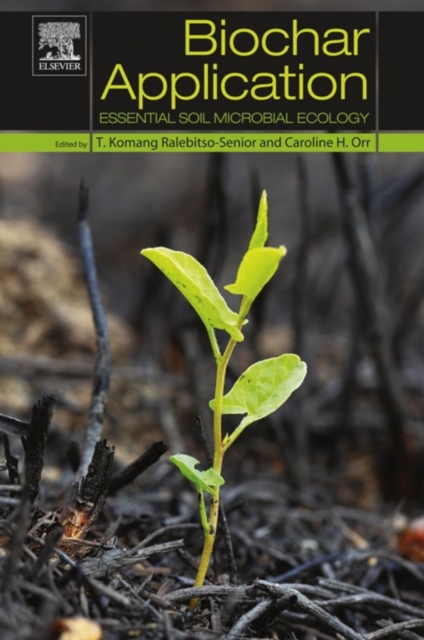
Biochar Application: Essential Soil Microbial Ecology outlines the cutting-edge research on the interactions of complex microbial populations and their functional, structural, and compositional dynamics, as well as the microbial ecology of biochar application to soil, the use of different phyto-chemical analyses, possibilities for future research, and recommendations for climate change policy.
Soil Mechanics: Calculations, Principles, and Methods provides expert insights into the nature of soil mechanics through the use of calculation and problem-solving techniques.
This book conceptualizes a revolutionary idea based on a mechanistic-mathematical model in which the "e;Buffer Power"e; of the principal and problematic nutrients like phosphorus, potassium and zinc is quantified.
Soil organic carbon (SOC), a key component of the global carbon (C) pool, plays an important role in C cycling, regulating climate, water supplies and biodiversity, and therefore in providing the ecosystem services that are essential to human well-being.
The main objective of this book is to integrate environmental knowledge observed in local agriculture, based on the understanding of soils science and ecology, and to propose possible technical solutions and a more integrated approach to tropical agriculture.
Soil and water salinity is a major challenge for the agricultural community and policy makers in terms of meeting the burgeoning population's demand for food and other agricultural commodities.
Plants, being sessile and autotrophic in nature, must cope with challenging environmental aberrations and therefore have evolved various responsive or defensive mechanisms including stress sensing mechanisms, antioxidant system, signaling pathways, secondary metabolites biosynthesis, and other defensive pathways among which accumulation of osmolytes or osmo-protectants is an important phenomenon.
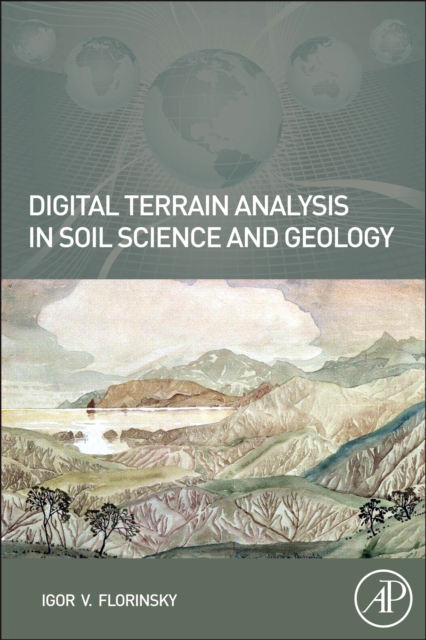
Digital Terrain Analysis in Soil Science and Geology provides soil scientists and geologists with an integrated view of the principles and methods of digital terrain analysis.
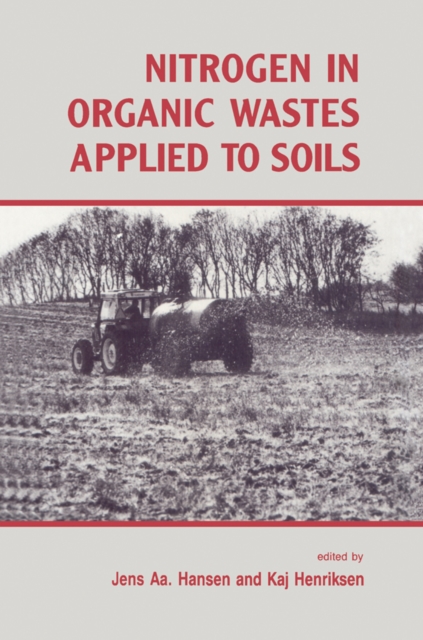
Organic wastes are traditionally applied to land to recover their fertilizer value, but the microbial turnover of such organic matter in soil is often out of phase with the requirements of growing plants.
This curated book addresses, in the scholarly realm, the problems of soil degradation and provides some practical solutions for them to save soil life.
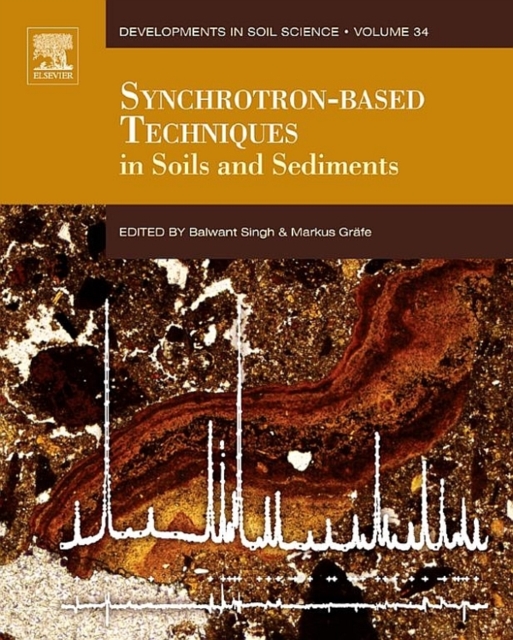
Over the past 20 years, synchrotron-based research applications have provided important insight into the geochemical cycling of ions and the chemical and crystallographic properties of minerals in soils and sediments.
Interpretation of Micromorphological Features of Soils and Regolith, 2nd edition, provides researchers and students with a global tool for interpretation of micromorphological features of regoliths and soils.
This book is a unified, condensed, and simplified version of the recently issued twin volumes, Fundamentals of Soil Physics and Applications of Soil Physics.
This book will address the major subsoil physical and chemical constraints and their implications to crop production; Plant growth is often restricted by adverse physical and chemical properties of subsoils yet these limitations are not revealed by testing surface soils and hence their significance in crop management is often overlooked.
Written by international authorities in agronomy, Volume 63 contains five comprehensive reviews covering key contemporary topics on crop and soil sciences.
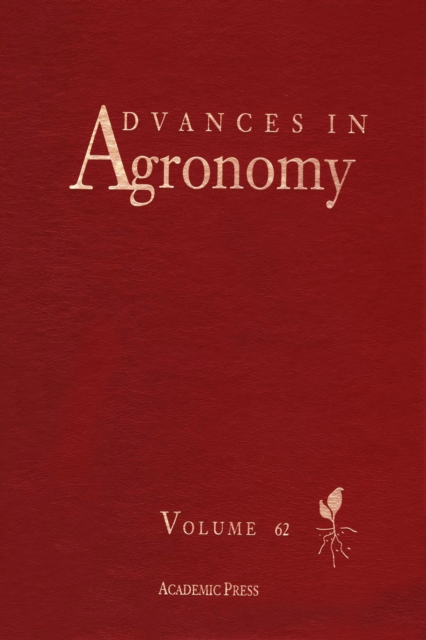
Written by international authorities in agronomy, Volume 62 contains five comprehensive reviews covering key contemporary topics on crop and soil sciences.
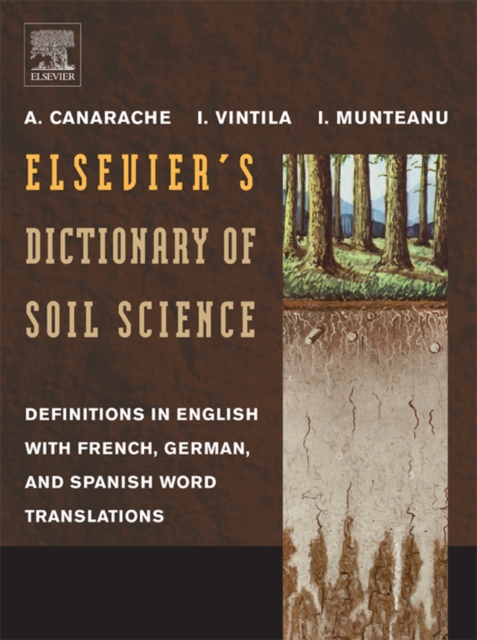
This dictionary includes some 9200 terms, each with a definition and often and additional descriptive text in English, the terms being translated in French, German and Spanish.
Continuing the international tradition of Advances in Agronomy, Volume 48 highlights crop and soil science including hybrid improvement in tropical maize, pearl millet as food, feed and forage, cotton host plant resistance to insects, and electrochemical techniques applied to soils.