Sustainability rests on the principle that we must meet the needs of the present without compromising the ability of future generations to meet their own needs.
Bemisia tabaci (Gennedius) has distinguished itself from the more than 1,000 whitefly species in the world by its adaptability, persistence and potential to damage a wide range of agricultural and horticultural crops in all six of the world's inhabited continents.
Greenhouse cultivation is noted for its high uptake of minerals, consistent climatic conditions, exclusion of natural precipitation and control of salt accumulation.
Understanding water circulation in rocks represents a very important element to solving many of the problems linked with civil, environmental and mining engineering.
The book contains the contributions at the NATO Study Institute on Exposure and Risk Assessment of Chemical Pollution - Contemporary Methodology, which took place in Sofia - Borovetz, Bulgaria, July 1-10, 2008.
Strong atmosphere-hydrology-biosphere feedbacks including human activity affect the rate and sign of changes in the Earth's system and have impacts on socioeconomic relationships.
Significant reduction of local, regional, national and international greenhouse gas emissions in homes, businesses, industries and communities has become an international priority.
As the global pursuit for environmental sustainability and circular water economy grows ever ambitious, this book explores recent trends, methods, and advancements in industrial wastewater treatment.
This book entitled, The Pearl Millet Genome, is the first comprehensive compilation of deliberations on history, domestication, genetic and genomic resources, traditional breeding, genetic diversity, molecular maps and mapping of important biotic stress as well as nutritional quality traits, whole genome sequencing and comparative genomics, functional genomics, genetic transformation.
This book deliberates on the concept, strategies, tools, and techniques of allele mining in oilseed crops and its application potential in genome elucidation and improvement, including studying allele evolution, discovery of superior alleles, discerning new haplotypes, assessment of intra- and interspecific similarity, and studies of gene expression and gene prediction.
This book focuses on the (re)invention of French food in the US, probing the intricate transatlantic dynamics underlying notions of cooking and eating French.
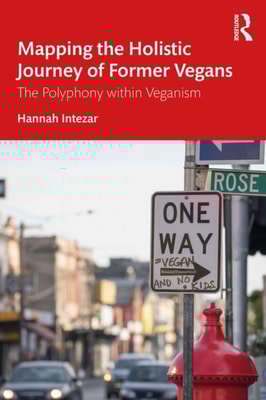
This book explores Veganism through the holistic journeys and lived experiences of former vegans, with a particular focus on the impact this has on their Selfhood and identity.
This book focuses on the most recent developments in bioremediation techniques, exploring how microorganisms can break down different pollutants and the future potential of bioremediation to reduce global pollution levels.
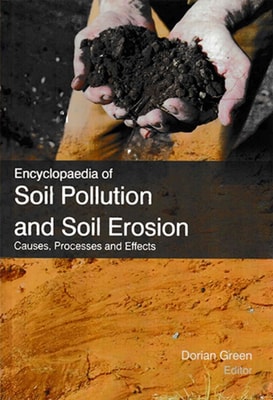
Soil pollution is defined as the build-up in soils of persistent toxic compounds, chemicals, salts, radioactive materials, or disease causing agents, which have adverse effects on plant growth and animal health Soil is the thin layer of organic and inorganic materials that covers the Earths rocky surface The organic portion, Which is derived from the decayed remains of plants and animals is concentrated in the dark uppermost topsoil The inorganic portion made up of rock fragments, was formed over thousands of years by physical and chemical weathering of bedrock Productive soils are necessary for agriculture to supply the world with sufficient food soil erosion implies that the soil run off with force of water and erosion can be done by the removal of material movement of rock particles etc.
Soil pollution is defined as the build-up in soils of persistent toxic compounds, chemicals, salts, radioactive materials, or disease causing agents, which have adverse effects on plant growth and animal health Soil is the thin layer of organic and inorganic materials that covers the Earths rocky surface The organic portion, Which is derived from the decayed remains of plants and animals is concentrated in the dark uppermost topsoil The inorganic portion made up of rock fragments, was formed over thousands of years by physical and chemical weathering of bedrock Productive soils are necessary for agriculture to supply the world with sufficient food soil erosion implies that the soil run off with force of water and erosion can be done by the removal of material movement of rock particles etc.
This timely book is a compilation of edited articles by distinguished international scientists discussing global warming, its causes as well as present and future solutions.
This book uses primary evidence to assess the value of agro-input and service delivery business models in terms of their inclusiveness, effectiveness and impact from a small farmer perspective, in the form of case studies in three Indian states: Punjab, Bihar and Uttar Pradesh.
This book focuses on multiple plant stresses and the molecular basis of adaptation, addressing the molecular mechanism and adaptation for both abiotic and biotic stresses.
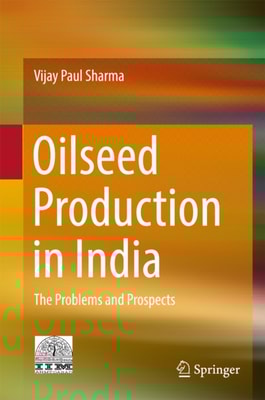
This book analyses the performance and potential of India's oilseed sector, identifies the major constraints facing the industry and suggests options for increasing the country's oilseed production and productivity, taking into account the changing policy environment, increasing demand, slow growth in domestic production and rising imports.
This book helps readers understand the concepts of marketed and marketable surplus, as well as the role of the government and marketing agencies, including those in the private sector, in improving market efficiency.
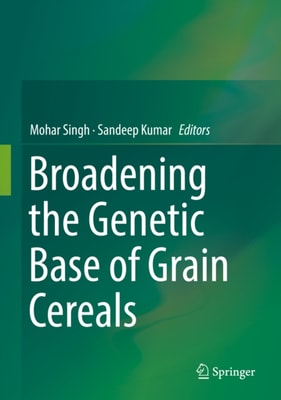
This book offers comprehensive coverage of important grain cereals including their origin and distribution, crop gene pool, level of diversity, production constraints, traits of importance for genetic base widening, crop improvement methodologies, genome mapping, genomics for breeding, and future strategies.
This brief describes various methods of chitosan nano-materials synthesis, with detailed discussion of various factors effecting its synthesis process, stability and physicochemical properties.
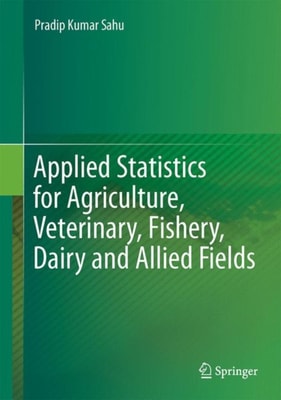
This book is aimed at a wide range of readers who lack confidence in the mathematical and statistical sciences, particularly in the fields of Agriculture, Veterinary, Fishery, Dairy and other related areas.
The potassium solubilizing microorganisms (KSMs) are a rhizospheric microorganism which solubilizes the insoluble potassium (K) to soluble forms of K for plant growth and yield.
The land degradation due to salinity and waterlogging is a global phenomenon, afflicting about one billion hectares within the sovereign borders of at least 75 countries.
Thisbook is the first of its kind to highlight the positive impact of natural UVradiation on plants through unique adaptations in various metabolic pathways, andprovides an evolutionary sketch of the development of molecular mechanisms forprotecting plants from solar UV ever since their migration to terrestrialhabitats.
This book brings together recent advances in the area of abiotic stress tolerance in various vegetables, fruit crops, plantation crops and tuber crops.
The chapters presented in this book 'Biofortification of Food Crops' depict how agricultural technological interventions have true role in alleviating malnutrition.
This book represents an original research contribution in the area of aroma volatile biochemistry and the molecular analysis of basmati and non-basmati rice cultivars of India.
This book presents a detailed overview and critical evaluation of the state of the art and latest approaches in genetic manipulation studies on plants to mitigate the impact of climate change on growth and productivity.
Land degradation caused by salinity and waterlogging is a global problem afflicting about one billion hectares and endangering the food security of at least 75 countries.
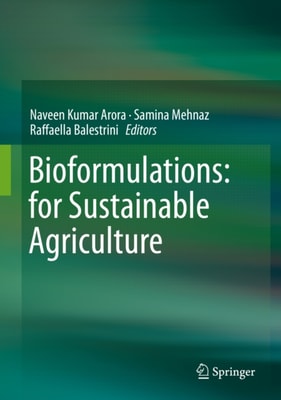
How to achieve sustainable agricultural production without compromising environmental quality, agro-ecosystem function and biodiversity is a serious consideration in current agricultural practices.
The performance of crops in the soil largely depends on the physico-chemical components of the soil, which regulate the availability of nutrients as well as abiotic and biotic stresses.
This book is a compilation of the most challenging and significant chapters on the diagnosis and management of important bacterial, fungal, viral, viroid, phytoplasma, non parasitic diseases and various physiological disorders, in various crops.