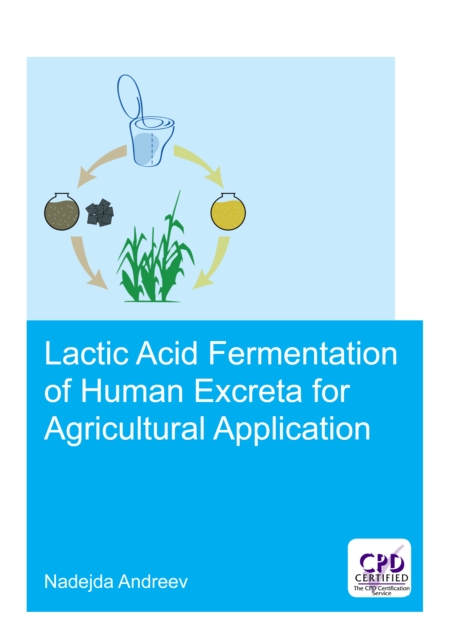
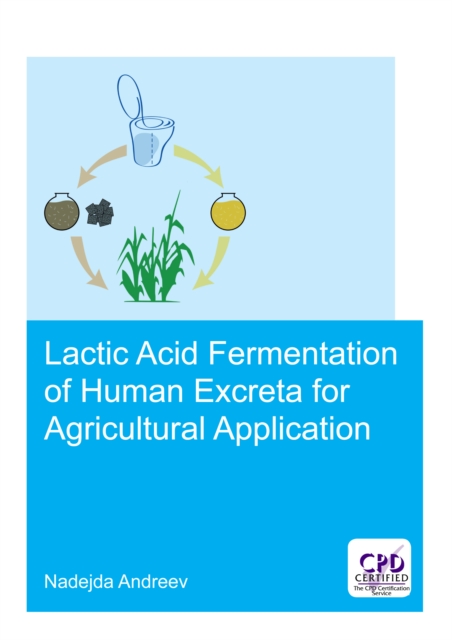
Human excreta is a valuable fertilizer for improving soil quality and crop productivity, with a potential to replace or complement the mineral fertilizers.
Human excreta is a valuable fertilizer for improving soil quality and crop productivity, with a potential to replace or complement the mineral fertilizers.
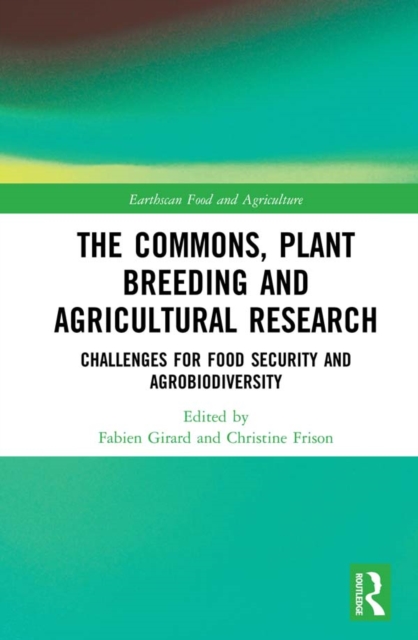
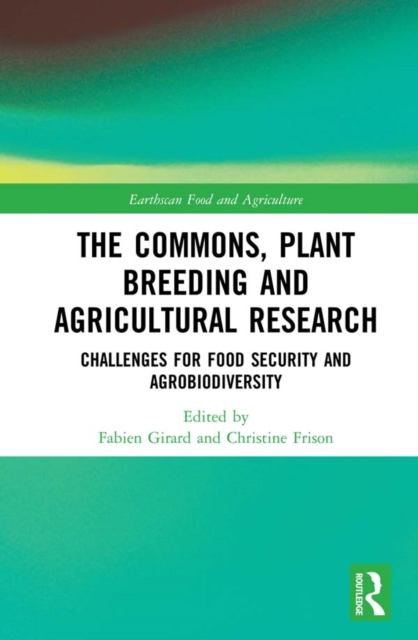
The joint challenges of population increase, food security and conservation of agrobiodiversity demand a rethink of plant breeding and agricultural research from a different perspective.
The joint challenges of population increase, food security and conservation of agrobiodiversity demand a rethink of plant breeding and agricultural research from a different perspective.
Global Soil Security: Towards More Science-Society Interfaces contains contributions presented at the 2nd Global Soil Security conference, held 5-6 December 2016 in Paris.
Plant physiology is now considered as an essential ingredient for improving crop productivity, a continuing necessity with todays ever-increasing world population.
Plant physiology is now considered as an essential ingredient for improving crop productivity, a continuing necessity with todays ever-increasing world population.
One of the more perplexing problems of economic development is helping subsistence farmers break away from production simply for home consumption to become commercial farmers, producing more and more for sale in the marketplace.
One of the more perplexing problems of economic development is helping subsistence farmers break away from production simply for home consumption to become commercial farmers, producing more and more for sale in the marketplace.
Advances in Soil and Water Conservation provides an in-depth, scholarly treatment of the most important developments and influences shaping soil and water conservation in the last 50 years.
Advances in Soil and Water Conservation provides an in-depth, scholarly treatment of the most important developments and influences shaping soil and water conservation in the last 50 years.
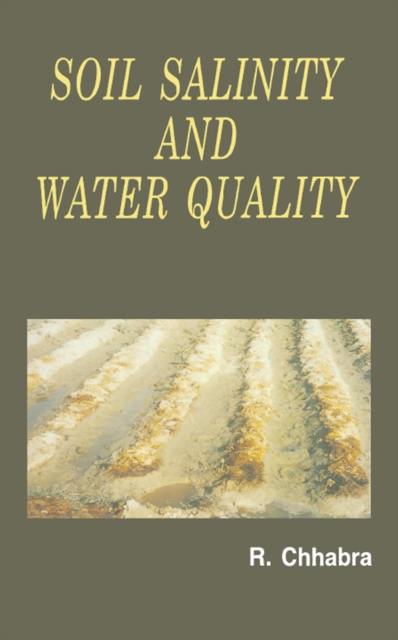
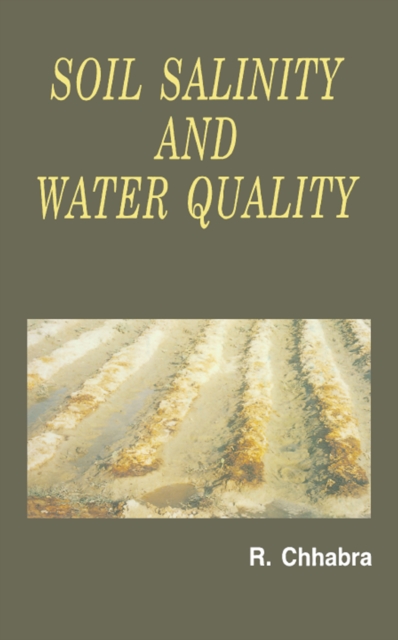
This volume covers such areas in the field of soil salinity and water quality as: origin and distribution of salt-affected soils; management of alkali soils; quality criteria of irrigation water; wastewaters as a source of irrigation; and grasses and trees in the management of salt-affected soils.
This volume covers such areas in the field of soil salinity and water quality as: origin and distribution of salt-affected soils; management of alkali soils; quality criteria of irrigation water; wastewaters as a source of irrigation; and grasses and trees in the management of salt-affected soils.
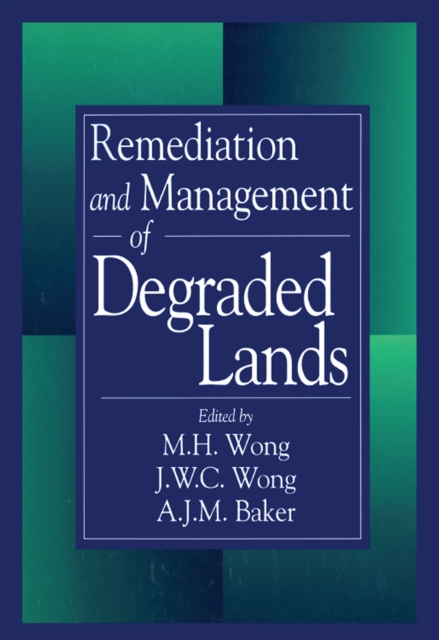
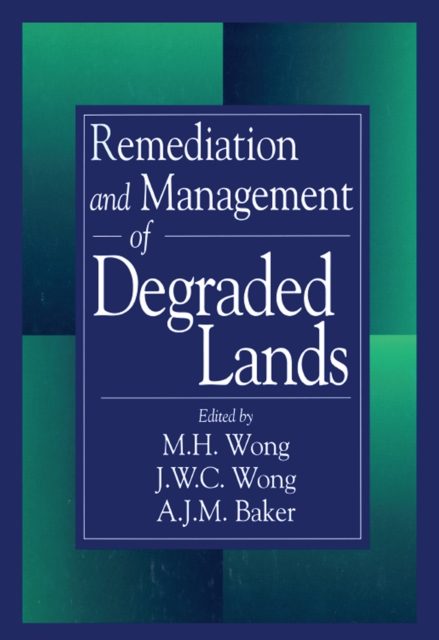
Remediation and Management of Degraded Lands presents the program of the first International Conference on the Remediation and Management of Degraded Lands.
Remediation and Management of Degraded Lands presents the program of the first International Conference on the Remediation and Management of Degraded Lands.
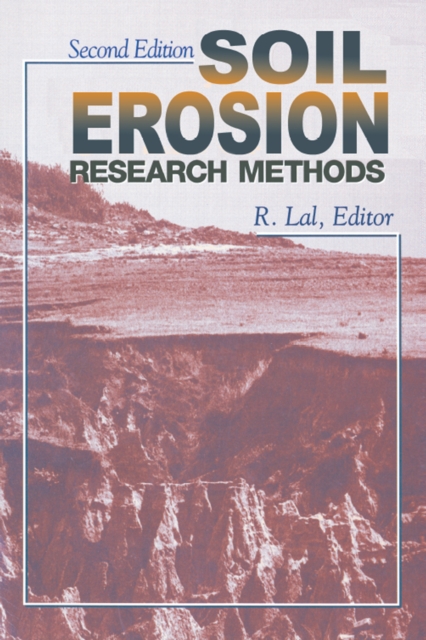
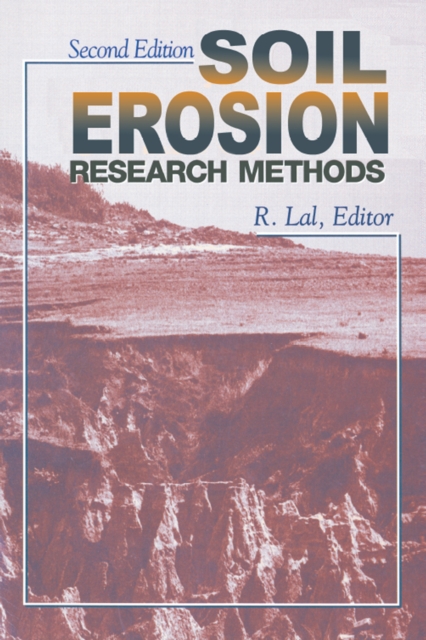
Soils are one of the world's most important resources, and their protection, maintenance, and improvement is critical to the continuance of life on earth.