Accumulation into one source of what is known regarding the feeding value of these materials and systems which have been developed for improving their digestibility, palatability or methods of handling was the motivation for organising this book.
Soil Biology is a state-of-the art review focusing on the linkage between biological processes that occur in the soil and their impact on soil quality.
This book is the proceedings of a workshop entitled Effects of Sewage Sludge Quality and Soil Properties on Plant Uptake of Sludge-Applied Trace Constituents, jointly sponsored by the U.
Accumulation into one source of what is known regarding the feeding value of these materials and systems which have been developed for improving their digestibility, palatability or methods of handling was the motivation for organising this book.
Soil Biology is a state-of-the art review focusing on the linkage between biological processes that occur in the soil and their impact on soil quality.
This new volume highlights the latest strides made in the fields of agricultural biotechnology, encompassing topics from molecular biology, genetic engineering, proteomics, molecular docking, and drug delivery.
This book is the proceedings of a workshop entitled Effects of Sewage Sludge Quality and Soil Properties on Plant Uptake of Sludge-Applied Trace Constituents, jointly sponsored by the U.
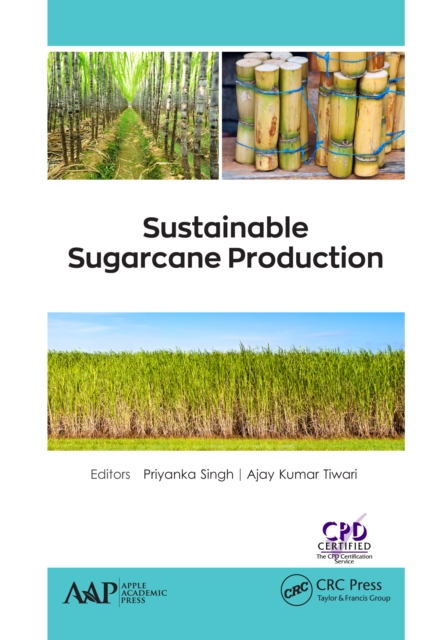
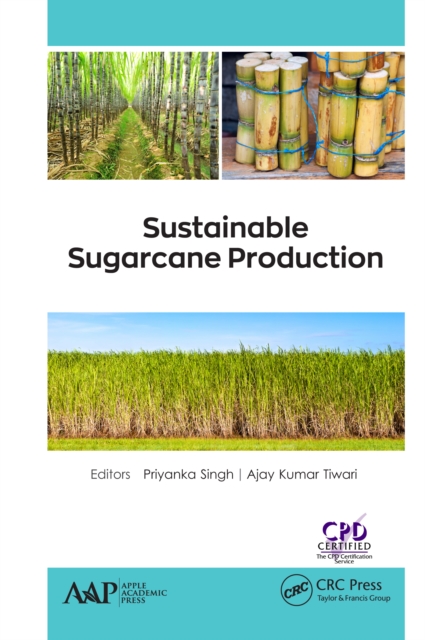
The sugarcane crop, one of the most important crops commercially grown in about 115 countries of the world, faces a number of problems, such as low cane productivity, biotic and abiotic stresses, high cost of cultivation, postharvest losses, and low sugar recovery.
The sugarcane crop, one of the most important crops commercially grown in about 115 countries of the world, faces a number of problems, such as low cane productivity, biotic and abiotic stresses, high cost of cultivation, postharvest losses, and low sugar recovery.
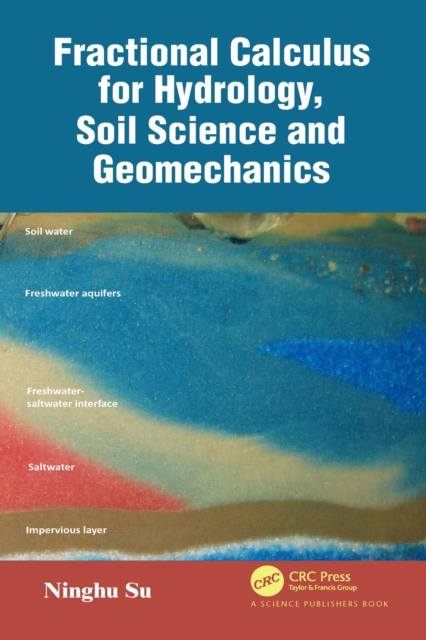
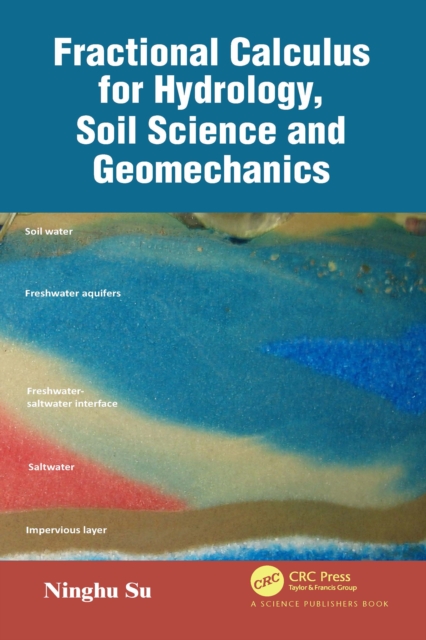
This book is an unique integrated treatise, on the concepts of fractional calculus as models with applications in hydrology, soil science and geomechanics.
This book is an unique integrated treatise, on the concepts of fractional calculus as models with applications in hydrology, soil science and geomechanics.
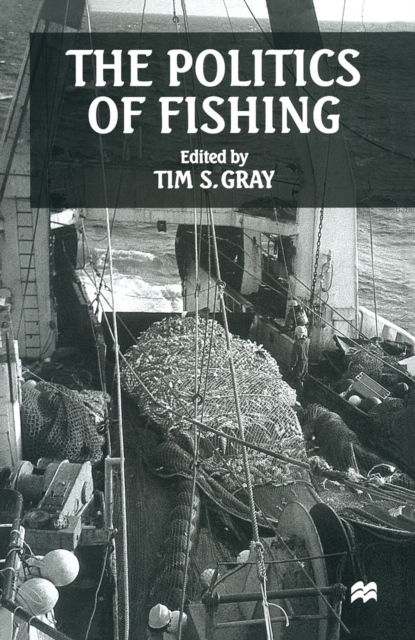
A topical and authoritative examination of the current crisis in the fishing industry, offering a political analysis of the reasons for the crisis and suggesting ways in which this might be overcome.
As a result of the regional debt crisis, most governments of Latin America in the 1980s entered into a process of profound policy change, from an import substitution oriented strategy to a focus upon export-promotion, with an emphasis upon market liberalisation.
The book examines in depth the problematic effects of state intervention in agricultural markets of developing countries against the background of the current transition of interventionism to neo-liberalism.
This book explains how policy changes affect farmers' production incentives and efficiency of resource allocation within and outside agriculture in modern China, paying particular attention to the effects of technical inputs on yield and efficiency of spatial crop production pattern.
Agriculture was a major item on the agenda of the Uruguay Round of multilateral trade negotiations under the auspices of the General Agreement on Tariffs and Trade (GATT), launched in 1986.
This volume of papers from the Eighth World Congress deals with changes in proportions and growth rates of sectors of the economy in relation to economic development.
The starting point of Paul Streeten's book is the dilemma, faced by policy makers in many developing countries: should the price of food be high, in order to stimulate production, or low, in order to prevent poor food buyers from starving?
Rice in Deep Water gives a detailed description of the complex agroecosystem and the growth and development of deepwater rice, a fascinating crop grown by subsistence farmers in the deltas and floodplains of Asia and West Africa flooding to depths of 2-3 metres.
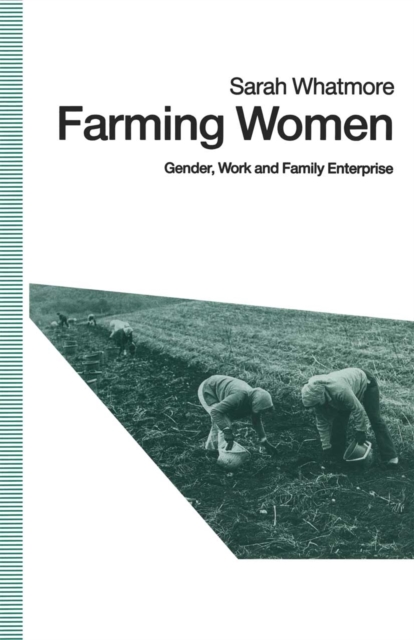
This book presents a feminist critique and reconstruction of the political economy of contemporary family farming at a time when the significance of household and kinship to the organisation of production and work in advanced industrial countries is being more widely reassessed.
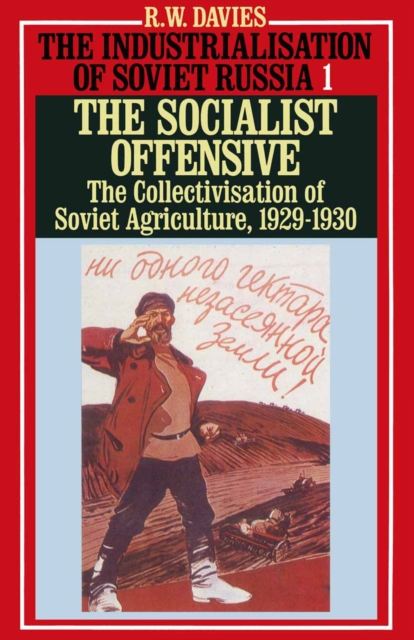
By the summer of 1929 Soviet industrialisation was well under way, but agriculture was in a profound crisis: in 1928 and 1929 grain to feed the towns was wrested from the peasants by force, and the twenty-five million individual peasant households lost the stimulus to extend or even to maintain their production.