Since the middle of the Sixties, new types of formulation for biologically active com- pounds have been developed, which have been introduced into the literature under the term Controlled Release Formulations (CRF).
The Handbook of Environmental Chemistry provides the compilation of today's knowledge of processes in the natural environment and the behavior and impact of pollutants.
An important purpose of The Handbook of Environmental Chemistry is to aid the understanding of distribution and chemical reaction processes which occur in the environment.
An important purpose of The Handbook of Environmental Chemistry is to aid the understanding of distribution and chemical reaction processes which occur in the environment.
This edited volume provides insights into the current state of food and nutritional security, highlights the significance of micronutrients for human health, offers a historical perspective on biofortification, and covers current strategies and challenges.
This book focuses exclusively on the welfare of goats, which have peculiar behavioral characteristics and needs, and distinct individual personalities.
This updated and expanded second edition textbook, describes all main aspects of soil management, to address the serious problems of soil erosion and the attendant environmental pollution.
This book covers the theoretical and practical aspects of pest population components, explaining the probable reasons for pest density fluctuations and outbreaks in agricultural or other ecosystems.
This edited volume covers latest information and developments on the Detection, Diagnosis and Management of Air-Borne Diseases of Agricultural Crops across the globe.
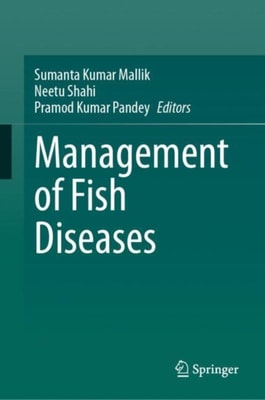
This book covers various aspects of aquatic animal health, such as pathogenic and beneficial microbes, disease diagnosis, treatment and preventive measures, biosecurity, disease management.
This monograph covers uniqueness of micromorphology in resolving many important but enigmatic pedological issues such as clay illuviation, formation of pedogenic and non-pedogenic CaCO3, modification of plasmic fabric, contemporary and relict pedogenic processes, polygenesis of soils in Alfisols, Mollisols, Ultisols, Vertisols and Inceptisols of the tropical Indian environments.
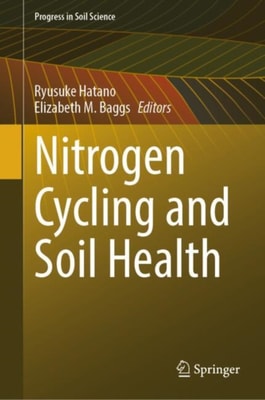
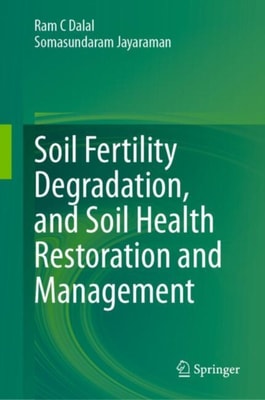
The United States Department of Agriculture (USDA) defines soil health as the continued capacity of soil to function as a vital living ecosystem that sustains plants, animals, and humans, and healthy soil gives us clean air and water.
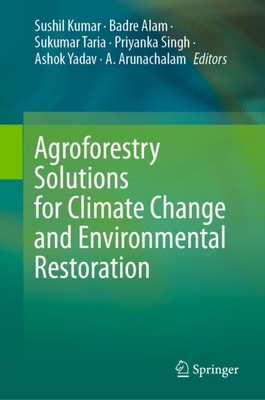
This book discusses the possibilities, reach, challenges, and limitations of agroforestry in new contexts where the security of food, nutrition, and the environment are equally vital.
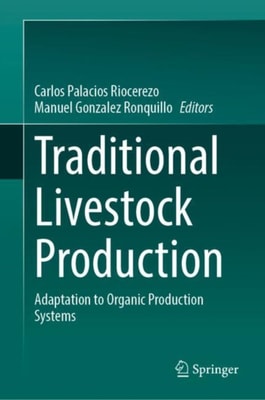
This book provides a comprehensive overview of various aspects of sustainable agriculture, such as organic production systems focused on dairy farming of both cattle and sheep, indigenous poultry production, the use of insects in animal feed as a sustainable alternative, the production of lambs in organic grazing systems and the carbon footprint of organic livestock.
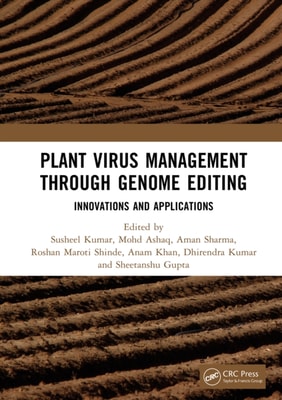
Plant Virus Management Through Genome Editing: Innovations and Applications offers a comprehensive overview of how genome editing technologies are transforming the field of plant virus management.
This book integrates the agricultural producer service sector into a three-sector general equilibrium framework to examine the modernization of small-scale agriculture in developing economies.
A first of its kind, this authored book marshals data and logic that necessitate the agriculture sector to transcend beyond its conventional role of securing food, fodder, and feed.
This book integrates various scientific approaches, including bioremediation and nanomaterials, to address environmental challenges posed by living organisms.