Drosophila suzukii (Matsumura) (Diptera: Drosophilidae), the spotted wing drosophila (SWD), is the most important pest affecting berry crop production worldwide.
The landscape is widely identified as a relevant target both by integrative policies and across the disciplines dealing with resource management and territorial planning.
This book is a comprehensive volume dealing with climate change impacts on agriculture, and which can help guide the redesign of agricultural management and cropping systems.
This book brings together analysis on the conditions of agricultural sectors in countries and regions of the world's peripheries, from a wide variety of international contributors.
This book includes contributions from scientists and representatives from government and non-governmental organisations working in the field of land management and use and on management of fires.
This book provides a comparative analysis of policy instruments designed to respond to climate change, drought and floods in connection with agricultural producers and their communities in four case study areas: Alberta and Saskatchewan, Canada; Coquimbo, Chile; and Mendoza, Argentina.
This textbook explores the complex nature of soil biological communities and their environments, and covers deserts, rainforests, seasonal tropical forests, dry deciduous forests, and island environments in the tropical zone.
This volume reviews our current knowledge and novel research areas on Pochonia chlamydosporia, a cosmopolitan fungus occurring in soils as a saprophyte yet capable of colonizing the rhizosphere of crops as an endophyte and behaving as a parasite of eggs of plant-parasitic nematodes.
Despite food being safer, more affordable and more available than at any time in human history, consumers are increasingly skeptical and critical of today's food system.
This book presents a socio-economic and livelihood analysis of agriculturally-dependent communities of Mizoram, the eastern extension of the Himalaya, using the sustainable livelihood approach.
This unique book addresses Iran's extremely rich soil diversity and resources, which have developed under various climatic conditions ranging from dry to humid conditions.
This book provides information on genome complexity and evolution, transcriptome analysis, miRNome, simple sequence repeats, genome relationships, molecular cytogenetics, polyploidy induction and application, flower and embryo development.
This book is the first comprehensive compilation of the most up-to-date research in the genomics, transcriptomics, and breeding of pine species across Europe, North America, and Australia.
This work is the first compilation of comprehensive deliberations on botany, cytogenetics and sex determination, genetic resources and diversity, classical breeding, molecular markers and genome sequence resources, and application of omics technology including transcriptomics, proteomics, and metabolomics resources in the multipurpose medicinal plant seabuckthorn.
Plant breeders and geneticists are under constant pressure to sustain and expand food production by using innovative breeding strategies and introducing minor crops, which are well adapted to marginal lands, provide a source of nutrition, and have abiotic and biotic stress tolerance, to feed an ever-increasing human population.
This book compiles all available and relevant information concerning the soils of Turkey, including the soil survey studies conducted by universities and governmental institutes from the early 1950s until today.
This book aims to describe, though in a quite light way, the social role of plant diseases, letting the reader know the topical importance of plant pathology, as well as the role of plant pathologists in our society.
This Palgrave Pivot investigates barriers to international agricultural trade caused by a lack of standardized maximum residue levels (MRL) for pesticides.
This book presents advanced knowledge and techniques to improve food quality, such as organic farming, fertilization using waste, reducing arsenic in food, soil restoration, forage production in arid regions and weed control.
This book examines the characteristics and opportunities for farm energy in the northeast quadrant of the United States, with attention to energy use, strategic energy management, and energy production by solar, wind, biomass, and other means.
This book aims to bring forth and address the major issues confronting the irrigation sector of India and also to suggest policy pointers to sustain it.
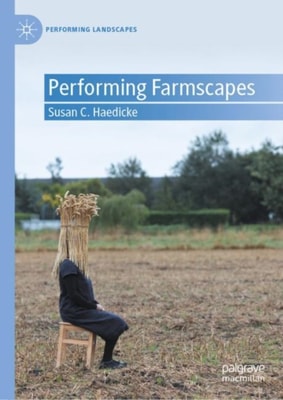
This book argues that the performance-based work in the featured case studies contributes to the construction of food democracy where the public takes back decision-making in shaping the food system.
This book brings together segmental knowledge and creates new insights on the sustainability of agricultural systems, critically analyzing not only individual system components, but also focusing on interactions between them and external environments.
This book addresses issues arising from discharge of effluents from sugar industry on to surrounding land or into a water body such as physicochemical properties of soil, changes in the micro flora, quantification of soil enzyme activities as influenced by effluents.
This book is at the cutting edge of the ongoing research in bioeconomy and encompasses both technological and economic strategies to master the transformation towards a knowledge- and bio-based production system.
This is the first book devoted to international deer husbandry techniques for the growing industries of venison, velvet antler, and antler trophy production as well as long established extensive park systems for amenity.
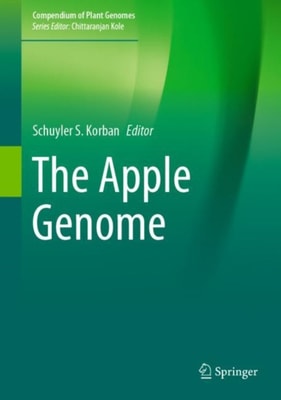
This book covers information on the economics; botany, taxonomy, and origin; germplasm resources; cytogenetics and nuclear DNA; genetic improvement efforts of scion cultivars; genetic and genomic improvement efforts of rootstocks; genetic and physical mapping; genomic resources; genome and epigenome; regulatory sequences; utility of whole-genome sequencing and gene editing in trait dissection; flowering and juvenility; cold hardiness and dormancy; fruit color development; fruit acidity and sugar content; metabolomics; biology and genomics of the microbiome; apple domestication; as well as other 'omics' opportunities and challenges for genetic improvement of the apple.
This book is the first comprehensive compilation of deliberations on domestication, genetic and genomic resources, breeding, genetic diversity, molecular maps & mapping of important biotic stress as well as nutritional quality traits, genome sequencing, comparative genomics, functional genomics and genetic transformation.
This volume describes the contributions made by women scientists to the field of agricultural biotechnology, the most quickly adopted agricultural practice ever adopted.