Since its inception in 1938, the program has evolved from an ancillary program with low participation to a central pillar of federal support for agriculture.
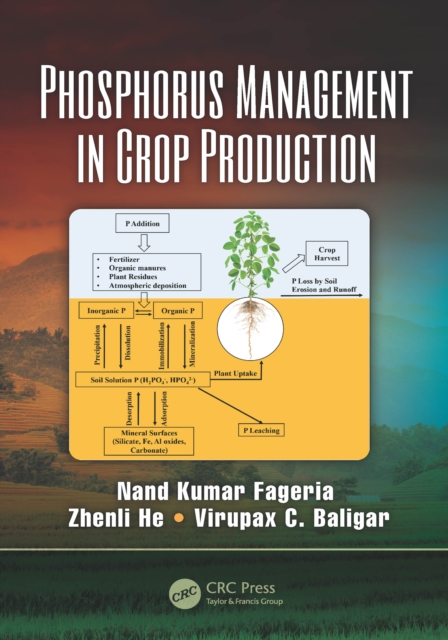
The presented book describes the results of the research of the project titled 'Phosphorus Renewable Raw Materials - A Resource Base for the New Generation of Fertilizers' attributed to the National Center for Research and Development of Poland.
Millets: Properties, Production and Applications opens with an investigation on the effects of natural fermentation and drying methods on physicochemical properties of proso millet flour.
Large-scale chemical fertilizer application causes irreparable damage to soil structure, mineral cycles, soil microbial flora, plants, and other food chains across ecosystems, culminating in heritable mutations in future generations of consumers.
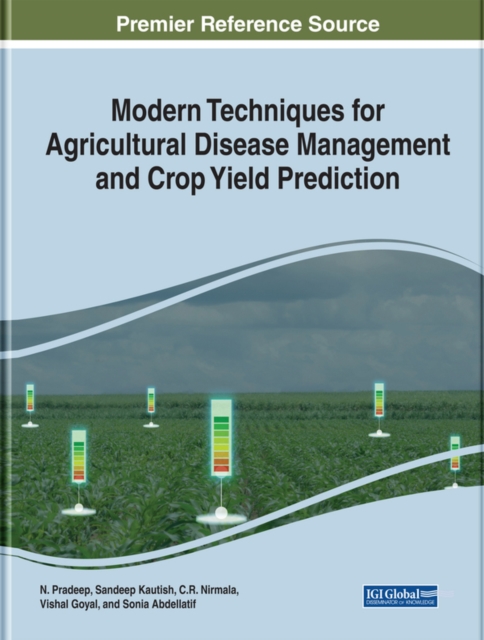
Since agriculture is one of the key parameters in assessing the gross domestic product (GDP) of any country, it has become crucial to transition from traditional agricultural practices to smart agriculture.
There is more sugar in the world's diet than ever before, but life is far from sweet for the exploited producers making nature's 'white gold' and the unhealthy consumers eating it.
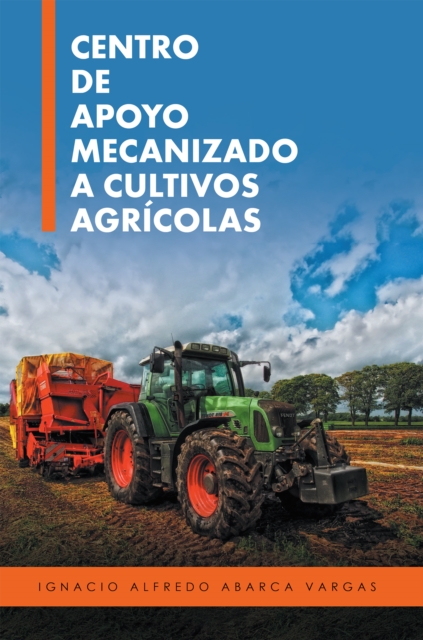
Este libro provee a los futuros Ingenieros Agrnomos una serie de conceptos y herramientas para conocer y aprovechar el potencial de las mquinas agrcolas, sobretodo buscando la eficiencia y la eficacia en su uso.
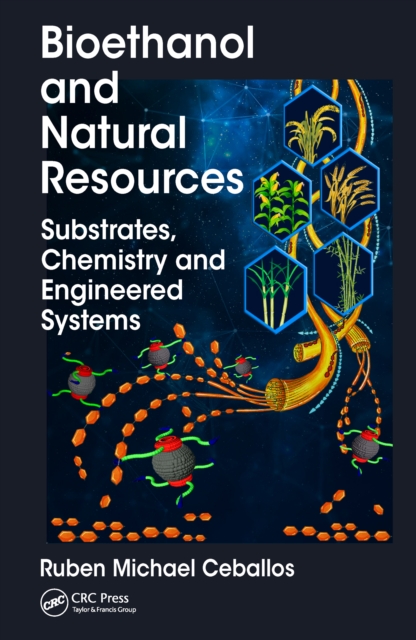
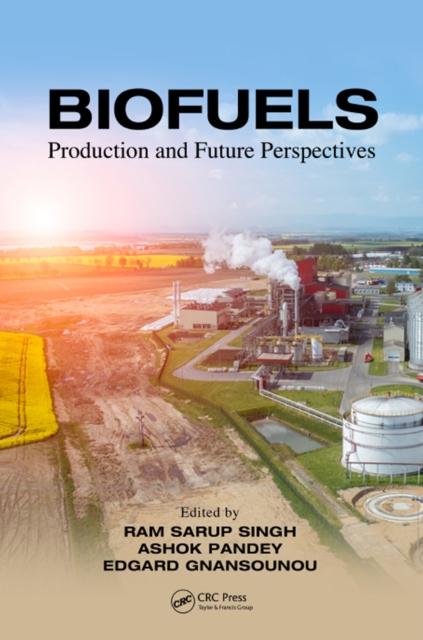
Bioethanol and Natural Resources: Substrates, Chemistry and Engineered Systems provides a comprehensive review of feedstocks, physiochemical and biological pretreatments, molecular substrates, cellulolytic and ligninolytic enzymes, and advanced technologies for producing bioethanol.
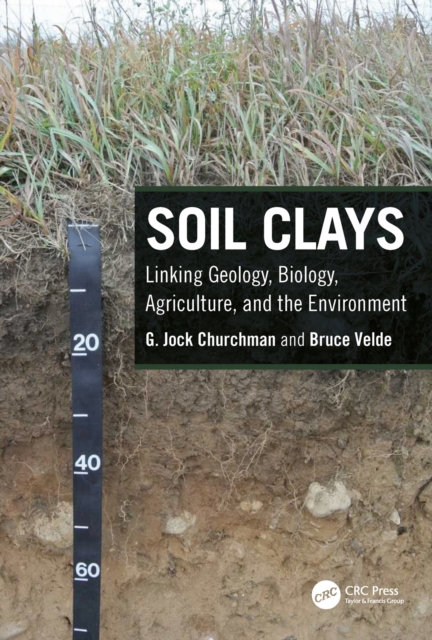
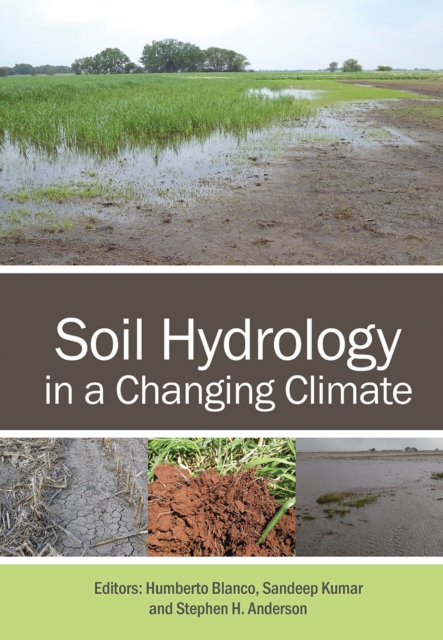
As the human population grows from seven billion toward an inevitable nine or 10 billion, the demands on the limited supply of soils will grow and intensify.
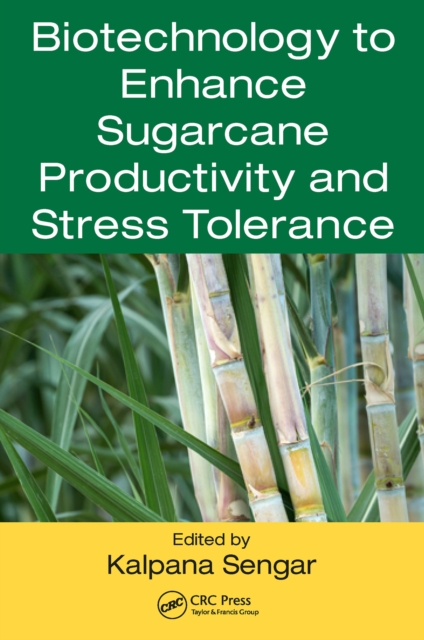
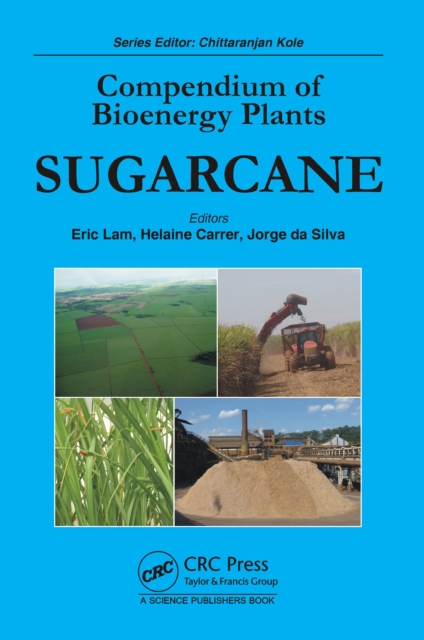
Sugarcane is the most important plant source for sugar and alcohol production and is cultivated in more than 80 countries in tropical and subtropical areas.
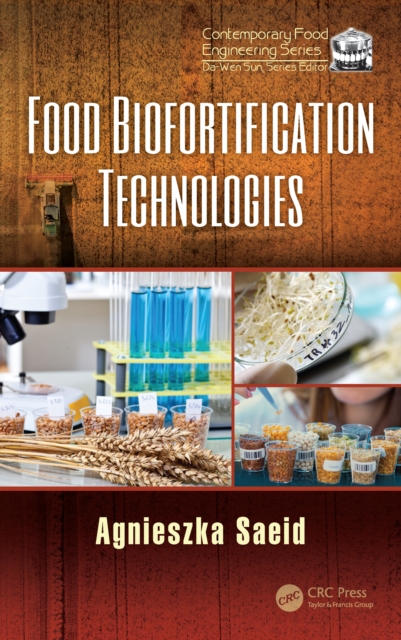
Biofortification, which can be defined as the process of increasing the content/density of essential nutrients and/or its bioavailability of food with valuable compounds, is a promising means of increasing nutrient intakes.
In the present era, rapid industrialization and urbanization has resulted in unwanted physiological, chemical, and biological changes in the environment that have harmful effects on crop quality and productivity.
This volume of the Bioenergy Plants compendium contains a collection of chapters that focus on the history, economics, and practical sciences related to sugarcane.
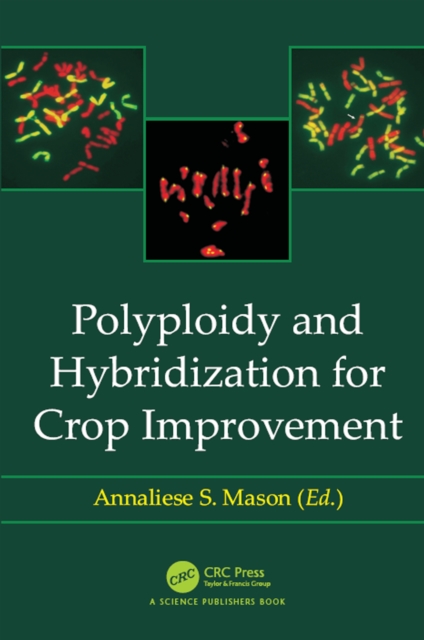
Many of our current agricultural crops are natural or agricultural hybrids (between two or more species), or polyploids (containing more than one genome or set of chromosomes).
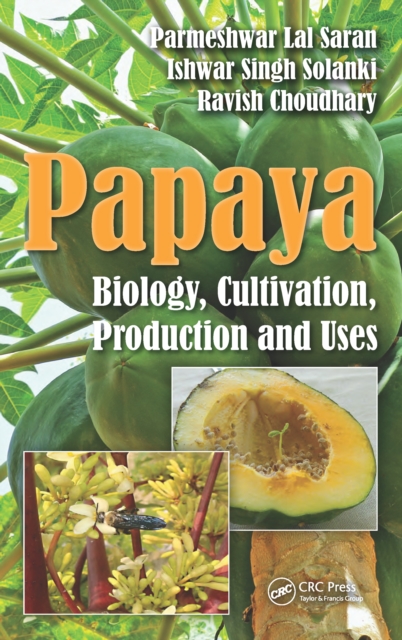
With coverage that ranges from basic information to advanced research, Papaya: Biology, Cultivation, Production and Uses pulls together the vast literature scattered over various sources into one practical resource.
This will be a comprehensive multi-contributed reference work, with the Editors being highly regarded alternative fuels experts from India and Switzerland.
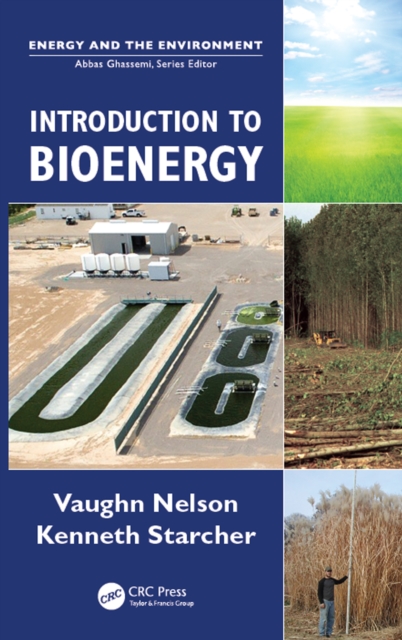
Explore a Major Component of Renewable Energy Introduction to Bioenergy takes a look at energy from biomass (thermal energy, power, liquid fuels, and biogas) and envisions a sustainable future fueled by renewable energy.
Seed inoculation is the practice of effectively introducing a high number of nitrogen-fixing bacteria (Rhizobium or Bradyrhizobium) on the surface of legume seeds prior to planting.
Offering up-to-date information on the uses and composition of the plant, Advances in Hemp Research provides growers, researchers, manufacturers, and suppliers with methods and data for the processing and cultivation of hemp for textile and paper products.
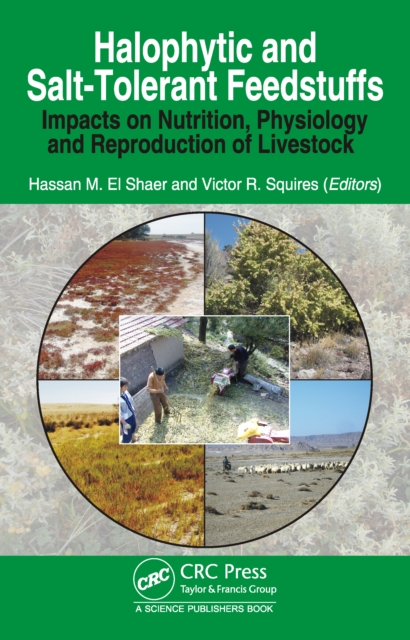
Naturally occurring salt tolerant and halophytic plants (trees, shrubs, grasses, and forbs) have always been utilized by livestock as a supplement or drought reserve.
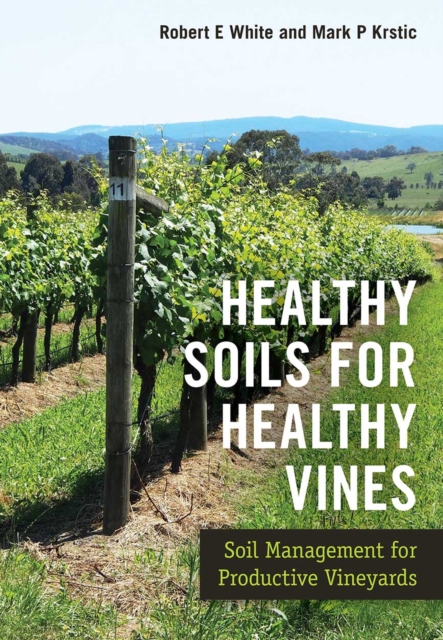
Healthy Soils for Healthy Vines provides a clear understanding of vineyard soils and how to manage and improve soil health for best vineyard performance.
Meeting future food needs without compromising environmental integrity is a central challenge for agriculture globally but especially for the Asia Pacific region - where 60% of the global population, including some of the world's poorest, live on only 30% of the land mass.
Biological Control: Global Impacts, Challenges and Future Directions of Pest Management provides a historical summary of organisms and main strategies used in biological control, as well as the key challenges confronting biological control in the 21st century.