Applied Mathematics and Omics to Assess Crop Genetic Resources for Climate Change Adaptive Traits focuses on practical means and approaches to further the use of genetic resources for mitigating the effects of climate change and improving crop production.
Australian Native Plants: Cultivation and Uses in the Health and Food Industries provides a comprehensive overview of native food crops commercially grown in Australia that possess nutritional and health properties largely unknown on a global basis.
Explore a Major Component of Renewable Energy Introduction to Bioenergy takes a look at energy from biomass (thermal energy, power, liquid fuels, and biogas) and envisions a sustainable future fueled by renewable energy.
This will be a comprehensive multi-contributed reference work, with the Editors being highly regarded alternative fuels experts from India and Switzerland.
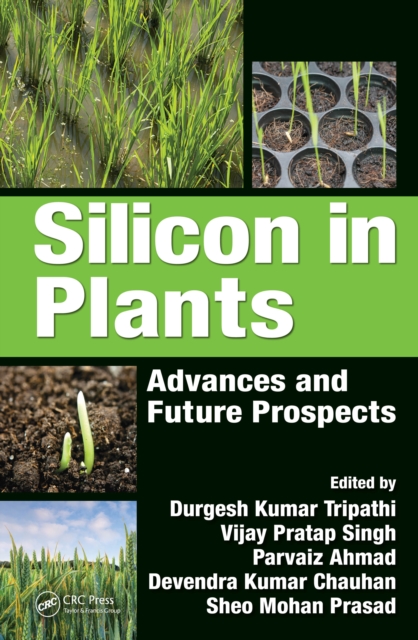
In the present era, rapid industrialization and urbanization has resulted in unwanted physiological, chemical, and biological changes in the environment that have harmful effects on crop quality and productivity.
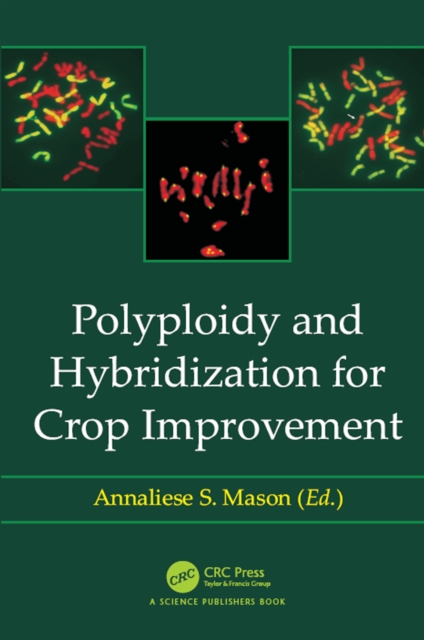
Many of our current agricultural crops are natural or agricultural hybrids (between two or more species), or polyploids (containing more than one genome or set of chromosomes).
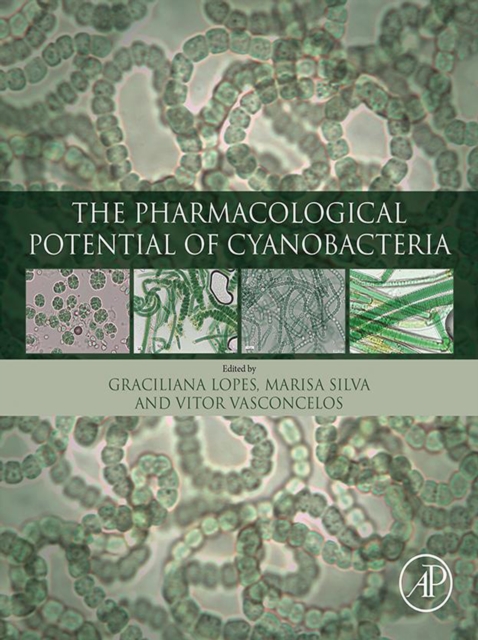
The Pharmacological Potential of Cyanobacteria explores the bioactive compounds isolated from cyanobacteria and their relationship to human health and biotechnological applications.
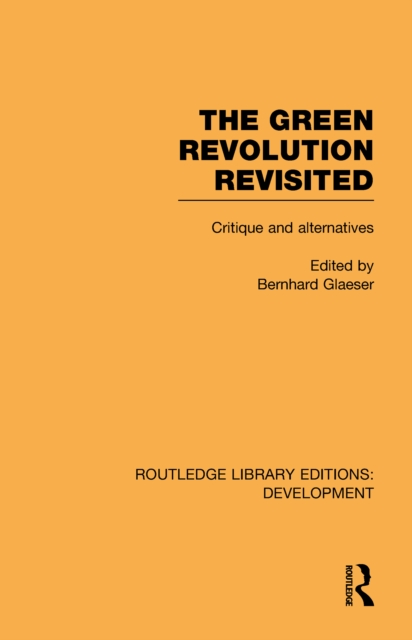
The Green Revolution - the apparently miraculous increase in cereal crop yields achieved in the 1960s - came under severe criticism in the 1970s because of its demands for optimal irrigation, intensive use of fertilisers and pesticides; its damaging impact on social structures; and its monoculture approach.
The Green Revolution - the apparently miraculous increase in cereal crop yields achieved in the 1960s - came under severe criticism in the 1970s because of its demands for optimal irrigation, intensive use of fertilisers and pesticides; its damaging impact on social structures; and its monoculture approach.
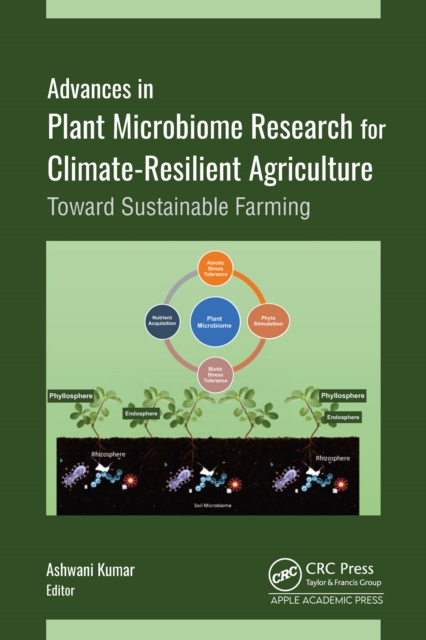
This new book, Advances in Plant Microbiome Research for Climate-Resilient Agriculture: Toward Sustainable Farming, covers important aspects of plant microbiome research through contributions from scientists with the latest information available in this area of research.
Balancing Water for Humans and Nature, authored by two of the world's leading experts on water management, examines water flows - the 'blood stream' of both nature and society - in terms of the crucial links, balances, conflicts and trade-offs between human and environmental needs.
Balancing Water for Humans and Nature, authored by two of the world's leading experts on water management, examines water flows - the 'blood stream' of both nature and society - in terms of the crucial links, balances, conflicts and trade-offs between human and environmental needs.
Managing water resources is one of the most pressing challenges of our times - fundamental to how we feed 2 billion more people in coming decades, eliminate poverty, and reverse ecosystem degradation.
Managing water resources is one of the most pressing challenges of our times - fundamental to how we feed 2 billion more people in coming decades, eliminate poverty, and reverse ecosystem degradation.
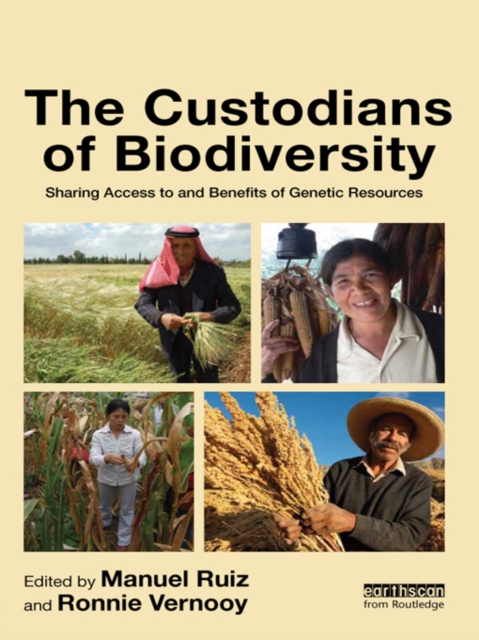
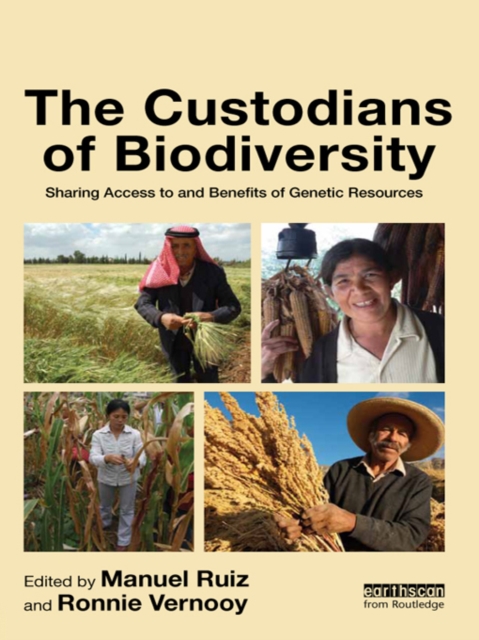
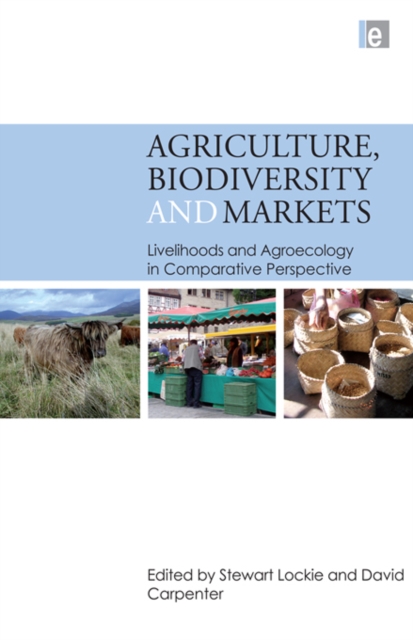
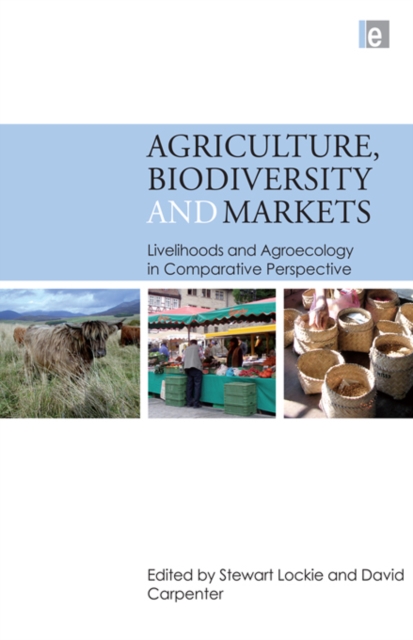
Debate about how best to ensure the preservation of agricultural biodiversity is caught in a counter-productive polemic between proponents and critics of market-based instruments and agricultural modernisation.
Debate about how best to ensure the preservation of agricultural biodiversity is caught in a counter-productive polemic between proponents and critics of market-based instruments and agricultural modernisation.
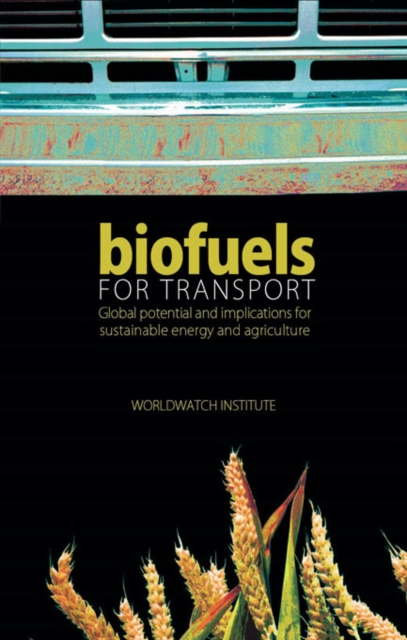
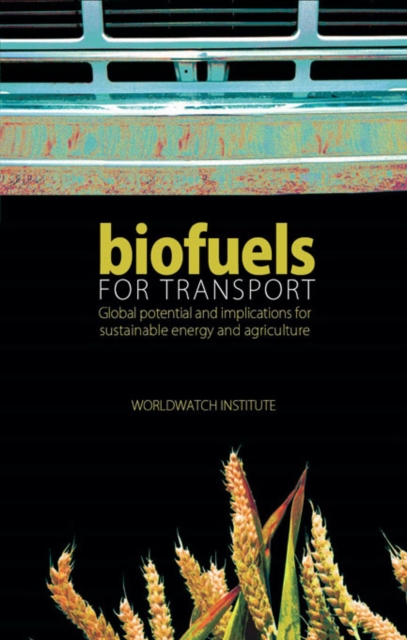
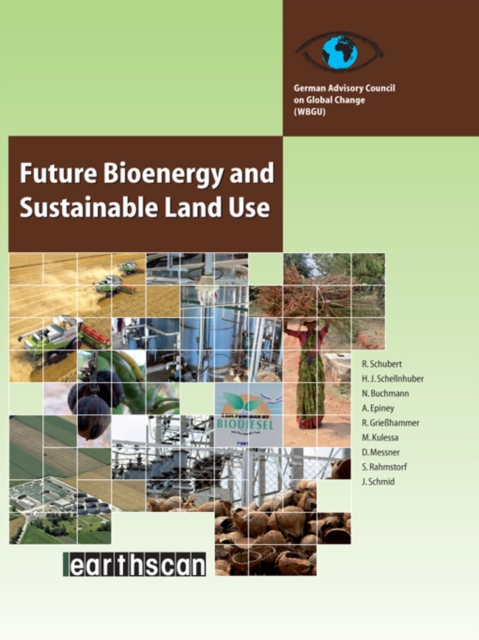
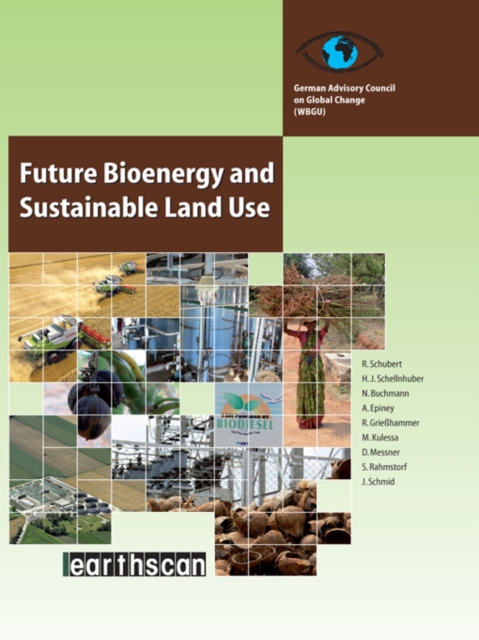
Because of the major opportunities and risks associated with it, and the complexity of the subject, bioenergy policy has in a short time become a challenging political task for regulators and planners - a task that can only be accomplished through worldwide cooperation and the creation of an international framework.
Because of the major opportunities and risks associated with it, and the complexity of the subject, bioenergy policy has in a short time become a challenging political task for regulators and planners - a task that can only be accomplished through worldwide cooperation and the creation of an international framework.
In recent decades agricultural commodity surpluses in the developed world have contributed to a mantra of 'land surplus' in which set-aside, extensification, alternative land uses and 'wilding' have been key terms in debates over land.
In recent decades agricultural commodity surpluses in the developed world have contributed to a mantra of 'land surplus' in which set-aside, extensification, alternative land uses and 'wilding' have been key terms in debates over land.