Endophytes of the Tropics: Diversity, Ubiquity and Applications(R) is a presentation of consolidated information on endophytes from the tropical region.
Endophytes of the Tropics: Diversity, Ubiquity and Applications(R) is a presentation of consolidated information on endophytes from the tropical region.
This book reviews the Green Revolution, starting with its inception and development from the 1940s to the 1970s, and leading to what is commonly referred to as a second Green Revolution in the 2000s.
This book reviews the Green Revolution, starting with its inception and development from the 1940s to the 1970s, and leading to what is commonly referred to as a second Green Revolution in the 2000s.
This book looks at agricultural systems and rural economies in Asia through the prism of alternative innovation systems, alternative public policy and institutional changes.
This book looks at agricultural systems and rural economies in Asia through the prism of alternative innovation systems, alternative public policy and institutional changes.
The author offers an overview of pollen biology and biotechnology for students and researchers in areas such as reproductive biology, biotechnology, aeropalynology, plant breeding, horticulture, and forestry.
This book looks at significant current grassland problems and issues, and provides an insight into grassland productivity in diverse areas of the world, with their various production systems.
With the underpinning role of forage legumes in the nitrogen economy and animal productivity from temperate grasslands certain to expand in the future, particularly in regions where their potential has not yet been realized, it is essential that the wealth of information currently available is widely disseminated.
An excellent reference book for plant breeders and entomologists, Global Plant Genetic Resources for Insect-Resistant Crops combines germplasm preservation with use in insect-resistant crop development and basic research.
As the human population grows from seven billion toward an inevitable nine or 10 billion, the demands on the limited supply of soils will grow and intensify.
This book presents the history of, and current approaches to, farmer-breeder collaboration in plant breeding, situating this work in the context of sustainable food systems, as well as national and international policy and law regimes.
This book presents the history of, and current approaches to, farmer-breeder collaboration in plant breeding, situating this work in the context of sustainable food systems, as well as national and international policy and law regimes.
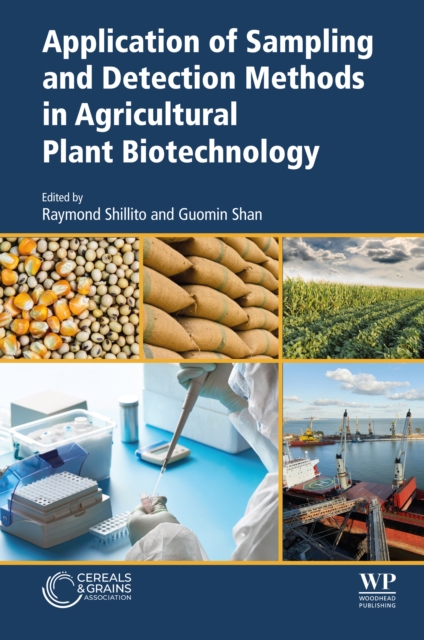
Application of Sampling and Detection Methods in Agricultural Plant Biotechnology describes detection methods for seed, plants and grain derived from biotechnology.
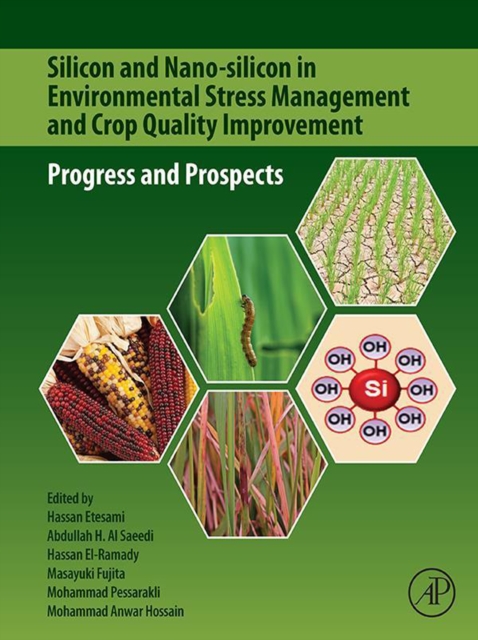
Silicon and Nano-silicon in Environmental Stress Management and Crop Quality Improvement: Progress and Prospects provides a comprehensive overview of the latest understanding of the physiological, biochemical and molecular basis of silicon- and nano-silicon-mediated environmental stress tolerance and crop quality improvements in plants.
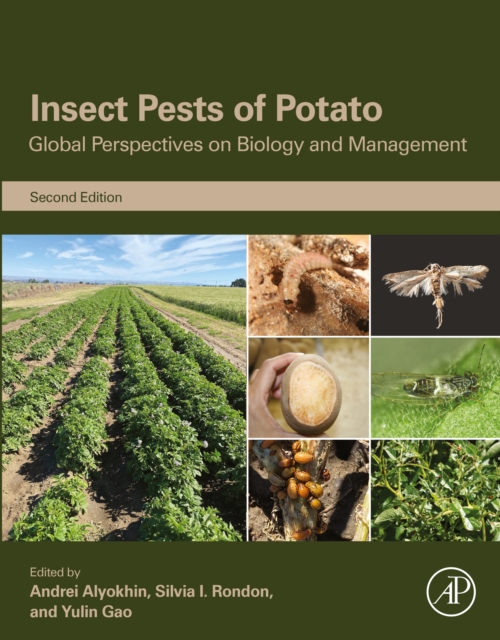
This fully revised and updated second edition of Insect Pests of Potato now includes an opening section with a basic overview of agronomic and economic issues as they relate to potato production.
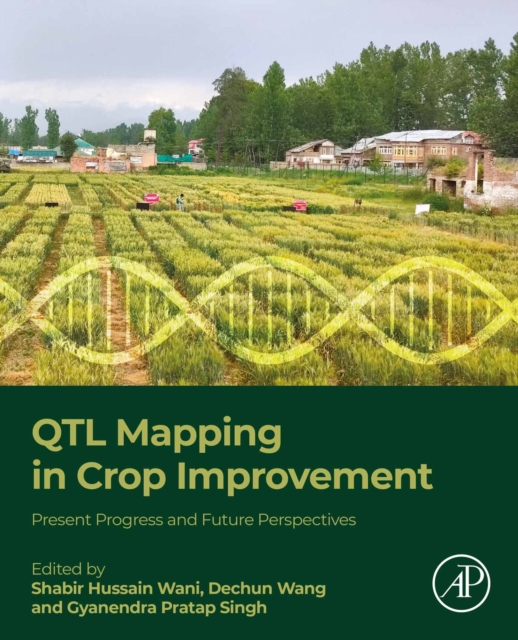
QTL Mapping in Crop Improvement: Present Progress and Future Perspectives presents advancements in QTL breeding for biotic and abiotic stresses and nutritional improvement in a range of crop plants.
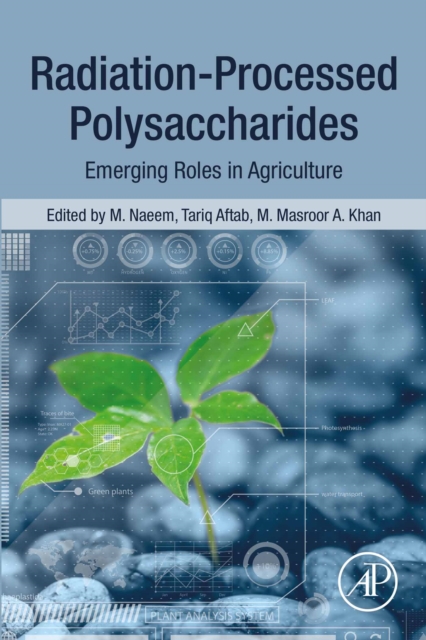
Radiation-Processed Polysaccharides: Emerging Roles in Agriculture is the first book to focus exclusively on this emerging and important option for reducing the overuse and negative impact of agrochemicals in agriculture.
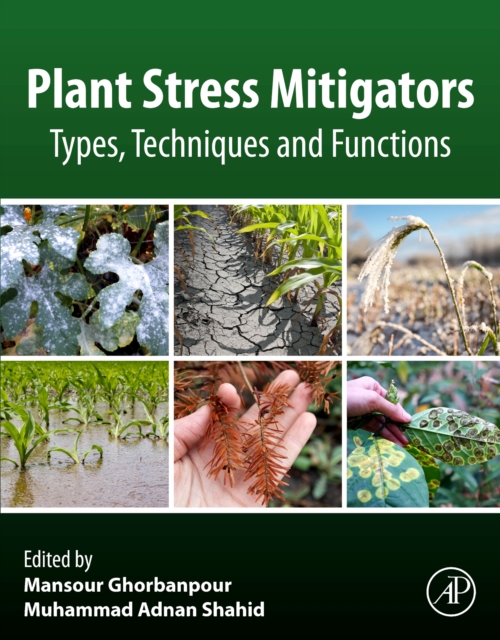
Plant Stress Mitigators: Types, Techniques and Functions presents a detailed contextual discussion of various stressors on plant health and yield, with accompanying insights into options for limiting impacts using chemical elicitors, bio-stimulants, breeding techniques and agronomical techniques such as seed priming, cold plasma treatment, and nanotechnology, amongst others.
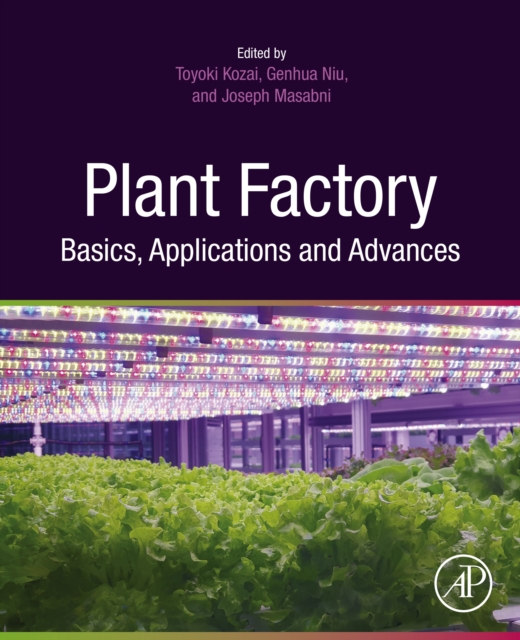
Plant Factory Basics, Applications, and Advances takes the reader from an overview of the need for and potential of plant factories with artificial lighting (PFALs) in enhancing food production and security to the latest advances and benefits of this agriculture environment.
Microbial Management of Plant Stresses: Current Trends, Application and Challenges explores plant microbiota including isolated microbial communities that have been used to study the functional capacities, ecological structure and dynamics of the plant-microbe interaction with focus on agricultural crops.
Analysis of Chemical Residues in Agriculture presents a focused, yet comprehensive guide on how to identify, evaluate and analyze the wide range of chemicals that impact our food production system.
Physical Surfaces deals with the basic concepts of the physics of surfaces, including the nature of the surface pressure of unimolecular films and the equilibrium pressure of these films.
Herbivorous Insects: Host-Seeking Behavior and Mechanisms addresses mechanisms of searching behavior leading ultimately to host location of herbivorous insects.
Tropical Diseases of Legumes consists of papers presented at a workshop held at Rio Piedras Agricultural Station, University of Puerto Rico, in June 1974.
Soybean Physiology, Agronomy, and Utilization attempts to cover and treat in logical sequence the factors that contribute to the potential and versatility of soybeans.
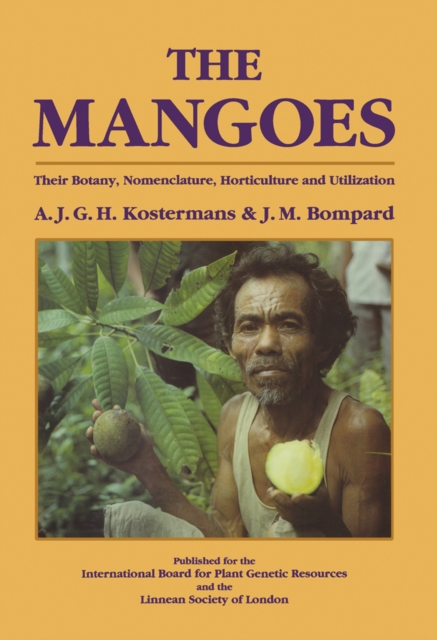
The Mangoes: Their Botany, Nomenclature, Horticulture and Utilization provides a comprehensive discussion of existing mango species and their value in the common mango (Mangifera indica) industry.
Mutagenic Effects of Environmental Contaminants investigates the mutagenic consequences of environmental contaminants, such as pesticides, industrials, food additives, drugs, and biologicals, as well as the possible relationships between mutagenesis and carcinogenesis.
Quantitative Genetic Variation describes some of the experimental approaches to quantitative genetic variation, along with their potential applications and limitations.
Mammalian Olfaction, Reproductive Processes, and Behavior presents the conceptual, methodological, and empirical advances in the study of the complex interactions between nasal chemoreception, sexual behavior, and endocrine function in mammals.
Heredity and Society documents the proceedings of a symposium on heredity and society sponsored by the Birth Defects Institute of the New York State Department of Health held in Albany, New York, October 26-27, 1971.
Membrane Fluidity in Biology, Volume 1: Concepts of Membrane Structure covers membrane properties influenced by alterations in membrane lipid compositions and/or other organizational parameters that are encompassed by the term fluidity.
Plant Parasitic Nematodes, Volume II: Cytogenetics, Host-Parasite Interactions, and Physiology is a masterful reference work in nematology that includes information in ultrastructure, enzymology, and chemistry of body composition; culturing; virus transmission; biological races; and nature of plant resistance.
Molecular Cloning and Gene Regulation in Bacilli presents the proceedings of the 1981 Cetus Conference on Genetics held at Stanford University, Stanford, California.
The Role of Insectivorous Birds in Forest Ecosystems is a publication of the proceedings of The Role of Insectivorous Birds in Forest Ecosystems symposium, held on July 13 and 14, 1978 at Nacogdoches, Texas.
Reproduction of Marine Invertebrates Volume V, Molluscs: Pelecypods and Lesser Classes presents valuable insights on the early evolution of molluscan reproductive biology.