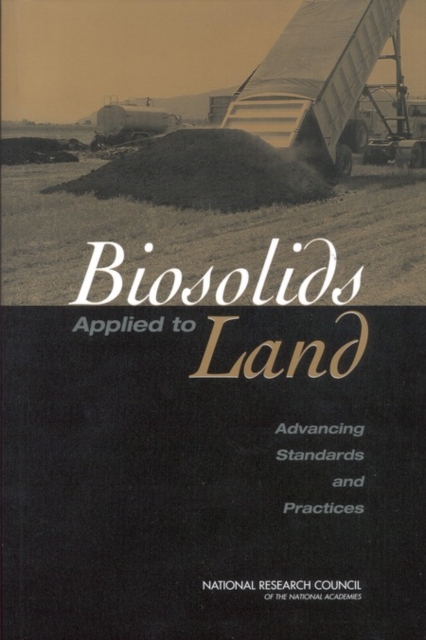
The 1993 regulation (Part 503 Rule) governing the land application of biosolids was established to protect public health and the environment from reasonably anticipated adverse effects.
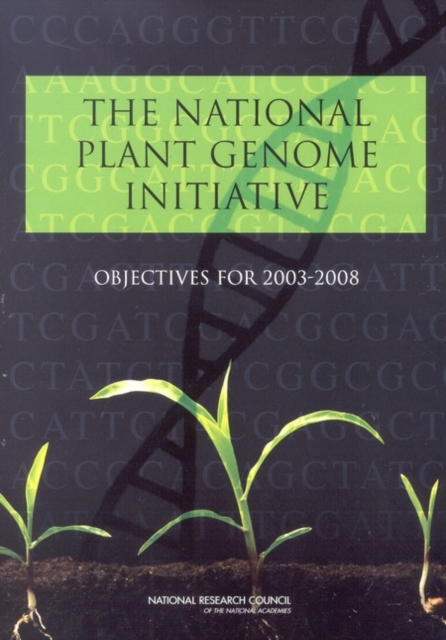
The National Plant Genome Initiative was launched in 1998 as a long-term project to explore DNA structure and function in plants so that useful properties of plants can be understood, improved, and ultimately harnessed to address national needs, including agriculture, nutrition, energy and waste reduction.
Legal regulations and manufacturers' monitoring practices have not been enough to prevent contamination of the national food supply and protect consumers from serious harm.
Based on twenty years of global research, this is the first comprehensive reference on crop genetic diversity as it is maintained on farmland around the world.
Biological diversity is as crucial in agriculture as it is in nature, and it is equally important to the economic health of both industrial and nonindustrial societies.
Originally published in 1966, the extremely urgent task confronting our generation - to produce food in sufficient quantity and of adequate quality for the world's rapidly increasing population - may have appeared terrifyingly great and very difficult to solve.
Plant Growth Regulators to Manage Biotic and Abiotic Stress in Agroecosystems is a comprehensive book that explores the use of plant growth regulators (PGRs) as effective stress-reduction techniques in agricultural environments.
Using economic models and empirical analysis, this volume examines a wide range of agricultural and biofuel policy issues and their effects on American agricultural and related agrarian insurance markets.
While there is enormous public interest in biodiversity, food sourcing, and sustainable agriculture, romantic attachments to heirloom seeds and family farms have provoked misleading fantasies of an unrecoverable agrarian past.
Breeding Oilseed Crops for Sustainable Production: Opportunities and Constraints presents key insights into accelerating the breeding of sustainable and superior varieties.
Highlighting effective, analytical functions that have been found useful for the comparison of alternative management techniques to maximize water and nutrient resources, this reference describes the application of viable mathematical models in data analysis to increase crop growth and yields.
Recognition of the importance of soil organic matter (SOM) in soil health and quality is a major part of fostering a holistic, preventive approach to agricultural management.
Summarizing landmark research, Volume 2 of this essential series furnishes information on the availability of germplasm resources that breeders can exploit for producing high-yielding cereal crop varieties.
The challenge of water scarcity as a result of insufficient seasonal rainfall and dry spell occurrences during cropping seasons is compounded by inefficient agricultural practices by smallholder farmers where insignificant soil and water conservation efforts are applied.
This book provides a comprehensive interdisciplinary overview of human-plant interactions and their social consequences from the hunter-gatherers of the Palaeolithic Era to the 21st century molecular manipulation of crops.
Lin Foxhall explores the cultivation of the olive as an extended case study for understanding ancient Greek agriculture in its landscape, economic, social, and political settings.
Biopesticide: Volume Two, the latest release in the Advances in Bioinoculant series, provides an updated overview on the active substances utilized in current bioinsecticides, along with information on which of them can be used for integrated pest management programs in agro-ecosystems.
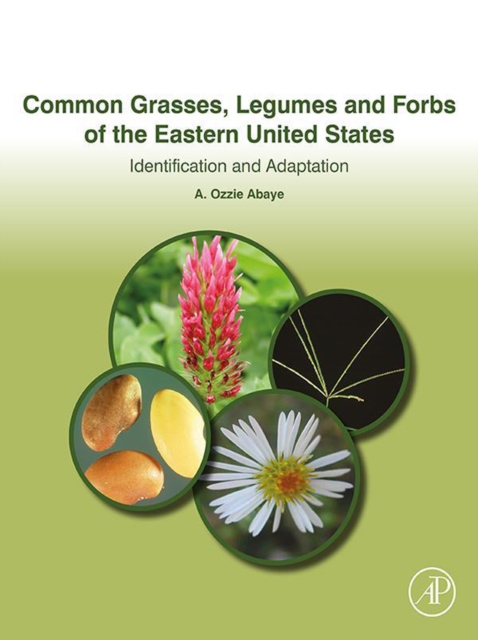
Common Grasses, Legumes and Forbs of the Eastern United States: Identification and Adaptation presents photographic identification of the most important grassland, turf, and noncrop plants, and their seeds to facilitate quick identification in the field.
Urban and Regional Agriculture: Building Resilient Food Systems explores the sustainable integration of food provision, distribution and consumption through urban farms, agricultural systems, user communities and structural facilities designed to optimize food production and consumption.
Genetically Modified Plants, Second Edition, provides an updated roadmap and science-based methodology for assessing the safety of genetic modification technologies, as well as risk assessment approaches from regulators across different agroecosystems.
Controlled Release Fertilizers for Sustainable Agriculture provides a comprehensive examination of precision fertilizer applications using the 4-R approach-the right amount of fertilizer at the right time to the right plant at the correct stage of plant growth.
Crop plants growing under field conditions are constantly exposed to various abiotic and biotic stress factors leading to decreased yield and quality of produce.
Trends in Wheat and Bread Making provides a comprehensive look at the state-of-the-art in bread making from ingredient to shelf-life, with a focus on the impact of processing on the nutritional value and consumer acceptability of this global staple.
Applications of Biosurfactant in Agriculture explores the use of beneficial microorganisms as an alternative to current synthetic plant protection strategies.
Biofertilizers, Volume One: Advances in Bio-inoculants provides state-of-the-art descriptions of various approaches, techniques and basic fundamentals of BI used in crop fertilization practices.
Plant Nematode Biopesticides presents the most current knowledge on various categories of biopesticides used in the management of nematode pests of crops or those that have significant potential as biological control agents.