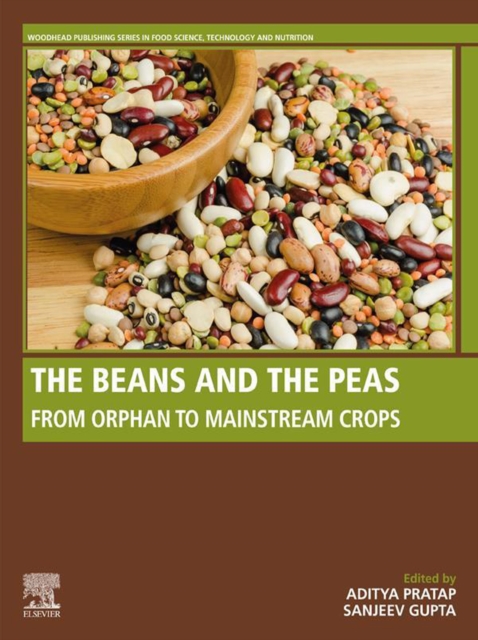
The Beans and the Peas: From Orphan to Mainstream Crops presents a comprehensive literature resource on the most important food legume crops previously known as "e;orphans,"e; but which are increasingly becoming mainstream as their production opportunities have been improved through genetic improvement and biotechnology, and their role as an important nutrient source gains urgency.
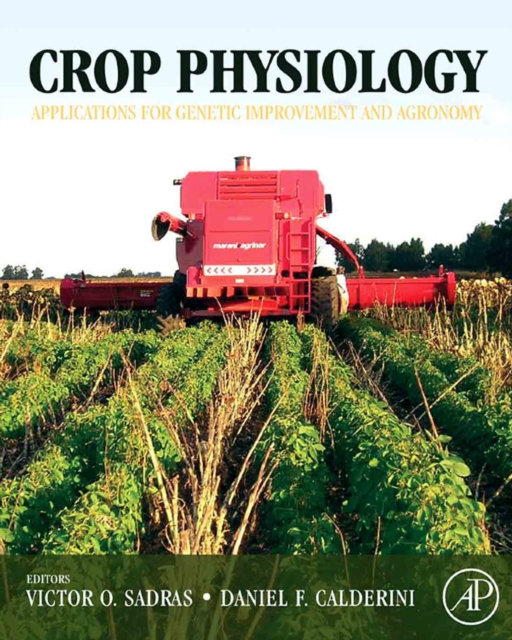
The role of the agricultural scientist is to manipulate crop and livestock response phenomena so that they serve society's needs better, enabling countries to obtain full benefit from their agricultural resources.
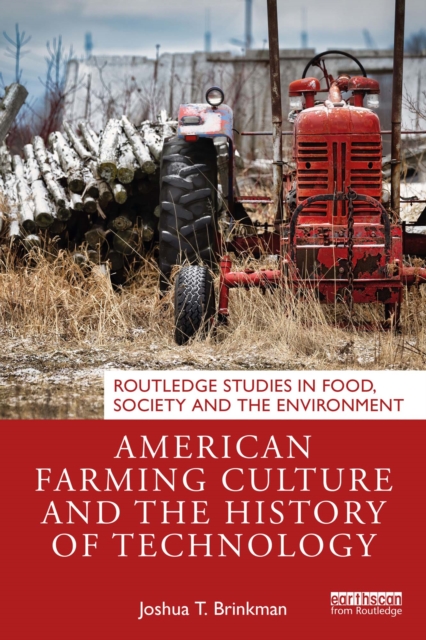
Presenting a history of agriculture in the American Corn Belt, this book argues that modernization occurred not only for economic reasons but also because of how farmers use technology as a part of their identity and culture.
Contributors to this special 100th volume were carefully selected by the editor for their perspectives on not only the current state-of-the-art of their topic but also where their fields are going and what future opportunities exist to advance scientific frontiers.
Principles of Plant Disease Management is intended to provide a substantive treatment of plant disease management for graduate and undergraduate students in which theoretical and practical elements are combined.
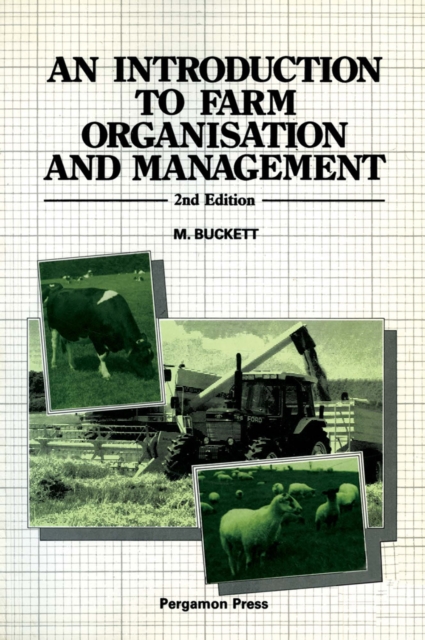
This book explains the use of an ecological way of farming, with modern practical applications, to make the fullest use of land resources and the best utilization of available capital and labour.
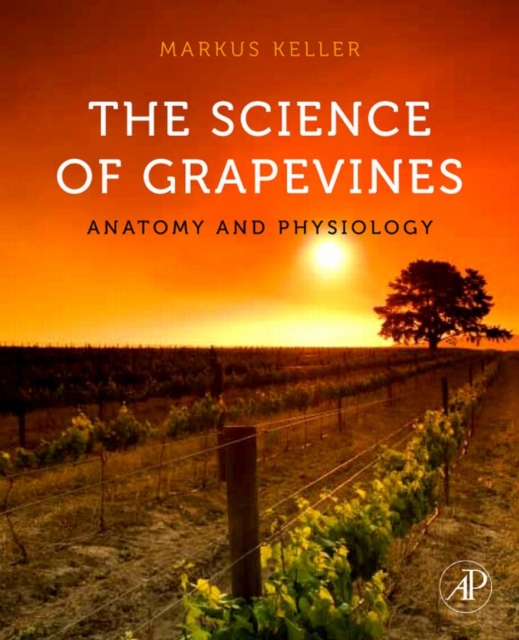
Written by a recognized expert and based on his experience in teaching the subject to students with a variety of educational backgrounds, The Science of Grapevines: Anatomy and Physiology is the only book to comprehensively explore the physiology of the grapevine as it occurs around the world.
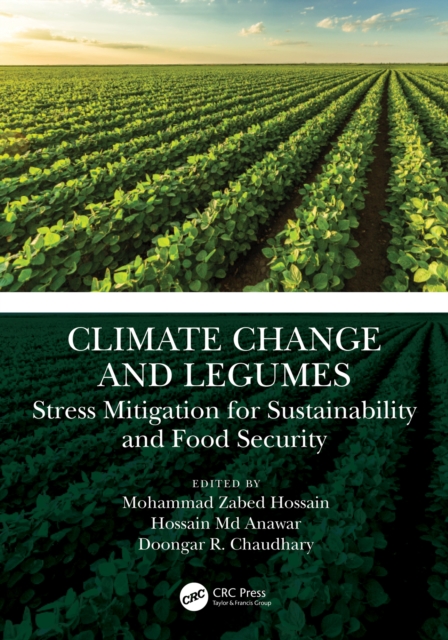
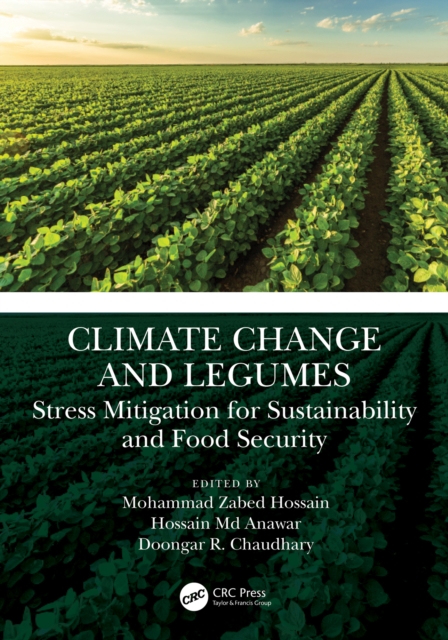
Global climate change has created unprecedented challenges for human civilization due to its widespread adverse consequences, including a reduction in crop yield and threatening food security across the globe.
Written by international authorities in agronomy, Volume 61 contains five comprehensive reviews covering key contemporary topics on crop and soil sciences.
Written by international authorities in agronomy, Volume 60 contains five comprehensive reviews covering key contemporary topics on plant and soil sciences.
Continuing the international tradition, Volume 49 of Advances in Agronomy highlights current areas of interest to both researchers and students of agronomy.
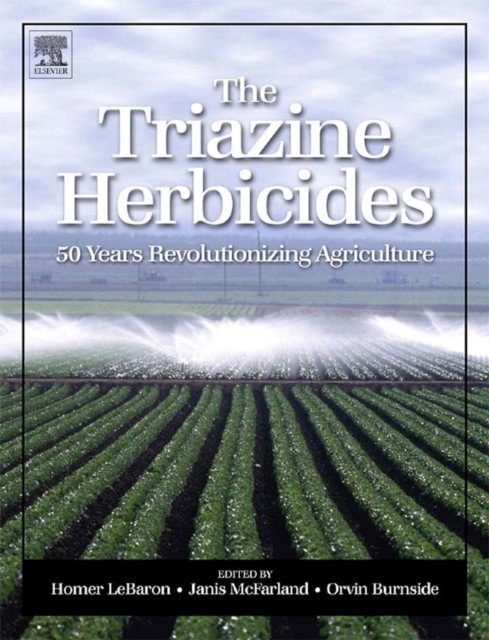
Over the past 50 years, triazines have made a great impact on agriculture and world hunger by assisting in the development of new farming methods, providing greater farming and land use capabilities, and increasing crop yields.
Global climate change has created unprecedented challenges for human civilization due to its widespread adverse consequences, including a reduction in crop yield and threatening food security across the globe.
Plant Biotechnology And Plant Genetic Resources, which boasts a truly international list of contributors with a variety of expertise, thoroughly explores all the major contemporary concerns.
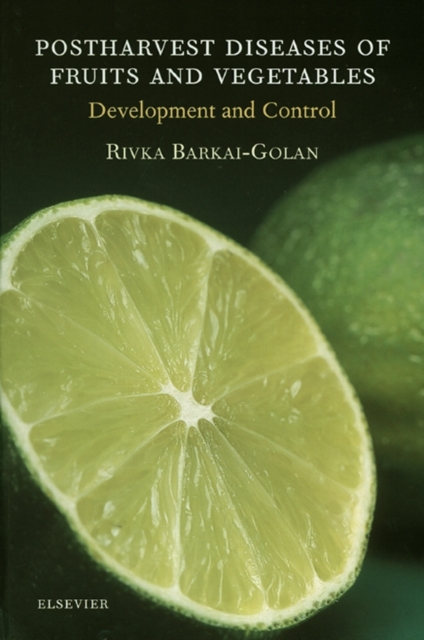
Focusing on the great variety of research being done in the field of postharvest pathology, this volume presents a collection of topics concerning the diseases of harvested fruits and vegetables.
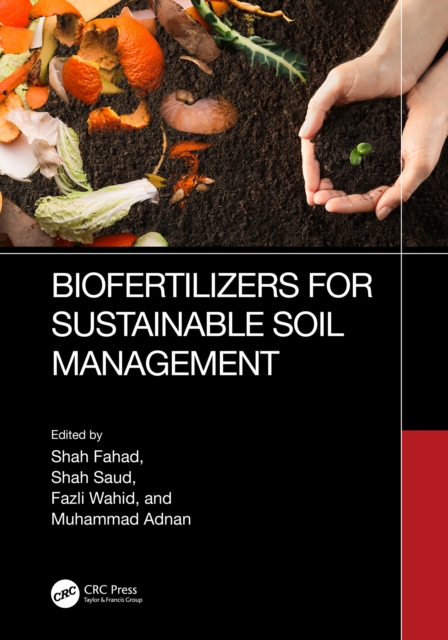
The alkaline calcareous nature, high pH, salinity, heavy metals pollution, and low organic matter content of soils in many parts of the world have diminished the soil fertility and made essential nutrients unavailable to crops.
Las XI Jornadas se inscriben en un escenario económico complejo, en el que se agudizan las tradicionales dificultades de un sistema productivo periférico en un contexto comercial internacional restrictivo y en el que surgen nuevos problemas sociales emanados de la descoordinación actual en los instrumentos de política económica.