Stimulating and thought-provoking, this important new text looks at the welfare problems and philosophical and ethical issues that are caused by changes made to an animal's telos, behaviour and physiology, both positive and negative, to make them more productive or adapted for human uses.
Stimulating and thought-provoking, this important new text looks at the welfare problems and philosophical and ethical issues that are caused by changes made to an animal's telos, behaviour and physiology, both positive and negative, to make them more productive or adapted for human uses.
Building on the successful structure of the first edition, the second edition of Reproductive Technologies in Farm Animals has been totally updated and revised to provide an up to date account of the key techniques employed in manipulating reproduction in farm animals, including beef and dairy cattle, pigs, sheep, goats, buffaloes, camelids, horses and poultry.
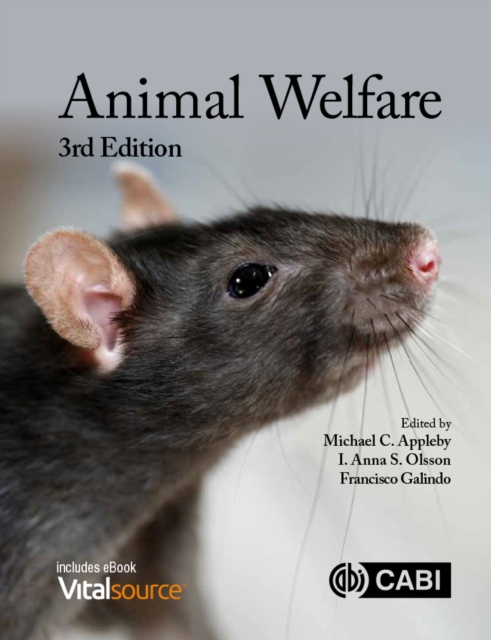
Updated and revised, this bestselling textbook continues to provide a broad introduction to the key topics in the welfare of animals both large and small, farm and companion, wild and zoo.
Updated and revised, this bestselling textbook continues to provide a broad introduction to the key topics in the welfare of animals both large and small, farm and companion, wild and zoo.
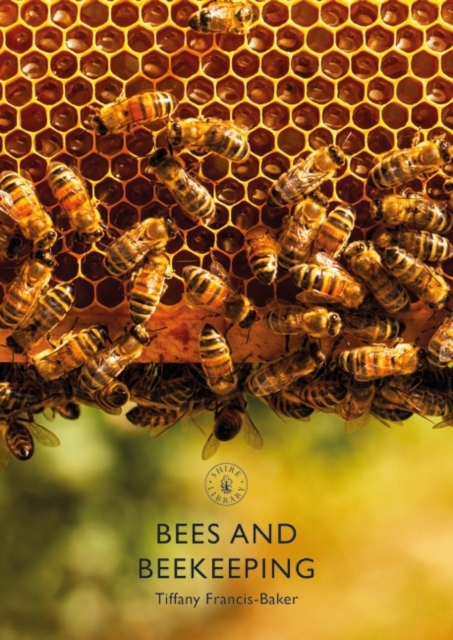
In Britain and Ireland there are about ten times more species of solitary bee than bumblebee and honeybee combined, yet the solitary bees tend to be ignored and we know much less about them.
In Britain and Ireland there are about ten times more species of solitary bee than bumblebee and honeybee combined, yet the solitary bees tend to be ignored and we know much less about them.
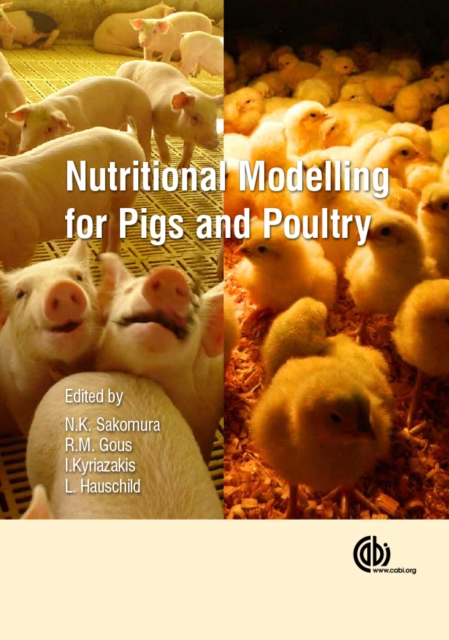
This practical research text provides an invaluable resource for all animal and veterinary scientists designing, analysing and interpreting results from nutrition and feed experiments in pigs and poultry.
This practical research text provides an invaluable resource for all animal and veterinary scientists designing, analysing and interpreting results from nutrition and feed experiments in pigs and poultry.
Building on the successful structure of the first edition, the second edition of Reproductive Technologies in Farm Animals has been totally updated and revised to provide an up to date account of the key techniques employed in manipulating reproduction in farm animals, including beef and dairy cattle, pigs, sheep, goats, buffaloes, camelids, horses and poultry.
Based on the proceedings of a recent symposium, this book aims to explore and ultimately define sustainability in the context of poultry production in Europe to create a durable industry for future generations.
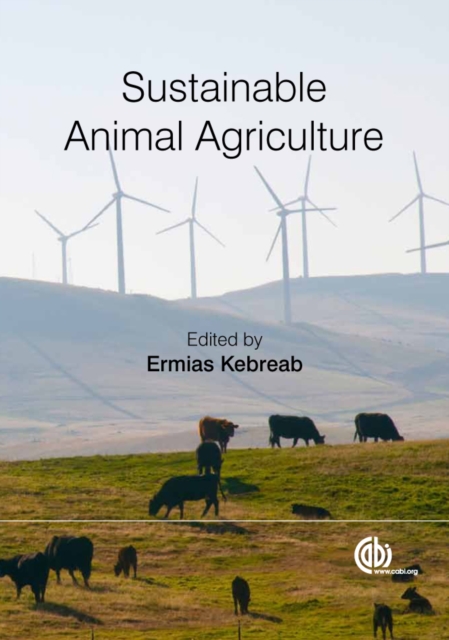
In a changing climate, livestock production is expected to exhibit dual roles of mitigation and adaptation in order to meet the challenge of food security.
Developed from the successful Norwegian book Den Store Kaninboka (The Big Book of Rabbits) this book covers all aspects of rabbit behaviour, welfare, health and husbandry, with updated and expanded content now also made relevant to veterinarians.
Intended as an introduction for veterinarians and other animal health professionals interested in and wishing to apply epidemiological methods in their day-to-day work, this book provides a practical guide for those new to the field.
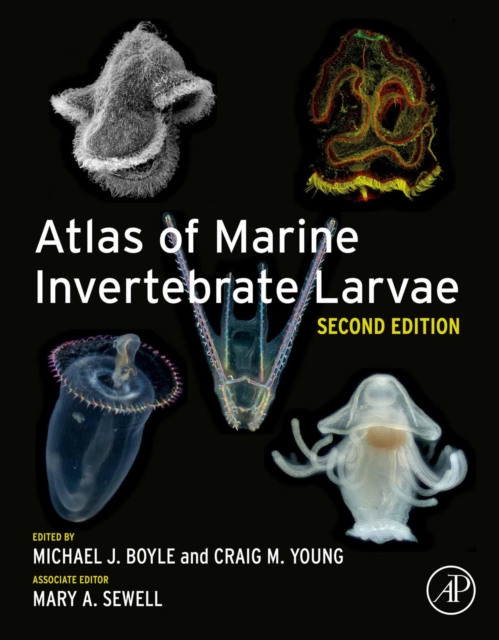
Atlas of Marine Invertebrate Larvae, Second Edition covers the origins and history of marine larval science, contemporary state-of-the-art approaches to larval development and biology, and the highest-quality images and schematics showing the broadest diversity of marine larvae in the animal tree of life.
The LEGS process grew out of the recognition that livestock are a crucial livelihood asset for people throughout the world - many of whom are poor and vulnerable to both natural and human-induced disasters - and that livestock support is an important component of emergency aid programmes.
The exploding global consumption of meat is implicated in momentous but greatly underappreciated problems, and industrial livestock production is the driving force behind soaring demand.
The exploding global consumption of meat is implicated in momentous but greatly underappreciated problems, and industrial livestock production is the driving force behind soaring demand.
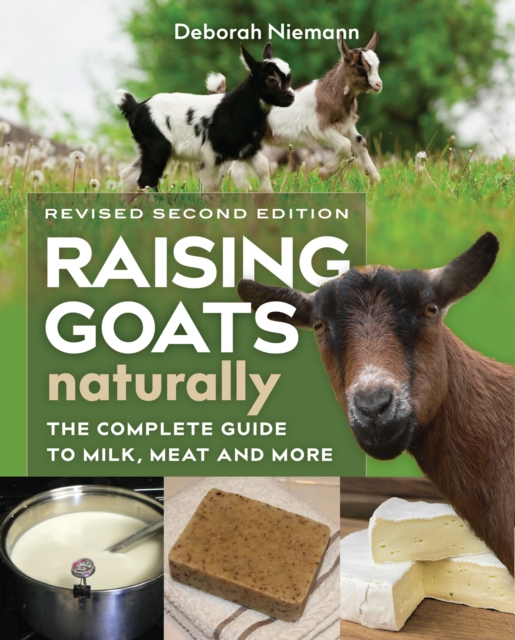
Lessons, stories, and reflections from the Goat MidwifeThere is nothing about goat care that creates more anticipation, excitement, frustration, and fear than birthing goats.
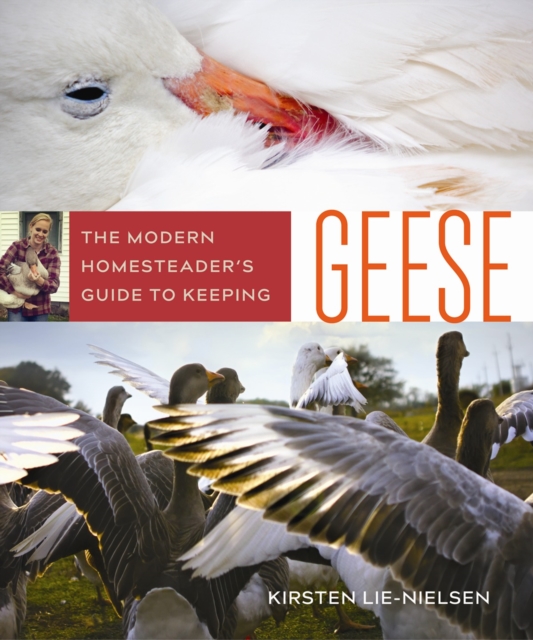
Raise a gaggle of geese, the unsung heroes of the small farm While chickens preen in the spotlight, geese are the historic unsung heroes of small farms and homesteads.
Advancements and Technologies in Pig and Poultry Bacterial Disease Control provides the most up-to-date knowledge on the tools and technologies used in the economics, prevention, monitoring and control of the most important bacterial diseases in these two important livestock species.