Finally backyard farmers who want to keep a few hens for eggs have a bible that's attractive enough to leave out on the coffee table, and inexpensive enough to purchase on a whim.
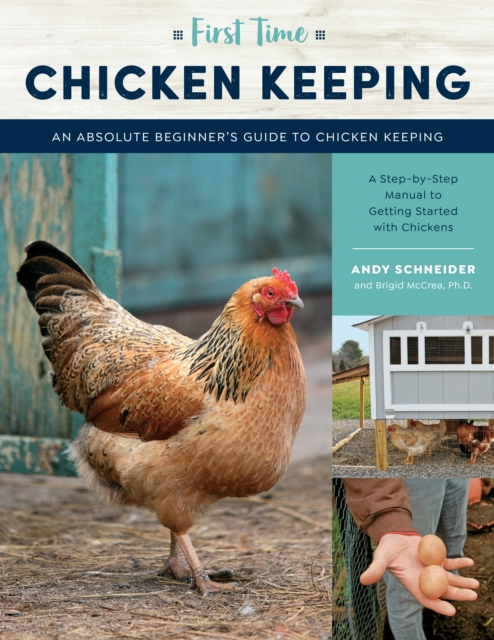
First Time Chicken Keeping provides simple, accessible step-by-step instruction for absolute beginning chicken keeperswho mightnot have prior experience and/or feel overwhelmed by a more comprehensive overview.
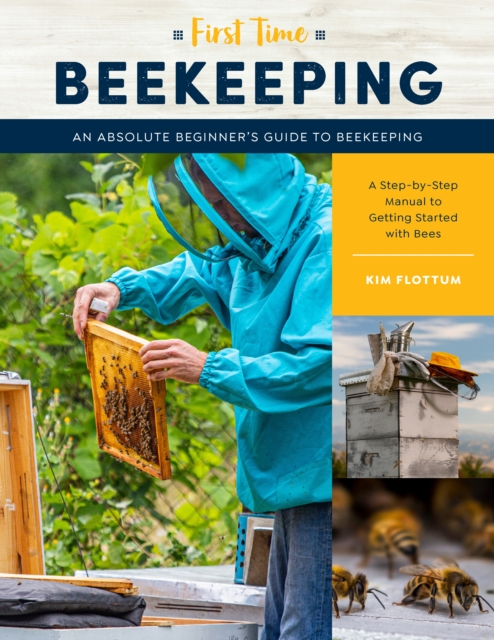
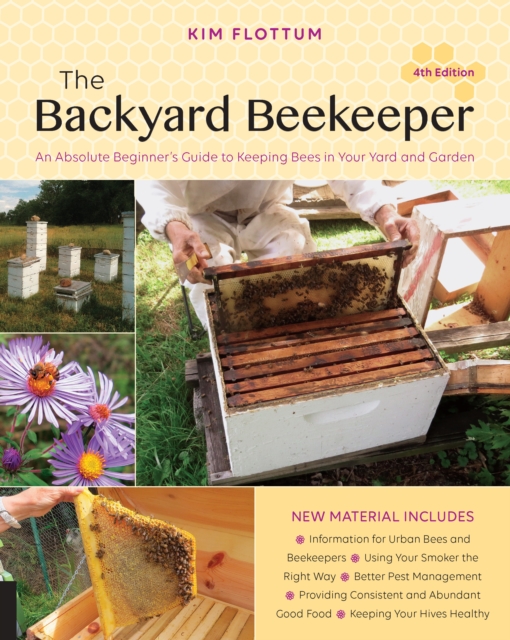
This indispensable beekeeping referencepacked with helpful diagrams, color photos, and easy-to-follow yet thorough instructiongently guides you through setting up and caring for your first colonies.
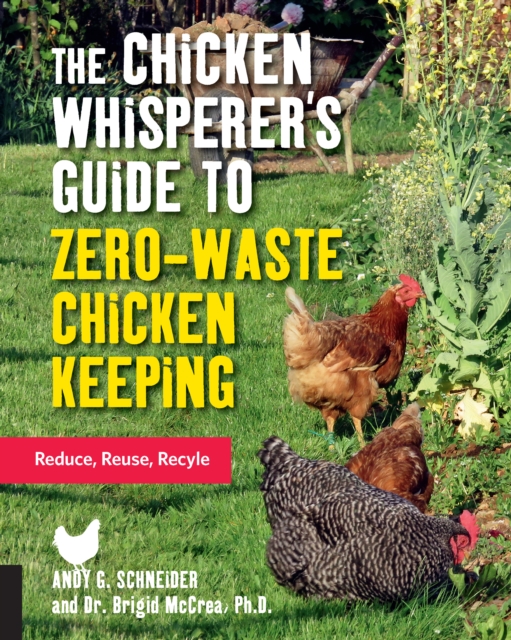
The Chicken Whisperer's Guide to Zero-Waste Chicken Keeping is the firstbook designed tohelpchicken keepers raise chickensusing limited resources while maintaining a low environmental impact.
The Backyard Beekeeper, now in its 4th edition, makes the time-honored and complex tradition of beekeeping an enjoyable and accessible backyard pastime that will appeal to urban and rural beekeepers of all skill levels.
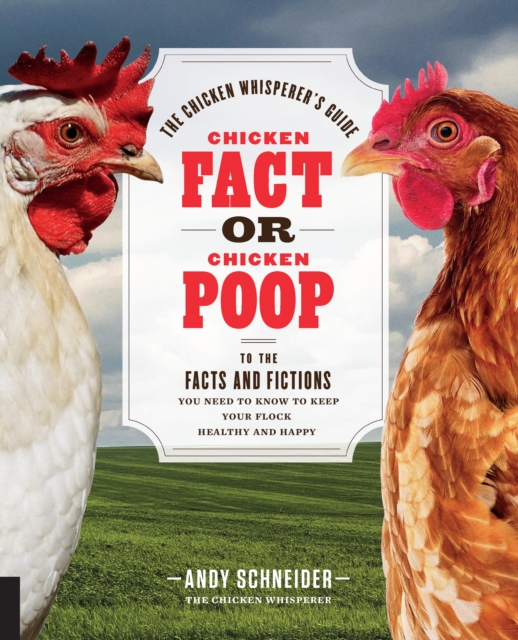
Chicken Fact or Chicken Poopis a science-rooted, fact-based, and study-reinforced manual designed to help you weed through the facts and fictions about your flock.
When Jacob Biggle first published his book on the management of poultry, there were more than 300 million chickens and 30 million other domesticated fowl in the United States.
Sheep Veterinary Practice is the ideal reference for veterinarians in farm animal practice, veterinary and animal science students, agriculturalists and sheep producers.
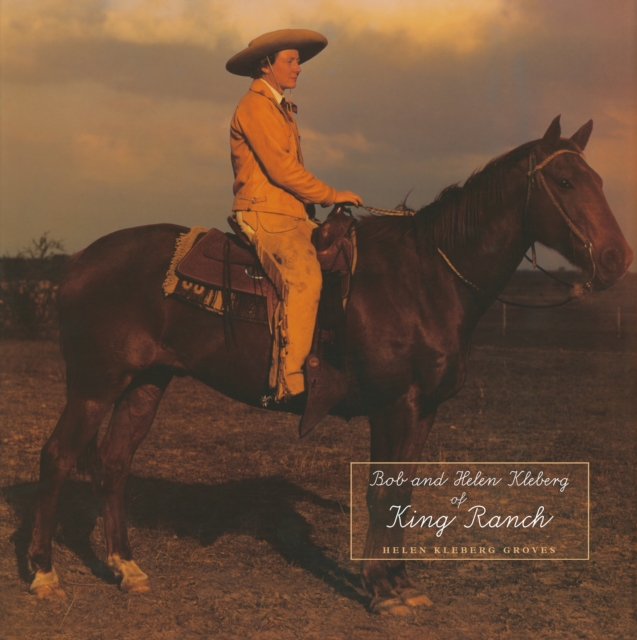
Although the American cowboy has long been a favorite subject for novelists, filmmakers, and illustrators, too often the picture they paint bears little relation to reality.
With more than 500 breeds recognized by the American Poultry Association, there are different feed necessities, housing requirements, incubation times, egg information, and costs of raising just about any of these various breeds.
Fiber Animals for the Backyard and Hobby Farm Raising backyard fiber animals is rising in popularity, as more and more people seek traditional textiles for yarn-focused crafts like knitting, crocheting, and weaving, as well as spinning, embroidery, needlepoint, needle felting, wet felting, and fiber dying.
Originally published in 1966, the extremely urgent task confronting our generation - to produce food in sufficient quantity and of adequate quality for the world's rapidly increasing population - may have appeared terrifyingly great and very difficult to solve.
"e;The most lucid call to action ever written about land-based beekeeping"e; from the author of The Backyard Beekeeper (Tammy Horn, author of Bees in America and Beeconomy).
A truly unusual and unique resource, this extremely hands-on book brings together three popular but long-out-of-print classics (THE MODERN BLACKSMITH; THE RECYCLING, USE, AND REPAIR OF TOOLS; and THE MAKING OF TOOLS) essential for anyone interested in the making, repair, maintenance, or arcana of tools.
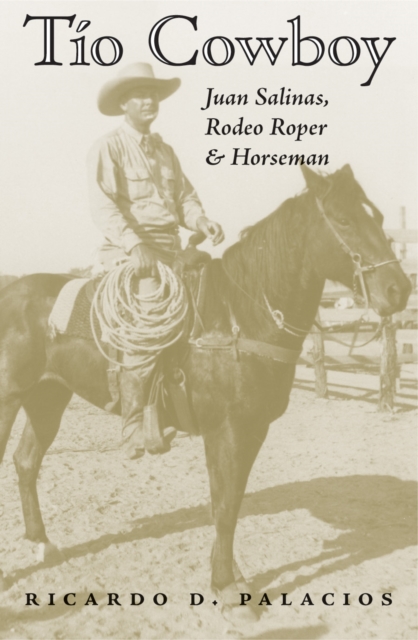
One of the best tie-down calf ropers ever to come out of South Texas, Juan Salinas grew up on a 15,000-acre ranch near Laredo, with the finest of horses to ride and hundreds of head of cattle to practice on.
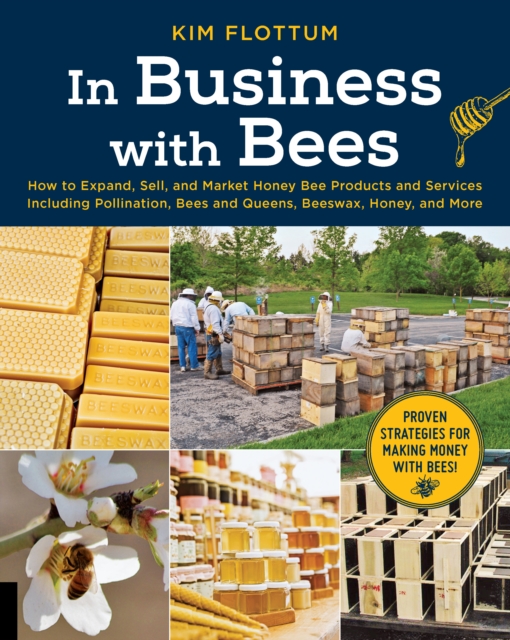
Beekeeping is both a hobby and a practical business plan that many individuals have taken up in recent years as a viable way to culture a valuable natural resource and have fun in the process.
Starting a small scale farm is the dream of Americans young and old, from those who watched the majesty of the great western farm in films during their youth to those who spent their childhood actually working on a farm.
Lessons, stories, and reflections from the Goat MidwifeThere is nothing about goat care that creates more anticipation, excitement, frustration, and fear than birthing goats.
Millets: Properties, Production and Applications opens with an investigation on the effects of natural fermentation and drying methods on physicochemical properties of proso millet flour.
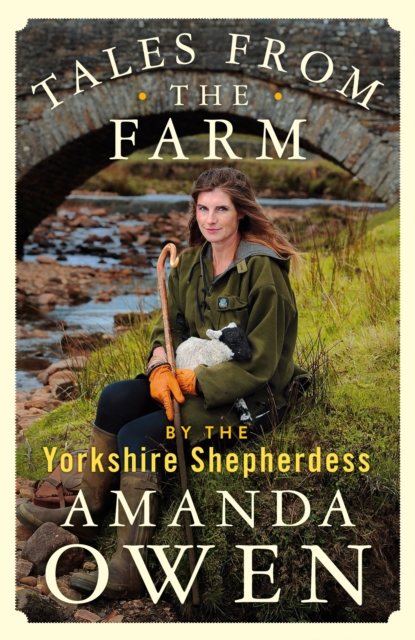
For everyone who loves watching Amanda Owen and her family on Our Farm Next Door: Amanda, Clive & The Kids and Our Yorkshire Farm, or enjoys reading her bestselling books, comes this delightful and uplifting collection of her monthly Dalesman columns.
"e;How to Care for the Feet of your Horses and Mules"e; was originally published with the indention of helping farmers get more work from their farm animals by keeping them in better physical condition.
first published in 1901, this volume contains a detailed guide to forming and managing a pure-bred flock of sheep, with chapters on selection, mating, different breeds, rearing, and much more.