Small scale farming has grown greatly in popularity during the last two decades, with a greater turn in public awareness toward locally grown, organic, grass fed products that have not been modified, chemically altered, or poorly fed.
Goats have been used for their dairy products for hundreds of years, providing a wide array of milk, butter, yogurt, and cheeses that provide the unique flavors that make Mediterranean cuisine so special.
With more than 500 breeds recognized by the American Poultry Association, there are different feed necessities, housing requirements, incubation times, egg information, and costs of raising just about any of these various breeds.
Domesticated small animals, from the cow to the rabbit, have been enjoyed by human owners around the world since the dawn of civilization, nearly 12,000 years ago.
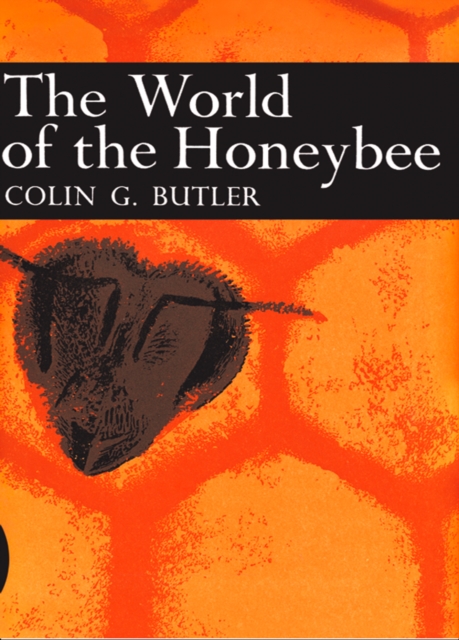
Bee Journal is a startlingly original poetry sequence: a poem-journal of beekeeping that chronicles the life of the hive, from the collection of a small nucleus on the first day to the capture of a swarm two years later.
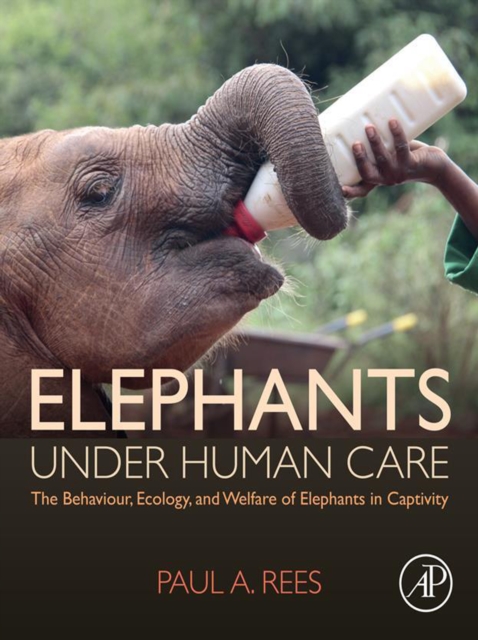
This book draws together, for the first time, the published research on the behaviour, ecology and welfare of elephants living in zoos, circuses, logging camps and other captive environments in a single comprehensive volume.
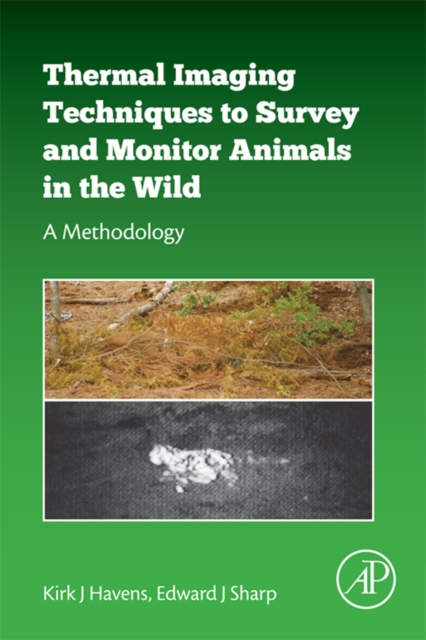
Thermal Imaging Techniques to Survey and Monitor Animals in the Wild: A Methodology provides a manual for anyone interested in understanding thermal imaging and its usefulness in solving a wide range of problems regarding the observation of wildlife.
Animal Behavior, Second Edition, covers the broad sweep of animal behavior from its neurological underpinnings to the importance of behavior in conservation.
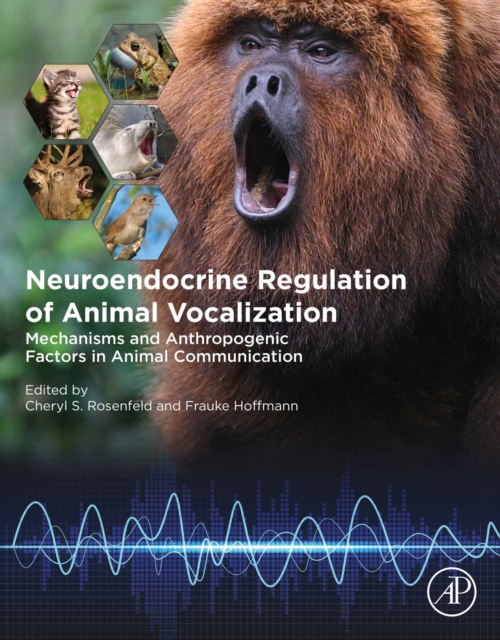
Neuroendocrine Regulation of Animal Vocalization: Mechanisms and Anthropogenic Factors in Animal Communication examines the underpinning neuroendocrine (NE) mechanisms that drive animal communication across taxa.
Livestock Ration Formulation for Dairy Cattle and Buffalo provides an interdisciplinary, integrative perspective and optimization on dairy cattle feed formulation problem solving.
AS SEEN ON BBC TWO'S HIT TV-SHOW 'THIS FARMING LIFE'A heartwarming tale of life on the land' Alan Titchmarsh'There's love and loss, challenge and adversity, but above all it's warm, insightful and inspiring' Helen Skelton'Will inspire any reader to look at the countryside - and all those who work there - with newfound appreciation' Jimmy Doherty 'Uplifting, charming and beautifully written' Adam HensonEmma Gray was just twenty-three when she moved to an isolated farm in Northumberland, becoming Britain's youngest solo shepherdess.
Sponsored by the Royal Society for the Prevention of Cruelty to Animals, the RSPCA Guides give you the most helpful and accurate advice on how to best care for your pet.
Sponsored by the Royal Society for the Prevention of Cruelty to Animals, the RSPCA Guides give you the most helpful and accurate advice on how to best care for your pet.
Sponsored by the Royal Society for the Prevention of Cruelty to Animals, the RSPCA Guides give you the most helpful and accurate advice on how to best care for your pet.
NOW A MAJOR NEW TV SERIES: CAROL DRINKWATER'S SECRET PROVENCELife and love, olive groves and bee hives in Provence - further adventures in the bestselling Olive Farm series from the author of THE FORGOTTEN SUMMER'Drinkwater is a rare writer who tackles other people brilliantly.
During the boom years of the 1980s, the massed oil wealth of the princes of Dubai and Saudi Arabia were pitted against British millionaire Robert Sangster in a battle for control of one of the world's rarest, most precious and most unpredictable commodities: top-pedigree thoroughbred racehorses.
The Sunday Times bestseller full of inspiring tales of life as a shepherdess, by the star of More4's Our Farm Next Door: Amanda, Clive & The Kids and Channel 5's Our Yorkshire Farm.
The Sunday Times bestseller following the inspiring story of life as a shepherdess, by the star of More4's Our Farm Next Door: Amanda, Clive & the Kids and Channel 5's Our Yorkshire Farm.
Published in association with the RSPCA, the UK's leading animal welfare charity, this practical family guide is full of expert advice on how to choose budgerigars and how best to look after them.
Published in association with the RSPCA, the UK's leading animal welfare charity, this practical family guide is full of expert advice on how to choose a cat and how best to look after it.
A comprehensive guide to all aspects of owning a Jack Russell Terrier, this highly illustrated book is full of practical information and expert advice for pet owners and breeders.
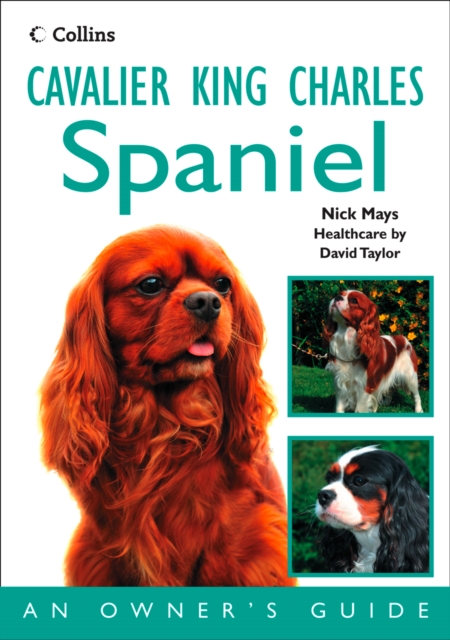
A comprehensive guide to all aspects of owning a Cavalier King Charles Spaniel, this highly illustrated book is full of practical information and expert advice for pet owners and breeders.
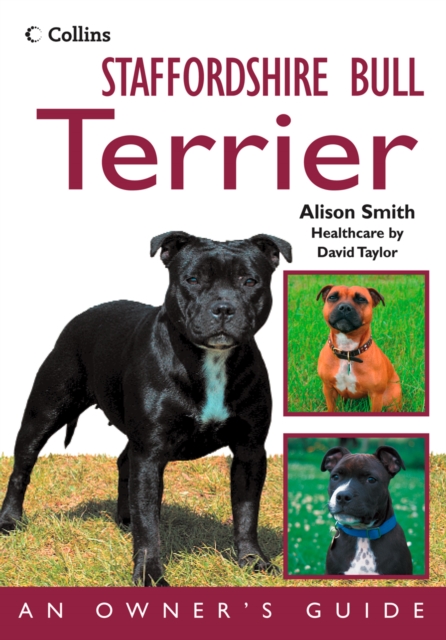
A comprehensive guide to all aspects of owning a Staffordshire Bull Terrier, this highly illustrated book is full of practical information and expert advice for pet owners and breeders.
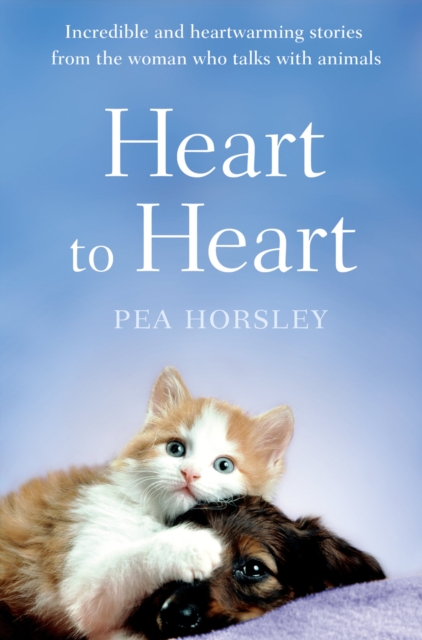
Read the heartwarming story of Pea Horsley, the UK's first professional animal communicator, as she tracks lost animals, tackles troublesome pets and helps people to truly understand their devoted friends.
This group of relatively large, colourful and familiar insects are a very popular subject of study because their behaviour can be observed without the use of elaborate equipment.
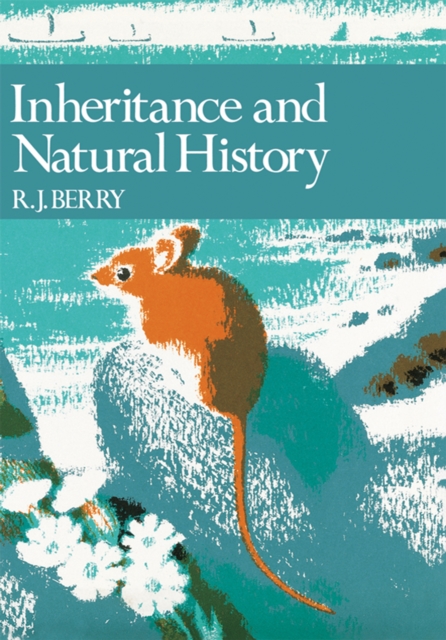
Ever wondered why primroses have three sorts of flowers; or about pesticide resistance in rats and mice, mosquitoes and green-fly; antibiotic resistance in disease organisms - all are examples of genetical adjustment, explained in this book.
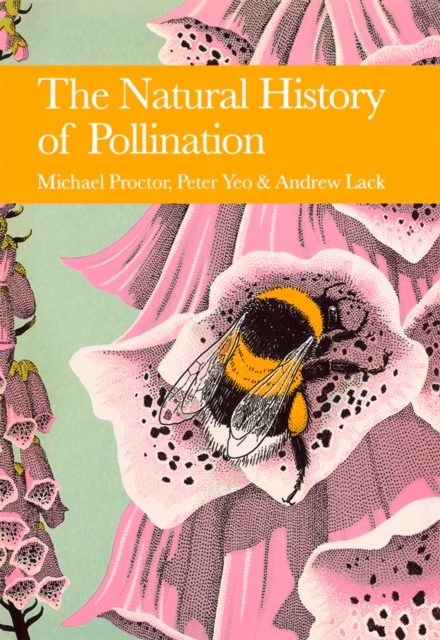
This is a brand new, fully updated edition of the natural history classic first published in the New Naturalist series in 1973 as The Pollination of Flowers.