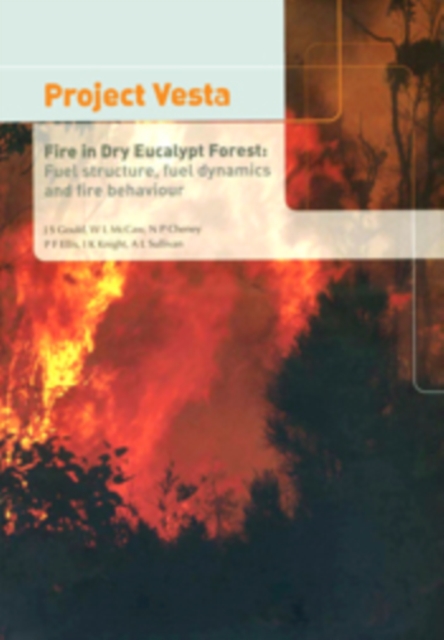
Project Vesta was a comprehensive research project to investigate the behaviour and spread of high-intensity bushfires in dry eucalypt forests with different fuel ages and understorey vegetation structures.
This book provides the information that will allow users to recover salt-degraded land with selected plantation timbers and ultimately to make a profit.
This book provides architects, engineers, builders, foresters, members of the pest control and timber industries, and the general public with a ready source of reference to the more important wood borers and termites encountered in Australia.
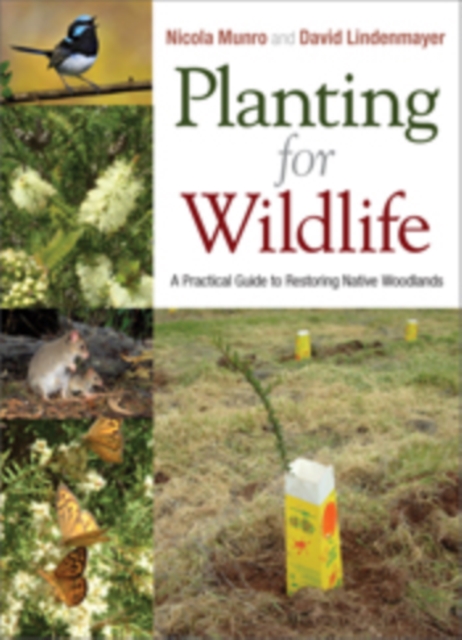
This book summarises the main discoveries, management insights and policy initiatives in the science, management and policy arenas associated with temperate woodlands in Australia.
This book provides the information that will allow users to recover salt-degraded land with selected plantation timbers and ultimately to make a profit.
Towards Forest Sustainability is a collection of practical essays by some of the world's leading forest ecologists and managers from the United States of America, Canada, Finland, Sweden, Australia and New Zealand.
Forest Pattern and Ecological Process is a major synthesis of 25 years of intensive research about the montane ash forests of Victoria, which support the world's tallest flowering plants and several of Australia's most high profile threatened and/or endangered species.
Australia’s experience in community-based environmental repair is unique in the world, with no shortage of analysis by bureaucrats, academics and environmentalists.
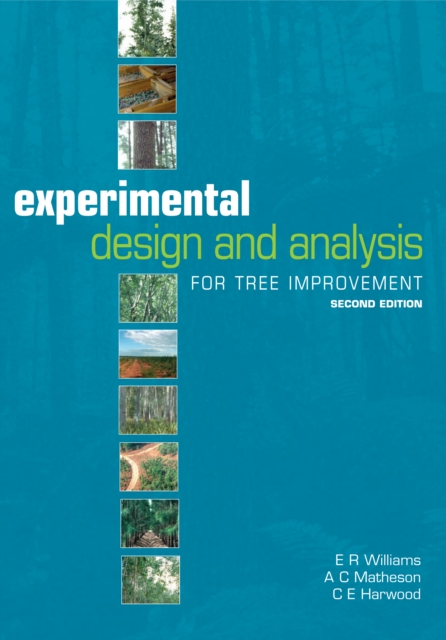
Experimental Design and Analysis for Tree Improvement provides a set of practical procedures to follow when planning, designing and analysing tree improvement trials.
Project Vesta was a comprehensive research project to investigate the behaviour and spread of high-intensity bushfires in dry eucalypt forests with different fuel ages and understorey vegetation structures.
Australia's experience in community-based environmental repair is unique in the world, with no shortage of analysis by bureaucrats, academics and environmentalists.
Towards Forest Sustainability is a collection of practical essays by some of the world’s leading forest ecologists and managers from the United States of America, Canada, Finland, Sweden, Australia and New Zealand.
This guide synthesizes the most current information available on the pests and environmental conditions that can damage California's conifers, the vast majority of native trees in the state.
Comparison of Forest Water and Energy Exchange Models includes results of comparisons and tests on micrometeorological and hydrological models against independent field data gathered from an International Union of Forestry Research Organizations workshop.
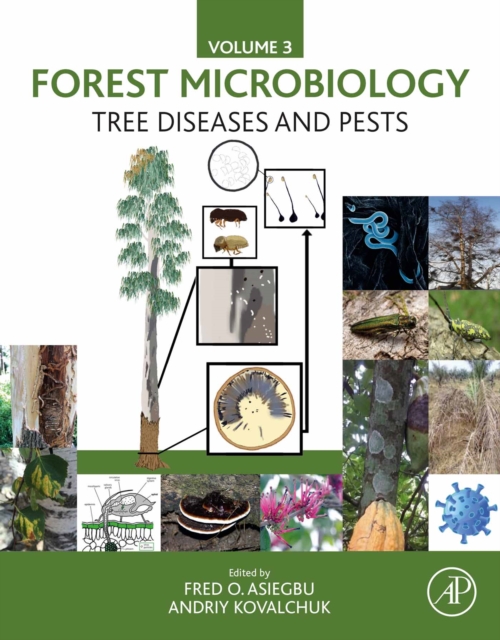
Forest Microbiology: Tree Diseases and Pests, Volume Three in the Forest Microbiology series, provides an overview of major disease agents of trees, including viruses, phytoplasma, bacteria, fungi, nematodes and major insect pests.
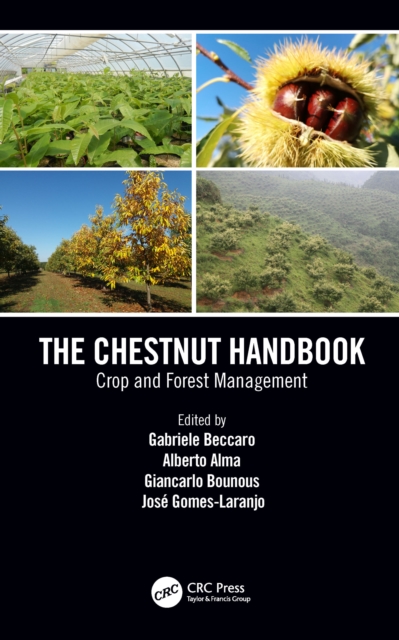
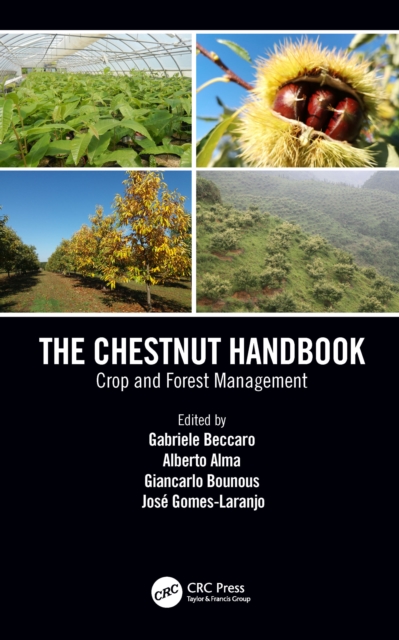
From Mediterranean Europe to Chile and from China to Australia, chestnut cultivation surface has greatly increased globally over the last several decades.
From Mediterranean Europe to Chile and from China to Australia, chestnut cultivation surface has greatly increased globally over the last several decades.
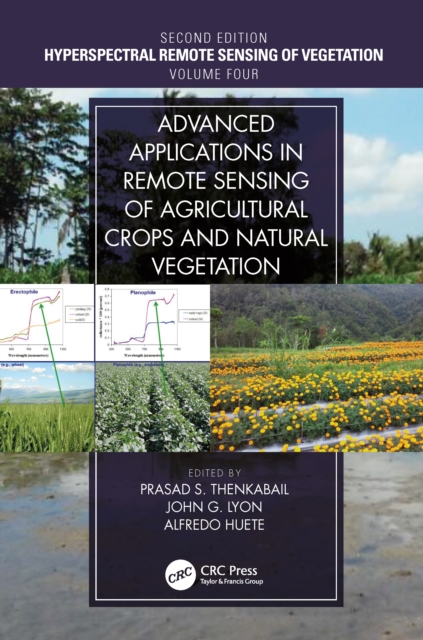
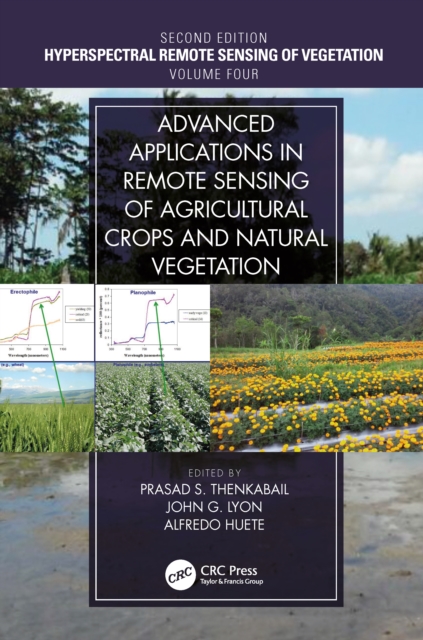
Written by leading global experts, including pioneers in the field, the four-volume set on Hyperspectral Remote Sensing of Vegetation, Second Edition, reviews existing state-of-the-art knowledge, highlights advances made in different areas, and provides guidance for the appropriate use of hyperspectral data in the study and management of agricultural crops and natural vegetation.
Written by leading global experts, including pioneers in the field, the four-volume set on Hyperspectral Remote Sensing of Vegetation, Second Edition, reviews existing state-of-the-art knowledge, highlights advances made in different areas, and provides guidance for the appropriate use of hyperspectral data in the study and management of agricultural crops and natural vegetation.