This book maps extreme temperature increase under dangerous climate change scenarios in Brazil and their impacts on four key sectors: agriculture, health, biodiversity and energy.
Abiotic stresses such as drought (water deficit), extreme temperatures (cold, frost and heat), salinity (sodicity) and mineral (metal and metalloid) toxicity limit productivity of crop plants worldwide and are big threats to global food security.
The capacity of mixed forests to mitigate climate change effects by increasing resilience and lowering risks is pinpointed as an opportunity to highlight the role of tree species rich forests as part of complex socio-ecological systems.
This book examines the development of innovative modern methodologies towards augmenting conventional plant breeding for the production of new crop varieties, under the increasingly limiting environmental and cultivation factors, to achieve sustainable agricultural production and enhanced food security.
This book brings together agricultural ethics scholars from the US, Japan and Taiwan to discuss crucial issues in agricultural ethics and sustainability ethics in comparative context.
This book presents an overview of the state-of-the-art in barley genome analysis, covering all aspects of sequencing the genome and translating this important information into new knowledge in basic and applied crop plant biology and new tools for research and crop improvement.
This book summarizes current advances in our understanding of how infectious disease represents an ecological interaction between a pathogenic microorganism and the host species in which that microbe causes illness.
A comprehensive book on basic processes of soil C dynamics and the underlying factors and causes which determine the technical and economic potential of soil C sequestration.
Losses of forests and their insect inhabitants are a major global conservation concern, spanning tropical and temperate forest regions throughout the world.
The book discusses recent innovation and diversification paths in agri-food, specifically the linkages among food research and innovation, production, consumption, gastronomy, and place branding as well as technology.
This book reviews the latest advances in multiple fields of plant biotechnology and the opportunities that plant genetics, genomics and molecular biology have offered for agriculture improvement.
During the past 15 years, cellular and molecular approaches have emerged as valuable adjuncts to supplement and complement conventional breeding methods for a wide variety of crop plants.
This book brings together a talented international group of scholars, policy practitioners, and NGO professionals that explores a range of issues relating to environmental, developmental, and governing challenges on the Mekong, one of the world's greatest rivers and, alas, one of the most endangered.
This book discusses how research efforts have established an organic link between pedology and edaphology of five pedogenetically important soil orders as Alfisols, Mollisols, Ultisols, Vertisols and Inceptisols of tropical Indian environments.
This book includes papers presented at the 2017 Joint meeting of Fodder Crops and Amenity Grasses Section and Protein Crops Working Group of EUCARPIA-Oil and Protein Crops Section.
World population is increasing at an alarming rate and this has resulted in increasing tremendously the demand for tree products such as wood for construction materials, fuel and paper, fruits, oils and medicines etc.
This book provides an in-depth explanation of the advantages and current limitations of recombinant plant-made vaccines for use in veterinary medicine, including for livestock, pets, and wild animals.
World population is increasing at an alarming rate and this has resulted in increasing tremendously the demand for tree products such as wood for construction materials, fuel and paper, fruits, oils and medicines etc.
This volume is the outcome of an international cooperation between 73 scientists, experts, and practitioners from many countries, disciplines, and professional areas.
During the past 15 years, cellular and molecular approaches have emerged as valuable adjuncts to supplement and complement conventional breeding methods for a wide variety of crop plants.
This Brief discusses potential alternative sources for feeds in aquaculture fish diet, and explains that the future of aquaculture's development is dependent on the costs of fishmeal and fish oil.
This volume is the first centralized source of technological and policy solutions for sustainable agriculture and food systems resilience in the face of climate change.
Increase in world population, extreme weather conditions, decrease in fresh water supplies, and changes of dietary habits are major issues that affect global food security.
Bioremediation is the use of microorganisms' metabolism to degrade waste contaminants (sewage, domestic, and industrial effluents) into non-toxic or less toxic materials by natural biological processes.
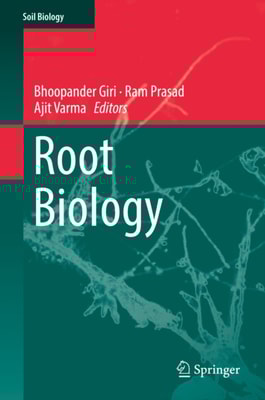
The book 'Root Biology' written by experts in the field, covers latest research on cellular, genetic, physiological and ecological developmental facets of root growth as well as the interaction of root with an array of microbes whether for the establishment of symbiosis, increasing plant growth or protecting plant from pathogens/attackers.
In the modern era, China's rural credit landscape is transforming at a dizzying rate, but, in terms of financial development, these changes represent a second attempt in the past 100 years to reform China's credit institutions and provide credit access to farmers.
This book provides relevant findings on nanoparticles' toxicity, their uptake, translocation and mechanisms of interaction with plants at cellular and sub-cellular level.
Despite food being safer, more affordable and more available than at any time in human history, consumers are increasingly skeptical and critical of today's food system.
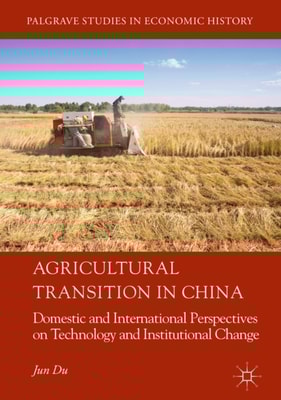
This book extends current research on the political economy of modern China, with particular regard to agricultural development and its role in economic transition.
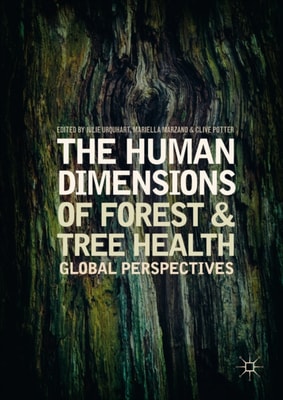
This book explores the specifically human dimensions of the problem posed by a new generation of invasive pests and pathogens to tree health worldwide.
This book outlines the latest trends in the use of multicriteria analysis in agriculture by highlighting recent applications for modeling agricultural decision-making.