Advances in Botanical Research is a multi-volume publication that brings together reviews by recognized experts on subjects of importance to those involved in botanical research.
Over the past 50 years, triazines have made a great impact on agriculture and world hunger by assisting in the development of new farming methods, providing greater farming and land use capabilities, and increasing crop yields.
This book begins with an overview of current thinking on bioavailability, its definition, cutting-edge research in speciation and advancement in tools for assessing chemical bioavailability in the terrestrial environment.
The science underpinning avian immunology is crucial to understanding basic immunological principles and the exceptional features of the avian immune system, as different strategies birds have adopted can provide important evolutionary insights.
Plant Biotechnology And Plant Genetic Resources, which boasts a truly international list of contributors with a variety of expertise, thoroughly explores all the major contemporary concerns.
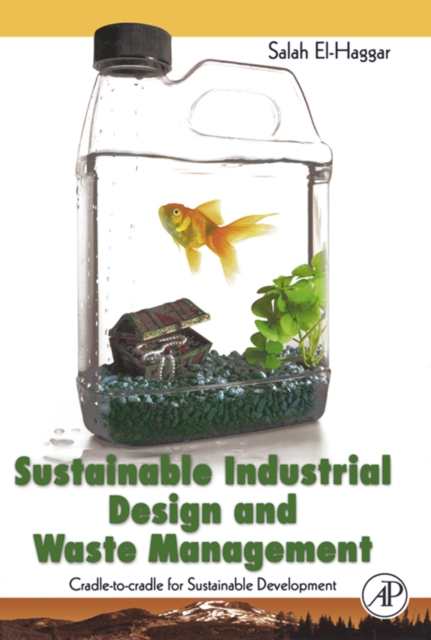
Sustainable Industrial Design and Waste Management was inspired by the need to have a text that enveloped awareness and solutions to the ongoing issues and concerns of waste generated from industry.
Primitive fishes are a relatively untapped resource in the scientific search for insights into the evolution of physiological systems in fishes and higher vertebrates.
There is no doubt that irrigation makes a major contribution to agricultural production, making a whole range of crops viable in an otherwise unreliable climate and helping insure against drought.
This accessible and authoritive text has been written for students undertaking programs of study in stock and station agency practice, and for practising stock and station agents who will find this an invaluable reference work.
World Resources 2000-2001, People and Ecosystems: The Fraying Web of Life focuses on the critical link between ecosystems and people and provides an overview of current global environmental and economic trends using hundreds of indicators in more than 150 countries.
Tropical Mariculture takes an in-depth look at developmental activities in a growing industry striving towards sustainability and environmental integrity.
Presenting the first book to focus on the importance of silicon for plant health and soil productivity and on our current understanding of this element as it relates to agriculture.
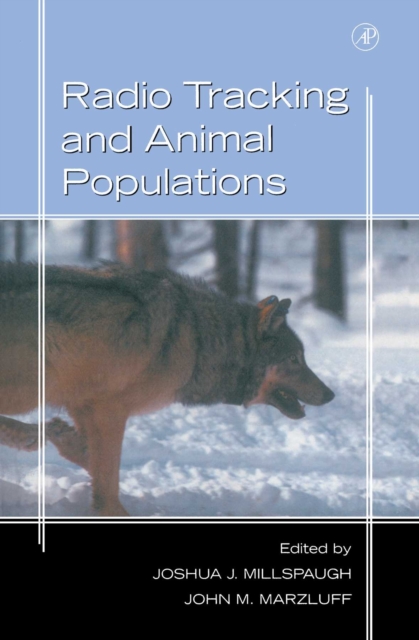
Radio Tracking and Animal Populations is a succinct synthesis of emerging technologies and their applications to the empirical and theoretical problems of population assessment.
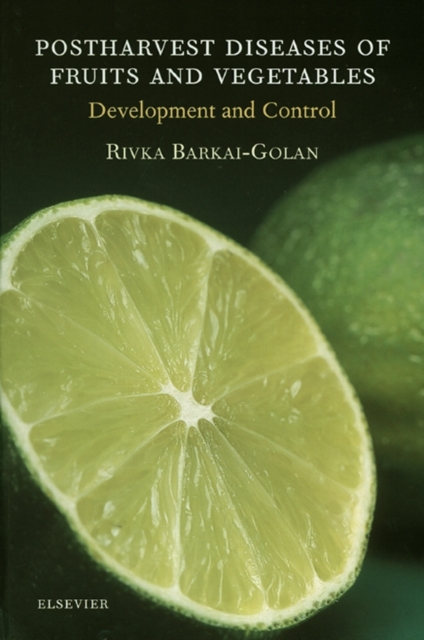
Focusing on the great variety of research being done in the field of postharvest pathology, this volume presents a collection of topics concerning the diseases of harvested fruits and vegetables.
Stems, of various sizes and shapes, are involved in most of the organic processes and interactions of plants, ranging from support, transport, and storage to development and protection.
Plant biotechnology offers important opportunities for agriculture, horticulture, and the pharmaceutical and food industry by generating transgenic varieties with altered properties.
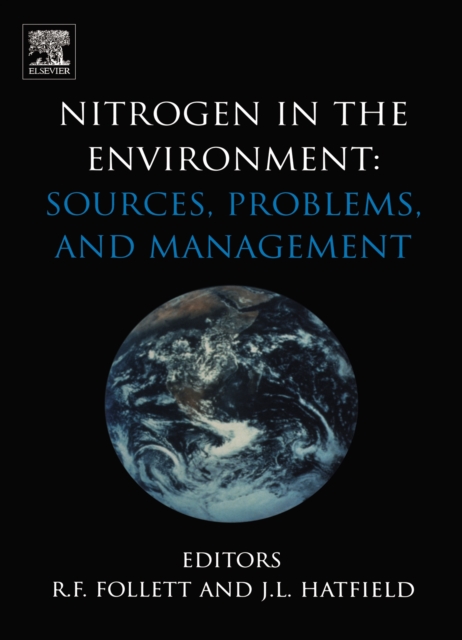
Nitrogen in the Environment: Sources, Problems, and Management is the first volume to provide a holistic perspective and comprehensive treatment of nitrogen from field, to ecosystem, to treatment of urban and rural drinking water supplies, while also including a historical overview, human health impacts and policy considerations.
This international symposium allowed many researchers and industrial representatives to meet and discuss a broad spectrum of information such as zero emission, resources availability, sustainable utilization of resources, bioactive and functional components in aquatic organisms, utilization of wastes, seafood quality, surimi technologies and processing and safety.
Comprising by far the largest and most diverse group of vertebrates, fishes occupy a broad swathe of habitats ranging from the deepest ocean abyss to the highest mountain lakes.
Garden pests plague everyone who has ever raised vegetables, from backyard gardener to professional horticulturists, farm managers, and agrobusiness professionals.
For many years the use of chemical agents such as pesticides and herbicides has been effective in controlling the many varieties of pests that infest both agricultural crops and backyard gardens.