Early characterization of toxicity and efficacy would significantly impact the overall productivity of pharmaceutical R&D and reduce drug candidate attrition and failure.
Six new chapters on vital topics of interest such as multilocus SNP genotyping (SNP chips), RNAi, ChIP-chip, and genomic tiling arrays New edition responds to reviewers' and users' desire for greater coverage now the most useful handbook on the market!
Current applications and recent advances in genomics and proteomics Genomics and Proteomics Engineering in Medicine and Biology presents a well-rounded, interdisciplinary discussion of a topic that is at the cutting edge of both molecular biology and bioengineering.
The author of the international bestseller The Sixth Extinction returns to humanity's transformative impact on the environment, now asking: after doing so much damage, can we change nature, this time to save it?
Epigenetic Mechanisms in Cancer provides a comprehensive analysis of epigenetic signatures that govern disease development, progression and metastasis.
The language of botany from plant structure to genetic modification defined and explained for students of plant sciences and botanical enthusiastsThe dictionary,with over 4,000 entries,covers the many subject areas that make up pure and applied botany.
Combining myth, biography, and wit, this is a highly original depiction of cutting-edge science and its profound implications, told through the scientists who are rewriting life on earth.
Steve Jones's highly acclaimed, double prize-winning, bestselling first book is now fully revised to cover all the new genetic breakthroughs from GM food to Dolly the sheep.
The most important investigation of genetic science since The Selfish Gene, from the author of the critically acclaimed and best-selling The Red Queen and The Origins of Virtue.
A comprehensive introduction to modern applied statistical genetic data analysis, accessible to those without a background in molecular biology or genetics.
A top behavioral geneticist makes the case that DNA inherited from our parents at the moment of conception can predict our psychological strengths and weaknesses.
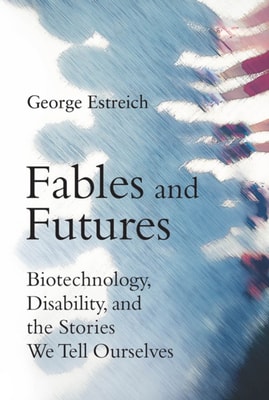
How new biomedical technologies—from prenatal testing to gene-editing techniques—require us to imagine who counts as human and what it means to belong.
An examination of eugenic thinking past and present, from forced sterilization to prenatal screening, drawing on experience with those who survived eugenics.
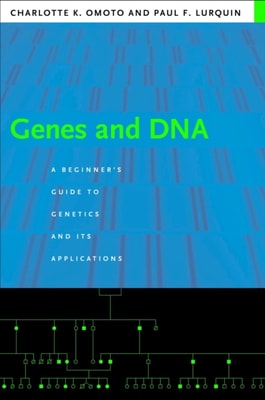
Covering newsworthy aspects of contemporary biology-gene therapy, the Human Genome Project, DNA testing, and genetic engineering-as well as fundamental concepts, this book, written specifically for nonbiologists, discusses classical and molecular genetics, quantitative and population genetics-including cloning and genetic diseases-and the many applications of genetics to the world around us, from genetically modified foods to genetic testing.
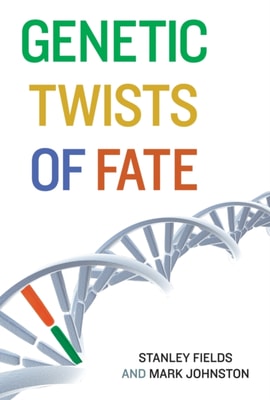
Human beings have on the order of 100,000 different genes encoding the molecules needed to build and operate the human body; defects in any one of them can lead to disastrous consequences.
An introductory tour into the stranger-than-fiction world of genetic engineering, a scientific realm inhabited by eager researchers intent upon fashioning a prodigious medley of genetically modified (GM) organisms to serve human needs.
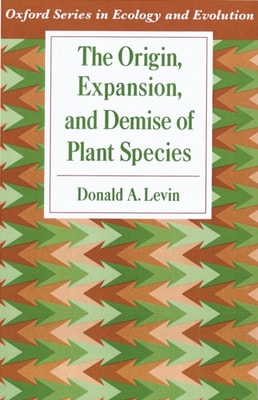
Combining insights from observation, experimentation, and theory, The Origin, Expansion, and Demise of Plant Species offers a broad overview of species as dynamic entities that arise, have unique evolutionary histories, and ultimately go extinct.
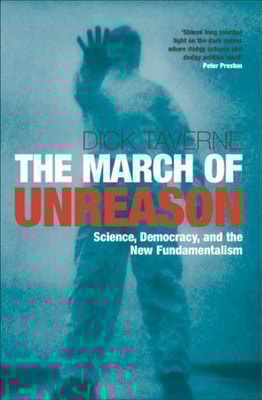
Our daily news bulletins bring us tales of the wonder of science, from Mars rovers and intelligent robots to developments in cancer treatment, and yet often the emphasis is on the potential threats posed by science.
Since the publication of the first edition of Gene Targeting: A Practical Approach in 1993 there have been many advances in gene targeting and this new edition has been thoroughly updated and rewritten to include all the major new techniques.
The groundbreaking isolation of embryonic stem cells (or 'ES cells') of the mouse in the early 1980s triggered a sustained expansion of global research into their exploitation.
An introductory tour into the stranger-than-fiction world of genetic engineering, a scientific realm inhabited by eager researchers intent upon fashioning a prodigious medley of genetically modified (GM) organisms to serve human needs.
Epigenetic Mechanisms in Cancer provides a comprehensive analysis of epigenetic signatures that govern disease development, progression and metastasis.
Cancer and Noncoding RNAs offers an in-depth exploration of noncoding RNAs and their role in epigenetic regulation of complex human disease, most notably cancer.