This book presents a systematic overview of the technologies currently being explored and utilized in the fields of cardiovascular tissue engineering and regenerative medicine.
This book describes past and present advances in engineering materials for neural applications, with special emphasis on their usefulness for traumatic brain and spinal cord injuries.
This contributed volume explores the ways in which researchers engineer new biomaterials for the challenging problems of the peripheral and central nervous systems.
This book is the first comprehensive compilation describing the botanical traits, genetic resources, whole genome sequencing, Mitochondrial genome, transcriptomes of different organs with developmental stages, transcription factors, delineating gene evolution of gene family in Bambusoideae, alternative splicing (AS) and polyadenylation, case studies for economically important traits such as internode length, shoot fast growing, flowering, ageing and stress-resistant genes and small RNAs-mediated gene regulation of moso bamboo flowering and other developmental stages.
This book explains how peptide-based drug design works, what steps are needed to develop a peptide-based therapeutic, and challenges in synthesis as well as regulatory issues.
Indian mycologists have extensively studied various groups of fungi such as soil fungi, aquatic fungi, marine fungi, endophytic fungi, fungi associated with man and animals.
This book provides up-to-date information on the prototypes used to develop medical devices and explains the principles of biosensing and theranostics.
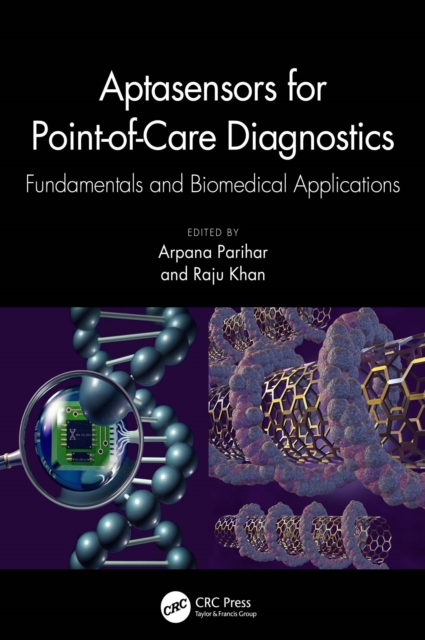
The design and fabrication of aptamer-based biosensors for point-of-care testing of disease diagnostic and prognostic is an upthrust and interdisciplinary area of research.
This is the proceedings of the International Conference On Computational Vision and Bio Inspired Computing (ICCVBIC 2017) held at RVS Technical Campus, September 21-22, 2017.
In the last few decades, DNA-based tools for the investigation of fungal taxonomy, signal transduction and regulation, differentiation processes and biosynthetic potential have accelerated advances in our understanding of the Mycota.
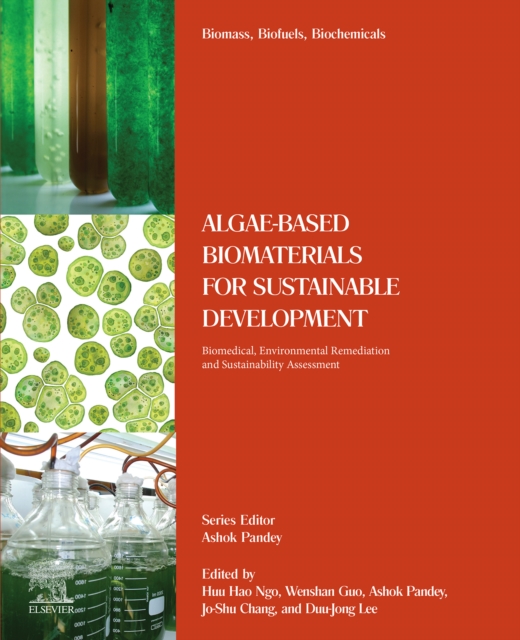
Biomass, Biofuels, and Biochemicals: Algae-Based Biomaterials for Sustainable Development, Biomedical, Environmental Remediation and Sustainability Assessment, a new release in the Biomass, Biofuels, and Biochemicals series, covers algae-based biomaterials-the green and renewable material that can be produced from various micro- and macro-algae species and utilized for several applications, including biomedical healthcare and environmental remediation.
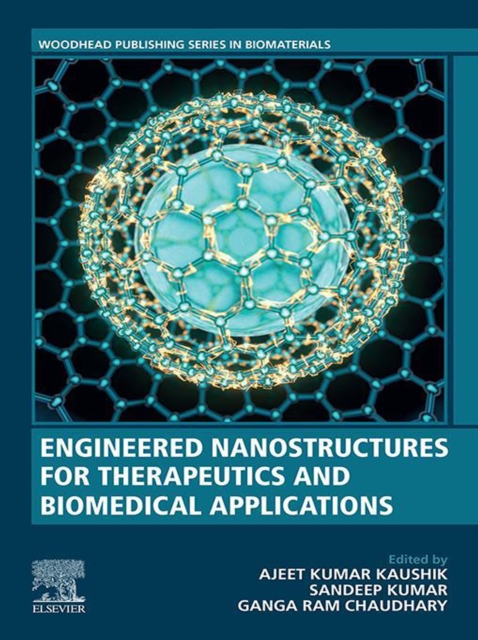
Engineered Nanostructures for Therapeutics and Biomedical Applications offers a single reference for a diverse biomedical readership to learn about the application of nanotechnology in biomedicine and biomedical engineering, from past developments to current research and future prospects.
This book summarizes the recent advancements for drug delivery systems (DDS) in terms of fundamental principles, rapidly emerging techniques and developing frontiers of molecular imprinting.
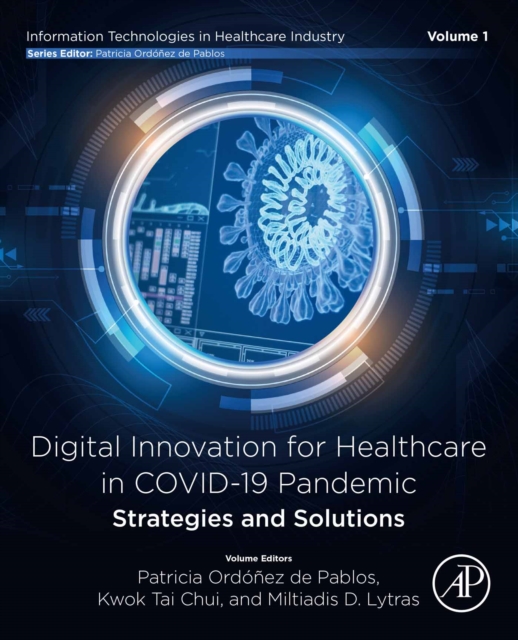
Digital Innovation for Healthcare in COVID-19 Pandemic: Strategies and Solutions provides comprehensive knowledge and insights on the application of information technologies in the healthcare sector, sharing experiences from leading researchers and academics from around the world.
This book illustrates the significance of nanotechnology in the delivery of anticancer and antimicrobial drugs, biomimetic technologies, tissue engineering, sensing, diagnostics, and artificial enzymes.
Combined fields of Microbiology and Nanotechnology have been most successful in providing novel solutions for protecting the health of humans and environment.
This book focusses on recent advances and different research issues in the biosensor technology and also presents theoretical, methodological, well-established and validated empirical work dealing with the technology.
This book offers comprehensive coverage of all manifestations of resistance in combating infectious diseases and explores advances in antimicrobials in agriculture and their applications in the fight against microbes.
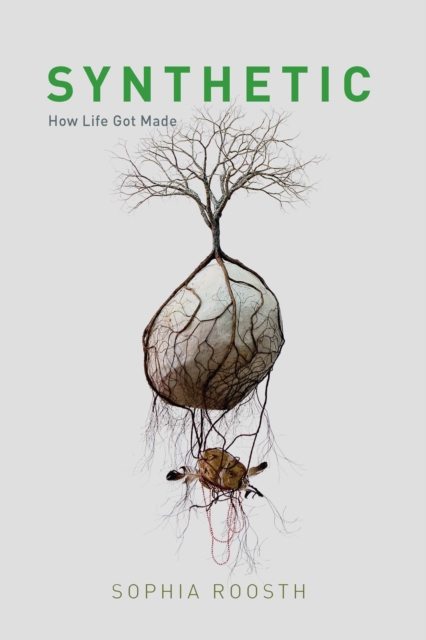
In the final years of the twentieth century, emigres from engineering and computer science devoted themselves to biology and resolved that if the aim of biology is to understand life, then making life would yield better theories than experimentation.
This book offers a comprehensive study of biological molecules acquired from marine organisms, which have been exploited for drug discovery with the aim to treat human diseases.
This book presents the current state of the art in peanut genomics, focusing particularly on the latest genomic findings, tools and strategies employed in genome sequencing, transcriptomes and analysis, availability of public and private genomic resources, and ways to maximize the use of this information in peanut breeding programs.