This book is an all-embracing review of biotechnology, biomedical engineering, bioinformatics, pharmacy and medicinal chemistry, and biopharmaceutical technology.
This book provides a first hand and complete information on orchid biotechnology for orchid lovers, graduate students, researchers and industry growers.
Umbilical cord blood, previously discarded, has emerged as a new source of stem cells for hematologic reconstitution, bone marrow failures and other hematologic deficiencies.
This book outlines the vast potential of the microbial catalyst for present and future microbial process development without waste formation, leading to a clean environment.
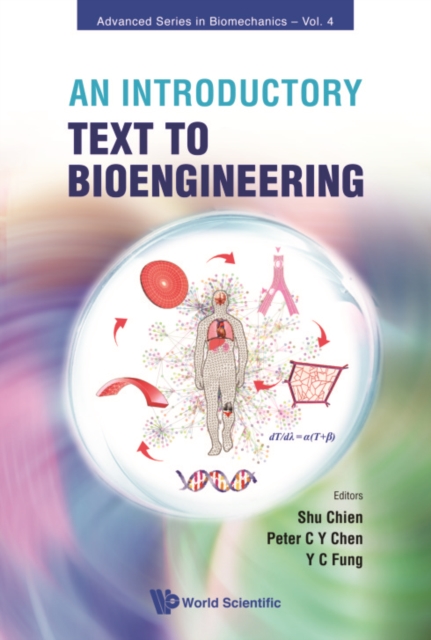
This bestselling textbook will introduce undergraduate bioengineering students to the fundamental concepts and techniques, with the basic theme of integrative bioengineering.
This book provides in-depth information on clusterbean, its cultivation, genetic improvement, plant protection measures, management of abiotic stresses, molecular aspects etc.
Volume II presents the latest advances in catalytic hydrodeoxygenation and other transformations of some cellulosic platform chemicals to high value-added products.
Volume I mainly focuses on the current understanding of the reaction pathways and mechanisms involved in several important catalytic conversions of cellulose and carbohydrates.
The edited book highlights various emerging Omics tools and techniques that are currently being used in the analysis of responses to different abiotic stress in agronomically important cereals and their applications in enhancing tolerance mechanism.
The conservation of crop genetic resources is one of the important elements in efforts to sustainably increase agricultural production in low-income countries, and to guarantee long-term food security, especially for the low-income population groups in these countries.
The book covers an overview of fungal polymers, fungal mycelial biomass, and their applications besides providing a detailed account of various opportunities.
This book offers an overview of the current knowledge on beta glucanase enzymes derived from actinobacterial source, their structure, functions and industrial applications.
This book establishes a measurement index to quantify China's mass media public credibility, based on extensive research and the encapsulation of measurement theories and approaches related to media public credibility, as well as numerous empirical case studies from the international academic community over the past hundred years.
This is a comprehensive overview of bionanotechnology to students in nanotechnology, biotechnology, bionanotechnology, related fields such as biology, chemistry, physics, and materials science and also everyone who is interested in this research area.
Since the publication of "e;The coconut palm - A monograph"e; in 1960, considerable information has been accrued on the crop through work at research institutes, international organisations and development agencies.
The present book entitled, "e;Re-visiting the Rhizosphere Eco-system for Agricultural Sustainability"e; written by experts in the field, provides a comprehensive and consolidated state-of art overview of various aspects of rhizosphere biology, ecology and functioning.
This book presents up-to-date information on various vector-less/direct (physical, chemical) and vector-mediated/indirect (Agrobacterium-mediated) plant transformation techniques.
This edited book highlights the gravity and efficacy of next-generation breeding tools for the enhancement of stress-resilience in cereals, especially in the context of climate change, pests, diseases, and abiotic stresses.
This book covers all the aspects of food-grade enzymes, including their classification, kinetics, microbial production, biosynthetic pathways, commodity-wise industrial applications, and downstream processing strategies.
The book covers an overview of fungal polymers, fungal mycelial biomass, and their applications besides providing a detailed account of various opportunities.
This book charts the roller coaster ride taken by the authors over the past 33 years, in the ongoing fight to acknowledge, prevent, and respond to the rape and sexual abuse of women in conflict and displacement situations.
This third volume in the set of books is dedicated to various sustainable approaches in textiles and fashion sector with a focus on fibres and raw materials employed.
This edited book provides an account of past, present, and future constraints in microalgae-based biorefineries, emphasizing cultivation and refining processes.
In light of the third-generation concept of 'inclusive sustainability', the volume explores the architecture of global disability governance and its degree of harmonisation.
This book helps in understanding the relationship between microorganisms and oral carcinogenesis, and the possible oncogenic mechanisms enhancing the association.
This book presents an interplay of imaginative memoir-telling, action research data and future projection that reminds and inspires experiences academics, researchers, professionals, as well as a wider public to recognize the fundamental importance and the impellent need for more and better work in favour of true political and societal recognition of the needs and rights of children to play freely, to participate, to live fully and enjoy their neighbourhoods and cities, and to imagine and construct alternative futures, together with adults.
The edited book highlights various emerging Omics tools and techniques that are currently being used in the analysis of responses to different abiotic stress in agronomically important cereals and their applications in enhancing tolerance mechanism.