Natural resources and associated biological diversity provide the basis of livelihood for human population, particularly in the rural areas and mountain regions across the globe.
At the beginning of the twentieth century, Britain stood at the forefront of science and statistics and had a long and respected tradition of social investigation and reform.
This book highlights cutting-edge studies in the development of cell-inspired biomaterials and synthetic materials that manipulate cell functions and provide the next generation with contemporary tools for treating complex human diseases.
Biological control has become an attractive alternative strategy for the control of plant diseases to reduce the excessive use of agrochemicals and its health hazards.
This book covers a broad spectrum of topics related to GMOs and allied new gene-based technologies, biodiversity, and ecosystem processes, bringing together the contributions of researchers and regulators from around the world.
In the past few decades, it has been realized through research that fungal siderophores epitomize the uptake of iron as well as other essential elements like zinc, magnesium, copper, nickel and arsenic.
This pioneering book focuses on Neotropical endophytic fungi, providing a comprehensive overview of their diversity, ecology, and biotechnological applications in medicine, agriculture, and industry.
This book provides the first comprehensive overview of saline and alkaline soils in Latin America, known for having one of the most extensive surface of salt-affected soils in the world.
This book addresses Synthetic Biology (SynBio), a new and promising biotechnology that has attracted much interest from both a scientific and a policy perspective.
The Pigments from Microalgae Handbook presents the current state of knowledge on pigment production using microalgae-based processes, and covers both the scientific fundamentals of this technology and its practical applications.
This book explores microbial symbiosis, with a particular focus on soil microorganisms, highlighting their application in enhancing plant growth and yield.
This book provides a broad account of various applied aspects of microbiology for quality and safety evaluations in food, water, soil, environment and pharmaceutical sciences.
This book brings together international experts from a wide variety of disciplines, in order to understand the impact that digital technologies have had on our well-being as well as our understanding of what it means to live a life that is good for us.
This fully revised third edition includes up-to-date topics and developments in the field, which has made tremendous strides since the publication of the second edition in 2004.
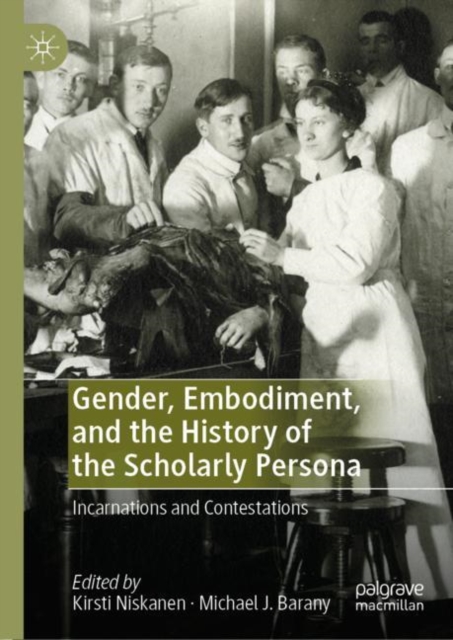
This book investigates the historical construction of scholarly personae by integrating a spectrum of recent perspectives from the history and cultural studies of knowledge and institutions.
This book highlights the results from over a year of ethnobotanical research in a rural and an urban community in Jamaica, where we interviewed more than 100 people who use medicinal plants for healthcare.
The rapid thriving of industries, conversion of agricultural land to residential areas, habitat destruction, deforestation and use of recalcitrant synthetic substances enhanced the rate of degradation of the environment.
Revealing essential roles of the tumor microenvironment in cancer progression, this volume focuses on the extracellular matrix components of the tumor microenvironment during cancer development.
Plant improvement has shifted its focus from yield, quality and disease resistance to factors that will enhance commercial export, such as early maturity, shelf life and better processing quality.
Plant improvement has shifted its focus from yield, quality and disease resistance to factors that will enhance commercial export, such as early maturity, shelf life and better processing quality.
This book provides deep insights about the fundamentals, applications and perspectives of the use of supercritical CO2 as solvent and antisolvent for biorefinering.
This book represents the first comprehensive compilation of deliberations on botany; genetic resources; genetic diversity analysis; classical genetics & traditional breeding; in vitro culture & genetic transformation; detailed information on molecular maps & mapping of economic genes and QTLs; whole genome sequencing of the nuclear genome and sequencing of chloroplast genome; and elucidation of functional genomics.
This book addresses the impact of important climatic changes on plant pests (including weeds, diseases and insect pests), and their interactions with crop plants.
The generation of well-defined nanoparticles of excellent size and shape involves physical and chemical methodologies that are complicated, expensive, and produce hazardous toxic waste that is harmful to the environment and to human health.
Advanced materials and nanotechnology is a promising, emerging field involving the use of nanoparticles to facilitate the detection of various physical and chemical parameters, including temperature, humidity, pH, metal ion, anion, small organic or inorganic molecules, gases, and biomolecules responsible for environmental issues that can lead to diseases like cancer, diabetes, osteoarthritis, bacterial infections, and brain, retinal, and cardiovascular diseases.
Numerous solvents used in chemical processes have poisonous and unsafe properties that pose significant ecological concerns ranging from atmospheric emissions to the contamination of water effluents.